
Territorial Butterfly Species: Discover Their Powerful Realm

Territorial butterfly species fiercely defend their chosen patch from rivals! These butterflies, mostly males, stake out sunny spots with good nectar or host plants. They’ll aggressively chase away any other butterfly that dares to enter their domain. Some well-known territorial butterflies include the Red Admiral, the Viceroy, and various Hairstreak species. This behaviour ensures they have the best chance to mate and pass on their genes.
Butterflies are some of the most beautiful and fascinating creatures on Earth. Imagine strolling through your garden, admiring these delicate insects as they flit from flower to flower. But did you know that some butterflies are quite the tough guys? It’s true! Certain butterfly species are fiercely territorial, defending their chosen patch of sunshine and nectar from any intruders. This behaviour might seem surprising, but it’s all part of their survival strategy.
Understanding which butterflies are territorial and why they behave this way can make your butterfly observations even more interesting. We’ll explore the fascinating world of territorial butterflies, looking at how they claim their space, which species are the most assertive, and what you can do to create a butterfly-friendly garden that respects their need for space. Get ready to dive into the exciting world of butterfly behaviour!
What Does “Territorial” Mean for Butterflies?

When we say a butterfly is “territorial,” we mean it defends a specific area against other butterflies, especially of the same species and sex (usually males). This territory isn’t just any random spot; it’s usually a place that offers something valuable, like:
- Sunlight: Butterflies need sunlight to warm their bodies so they can fly.
- Nectar sources: Flowers provide the energy-rich nectar that butterflies need to fuel their activities.
- Host plants: These are the specific plants that female butterflies lay their eggs on, and that caterpillars eat.
- Puddling sites: Muddy areas where butterflies gather to drink water and extract minerals.
- Mate-locating areas: Prominent perches where males can spot and pursue females.
By defending these resources, a territorial butterfly is trying to ensure its own survival and reproductive success. Think of it like a prime piece of real estate in the butterfly world!
Why Be Territorial? The Benefits of Claiming Space
Being territorial takes a lot of energy. So, why do some butterflies bother? Here are some key reasons:
- Increased mating opportunities: By controlling a valuable territory, a male butterfly can attract more females. He’s essentially advertising his fitness and ability to provide resources.
- Exclusive access to resources: A territorial butterfly doesn’t have to share its nectar sources or host plants with others. This gives it a competitive edge.
- Reduced competition: By keeping rivals away, a butterfly avoids constant challenges and conserves energy.
- Protection of offspring: A female butterfly that can secure a territory with good host plants ensures her caterpillars have plenty to eat.
Which Butterfly Species Are Known for Territorial Behaviour?

Not all butterflies are territorial. It’s more common in some species than others. Here are a few examples of butterflies known for their territorial tendencies:
The Red Admiral (Vanessa atalanta)
The Red Admiral is a familiar sight in gardens and parks across North America and Europe. Males are highly territorial, often choosing a sunny perch on a tree or shrub and aggressively chasing away any other butterfly that enters their airspace. They are known to defend their perches vigorously. They are even known to defend from much larger insects and even birds!
Fun Fact: Red Admirals are migratory butterflies, and their territorial behaviour may be even more pronounced during migration periods when resources are scarce.
The Viceroy (Limenitis archippus)
The Viceroy is a clever mimic of the Monarch butterfly, which is poisonous to many predators. While not always as aggressive as the Red Admiral, male Viceroys will often defend their territories, especially near host plants like willows and poplars. They will readily engage intruders.
Fun Fact: Because they mimic the Monarch, predators will generally avoid them, giving them a great advantage in territorial disputes.
Hairstreak Butterflies (Various Species)
Several species of Hairstreak butterflies, such as the Oak Hairstreak (Favonius quercus) and the Gray Hairstreak (Strymon melinus), exhibit territorial behaviour. Males often perch on specific branches or leaves, waiting for females to appear. They will defend these perches from other males.
Fun Fact: Hairstreaks often have small “tails” on their hindwings that resemble antennae. This may confuse predators, giving the butterfly a better chance of escape.
Swallowtail Butterflies (Some Species)
While not all Swallowtails are strictly territorial, some species, such as the Eastern Tiger Swallowtail (Papilio glaucus), may exhibit territorial behaviour, especially males seeking prime spots for finding mates. Males will often patrol a particular area, challenging other males that enter.
Fun Fact: The Eastern Tiger Swallowtail has two female forms: a yellow form that resembles the male and a dark form that mimics the poisonous Pipevine Swallowtail.
Table: Territorial Butterfly Species and Their Behaviours
| Species | Territorial Behaviour | Preferred Territory |
|---|---|---|
| Red Admiral (Vanessa atalanta) | Aggressively defends perches, chases away intruders | Sunny spots on trees or shrubs |
| Viceroy (Limenitis archippus) | Defends territories near host plants | Areas with willows and poplars |
| Hairstreak Butterflies (Various Species) | Perches on branches, defends against other males | Specific branches or leaves |
| Eastern Tiger Swallowtail (Papilio glaucus) | Patrols areas, challenges other males | Areas with host plants and nectar sources |
How Do Butterflies Defend Their Territory?
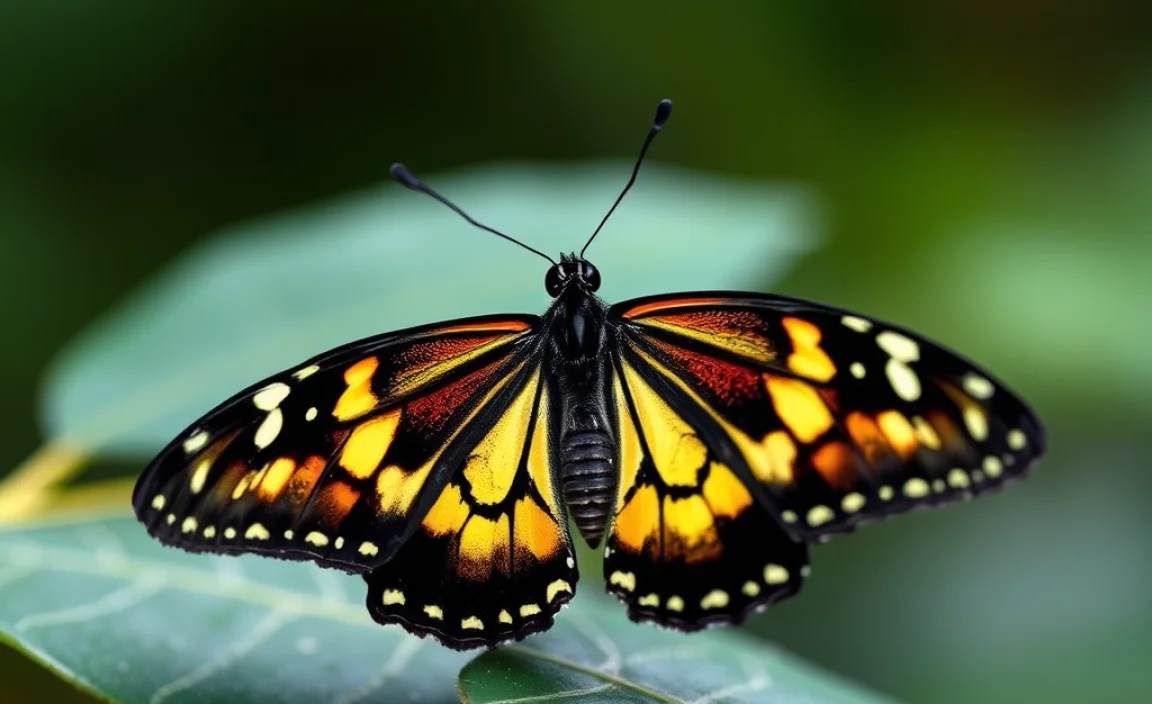
Territorial butterflies don’t roar or bite, but they have their own ways of asserting dominance. Here’s how they defend their turf:
Visual Displays
Many territorial butterflies use bright colours and patterns to signal their presence. A flash of colour can be enough to deter a rival. Some butterflies even have iridescent scales that reflect sunlight, creating a dazzling display.
Chasing and Patrolling
The most common form of territorial defence is chasing. A butterfly will fly directly at an intruder, attempting to drive it away. Sometimes, this involves a short, rapid flight, while other times, it can turn into an extended aerial battle. Patroling involves a butterfly flying a set route through its territory, visually inspecting for intruders.
Perching and Guarding
Some butterflies choose a prominent perch and simply wait for intruders to appear. From this vantage point, they can survey their territory and quickly respond to any threats. The perch itself becomes a symbol of their ownership.
Aerial Combat
When visual displays and chasing aren’t enough, butterflies may engage in aerial combat. This involves two butterflies flying at each other, attempting to knock each other off course. While these battles rarely result in serious injury, they can be quite dramatic to watch.
Creating a Butterfly-Friendly Garden That Respects Territorial Needs

If you want to attract butterflies to your garden, it’s important to understand their territorial needs. Here are some tips for creating a butterfly-friendly space that respects their natural behaviours:
Provide Plenty of Sunlight
Most territorial butterflies prefer sunny locations. Make sure your garden has plenty of open, sunny areas where butterflies can bask and warm their wings. Aim for at least six hours of direct sunlight per day.
Tip: South-facing slopes are ideal for butterflies because they receive the most sunlight.
Plant a Variety of Nectar Sources
A diverse selection of flowering plants will provide a constant supply of nectar for butterflies. Choose plants that bloom at different times of the year to ensure a continuous food source. Some great nectar plants include:
- Butterfly Bush (Buddleja davidii)
- Zinnia (Zinnia elegans)
- Lantana (Lantana camara)
- Salvia (Salvia spp.)
- Aster (Aster spp.)
Tip: Plant nectar sources in clusters to make them easier for butterflies to find.
Include Host Plants for Caterpillars
Don’t forget about the caterpillars! Plant the specific host plants that your local butterfly species need to lay their eggs on. Some popular host plants include:
- Milkweed (Asclepias spp.) for Monarchs
- Willow (Salix spp.) for Viceroys
- Spicebush (Lindera benzoin) for Spicebush Swallowtails
- Dill (Anethum graveolens) for Black Swallowtails
Tip: Leave some host plants untouched by pesticides to provide a safe haven for caterpillars.
Offer Puddling Sites
Butterflies need water and minerals, which they often obtain from puddling sites. Create a puddling site by filling a shallow dish with sand or gravel and keeping it consistently moist. You can also add a pinch of sea salt or wood ash to provide additional minerals.
Tip: Place your puddling site in a sunny location to attract more butterflies.
Respect Personal Space
If you notice a butterfly consistently defending a particular area, try to avoid disturbing it. Give it the space it needs to carry out its territorial behaviour. After all, you’re a guest in its garden!
Tip: Observe butterfly behaviour from a distance to avoid disrupting their natural activities.
Avoid Pesticides
Pesticides can be harmful to butterflies and other beneficial insects. Avoid using pesticides in your garden, or choose organic options that are less toxic. Encouraging natural predators like birds and ladybugs can also help control pests.
Tip: Learn about integrated pest management (IPM) techniques to control pests without harming butterflies.
Observing Territorial Behaviour: A Guide for Butterfly Watchers

One of the most rewarding aspects of butterfly gardening is observing their behaviour. Here are some tips for watching territorial butterflies in action:
Find a Good Vantage Point
Choose a spot where you can see a wide area of your garden without disturbing the butterflies. A comfortable chair or bench is ideal.
Be Patient
Butterfly behaviour can be subtle and unpredictable. Be patient and allow yourself plenty of time to observe. It may take a while to see a territorial dispute unfold.
Look for Perches
Pay attention to where butterflies are perching. Territorial males often choose prominent perches from which they can survey their territory.
Watch for Chasing
Keep an eye out for butterflies chasing each other. This is a clear sign of territorial behaviour.
Listen for Wing Sounds
Sometimes, you can hear the sound of butterfly wings as they engage in aerial combat. This can be a useful clue when observing in dense vegetation.
Take Notes
Record your observations in a notebook. Note the species of butterfly, the location of the territory, the type of behaviour you observed, and any other relevant details. This will help you learn more about butterfly behaviour and track changes in your garden over time.
Photograph and Video
Capture photos and videos of territorial butterflies in action. This can be a great way to document your observations and share them with others.
The Ecological Importance of Territoriality
Territorial behaviour in butterflies isn’t just a fascinating quirk; it plays an important role in their ecology. By securing access to resources and mating opportunities, territorial butterflies contribute to the overall health and stability of their populations. Additionally, territoriality can influence the distribution of butterflies across a landscape, shaping the structure of butterfly communities.
Understanding the ecological significance of territoriality can help us better appreciate the complexity of butterfly behaviour and the importance of conserving their habitats. When we protect butterfly habitats, we’re not just protecting individual butterflies; we’re protecting the intricate web of interactions that support entire ecosystems. You can learn more about general butterfly habitats and conservation from organizations like the Xerces Society.
The Future of Territorial Butterflies in a Changing World
As our planet faces increasing environmental challenges, the future of territorial butterflies is uncertain. Habitat loss, climate change, and pesticide use all pose significant threats to butterfly populations. Understanding how these factors affect territorial behaviour is crucial for developing effective conservation strategies.
For example, habitat fragmentation can reduce the size and quality of butterfly territories, leading to increased competition and decreased reproductive success. Climate change can alter the timing of butterfly life cycles, disrupting the availability of nectar sources and host plants. Pesticide use can directly harm butterflies and their caterpillars, reducing their ability to defend their territories.
Table: Threats to Territorial Butterflies
| Threat | Impact on Territorial Behaviour |
|---|---|
| Habitat Loss | Reduces territory size and quality, increases competition |
| Climate Change | Disrupts life cycles, alters resource availability |
| Pesticide Use | Harms butterflies and caterpillars, reduces defense capabilities |
By addressing these threats, we can help ensure that future generations of butterfly enthusiasts will have the opportunity to witness the fascinating behaviour of territorial butterflies in their natural habitats.
Frequently Asked Questions (FAQs)
Why are some butterflies territorial?
Butterflies become territorial to protect valuable resources like sunlight, nectar, host plants, and mating opportunities. By defending their chosen area, they increase their chances of survival and reproduction.
Which butterflies are most likely to be territorial?
Common territorial butterflies include Red Admirals, Viceroys, and various Hairstreak species. Males are typically the ones defending territories.
How do butterflies defend their territory?
Butterflies use visual displays (bright colors), chasing, perching, and sometimes aerial combat to defend their territory from intruders.
How can I create a butterfly-friendly garden that respects territorial needs?
Provide plenty of sunlight, plant a variety of nectar sources and host plants, offer puddling sites, respect personal space, and avoid pesticides to support territorial butterflies.
Is territorial behavior important for butterflies?
Yes, territoriality plays a crucial role in butterfly ecology by ensuring access to resources, promoting reproductive success, and influencing their distribution across landscapes.
How does climate change affect territorial butterflies?
Climate change can disrupt butterfly life cycles, alter the availability of nectar sources and host plants, and affect their ability to defend their territories.
What can I do to help protect territorial butterflies?
Support habitat conservation, reduce pesticide use, combat climate change, and educate others about the importance of butterfly conservation.
Conclusion: A World of Tiny Defenders
The world of butterflies is full of surprises, and the territorial behaviour of some species is a testament to their resilience and determination. By understanding why and how butterflies defend their territories, we can gain a deeper appreciation for these fascinating creatures and the complex ecosystems they inhabit. You can learn even more through resources like the Smithsonian Institution’s butterfly exhibit.
Whether you’re a seasoned butterfly enthusiast or just starting to explore the natural world, I hope this article has inspired you to take a closer look at the butterflies in your garden and beyond. By creating butterfly-friendly habitats and supporting conservation efforts, we can help ensure that these tiny defenders continue to thrive for generations to come.


