
Julia Heliconian Butterfly: Ultimate Guide to Beauty

The Julia Heliconian butterfly, with its bright orange wings and graceful flight, is a true gem of the butterfly world. This fascinating creature is known for its long lifespan, unique feeding habits, and captivating beauty. In this guide, we’ll explore everything you need to know about the Julia butterfly, from its appearance and habitat to its behavior and conservation status.
Have you ever been mesmerized by a flash of orange flitting through your garden? Chances are, you’ve caught a glimpse of the Julia Heliconian butterfly. These vibrant butterflies are a joy to observe, but understanding their needs and habits can be a bit tricky. Don’t worry, though! This guide will walk you through everything you need to know about the Julia, from identifying them to creating a butterfly-friendly habitat where they can thrive. Get ready to unlock the secrets of this beautiful butterfly!
Identifying the Julia Heliconian Butterfly
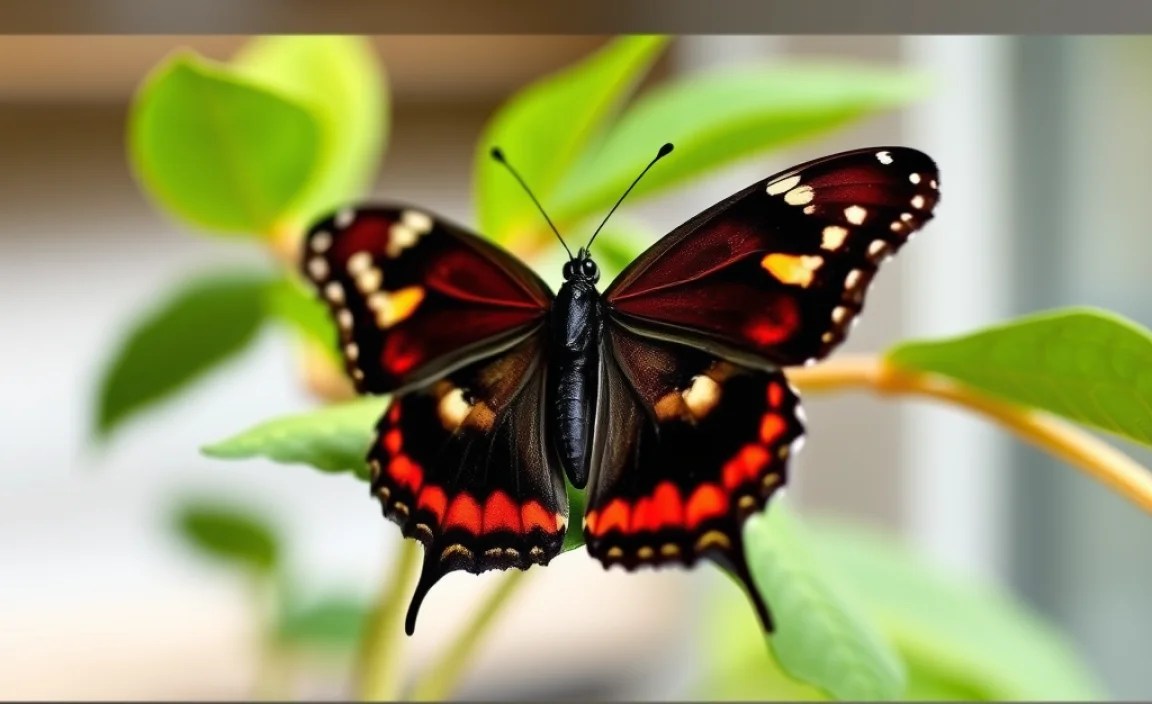
The Julia Heliconian (Dryas iulia) is a striking butterfly that’s relatively easy to identify. Here’s what to look for:
Key Identification Features
- Color: The most distinctive feature is its bright orange wings. The shade can vary slightly, but it’s generally a vibrant, eye-catching orange.
- Shape: The wings are long and slender, giving it an elegant appearance in flight.
- Size: They typically have a wingspan of about 3 to 3.5 inches (7.6 to 8.9 cm).
- Markings: Look closely, and you might see small black spots or lines on the wings, though these are usually minimal.
- Sexual Dimorphism: Males and females look very similar, but the males are usually brighter orange.
Distinguishing Julia Heliconians from Similar Butterflies
While the Julia Heliconian is quite distinctive, it can sometimes be confused with other orange butterflies. Here’s how to tell them apart:
- Gulf Fritillary (Agraulis vanillae): Gulf Fritillaries are also orange, but they have more elongated wings and distinctive silver spots on the underside.
- Monarch (Danaus plexippus): Monarchs are larger and have prominent black veins and borders on their wings.
- Viceroy (Limenitis archippus): Viceroys mimic Monarchs but have a black line across the hindwing.
Here’s a quick reference table to help you distinguish between these butterflies:
| Butterfly | Color | Wing Shape | Key Markings |
|---|---|---|---|
| Julia Heliconian | Bright Orange | Long and Slender | Minimal black spots |
| Gulf Fritillary | Orange | Elongated | Silver spots underneath |
| Monarch | Orange | Triangular | Black veins and borders |
| Viceroy | Orange | Triangular | Black line on hindwing |
Habitat and Distribution
Understanding where Julia Heliconians live can help you find them and create suitable habitats in your own backyard.
Geographic Range
Julia Heliconians are found throughout the warmer regions of the Americas. Their range extends from:
- Southern United States (including Florida, Texas, and California)
- Central America
- South America (as far south as Argentina)
Preferred Habitats
These butterflies thrive in a variety of warm, humid environments. Look for them in:
- Tropical and subtropical forests
- Open woodlands
- Gardens and parks
- Roadsides and disturbed areas
Ideal Environmental Conditions
Julia Heliconians prefer:
- Warm temperatures (ideally between 70-85°F or 21-29°C)
- High humidity
- Plenty of sunlight and shelter from strong winds
Life Cycle of the Julia Heliconian

The life cycle of the Julia Heliconian is a fascinating process of transformation. Understanding each stage can help you support these butterflies in your garden.
Egg Stage
- Appearance: The eggs are small, yellow, and spindle-shaped.
- Location: Females typically lay their eggs singly on the new growth of passionflower vines (Passiflora species), which are the host plants for the caterpillars.
- Duration: The eggs usually hatch in about 3-5 days.
Larval (Caterpillar) Stage
- Appearance: The caterpillars are orange with black spots and spines. They have a distinctive appearance that helps them deter predators.
- Feeding: Caterpillars feed exclusively on the leaves of passionflower vines.
- Growth: They go through several molts (instars) as they grow, shedding their skin to accommodate their increasing size.
- Duration: The larval stage lasts about 2-3 weeks.
Pupal (Chrysalis) Stage
- Appearance: The chrysalis is brown and resembles a dead leaf, providing excellent camouflage.
- Location: The caterpillar will find a sheltered spot to pupate, often hanging from a stem or leaf of the host plant or nearby vegetation.
- Duration: The pupal stage lasts about 1-2 weeks.
Adult Stage
- Emergence: The adult butterfly emerges from the chrysalis, unfolds its wings, and dries them before flying off.
- Lifespan: Julia Heliconians are known for their relatively long lifespan as adults, living for several months. This is partly due to their unique ability to feed on pollen, which provides them with extra nutrients.
- Reproduction: Adult butterflies mate and the females lay eggs, continuing the cycle.
Here’s a table summarizing the life cycle stages:
| Stage | Appearance | Duration | Key Features |
|---|---|---|---|
| Egg | Small, yellow, spindle-shaped | 3-5 days | Laid on passionflower vines |
| Larva (Caterpillar) | Orange with black spots and spines | 2-3 weeks | Feeds on passionflower leaves |
| Pupa (Chrysalis) | Brown, resembles a dead leaf | 1-2 weeks | Camouflaged for protection |
| Adult | Bright orange wings | Several months | Feeds on nectar and pollen |
Behavior and Diet

Understanding the behavior and diet of Julia Heliconians can help you appreciate their unique adaptations and provide them with the resources they need.
Feeding Habits
- Nectar: Like most butterflies, Julia Heliconians feed on nectar from flowers. They have a long proboscis (a straw-like tongue) that they use to sip nectar from deep within flowers.
- Pollen: Uniquely, Julia Heliconians also feed on pollen. They collect pollen grains and digest them, extracting amino acids that are essential for protein production and longevity. This pollen-feeding behavior is rare among butterflies and contributes to their long lifespan.
Preferred Nectar Sources
Some of their favorite nectar sources include:
- Lantana
- Pentas
- Salvia
- Zinnia
- Butterfly Bush (Buddleja davidii)
Daily Activities
- Diurnal: Julia Heliconians are active during the day, especially in sunny conditions.
- Flight: They have a graceful, fluttering flight pattern.
- Roosting: At night, they often roost in groups on branches or under leaves.
Social Behavior
- Gregarious Roosting: Julia Heliconians are known to roost together in groups, sometimes forming small colonies. This behavior may provide protection from predators and help them conserve heat.
Attracting Julia Heliconians to Your Garden

Creating a butterfly-friendly garden is a rewarding way to support Julia Heliconians and enjoy their beauty up close.
Planting Host Plants
The most important step is to plant passionflower vines (Passiflora species), which are the host plants for the caterpillars. Some popular species include:
- Passiflora incarnata (Purple Passionflower)
- Passiflora lutea (Yellow Passionflower)
- Passiflora caerulea (Blue Passionflower)
Providing Nectar Sources
Plant a variety of nectar-rich flowers that bloom at different times of the year to provide a continuous food supply for the adult butterflies. Consider these options:
- Lantana
- Pentas
- Salvia
- Zinnia
- Butterfly Bush (Buddleja davidii)
- Milkweed (Asclepias species)
Creating a Butterfly-Friendly Environment
- Sunlight: Butterflies need sunlight to warm their bodies and become active. Choose a sunny location for your butterfly garden.
- Shelter: Provide shelter from strong winds by planting shrubs and trees.
- Water Source: Offer a shallow dish of water with pebbles or sand for butterflies to land on and drink.
- Avoid Pesticides: Pesticides can harm or kill butterflies and caterpillars. Use organic gardening practices to protect them.
Conservation Status and Threats
While Julia Heliconians are relatively common, they still face certain threats that could impact their populations.
Current Conservation Status
Julia Heliconians are not currently listed as endangered or threatened. However, like many butterfly species, they are vulnerable to habitat loss and other environmental factors.
Threats to Julia Heliconian Populations
- Habitat Loss: The destruction of forests and other natural habitats for agriculture, development, and other human activities reduces the available habitat for Julia Heliconians and other wildlife.
- Pesticide Use: The widespread use of pesticides in agriculture and gardens can directly harm or kill butterflies and caterpillars.
- Climate Change: Changes in temperature and rainfall patterns can disrupt butterfly life cycles and alter the availability of host plants and nectar sources.
- Collection: While less of a threat than habitat loss, over-collection of butterflies for commercial or personal use can also impact populations.
Conservation Efforts
Here are some ways to help protect Julia Heliconians and other butterflies:
- Create Butterfly Gardens: Planting host plants and nectar sources in your garden can provide essential resources for butterflies.
- Support Habitat Conservation: Donate to organizations that work to protect natural habitats.
- Reduce Pesticide Use: Use organic gardening practices and avoid using pesticides that can harm butterflies.
- Educate Others: Share your knowledge and passion for butterflies with friends, family, and community members.
Julia Heliconian Butterfly FAQs
What do Julia Heliconian caterpillars eat?
Julia Heliconian caterpillars exclusively eat the leaves of passionflower vines (Passiflora species).
How long do Julia Heliconian butterflies live?
Julia Heliconian butterflies are known for their long lifespan, living for several months as adults, thanks to their ability to feed on both nectar and pollen.
Are Julia Heliconian butterflies migratory?
No, Julia Heliconian butterflies are not migratory. They typically stay within their local range.
How can I attract Julia Heliconian butterflies to my garden?
Plant passionflower vines for the caterpillars and nectar-rich flowers like lantana and salvia for the adults. Provide a sunny location with shelter from wind and a shallow dish of water.
Are Julia Heliconian butterflies poisonous?
Julia Heliconian butterflies are not poisonous, but the caterpillars ingest toxins from passionflower vines, making them unpalatable to some predators.
Where can I find Julia Heliconian butterflies?
Look for them in warm, humid environments such as tropical and subtropical forests, gardens, and parks in the southern United States, Central America, and South America.
What is the difference between a male and female Julia Heliconian butterfly?
Males are usually brighter orange, but otherwise, they look very similar.
Conclusion
The Julia Heliconian butterfly is a remarkable creature that brings beauty and wonder to our world. By understanding their life cycle, behavior, and habitat needs, we can all play a role in supporting their populations. Whether you’re planting passionflower vines in your garden, reducing pesticide use, or simply spreading awareness about these fascinating butterflies, your efforts can make a difference. So, get outside, explore nature, and marvel at the beauty of the Julia Heliconian – a true symbol of resilience and adaptation in the butterfly world. Let’s work together to ensure that future generations can enjoy the sight of these vibrant butterflies flitting through our gardens and forests.


