
Monarch Butterfly Habitat Preferences: The Ultimate Guide

Monarch butterflies need milkweed plants to lay their eggs and nectar-rich flowers for food. They also prefer sunny, sheltered spots away from strong winds and pesticides. Providing these elements in your garden or habitat will help support monarch populations.
Have you ever dreamed of seeing a monarch butterfly flutter through your garden? These beautiful creatures are more than just pretty; they’re vital pollinators. But monarch populations are declining, and they need our help. Don’t worry, creating a monarch-friendly habitat is easier than you think! We’ll walk you through everything step-by-step, from choosing the right plants to protecting them from harm. Get ready to transform your space into a monarch haven!
Understanding Monarch Butterfly Habitat Preferences

Monarch butterflies are picky eaters and nesters! To attract and support them, you need to understand their specific needs. Let’s explore what makes a perfect monarch habitat.
Milkweed: The Monarch’s Essential Host Plant
Milkweed is the cornerstone of any monarch habitat. Monarch caterpillars exclusively feed on milkweed leaves. Without milkweed, they cannot survive. Milkweed contains cardiac glycosides, which are toxic to most animals but harmless to monarchs. These toxins make the caterpillars, and later the butterflies, unpalatable to predators. There are over 100 species of milkweed, but not all are suitable for every region. Native milkweed species are always the best choice.
Choosing the Right Milkweed for Your Region
Selecting native milkweed ensures that the plants are well-adapted to your local climate and soil conditions. This also means they’ll require less maintenance and are more likely to thrive. Here’s how to find the right milkweed for your area:
- Consult local nurseries: Nursery staff can recommend milkweed species that are native to your region.
- Check with your local extension office: Your county extension office can provide information on native plants and gardening resources.
- Use online resources: The Xerces Society offers regional milkweed guides to help you choose the best species for your location.
Here are some popular native milkweed species in different regions:
| Region | Native Milkweed Species | Notes |
|---|---|---|
| Northeast | Common Milkweed (Asclepias syriaca) | Aggressive spreader, best for larger areas. |
| Southeast | Butterfly Weed (Asclepias tuberosa) | Bright orange flowers, drought-tolerant. |
| Midwest | Swamp Milkweed (Asclepias incarnata) | Prefers moist soil, pink flowers. |
| Southwest | Antelope Horns Milkweed (Asclepias asperula) | Unique horn-shaped pods, drought-tolerant. |
| West Coast | Showy Milkweed (Asclepias speciosa) | Large, fragrant flowers, attracts many pollinators. |
Important Note: Avoid tropical milkweed (Asclepias curassavica) in areas where monarchs don’t migrate. While it’s easy to grow, it can harbor a parasite called Ophryocystis elektroscirrha (OE) that weakens monarchs. If you do grow tropical milkweed, cut it back to the ground in the fall and winter to prevent OE buildup.
Nectar Sources: Fueling the Monarch’s Journey
Adult monarch butterflies need nectar for energy to fly, mate, and migrate. Planting a variety of nectar-rich flowers that bloom throughout the growing season is crucial. Choose flowers with different shapes and sizes to accommodate the monarch’s proboscis (feeding tube). Native flowers are best, as they are adapted to local conditions and provide the most nutritious nectar.
Top Nectar Plants for Monarchs
Here’s a list of excellent nectar sources for monarchs, categorized by bloom time:
- Early Spring:
- Dandelion (Taraxacum officinale)
- Pussy Willow (Salix discolor)
- Spring Azure (Celastrina ladon)
- Summer:
- Purple Coneflower (Echinacea purpurea)
- Black-Eyed Susan (Rudbeckia hirta)
- Zinnia (Zinnia elegans)
- Bee Balm (Monarda spp.)
- Liatris (Liatris spp.)
- Fall:
- Asters (Symphyotrichum spp.)
- Goldenrod (Solidago spp.)
- Joe-Pye Weed (Eutrochium purpureum)
- Ironweed (Vernonia spp.)
Planting a mix of these flowers will provide a continuous supply of nectar for monarchs throughout their life cycle. Aim for a variety of colors and flower shapes to attract the most butterflies.
Sunlight and Shelter: Creating a Comfortable Environment
Monarchs are cold-blooded and need sunlight to warm their bodies. They also need shelter from strong winds and rain. A good monarch habitat should have sunny open areas for basking and dense vegetation for protection.
Providing the Right Conditions
Here are some tips for creating a comfortable environment for monarchs:
- Choose a sunny location: Plant your milkweed and nectar plants in an area that receives at least six hours of sunlight per day.
- Provide windbreaks: Plant shrubs or trees on the windward side of your garden to protect butterflies from strong winds.
- Offer shelter from rain: Dense vegetation, such as shrubs and tall grasses, can provide shelter from heavy rain.
- Add a water source: Butterflies need water to stay hydrated. A shallow dish of water with pebbles for them to land on is perfect.
Avoiding Pesticides: Protecting Monarchs from Harm
Pesticides can be deadly to monarch butterflies and other beneficial insects. Even organic pesticides can be harmful. Avoid using pesticides in your garden, especially near milkweed and nectar plants.
Safe Pest Control Practices
Here are some safe and effective pest control methods:
- Handpicking: Remove pests by hand and dispose of them properly.
- Water spray: Blast aphids and other small pests off plants with a strong stream of water.
- Insecticidal soap: Use insecticidal soap to control aphids, spider mites, and other soft-bodied insects.
- Beneficial insects: Introduce beneficial insects, such as ladybugs and lacewings, to control pests naturally.
- Row covers: Cover plants with row covers to protect them from pests.
By avoiding pesticides and using safe pest control practices, you can create a healthy and thriving habitat for monarch butterflies.
Step-by-Step Guide to Creating a Monarch Habitat
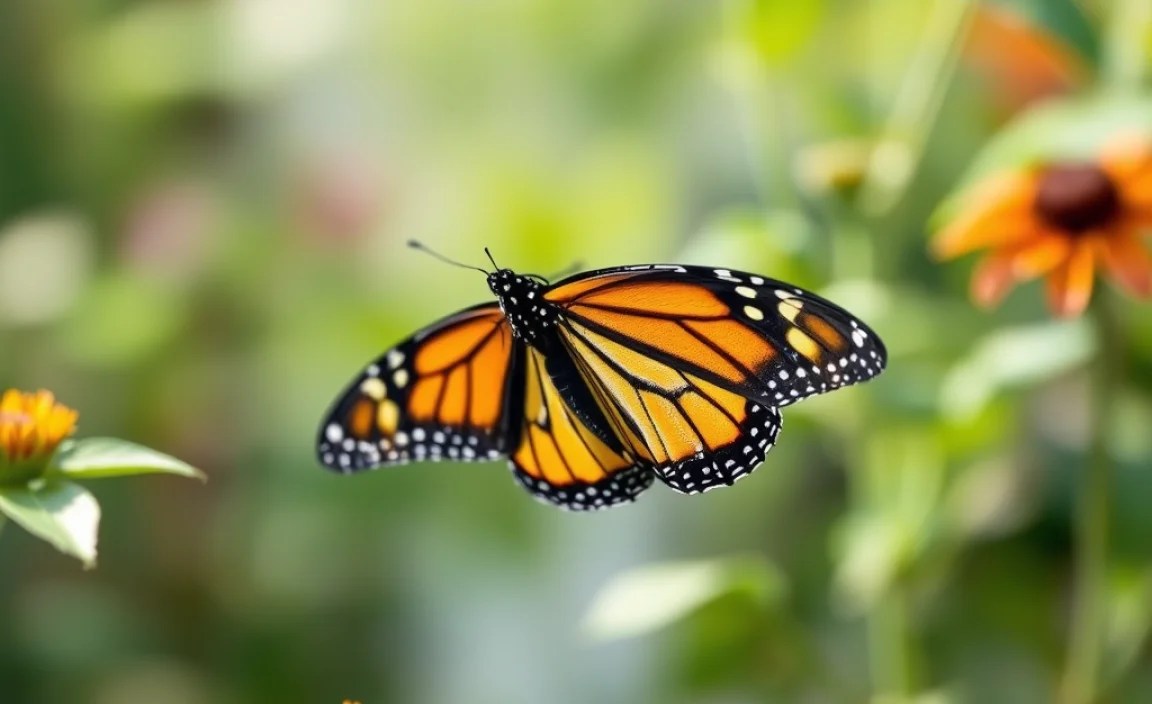
Ready to create your own monarch paradise? Follow these simple steps to transform your space into a butterfly haven.
Step 1: Planning Your Habitat
Before you start planting, take some time to plan your habitat. Consider the following factors:
- Available space: How much space do you have for your habitat? Even a small balcony or patio can support monarchs.
- Sunlight: How much sunlight does your space receive? Choose plants that are appropriate for the amount of sunlight you have.
- Soil type: What type of soil do you have? Amend the soil as needed to provide the best growing conditions for your plants.
- Water source: Do you have a water source nearby? If not, you’ll need to provide one.
Sketch out a plan of your habitat, indicating where you’ll plant milkweed, nectar plants, and other features. This will help you visualize your design and ensure that you have enough space for everything.
Step 2: Preparing the Soil
Healthy soil is essential for healthy plants. Before planting, prepare the soil by:
- Removing weeds: Remove all weeds from the planting area.
- Loosening the soil: Use a garden fork or tiller to loosen the soil to a depth of 12 inches.
- Adding compost: Mix in compost to improve soil fertility and drainage.
- Testing the soil pH: Use a soil testing kit to check the pH level. Monarchs prefer a soil pH between 6.0 and 7.0. Amend the soil as needed to adjust the pH.
Step 3: Planting Milkweed and Nectar Plants
Now it’s time to plant your milkweed and nectar plants! Follow these tips for successful planting:
- Choose native plants: Select milkweed and nectar plants that are native to your region.
- Plant in clusters: Plant milkweed in clusters of three to five plants to provide ample food for caterpillars.
- Space plants properly: Space plants according to the instructions on the plant label.
- Water thoroughly: Water plants thoroughly after planting.
- Mulch: Add a layer of mulch around plants to conserve moisture and suppress weeds.
Step 4: Providing Water and Shelter
Monarchs need water and shelter to thrive. Provide these essential elements by:
- Adding a water source: Place a shallow dish of water with pebbles for butterflies to land on in your habitat.
- Planting windbreaks: Plant shrubs or trees on the windward side of your garden to protect butterflies from strong winds.
- Providing shelter from rain: Dense vegetation, such as shrubs and tall grasses, can provide shelter from heavy rain.
Step 5: Maintaining Your Habitat
Once your habitat is established, it’s important to maintain it properly. Follow these tips for ongoing care:
- Water regularly: Water plants regularly, especially during dry periods.
- Weed regularly: Remove weeds regularly to prevent them from competing with your plants.
- Deadhead flowers: Deadhead spent flowers to encourage more blooms.
- Monitor for pests: Monitor plants for pests and diseases, and take action as needed.
- Avoid pesticides: Never use pesticides in your habitat.
With proper care and maintenance, your monarch habitat will thrive for years to come, providing essential resources for these beautiful butterflies.
Troubleshooting Common Issues

Even with the best planning, you may encounter some challenges when creating a monarch habitat. Here are some common issues and how to address them.
Issue: Milkweed is Being Eaten by Other Insects
While monarch caterpillars are the primary consumers of milkweed, other insects may also feed on the plants. Aphids, spider mites, and milkweed bugs are common pests that can damage milkweed. Here’s how to deal with them:
- Aphids: Spray plants with a strong stream of water or use insecticidal soap.
- Spider mites: Spray plants with insecticidal soap or neem oil.
- Milkweed bugs: Handpick the bugs and dispose of them properly.
Issue: Monarchs Aren’t Laying Eggs on Your Milkweed
If you’ve planted milkweed but aren’t seeing any monarch eggs, there could be several reasons:
- Milkweed is too small: Monarchs prefer to lay eggs on larger, more established milkweed plants.
- Milkweed is in the wrong location: Make sure your milkweed is planted in a sunny location.
- Milkweed is treated with pesticides: Even trace amounts of pesticides can deter monarchs from laying eggs.
- Monarchs haven’t arrived yet: Monarchs migrate at different times depending on the region. Check with your local extension office to find out when monarchs are expected to arrive in your area.
Issue: Caterpillars are Disappearing
If you’ve seen monarch caterpillars on your milkweed but they’ve suddenly disappeared, it could be due to predation. Birds, spiders, and other insects prey on monarch caterpillars. Here’s how to protect them:
- Provide shelter: Plant dense vegetation around your milkweed to provide hiding places for caterpillars.
- Use netting: Cover your milkweed plants with netting to protect caterpillars from predators.
Issue: Monarchs Aren’t Visiting Your Nectar Plants
If you’ve planted nectar plants but aren’t seeing any monarchs visiting them, consider these factors:
- Nectar plants aren’t blooming: Make sure your nectar plants are in bloom when monarchs are present in your area.
- Nectar plants are in the wrong location: Monarchs prefer to visit nectar plants in sunny locations.
- Nectar plants are not attractive to monarchs: Choose nectar plants with bright colors and simple flower shapes.
Frequently Asked Questions
Let’s tackle some common questions about creating monarch habitats.
Q: How much space do I need to create a monarch habitat?
A: You don’t need a lot of space! Even a small balcony or patio can be transformed into a monarch habitat. The key is to focus on providing milkweed and nectar plants in a sunny location.
Q: What if I don’t have a yard?
A: No problem! You can grow milkweed and nectar plants in containers on a balcony, patio, or even indoors near a sunny window. Choose dwarf varieties of milkweed and nectar plants that are well-suited for container gardening.
Q: How can I tell if my milkweed is treated with pesticides?
A: It’s best to purchase milkweed from reputable nurseries that don’t use pesticides. Ask the nursery staff about their pest control practices. Avoid purchasing milkweed from big box stores, as it may have been treated with systemic pesticides.
Q: What do monarch caterpillars eat?
A: Monarch caterpillars exclusively eat milkweed leaves. They cannot survive without milkweed. Make sure to plant plenty of milkweed in your habitat to provide ample food for caterpillars.
Q: How long does it take for a monarch caterpillar to turn into a butterfly?
A: It takes about two weeks for a monarch caterpillar to transform into a butterfly. The caterpillar goes through five stages, called instars, before forming a chrysalis. Inside the chrysalis, the caterpillar undergoes metamorphosis, transforming into a butterfly.
Q: How can I attract more monarchs to my habitat?
A: Plant a variety of nectar-rich flowers that bloom throughout the growing season. Provide a water source, such as a shallow dish of water with pebbles. Avoid using pesticides in your habitat. Share your success with others and encourage them to create their own monarch habitats!
Q: Where do Monarch Butterflies go in the winter?
A: Monarch butterflies east of the Rocky Mountains migrate to the oyamel fir forests in the mountains of central Mexico. Those west of the Rocky Mountains overwinter in various locations along the California coast.
Conclusion
Creating a monarch butterfly habitat is a rewarding experience that benefits both you and these magnificent creatures. By providing milkweed, nectar plants, water, and shelter, you can help support monarch populations and enjoy the beauty of butterflies in your own backyard. Remember, even small actions can make a big difference. So, get started today and transform your space into a monarch paradise! Every effort, no matter how small, contributes to the survival of these incredible pollinators. Happy gardening!


