Nocturnal Butterfly Behavior: The Ultimate Guide

Quick Summary: While most butterflies are active during the day, some species, like certain skippers and moths that mimic butterflies, exhibit nocturnal behavior. This includes flying and feeding at night. Nocturnal butterflies use their senses of smell and night vision to navigate and find food sources in the dark. Understanding this behavior helps us appreciate the diversity of the butterfly world and the unique adaptations that allow these creatures to thrive.
Have you ever wondered if butterflies only flutter around during the day? It’s a common assumption, but the world of butterflies is full of surprises! While most butterflies are indeed diurnal (active during the day), a fascinating few take to the night. This can be confusing, especially when you spot a butterfly-like creature flitting about after sunset. But don’t worry! We’re here to shed some light on the nocturnal butterfly behavior and unravel the mysteries of these nighttime fliers. Together, we’ll explore which butterflies are active at night, how they manage in the dark, and why they’ve adopted this unique lifestyle.
Understanding Nocturnal Butterfly Behavior
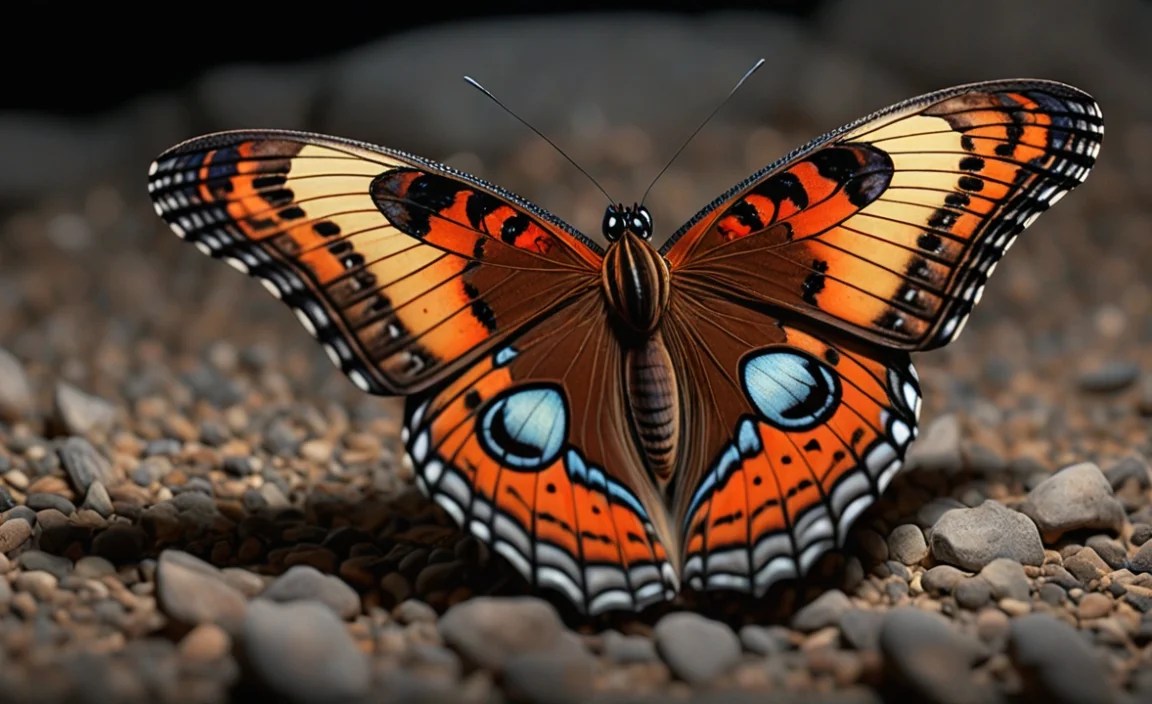
Many people associate butterflies with sunny meadows and bright daylight. After all, most butterflies are diurnal, meaning they are active during the day. However, nature is full of exceptions, and some butterfly species have adapted to a nocturnal lifestyle. These nighttime butterflies exhibit unique behaviors and adaptations that allow them to thrive in the dark.
Are There Truly Nocturnal Butterflies?
Yes, there are indeed butterflies that are active at night. However, it’s important to note that “true” nocturnal butterflies are relatively rare. More often, what people observe are actually moths that closely resemble butterflies. These moths, such as certain species of skippers, are often mistaken for butterflies due to their similar appearance and flight patterns.
Key Differences Between Butterflies and Moths
To understand nocturnal butterfly behavior, it’s helpful to distinguish between butterflies and moths. Here are some key differences:
| Characteristic | Butterflies | Moths |
|---|---|---|
| Antennae | Thin, club-shaped | Feathery or comb-like |
| Body | Slender, smooth | Plump, hairy |
| Wings | Held upright when at rest | Held flat against the body when at rest |
| Activity | Mostly diurnal | Mostly nocturnal |
| Pupal Stage | Forms a chrysalis (hard, smooth casing) | Forms a cocoon (silk covering) |
While these differences are generally true, there are exceptions. Some moths fly during the day, and some butterflies are more active during twilight hours. Pay close attention to the antennae and wing position to help distinguish between the two.
Characteristics of Nocturnal Butterflies and Moths

Nocturnal butterflies and moths share several characteristics that enable them to navigate and survive in the dark. These adaptations are crucial for finding food, avoiding predators, and reproducing.
Enhanced Senses
One of the most important adaptations for nocturnal butterflies and moths is their enhanced senses. Since vision is limited in the dark, they rely more heavily on their sense of smell and, in some cases, specialized night vision.
- Sense of Smell: Many nocturnal moths have highly sensitive antennae that can detect pheromones (chemical signals) released by potential mates from great distances. This is essential for reproduction.
- Night Vision: Some nocturnal species have evolved eyes that are more sensitive to low light levels. This allows them to see better in the dark than their diurnal counterparts.
Camouflage and Defense Mechanisms
To avoid predators such as bats and owls, nocturnal butterflies and moths often employ camouflage and other defense mechanisms.
- Camouflage: Many species have dull-colored wings that blend in with tree bark or foliage, making them difficult to spot.
- Startle Displays: Some moths have bright patterns on their hindwings that are hidden when at rest. If disturbed, they will flash these patterns to startle predators, giving them a chance to escape.
- Toxicity: Certain moths are toxic to predators due to the plants they consume as caterpillars. These moths often have bright colors to warn predators of their toxicity.
Feeding Habits
Nocturnal butterflies and moths feed on a variety of food sources, including nectar, tree sap, and rotting fruit. Their feeding habits are closely tied to the availability of these resources at night.
- Nectar: Many nocturnal moths feed on the nectar of night-blooming flowers. These flowers often have a strong fragrance to attract pollinators in the dark.
- Tree Sap: Some species feed on tree sap, which is a source of sugar and other nutrients.
- Rotting Fruit: Certain moths are attracted to rotting fruit, which provides a source of energy-rich carbohydrates.
Examples of Nocturnal Butterfly-Like Creatures

While “true” nocturnal butterflies are rare, several moths exhibit behaviors and characteristics that make them appear like butterflies active at night. Here are a few examples:
Skippers (Hesperiidae)
Skippers are a family of butterflies that have characteristics of both butterflies and moths. Some skippers are more active during twilight hours and can be mistaken for nocturnal butterflies. They have stout bodies and hooked antennae, and they often fly with a rapid, darting motion.
Luna Moth (Actias luna)
The Luna Moth is a large, spectacular moth with pale green wings and long tails. It is strictly nocturnal and relies on its feathery antennae to detect pheromones released by females. Luna Moths are attracted to lights and can often be found near porch lights or streetlights at night.
Hummingbird Clearwing Moth (Hemaris thysanus)
While technically a moth, the Hummingbird Clearwing is often mistaken for a hummingbird or a butterfly due to its daytime activity and clear wings. However, it can also be active during twilight hours. It hovers in front of flowers to sip nectar, much like a hummingbird.
Attracting Nocturnal Butterflies and Moths to Your Garden
If you’re interested in observing nocturnal butterflies and moths, you can create a garden that attracts them. Here are some tips:
Plant Night-Blooming Flowers
Night-blooming flowers are a magnet for nocturnal pollinators. Some excellent choices include:
- Moonflower (Ipomoea alba): A fragrant, white flower that opens in the evening.
- Evening Primrose (Oenothera biennis): A yellow flower that blooms at night and attracts moths.
- Night-blooming Jasmine (Cestrum nocturnum): A highly fragrant shrub with small, white flowers.
- Four O’Clocks (Mirabilis jalapa): These flowers open in the late afternoon and stay open all night, offering a burst of color and fragrance.
Provide a Water Source
Like all living creatures, butterflies and moths need water. Provide a shallow dish of water with pebbles or marbles for them to land on while drinking. This helps prevent them from drowning.
Reduce Light Pollution
Excessive light pollution can disrupt the behavior of nocturnal insects. Use shielded outdoor lights that direct light downwards and avoid leaving lights on all night. Red or yellow lights are less attractive to insects than white or blue lights.
Avoid Pesticides
Pesticides can be harmful to butterflies and moths, as well as other beneficial insects. Avoid using pesticides in your garden, or choose organic options that are less toxic.
Create a Shelter
Provide a sheltered area in your garden where butterflies and moths can rest during the day. This could be a dense shrub, a pile of leaves, or a butterfly house.
The Importance of Nocturnal Pollinators
Nocturnal butterflies and moths play a crucial role in pollination, particularly for night-blooming plants. Their activity ensures that these plants can reproduce, contributing to the overall health and biodiversity of ecosystems.
Pollination Process
As nocturnal moths feed on nectar, they transfer pollen from one flower to another. This process is essential for the fertilization of plants and the production of seeds and fruits. Some plants are exclusively pollinated by nocturnal moths, making these pollinators vital for their survival.
Ecological Impact
The decline of nocturnal pollinator populations can have significant ecological consequences. It can lead to reduced seed production in native plants, which can affect the food supply for other animals. Protecting nocturnal pollinators is essential for maintaining healthy ecosystems.
Conservation Efforts
Like many other insect populations, nocturnal butterflies and moths face numerous threats, including habitat loss, pesticide use, and climate change. Conservation efforts are needed to protect these important pollinators and their habitats.
Habitat Preservation
Protecting and restoring natural habitats is crucial for the survival of nocturnal butterflies and moths. This includes preserving forests, meadows, and wetlands, as well as creating butterfly-friendly gardens and green spaces in urban areas. Organizations like the Xerces Society work to protect invertebrates and their habitats through conservation initiatives and advocacy.
Sustainable Practices
Adopting sustainable practices in agriculture and gardening can help reduce the negative impacts of human activities on nocturnal pollinators. This includes using organic farming methods, reducing pesticide use, and planting native vegetation.
Citizen Science
Citizen science projects allow volunteers to contribute to scientific research by collecting data on butterfly and moth populations. This information can be used to track population trends, assess the impacts of environmental changes, and inform conservation strategies. Consider participating in a local butterfly count or moth monitoring program.
Observing Nocturnal Butterflies and Moths
Observing nocturnal butterflies and moths can be a rewarding experience. Here are some tips for spotting these elusive creatures:
Night Hikes
Take a night hike in a natural area with a flashlight or headlamp. Look for moths resting on tree trunks or feeding on flowers. Be sure to move slowly and quietly to avoid disturbing them.
Light Traps
Set up a light trap in your garden or backyard. A light trap consists of a white sheet draped over a clothesline or branch, with a bright light shining on it. Moths are attracted to the light and will land on the sheet, allowing you to observe them up close. Remember to turn off the light when you’re done to avoid disrupting their natural behavior.
Blacklighting
Blacklighting is a technique that uses ultraviolet (UV) light to attract moths. You can purchase a UV light and set it up in your garden or backyard. Moths are highly attracted to UV light and will congregate around it, providing an excellent opportunity for observation.
Photography
Photographing nocturnal butterflies and moths can be challenging, but it’s a great way to document your observations. Use a flash or a macro lens to capture detailed images of these fascinating creatures. Be careful not to disturb them while taking photos.
Nocturnal Butterfly Behavior: FAQs
Here are some frequently asked questions about nocturnal butterfly behavior:
Are all butterflies active during the day?
No, most butterflies are diurnal (active during the day), but some species, especially certain skippers, can be active during twilight or even at night.
What do nocturnal butterflies eat?
Nocturnal butterflies and moths feed on nectar from night-blooming flowers, tree sap, and rotting fruit. They are attracted to these food sources by their strong fragrances.
How do nocturnal butterflies find mates in the dark?
Nocturnal butterflies and moths rely on their sense of smell to find mates. They release pheromones (chemical signals) that can be detected by potential partners from great distances.
How can I attract nocturnal butterflies to my garden?
To attract nocturnal butterflies and moths, plant night-blooming flowers, provide a water source, reduce light pollution, and avoid using pesticides in your garden.
What is the difference between a butterfly and a moth?
Butterflies typically have thin, club-shaped antennae and hold their wings upright when at rest, while moths have feathery or comb-like antennae and hold their wings flat against their bodies. Butterflies are mostly diurnal, while moths are mostly nocturnal.
Are nocturnal butterflies harmful to my garden?
No, nocturnal butterflies and moths are generally not harmful to gardens. In fact, they can be beneficial pollinators, helping to fertilize night-blooming plants.
Where can I learn more about nocturnal butterflies and moths?
You can learn more about nocturnal butterflies and moths from books, websites, and local nature centers. Organizations like the Xerces Society and the National Wildlife Federation also offer valuable information on insect conservation.
Conclusion
Exploring the nocturnal butterfly behavior opens up a whole new dimension of appreciation for these incredible insects. While “true” nocturnal butterflies are rare, the moths that mimic them offer a fascinating glimpse into the adaptations and behaviors that allow them to thrive in the dark. By understanding their unique characteristics, creating butterfly-friendly gardens, and supporting conservation efforts, we can help protect these important pollinators and ensure that future generations can enjoy their beauty and ecological contributions. So, the next time you’re out at night, keep an eye out for these elusive creatures – you might just spot a nocturnal “butterfly” flitting through the darkness, adding a touch of magic to the night.