
Butterfly with Transparent Wings: Awe-Inspiring Beauty

The glasswing butterfly (Greta oto) is famous for its unique transparent wings. These delicate wings aren’t actually clear glass, but lack the colorful scales found on most butterflies. This transparency is created by special nanostructures that minimize light reflection, helping the butterfly camouflage in its rainforest habitat.
Have you ever dreamed of seeing a butterfly with wings so clear, they seem to disappear? It sounds like something from a fairy tale, but the glasswing butterfly is very real! These amazing insects have captured the imagination of nature lovers worldwide. Many people find themselves wondering how these butterflies developed this fascinating adaptation and where they can be found. Luckily, understanding the glasswing butterfly and its unique features isn’t as difficult as you might think. Let’s explore the world of these beautiful creatures together!
What Makes Glasswing Butterflies Special?

The glasswing butterfly, scientifically known as Greta oto, is a member of the nymphalid butterfly family. It’s mainly found in Central and South America, from Mexico to Panama and Colombia. What truly sets them apart is, of course, their wings. These wings are mostly transparent, with a thin, dark border that makes them even more noticeable.
The Science Behind the Transparency
The transparency of the glasswing butterfly’s wings is a marvel of nature. Unlike most butterflies, whose wings are covered in colorful scales, the glasswing has very few. The scales that are present are colorless and nano-structured. This arrangement allows light to pass through the wings with minimal reflection. This adaptation provides excellent camouflage, allowing the butterfly to blend seamlessly into its environment. According to research published in the Journal of the Royal Society Interface, these nanostructures are crucial for reducing glare and reflection, enhancing their camouflage.
Here’s a simple breakdown:
- Typical Butterfly Wings: Covered in many colorful scales that reflect light.
- Glasswing Butterfly Wings: Few scales, with nanostructures that minimize light reflection.
- Result: Near-invisibility, making it harder for predators to spot them.
Habitat and Distribution
Glasswing butterflies primarily inhabit the humid rainforests of Central and South America. These environments provide the ideal conditions for their survival. They thrive in shaded areas with plenty of flowering plants, which serve as food sources for both the adults and their caterpillars.
Key regions include:
- Mexico
- Panama
- Colombia
- Ecuador
- Venezuela
Identifying Glasswing Butterflies
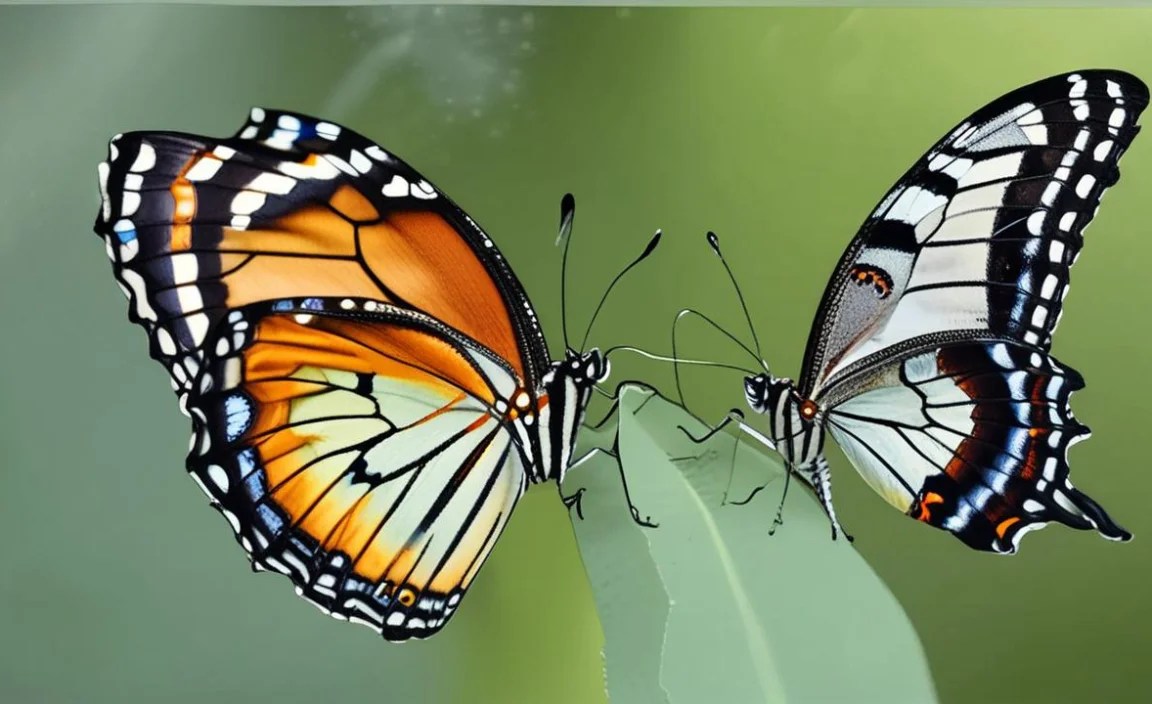
Identifying a glasswing butterfly is relatively straightforward, thanks to its unique wing structure. However, there are a few key characteristics to keep in mind to avoid confusing it with other butterfly species.
Key Physical Characteristics
Here’s what to look for:
- Transparent Wings: This is the most obvious feature. The wings are almost entirely see-through.
- Dark Borders: A thin, dark brown or black border outlines the wings, providing a contrast that highlights the transparency.
- Body Size: Glasswings are medium-sized butterflies, with a wingspan typically ranging from 2.2 to 2.4 inches (5.6 to 6.1 cm).
- Color Variations: Some glasswings may have slight color variations in the opaque parts of their wings, such as reddish or orange hues.
Comparing to Similar Species
While the transparent wings make glasswings distinctive, some other butterfly species might cause confusion. Here’s how to differentiate them:
- Other Clearwing Butterflies: Some other butterflies have partially clear wings, but the Greta oto is unique in its extent of transparency and distinct dark borders.
- Moths: Some moths have transparent patches on their wings, but they generally have a different body shape and antennae structure compared to butterflies.
Life Cycle of the Glasswing Butterfly

The life cycle of the glasswing butterfly is fascinating, involving several stages of transformation. Understanding these stages provides valuable insight into their biology and behavior.
Egg Stage
The life cycle begins with the egg. Female glasswing butterflies lay their eggs on host plants, typically of the genus Cestrum. These plants are toxic, and the caterpillars ingest these toxins, which then make them unpalatable to predators. The eggs are small, round, and often laid in clusters.
Larval Stage (Caterpillar)
Once the eggs hatch, the larval stage begins. The caterpillars are distinctive, with long, colorful spines that serve as a defense mechanism. They feed voraciously on their host plants, accumulating toxins that protect them from predators. The bright colors also serve as a warning signal to potential predators.
Pupal Stage (Chrysalis)
After several molts, the caterpillar enters the pupal stage, forming a chrysalis. The chrysalis is a delicate, often metallic-looking structure. Inside, the caterpillar undergoes a complete transformation, reorganizing its tissues to form the adult butterfly. This stage typically lasts about two weeks.
Adult Stage
Finally, the adult butterfly emerges from the chrysalis. The wings are initially crumpled but quickly expand and harden. Adult glasswing butterflies feed on nectar from various flowering plants. They are relatively long-lived compared to other butterflies, with a lifespan of several weeks to months.
| Stage | Description | Duration |
|---|---|---|
| Egg | Small, round eggs laid on host plants. | 3-5 days |
| Larva (Caterpillar) | Spiny, colorful caterpillar that feeds on toxic host plants. | 2-3 weeks |
| Pupa (Chrysalis) | Metallic-looking chrysalis where transformation occurs. | 10-14 days |
| Adult | Butterfly with transparent wings and dark borders. | Several weeks to months |
Diet and Feeding Habits

Understanding the diet and feeding habits of glasswing butterflies is crucial for supporting their populations. Both the caterpillars and adult butterflies have specific food requirements.
Caterpillar Diet
Glasswing caterpillars primarily feed on plants of the genus Cestrum, also known as jessamine or nightshade. These plants contain toxic compounds that the caterpillars sequester, making them unpalatable to predators. This is a critical survival strategy for the larvae.
Adult Butterfly Diet
Adult glasswing butterflies feed on nectar from a variety of flowering plants. They have a long proboscis, which allows them to reach nectar deep inside flowers. They also obtain essential nutrients from the nectar of plants like Lantana and other tropical flowers.
Behavior and Ecology
Glasswing butterflies exhibit unique behaviors and play an essential role in their ecosystem. Their behavior is closely tied to their transparent wings and the need to avoid predation.
Camouflage and Predator Avoidance
The primary function of the glasswing butterfly’s transparent wings is camouflage. By blending into their surroundings, they can avoid detection by predators such as birds and lizards. This adaptation is particularly effective in the dappled light of the rainforest understory.
Mating and Reproduction
During mating season, male glasswing butterflies gather in leks, which are communal display areas. They perform elaborate courtship displays to attract females. These displays often involve fluttering their wings and releasing pheromones. Once a female selects a mate, they pair off and reproduce.
Ecological Role
Glasswing butterflies play a vital role in their ecosystem as pollinators. As they feed on nectar, they transfer pollen from one flower to another, facilitating plant reproduction. They also serve as a food source for various predators, contributing to the food web.
Attracting Glasswing Butterflies to Your Garden
While glasswing butterflies are native to Central and South America, you can create a garden that mimics their natural habitat, attracting other butterfly species and supporting local biodiversity.
Choosing the Right Plants
To attract butterflies to your garden, it’s essential to plant the right types of flowers and host plants. Here are some suggestions:
- Nectar Plants: Plant a variety of flowering plants that provide nectar. Good choices include lantana, pentas, and salvia.
- Host Plants: If you live in an area where Cestrum plants can grow, consider planting them to support the caterpillars.
- Native Plants: Prioritize native plants, as they are best adapted to your local climate and provide the most benefits to local wildlife.
Creating a Butterfly-Friendly Habitat
In addition to planting the right plants, you can create a butterfly-friendly habitat by providing:
- Sunlight: Butterflies need sunlight to warm their bodies and fly. Choose a sunny location for your garden.
- Shelter: Provide shelter from wind and rain with shrubs and trees.
- Water: Offer a shallow dish of water with pebbles for butterflies to land on and drink.
- No Pesticides: Avoid using pesticides, as they can harm or kill butterflies and other beneficial insects.
Conservation Status and Threats
While glasswing butterflies are not currently listed as endangered, they face several threats that could impact their populations in the future.
Habitat Loss
The primary threat to glasswing butterflies is habitat loss. Deforestation for agriculture, logging, and urbanization destroys their rainforest habitat. This reduces the availability of host plants and nectar sources, making it difficult for them to survive.
Climate Change
Climate change also poses a significant threat. Changes in temperature and rainfall patterns can disrupt their life cycle and alter the availability of food resources. Extreme weather events, such as hurricanes and droughts, can further impact their populations.
Conservation Efforts
To protect glasswing butterflies, it’s essential to conserve their rainforest habitat. This can be achieved through:
- Protected Areas: Establishing and maintaining protected areas, such as national parks and reserves.
- Sustainable Agriculture: Promoting sustainable agricultural practices that minimize deforestation and pesticide use.
- Community Involvement: Engaging local communities in conservation efforts, providing them with economic incentives to protect their forests.
Cultural Significance
Glasswing butterflies have captured the human imagination for centuries. Their unique appearance has made them symbols in various cultures.
Symbolism and Mythology
In some cultures, glasswing butterflies symbolize transformation, adaptability, and resilience. Their transparent wings are seen as a metaphor for clarity and seeing through illusions. They are often associated with the spirit world and are believed to carry messages from beyond.
Art and Literature
Glasswing butterflies have inspired artists and writers around the world. They appear in paintings, sculptures, and literature, often representing beauty, fragility, and the ephemeral nature of life. Their delicate wings and ethereal appearance make them a popular subject for artistic expression.
Frequently Asked Questions (FAQs)
What do glasswing butterfly caterpillars eat?
Glasswing butterfly caterpillars primarily eat plants of the genus Cestrum, also known as jessamine or nightshade. These plants contain toxic compounds that the caterpillars consume, which then make them unpalatable to predators.
Where can I find glasswing butterflies?
Glasswing butterflies are mainly found in the rainforests of Central and South America, from Mexico to Panama and Colombia. They prefer humid, shaded areas with plenty of flowering plants.
How do glasswing butterflies protect themselves from predators?
Glasswing butterflies primarily rely on camouflage to avoid predators. Their transparent wings allow them to blend into their surroundings, making them difficult to spot. The caterpillars also consume toxic plants, which make them unpalatable to predators.
Are glasswing butterflies endangered?
Glasswing butterflies are not currently listed as endangered, but they face threats such as habitat loss and climate change, which could impact their populations in the future.
Can I attract glasswing butterflies to my garden?
While glasswing butterflies are native to Central and South America, you can create a garden that mimics their natural habitat by planting nectar-rich flowers and providing a source of water and shelter. This will also attract other butterfly species.
What is the lifespan of a glasswing butterfly?
Adult glasswing butterflies typically live for several weeks to months, depending on environmental conditions and the availability of food resources. Their lifespan is relatively long compared to other butterfly species.
Why are the wings of the glasswing butterfly transparent?
The transparency of the glasswing butterfly’s wings is due to the lack of colorful scales found on most butterflies. Instead, their wings have nanostructures that minimize light reflection, allowing light to pass through and creating a near-invisible effect.
Conclusion
The glasswing butterfly is a true marvel of nature, showcasing the incredible adaptations that allow species to thrive in diverse environments. From their transparent wings to their fascinating life cycle, these butterflies offer valuable insights into the intricacies of the natural world. By understanding their habitat, diet, and behavior, we can take steps to protect these delicate creatures and ensure their survival for generations to come. Whether you’re a seasoned naturalist, a budding gardener, or simply a lover of beauty, the glasswing butterfly offers a captivating glimpse into the wonders of nature. So, next time you find yourself exploring a rainforest or tending to your garden, keep an eye out for these enchanting butterflies and remember the importance of preserving their fragile world.


