
Monarch Butterfly Metamorphosis Stages: The Ultimate Guide

Monarch butterfly metamorphosis is a fascinating transformation! It involves four main stages: egg, larva (caterpillar), pupa (chrysalis), and adult butterfly. Each stage has a specific role, from the caterpillar’s eating and growing phase to the chrysalis’s complete structural change, ultimately resulting in a beautiful monarch butterfly ready to reproduce and continue its incredible journey.
Have you ever wondered how a tiny egg turns into a magnificent monarch butterfly? It’s a journey of incredible change! Many find the process of metamorphosis a little mysterious, but it’s actually a beautifully orchestrated series of stages. Understanding these stages allows us to appreciate the wonder of nature and the delicate balance of our ecosystems.
In this article, we’ll explore each stage of the monarch butterfly’s life cycle, providing you with a clear understanding of this natural wonder. Get ready to discover the amazing transformation from a tiny egg to a stunning butterfly!
Frequently Asked Questions (FAQs)
What is metamorphosis?
Metamorphosis is a biological process where an animal undergoes a significant physical transformation after birth or hatching. In the case of monarch butterflies, it involves four distinct stages: egg, larva (caterpillar), pupa (chrysalis), and adult.
How long does the entire metamorphosis process take for a monarch butterfly?
The entire process, from egg to adult butterfly, takes about a month. The egg stage lasts a few days, the larva stage about two weeks, the pupa stage around ten days, and the adult butterfly lives for about two to six weeks, depending on the generation.
What do monarch caterpillars eat?
Monarch caterpillars exclusively eat milkweed leaves. Milkweed is essential for their survival, as it contains compounds that make the caterpillars poisonous to predators.
What happens inside the chrysalis?
Inside the chrysalis, the caterpillar undergoes a complete transformation. Its tissues break down and reorganize to form the structures of the adult butterfly, such as wings, legs, and antennae.
How can I help monarch butterflies?
You can help monarch butterflies by planting milkweed in your garden, avoiding the use of pesticides, and supporting organizations that work to protect monarch habitats.
Why are monarch butterflies important?
Monarch butterflies are important pollinators, contributing to the health of ecosystems and agriculture. They also serve as an indicator species, meaning their health reflects the overall health of the environment.
Do monarch butterflies migrate?
Yes, monarch butterflies are famous for their long-distance migration. Eastern monarch populations migrate from Canada and the United States to Mexico, while western populations migrate to California.
Monarch Butterfly Metamorphosis: A Step-by-Step Guide
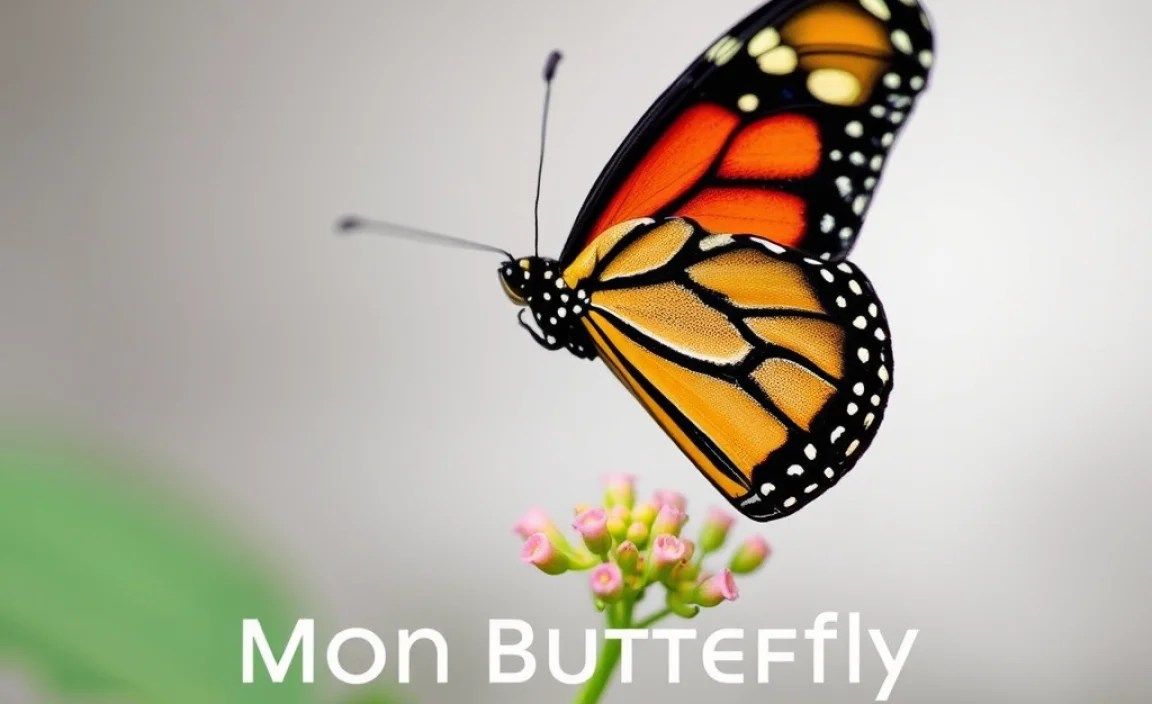
The monarch butterfly’s life cycle is a remarkable example of metamorphosis, a process of dramatic transformation. Each stage is crucial for the survival and propagation of these iconic insects. Let’s explore each stage in detail.
Stage 1: The Egg
The monarch butterfly’s life begins as a tiny egg, usually laid on the underside of a milkweed leaf. Milkweed is crucial because it serves as the sole food source for the monarch caterpillar. The mother butterfly carefully selects milkweed plants that are healthy and can sustain her offspring.
Characteristics of the Egg Stage:
- Appearance: The eggs are small, creamy white or pale yellow, and oval-shaped. They are about the size of a pinhead.
- Location: Typically laid on the underside of milkweed leaves, but sometimes found on stems or flowers.
- Duration: The egg stage lasts approximately 3 to 5 days, depending on the temperature.
The egg is a marvel of nature, containing all the genetic information needed to create a monarch caterpillar. The shell of the egg, called the chorion, protects the developing embryo from the environment.
Stage 2: The Larva (Caterpillar)
Once the egg hatches, the larva, or caterpillar, emerges. This is the growth phase of the monarch’s life cycle. The primary task of the caterpillar is to eat and grow as quickly as possible.
Characteristics of the Larva Stage:
- Appearance: The caterpillar has distinctive black, yellow, and white stripes. It has three pairs of true legs and five pairs of prolegs, which help it grip onto milkweed leaves.
- Eating Habits: Monarch caterpillars are voracious eaters, consuming milkweed leaves almost constantly.
- Growth and Molting: As the caterpillar grows, it sheds its skin in a process called molting. This happens five times during the larval stage. Each stage between molts is called an instar.
- Duration: The larva stage lasts approximately 2 weeks.
The caterpillar’s life is all about eating and growing. Milkweed is not only their food source but also their defense mechanism. Milkweed contains cardiac glycosides, which are toxic to many animals. The caterpillar stores these toxins in its body, making it unpalatable to predators. This is why monarch caterpillars and butterflies have bright colors – to warn predators of their toxicity.
Here’s a breakdown of the five instars:
- First Instar: The newly hatched caterpillar is small and pale. It eats its eggshell for nourishment before starting on milkweed leaves.
- Second Instar: The caterpillar grows larger, and its stripes become more defined.
- Third Instar: The caterpillar’s appetite increases, and it continues to grow rapidly.
- Fourth Instar: The caterpillar develops small black antennae and continues to eat and grow.
- Fifth Instar: This is the final larval stage. The caterpillar becomes very large and may travel away from the milkweed plant to find a safe place to pupate.
Stage 3: The Pupa (Chrysalis)
After the fifth instar, the caterpillar enters the pupa stage. It finds a safe place, usually on a stem or leaf, and hangs upside down in a J-shape. The caterpillar then sheds its skin one last time, revealing a green chrysalis.
Characteristics of the Pupa Stage:
- Appearance: The chrysalis is a smooth, green case with small gold dots. It is translucent, allowing you to see the developing butterfly inside as it matures.
- Process: Inside the chrysalis, the caterpillar undergoes a complete transformation. Its tissues break down, and specialized cells called imaginal discs begin to form the structures of the adult butterfly.
- Duration: The pupa stage lasts approximately 10 to 14 days.
The pupa stage is a period of intense change. The caterpillar’s body is essentially disassembled and rebuilt into a butterfly. This process requires a lot of energy and is carefully orchestrated by hormones and genetic signals.
Here’s a table summarizing the key developments during the pupa stage:
| Day | Development |
|---|---|
| Day 1-3 | The chrysalis is bright green and soft. The caterpillar’s tissues begin to break down. |
| Day 4-7 | The shape of the butterfly begins to become visible through the chrysalis. The wings start to form. |
| Day 8-10 | The chrysalis becomes more transparent. The orange and black colors of the butterfly’s wings become visible. |
| Day 11-14 | The chrysalis turns dark and clear. The butterfly is ready to emerge. |
Stage 4: The Adult Butterfly
Finally, the chrysalis splits open, and the adult monarch butterfly emerges. The butterfly’s wings are soft and crumpled at first. It pumps hemolymph (insect blood) into the veins of its wings to expand them. Once the wings are fully expanded and dry, the butterfly is ready to fly.
Characteristics of the Adult Butterfly Stage:
- Appearance: The adult monarch butterfly has bright orange wings with black veins and a black border. The wingspan is typically 3 to 4 inches.
- Reproduction: Adult butterflies reproduce and lay eggs, continuing the life cycle.
- Migration: Monarch butterflies are famous for their long-distance migration. Eastern monarch populations migrate from Canada and the United States to Mexico, while western populations migrate to California.
- Duration: The adult butterfly lives for about two to six weeks, depending on the generation. The generation that migrates can live for up to eight or nine months.
The adult butterfly’s primary tasks are to reproduce and continue the cycle. They feed on nectar from flowers, which provides them with the energy they need to fly and reproduce. Monarch butterflies are important pollinators, contributing to the health of ecosystems and agriculture.
Here’s a table summarizing the entire metamorphosis process:
| Stage | Duration | Key Characteristics |
|---|---|---|
| Egg | 3-5 days | Small, creamy white or pale yellow, oval-shaped |
| Larva (Caterpillar) | 2 weeks | Black, yellow, and white stripes; voracious eater of milkweed |
| Pupa (Chrysalis) | 10-14 days | Smooth, green case with gold dots; internal transformation |
| Adult Butterfly | 2-6 weeks (migratory generation up to 8-9 months) | Bright orange wings with black veins and border; reproduces and migrates |
Supporting Monarch Butterflies
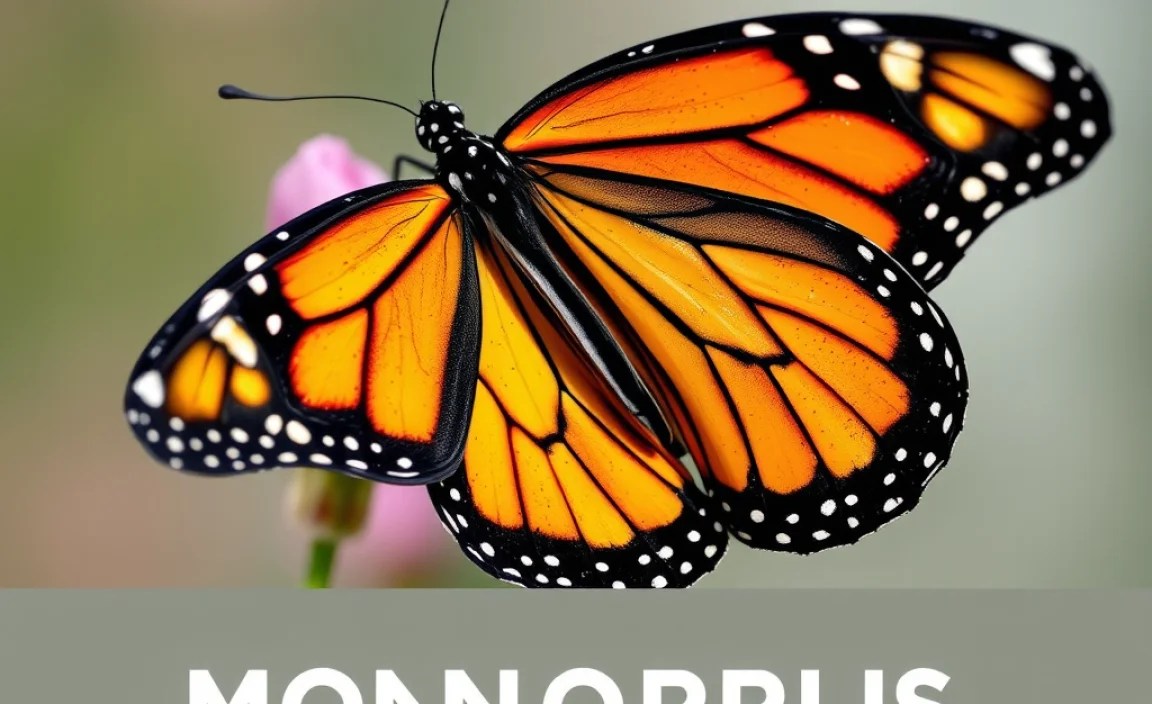
Monarch butterfly populations have declined in recent years due to habitat loss, pesticide use, and climate change. There are several things you can do to help support these beautiful creatures.
Plant Milkweed
Milkweed is essential for monarch caterpillars. Plant native milkweed species in your garden to provide them with a food source. Common milkweed (Asclepias syriaca), butterfly weed (Asclepias tuberosa), and swamp milkweed (Asclepias incarnata) are good choices. You can find native milkweed species suitable for your region through local nurseries or conservation organizations.
Provide Nectar Sources
Adult monarch butterflies need nectar for energy. Plant a variety of nectar-rich flowers that bloom throughout the growing season. Some good choices include zinnias, coneflowers, asters, and goldenrod. According to the U.S. Forest Service, planting native wildflowers can significantly aid pollinators, including monarch butterflies.
Avoid Pesticides
Pesticides can harm or kill monarch butterflies. Avoid using pesticides in your garden, especially those that are toxic to insects. If you must use pesticides, choose organic options and apply them carefully, avoiding milkweed and nectar plants.
Create a Butterfly Garden
Create a butterfly garden by planting milkweed and nectar flowers in a sunny location with shelter from the wind. Provide a shallow dish of water with pebbles for butterflies to drink from. A butterfly garden provides a habitat for monarchs and other pollinators.
Support Conservation Organizations
Support organizations that work to protect monarch butterflies and their habitats. The World Wildlife Fund (WWF) and the Xerces Society are two organizations that are actively involved in monarch conservation. These organizations conduct research, restore habitats, and advocate for policies that protect monarch butterflies.
The Monarch’s Incredible Migration

One of the most fascinating aspects of monarch butterflies is their incredible migration. Every year, millions of monarch butterflies migrate thousands of miles from Canada and the United States to Mexico and California. This migration is one of the most spectacular natural events in the world.
Eastern Monarch Migration
Eastern monarch butterflies migrate from eastern Canada and the United States to the oyamel fir forests in the mountains of central Mexico. They travel up to 3,000 miles to reach their overwintering grounds. The monarchs form large colonies in the oyamel fir forests, where they stay until spring.
Western Monarch Migration
Western monarch butterflies migrate from western Canada and the United States to the California coast. They overwinter in groves of eucalyptus and pine trees. The monarch populations in California have declined dramatically in recent years, making conservation efforts even more critical.
Challenges of Migration
Monarch migration is a challenging journey. The butterflies face many threats, including habitat loss, pesticide use, and climate change. They also have to navigate long distances and find suitable food and shelter along the way.
How to Help Migrating Monarchs
You can help migrating monarchs by planting milkweed and nectar flowers along their migratory routes. Create a butterfly garden and avoid using pesticides. Support organizations that work to protect monarch habitats. By taking these steps, you can help ensure that monarch butterflies continue to migrate for generations to come.
The Symbolism of the Monarch Butterfly

Monarch butterflies have long been symbols of transformation, hope, and resilience. Their incredible metamorphosis and long-distance migration have captured the imagination of people around the world.
Transformation and Rebirth
The monarch butterfly’s metamorphosis is a powerful symbol of transformation and rebirth. The caterpillar’s complete transformation into a butterfly represents the potential for change and growth in our own lives. Just as the caterpillar sheds its old skin to reveal a new form, we too can shed our old habits and beliefs to become our best selves.
Hope and Resilience
The monarch butterfly’s long-distance migration is a testament to its resilience and determination. Despite facing many challenges, the butterflies continue to migrate year after year. This symbolizes hope and the ability to overcome obstacles. The monarch’s journey reminds us that even when things seem difficult, we can persevere and reach our goals.
Beauty and Freedom
The monarch butterfly’s beauty and grace are a reminder of the importance of appreciating the natural world. Their freedom to fly and explore symbolizes the importance of pursuing our dreams and living life to the fullest. The monarch butterfly inspires us to embrace our own unique beauty and to live with joy and passion.
Conclusion
The monarch butterfly’s metamorphosis is a truly remarkable process. From the tiny egg to the magnificent adult butterfly, each stage is a testament to the wonders of nature. By understanding the stages of metamorphosis and the challenges that monarch butterflies face, we can take action to support their conservation.
Planting milkweed and nectar flowers, avoiding pesticides, and supporting conservation organizations are all ways to help monarch butterflies thrive. As we protect these beautiful creatures, we also protect the health of our ecosystems and the beauty of our planet. Let’s all do our part to ensure that monarch butterflies continue to grace our world for generations to come. By understanding and appreciating their life cycle, we can foster a deeper connection with nature and inspire others to join in the effort to protect these iconic butterflies.


