
Monarch Butterfly Conservation Status: Shocking Update!

Quick Summary: The monarch butterfly’s conservation status is complex. While the International Union for Conservation of Nature (IUCN) recently listed the migratory population as Endangered, this reflects the severe decline over the last two decades. In the United States, the monarch is a candidate for listing under the Endangered Species Act, but currently, it is not listed. Ongoing conservation efforts are crucial to secure their future.
Have you ever felt a pang of sadness seeing fewer monarch butterflies fluttering around your garden? You’re not alone. Many nature lovers are concerned about the fate of these beautiful creatures. Understanding their conservation status can be confusing, but it’s the first step in helping them. Let’s explore the current status of monarch butterflies and how we can make a difference. We’ll break down the scientific classifications, look at the threats they face, and most importantly, discover how you can contribute to their survival. Ready to jump in?
Understanding the Monarch Butterfly’s Conservation Status
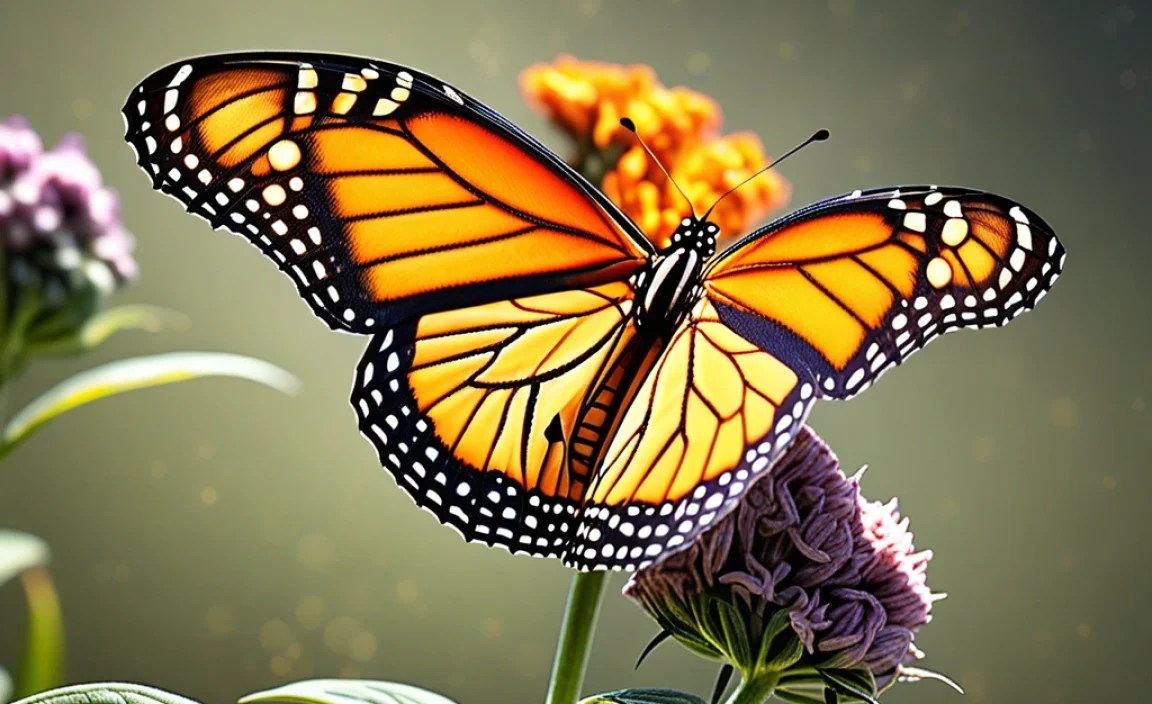
Determining the conservation status of a species involves careful evaluation by scientific organizations. These groups assess population sizes, habitat health, and the threats facing the species. Different organizations may come to different conclusions based on their specific criteria and the geographic scope of their assessment. This can lead to a somewhat complex, but ultimately more complete, picture of the species’ overall well-being.
Global Status: IUCN Red List
The International Union for Conservation of Nature (IUCN) is a global authority on the conservation status of species. In July 2022, the IUCN Red List assessed the migratory monarch butterfly (Danaus plexippus plexippus) and listed it as Endangered. This designation reflects a significant population decline, estimated to be between 22% and 72% over the past decade, depending on the population being measured.
The IUCN uses specific criteria to determine a species’ risk of extinction, considering factors like:
- Population size
- Rate of decline
- Geographic range
- Habitat quality
The “Endangered” status means that the monarch butterfly faces a very high risk of extinction in the wild.
North American Status: US and Canada
In North America, the conservation status of the monarch butterfly is handled differently by each country.
United States
In the United States, the U.S. Fish and Wildlife Service (USFWS) is responsible for determining whether a species should be listed under the Endangered Species Act (ESA). The ESA provides legal protection to species that are in danger of extinction throughout all or a significant portion of their range.
Currently, the monarch butterfly is a candidate species for listing under the ESA. This means that the USFWS has determined that listing may be warranted, but other species with higher priority are being considered first. The USFWS reviews the monarch’s status annually and will make a final decision on whether to list it as threatened or endangered.
Canada
In Canada, the monarch butterfly is listed as Endangered under the Species at Risk Act (SARA). This provides legal protection for the monarch and its critical habitat in Canada.
Mexico
Mexico plays a crucial role in monarch conservation, as it is the overwintering location for the eastern migratory population. The Mexican government has established biosphere reserves to protect the oyamel fir forests where monarchs congregate during the winter months. These reserves are essential for the survival of the species. The Mexican government also actively combats illegal logging within the reserves, although challenges remain.
Why Are Monarch Butterflies Declining?

Several factors contribute to the decline of monarch butterfly populations. Understanding these threats is essential for developing effective conservation strategies.
Habitat Loss
Habitat loss is one of the most significant threats to monarch butterflies. This includes the loss of breeding habitat in the United States and Canada, as well as the degradation of overwintering habitat in Mexico.
- Loss of Milkweed: Milkweed is the only plant that monarch caterpillars can eat. The widespread use of herbicides in agriculture and the conversion of grasslands to cropland have significantly reduced milkweed availability in the monarch’s breeding range.
- Deforestation in Mexico: Illegal logging in the oyamel fir forests of Mexico, where monarchs overwinter, reduces the protective canopy that shields them from extreme weather conditions.
Climate Change
Climate change poses a growing threat to monarch butterflies. Extreme weather events, such as droughts, heat waves, and severe storms, can disrupt monarch migration and breeding patterns. Changes in temperature and precipitation can also affect the availability of milkweed and nectar sources.
Pesticide Use
Pesticides, particularly neonicotinoids, can harm monarch butterflies directly or indirectly. Neonicotinoids are systemic insecticides that can be absorbed by plants, including milkweed. When monarch caterpillars feed on contaminated milkweed, they can be poisoned.
Disease
Monarch butterflies are susceptible to several diseases, including a protozoan parasite called Ophryocystis elektroscirrha (OE). OE spores accumulate on monarch butterflies and can weaken them, reduce their lifespan, and decrease their reproductive success. The risk of OE infection is higher in areas where monarchs breed year-round, such as in the southern United States.
What Can You Do to Help Monarch Butterflies?

While the challenges facing monarch butterflies are significant, there are many actions that individuals, communities, and organizations can take to help them. Every effort, no matter how small, can contribute to their conservation.
Plant Milkweed
Planting milkweed is one of the most effective ways to support monarch butterflies. Milkweed is the only food source for monarch caterpillars, so providing them with ample milkweed is essential for their survival.
- Choose Native Milkweed Species: Select milkweed species that are native to your region. Native milkweeds are best adapted to local conditions and are more likely to support monarch caterpillars.
- Avoid Milkweed Treated with Pesticides: Purchase milkweed plants from reputable nurseries that do not use pesticides.
- Plant Milkweed in Sunny Locations: Milkweed grows best in full sun.
Create a Butterfly Garden
In addition to milkweed, monarch butterflies need nectar sources for energy. Planting a variety of nectar-rich flowers that bloom throughout the growing season can provide them with the food they need to fuel their migration and reproduction.
- Choose Native Nectar Plants: Select nectar plants that are native to your region. Native plants are more attractive to butterflies and other pollinators.
- Plant Flowers in Clusters: Plant flowers in clusters to make it easier for butterflies to find them.
- Provide a Water Source: Butterflies need water to stay hydrated. Provide a shallow dish of water with pebbles or marbles for them to land on.
Reduce Pesticide Use
Reducing or eliminating pesticide use in your yard and garden can help protect monarch butterflies and other pollinators. Consider using organic gardening practices instead of synthetic pesticides.
- Use Natural Pest Control Methods: Encourage beneficial insects, such as ladybugs and lacewings, to control pests in your garden.
- Handpick Pests: Remove pests from your plants by hand.
- Use Insecticidal Soap or Horticultural Oil: If you need to use a pesticide, choose insecticidal soap or horticultural oil, which are less harmful to beneficial insects.
Support Conservation Organizations
Many organizations are working to protect monarch butterflies and their habitat. Supporting these organizations through donations or volunteer work can help them continue their important work.
Here are a few organizations that are dedicated to monarch butterfly conservation:
- World Wildlife Fund (WWF)
- Monarch Joint Venture
- The Xerces Society
- National Wildlife Federation (NWF)
Participate in Citizen Science Projects
Citizen science projects allow volunteers to collect data that can be used to track monarch butterfly populations and monitor their habitat. Participating in these projects can help scientists better understand monarch butterfly ecology and develop more effective conservation strategies.
Here are a few citizen science projects that focus on monarch butterflies:
- Journey North
- Monarch Watch
- Western Monarch Milkweed Mapper
Advocate for Monarch Conservation
You can advocate for monarch butterfly conservation by contacting your elected officials and urging them to support policies that protect monarch habitat and reduce pesticide use. You can also educate your friends, family, and neighbors about the importance of monarch conservation.
Monarch Butterfly Conservation Status: A Summary Table
| Organization | Conservation Status | Notes |
|---|---|---|
| IUCN Red List | Endangered | Migratory population (Danaus plexippus plexippus) |
| U.S. Fish and Wildlife Service | Candidate Species | Under review for listing under the Endangered Species Act |
| Species at Risk Act (Canada) | Endangered | Provides legal protection in Canada |
Monarch Butterfly Threats and Solutions
| Threat | Description | Solution |
|---|---|---|
| Habitat Loss | Loss of milkweed and nectar sources, deforestation | Plant milkweed and nectar plants, support habitat restoration projects |
| Climate Change | Extreme weather events, changes in temperature and precipitation | Reduce greenhouse gas emissions, support climate change mitigation efforts |
| Pesticide Use | Exposure to harmful pesticides, especially neonicotinoids | Reduce pesticide use, use organic gardening practices |
| Disease | Infection with Ophryocystis elektroscirrha (OE) | Avoid breeding monarchs in captivity, support research on OE |
FAQ About Monarch Butterfly Conservation
Are monarch butterflies endangered?
The migratory population of monarch butterflies is listed as Endangered by the IUCN. In the United States, they are a candidate for listing under the Endangered Species Act, but not yet listed.
Why are monarch butterflies declining?
Monarch butterflies are declining due to habitat loss (especially milkweed), climate change, pesticide use, and disease.
What is the IUCN Red List?
The IUCN Red List is a comprehensive inventory of the global conservation status of biological species. It uses a set of criteria to evaluate the extinction risk of thousands of species.
What does “candidate species” mean?
In the U.S., a “candidate species” is one that the U.S. Fish and Wildlife Service has determined may warrant listing under the Endangered Species Act, but is not yet listed due to other priorities.
How can I help monarch butterflies in my backyard?
You can help by planting milkweed and nectar-rich flowers, reducing pesticide use, and providing a water source.
Where do monarch butterflies overwinter?
Eastern monarch butterflies overwinter in the oyamel fir forests of central Mexico, while western monarchs overwinter along the California coast.
What is milkweed, and why is it important to monarchs?
Milkweed is the only plant that monarch caterpillars can eat. Without milkweed, monarch butterflies cannot complete their life cycle.
Conclusion
The monarch butterfly’s journey is a fragile one, facing numerous threats that have led to its Endangered status. But even though the situation is serious, it’s not hopeless. By understanding the challenges monarchs face and taking simple actions like planting milkweed, reducing pesticide use, and supporting conservation organizations, we can all play a part in their survival. Imagine future generations being able to witness the breathtaking sight of a monarch migration. It’s up to us to make that vision a reality. Let’s work together to ensure that these beautiful creatures continue to flutter across our landscapes for years to come.


