
Monarch Butterfly Migration Route: The Amazing Secret

Quick Summary: The monarch butterfly migration route is a multi-generational journey spanning thousands of miles. Eastern monarchs travel from Canada and the US to overwinter in the oyamel fir forests of central Mexico. Western monarchs migrate to the California coast. These incredible insects rely on specific habitats and nectar sources along the way, facing numerous threats during their epic journey.
Have you ever wondered how tiny monarch butterflies manage to travel thousands of miles each year? It’s one of nature’s most amazing feats! These delicate creatures embark on an epic journey from as far north as Canada to their overwintering grounds in Mexico and California. Understanding their migration route helps us appreciate their resilience and how we can help protect them.
In this article, we’ll explore the fascinating details of the monarch butterfly migration route. We’ll uncover the stages of their journey, the challenges they face, and how you can play a part in ensuring their survival. Get ready to be amazed by the incredible world of monarch migration!
Frequently Asked Questions About Monarch Migration
Let’s address some common questions about monarch butterfly migration:
Why do monarch butterflies migrate?
Monarchs migrate to escape the cold winters of North America, where freezing temperatures would kill them. They seek warmer climates to survive and reproduce.
How long does the monarch migration take?
The entire migration spans several generations. Individual monarchs complete a portion of the journey, reproduce, and their offspring continue the migration. The whole cycle takes about four to five generations to complete the round trip.
Where do monarch butterflies go during their migration?
Eastern monarchs migrate to the oyamel fir forests in the mountains of central Mexico. Western monarchs migrate to various overwintering sites along the California coast.
What do monarch butterflies eat during their migration?
Monarchs rely on nectar from various flowers along their migration route. Milkweed is crucial for the migrating generations as it is the only plant that monarch caterpillars can eat.
How can I help monarch butterflies during their migration?
You can help by planting milkweed and nectar-rich flowers in your garden, avoiding pesticide use, and supporting organizations dedicated to monarch conservation.
What are the biggest threats to monarch butterflies during migration?
Habitat loss (especially milkweed), climate change, pesticide use, and illegal logging in their overwintering grounds are the primary threats.
How do monarch butterflies navigate during migration?
Monarchs use a combination of the Earth’s magnetic field, the position of the sun, and possibly other environmental cues to navigate during their long journey.
The Eastern Monarch Migration Route: A Detailed Look

The eastern monarch butterfly migration is one of the most spectacular natural events on Earth. Millions of monarchs travel thousands of miles from their breeding grounds in Canada and the United States to their overwintering sites in the oyamel fir forests of central Mexico.
Phase 1: The Journey South
The migration begins in late summer and early fall, triggered by shorter days and cooler temperatures. This generation of monarchs, known as the “super generation” or Methuselah generation, is different from the others. They live much longer (up to eight or nine months) and are solely focused on reaching the overwintering sites.
- Departure: Monarchs leave their breeding grounds in the northern and eastern United States and Canada.
- Destination: They are headed towards the oyamel fir forests in the mountains of central Mexico.
- Timing: The migration typically begins in August and continues through October.
Key Stopover Points and Habitats
Monarchs rely on nectar sources along their route to fuel their long journey. Key stopover points include:
- Texas: A crucial area where monarchs refuel before crossing into Mexico.
- Oklahoma: Provides important nectar sources.
- Missouri: Another vital stopover for refueling.
- Illinois: Offers milkweed and nectar sources.
These stopover habitats provide the necessary energy for monarchs to continue their migration. Loss of these habitats due to urbanization and agriculture poses a significant threat. To learn more about monarch conservation efforts, visit the U.S. Fish and Wildlife Service website.
Navigational Strategies
How do these tiny butterflies find their way to the same overwintering sites year after year? Scientists believe they use a combination of methods:
- Sun Compass: Monarchs use the position of the sun to maintain their direction.
- Earth’s Magnetic Field: Research suggests monarchs can sense and use the Earth’s magnetic field to navigate.
- Innate Instinct: The super generation seems to have an innate knowledge of the migration route, passed down through generations.
Arrival in Mexico
The monarchs arrive in the oyamel fir forests of central Mexico in November. These forests, located at high altitudes, provide a unique microclimate that protects the butterflies from freezing temperatures.
- Overwintering Colonies: Monarchs cluster together in massive colonies on the branches of oyamel fir trees.
- Protection: The forest provides insulation and protection from extreme weather.
- Dormancy: During this period, monarchs remain relatively inactive, conserving energy until the spring.
Phase 2: The Return North
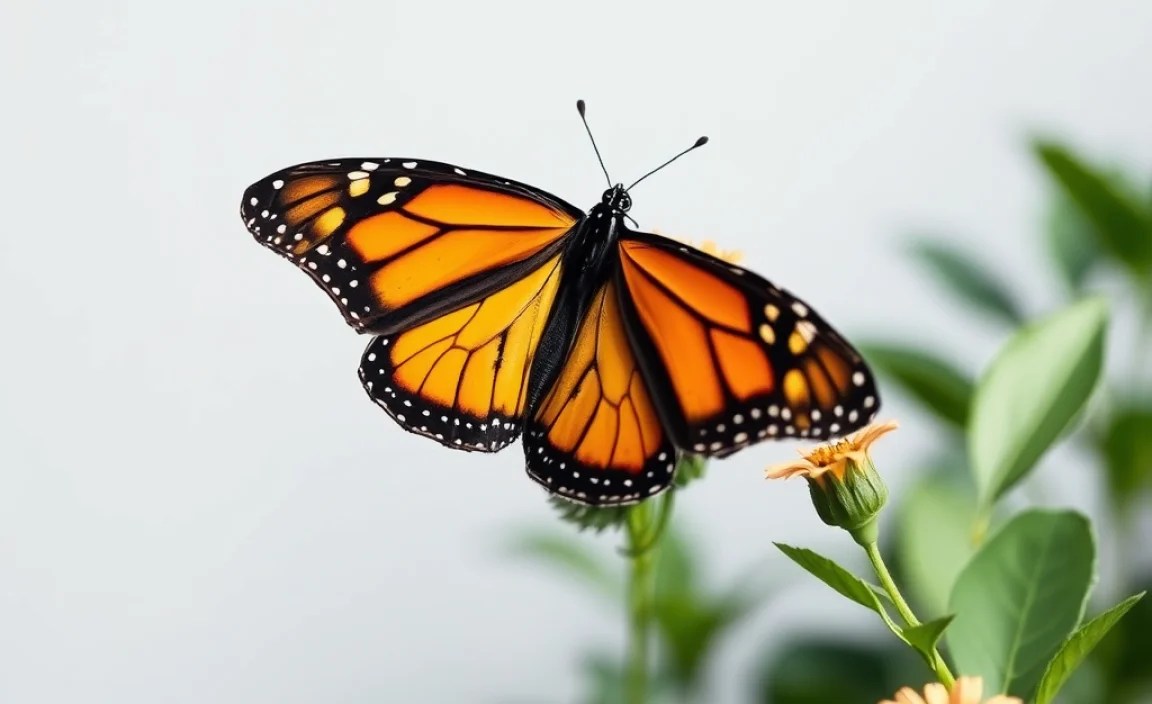
As spring approaches, the monarchs become active again. They mate and begin the journey north. This is where the multi-generational aspect of the migration becomes clear.
Departure from Mexico
In late February and March, the monarchs leave their overwintering sites. This generation, having survived the winter, starts the journey back north.
- Mating: Before leaving, monarchs mate in the overwintering colonies.
- Egg-laying: The females lay their eggs on milkweed plants as they travel north.
- Death: These original migrating monarchs eventually die after reproducing.
The First Generation
The eggs laid by the overwintering generation hatch into caterpillars, which feed exclusively on milkweed. This first generation of monarchs continues the journey north.
- Milkweed Dependence: Milkweed is essential for monarch survival, providing food for the caterpillars.
- Growth and Metamorphosis: The caterpillars grow, pupate, and emerge as adult butterflies.
- Continuing the Journey: These new adults continue flying north, laying eggs along the way.
Subsequent Generations
The migration continues through several generations, each moving further north and laying eggs. By the time monarchs reach their northern breeding grounds in Canada and the United States, it is the third or fourth generation that completes the journey.
- Multi-Generational Relay: Each generation plays a crucial role in the overall migration.
- Reaching Breeding Grounds: By summer, monarchs have repopulated their northern breeding areas.
- New Cycle Begins: These monarchs breed and lay eggs, starting the cycle anew.
The Western Monarch Migration Route: A Closer Look

While the eastern monarch migration is more widely known, the western monarch migration is equally fascinating. Western monarchs travel to overwintering sites along the California coast.
Overwintering Sites in California
Western monarchs gather in groves of trees along the California coast to escape the winter cold. These sites provide a similar microclimate to the oyamel fir forests in Mexico.
- Coastal Groves: Monarchs cluster in eucalyptus, Monterey pine, and cypress trees.
- Microclimate: The coastal climate provides protection from freezing temperatures and strong winds.
- Aggregation: Thousands of monarchs may gather in a single grove.
Migration Patterns
The migration patterns of western monarchs are less defined than those of their eastern counterparts. However, they still undertake significant journeys to reach their overwintering sites.
- Breeding Grounds: Western monarchs breed in areas west of the Rocky Mountains.
- Migration Routes: They migrate to the California coast from various locations in the western United States and Canada.
- Shorter Distances: Generally, western monarchs travel shorter distances compared to eastern monarchs.
Challenges and Conservation
Western monarchs have experienced a dramatic decline in recent years. Habitat loss, pesticide use, and climate change pose significant threats.
- Population Decline: The western monarch population has declined by over 99% since the 1990s.
- Habitat Loss: Development and agriculture have reduced the availability of milkweed and nectar sources.
- Conservation Efforts: Various organizations are working to restore habitat and protect overwintering sites.
Threats to Monarch Migration

Monarch butterflies face numerous challenges throughout their migration. Understanding these threats is crucial for effective conservation efforts.
Habitat Loss
The loss of milkweed and nectar sources is one of the most significant threats to monarch populations. Milkweed is the only plant that monarch caterpillars can eat, and nectar-rich flowers provide essential energy for adult monarchs.
- Agricultural Practices: The use of herbicides in agriculture has reduced milkweed populations in many areas.
- Development: Urbanization and development have destroyed monarch habitats.
- Habitat Fragmentation: The fragmentation of habitats makes it difficult for monarchs to find food and breeding sites.
Climate Change
Climate change is altering weather patterns and affecting monarch habitats. Extreme weather events, such as droughts and floods, can devastate monarch populations.
- Extreme Weather: Severe storms can damage overwintering colonies and disrupt migration patterns.
- Changing Temperatures: Warmer temperatures can cause monarchs to emerge from their overwintering sites too early, before milkweed is available.
- Habitat Shifts: Climate change can alter the distribution of milkweed and nectar sources, making it difficult for monarchs to find food.
Pesticide Use
Pesticides, particularly neonicotinoids, can be harmful to monarchs. These chemicals can kill monarchs directly or indirectly by contaminating milkweed and nectar sources.
- Direct Exposure: Monarchs can be directly exposed to pesticides through spraying.
- Contaminated Food: Milkweed and nectar can become contaminated with pesticides, poisoning monarchs.
- Reduced Reproduction: Pesticides can impair monarch reproduction and development.
Illegal Logging
In the oyamel fir forests of Mexico, illegal logging continues to threaten monarch overwintering sites. The removal of trees reduces the protective microclimate that monarchs need to survive the winter.
- Habitat Destruction: Logging destroys the forest habitat that monarchs rely on.
- Microclimate Disruption: The removal of trees alters the temperature and humidity, making it difficult for monarchs to survive.
- Enforcement Challenges: Enforcing logging regulations in remote areas is challenging.
How You Can Help Monarch Butterflies
There are many ways you can help monarch butterflies and support their incredible migration. Every effort, no matter how small, can make a difference.
Plant Milkweed and Nectar-Rich Flowers
Creating a monarch-friendly garden is one of the most effective ways to help these butterflies. Plant milkweed, the only food source for monarch caterpillars, and nectar-rich flowers to provide energy for adult monarchs.
- Choose Native Milkweed: Select milkweed species that are native to your area.
- Plant a Variety of Flowers: Offer a diverse range of nectar-rich flowers that bloom throughout the growing season.
- Avoid Pesticides: Do not use pesticides in your garden, as they can harm monarchs and other beneficial insects.
Here’s a quick reference table to help you choose the best plants for your monarch garden:
| Plant Type | Example Species | Benefits |
|---|---|---|
| Milkweed | Common Milkweed (Asclepias syriaca) | Essential food for monarch caterpillars |
| Milkweed | Butterfly Weed (Asclepias tuberosa) | Brightly colored, attracts monarchs |
| Nectar Flower | Purple Coneflower (Echinacea purpurea) | Provides nectar for adult monarchs |
| Nectar Flower | Zinnia (Zinnia elegans) | Easy to grow, attracts many butterflies |
Create a Butterfly-Friendly Habitat
In addition to providing food sources, create a habitat that offers shelter and water for monarchs.
- Provide Shelter: Plant trees and shrubs to provide shelter from wind and predators.
- Offer Water: Place a shallow dish of water with pebbles or marbles for monarchs to drink from.
- Avoid Herbicides: Do not use herbicides in your yard, as they can harm milkweed and nectar sources.
Support Monarch Conservation Organizations
Many organizations are working to protect monarch butterflies and their habitats. Consider supporting these organizations through donations or volunteer work.
- The Xerces Society: Focuses on invertebrate conservation, including monarch butterflies.
- Monarch Watch: Promotes monarch conservation through education and research.
- Journey North: Tracks monarch migration and provides educational resources.
These groups play a crucial role in research, habitat restoration, and advocacy. For more information, visit the World Wildlife Fund website.
Educate Others
Share your knowledge about monarch butterflies and their migration with others. Educate your friends, family, and community about the importance of monarch conservation.
- Share Information: Spread awareness through social media, presentations, and community events.
- Encourage Planting: Encourage others to plant milkweed and nectar-rich flowers in their gardens.
- Promote Conservation: Advocate for policies that protect monarch habitats and reduce pesticide use.
Participate in Citizen Science Projects
Contribute to monarch research by participating in citizen science projects. These projects help scientists track monarch populations and migration patterns.
- Monarch Watch Tagging Program: Tag monarchs to track their migration routes.
- Journey North: Report monarch sightings to help track their migration progress.
- Monarch Larva Monitoring Project: Monitor milkweed plants for monarch eggs and larvae.
Conclusion
The monarch butterfly migration route is a testament to the incredible resilience and adaptability of nature. These tiny creatures undertake an epic journey spanning thousands of miles, facing numerous challenges along the way. By understanding their migration patterns and the threats they face, we can take action to protect them.
Planting milkweed and nectar-rich flowers, supporting conservation organizations, and educating others are all ways you can help monarch butterflies. Together, we can ensure that future generations will continue to witness the awe-inspiring sight of monarch migration. Let’s all do our part to protect these magnificent butterflies and their extraordinary journey!


