
Best Time to See Butterflies: Ultimate Guide!

The best time to see butterflies is generally during warm, sunny days from late spring to early fall. Peak butterfly activity often occurs in the mid-morning to early afternoon when temperatures are between 60°F (15°C) and 85°F (29°C). Specific timing varies by region and butterfly species, so checking local resources and butterfly garden websites is always a good idea!
Have you ever wondered when the perfect moment is to witness the magical dance of butterflies? It’s a question that many nature lovers ask, and finding the answer can feel like chasing a fluttering wing! Don’t worry; you’re not alone. Discovering the best time to see these beautiful creatures involves understanding their habits and the environments they thrive in.
This guide will walk you through the ideal times to spot butterflies, considering factors like weather, seasons, and location. Get ready to unlock the secrets of butterfly watching and experience the joy of seeing these delicate creatures in their full glory!
Understanding Butterfly Behavior
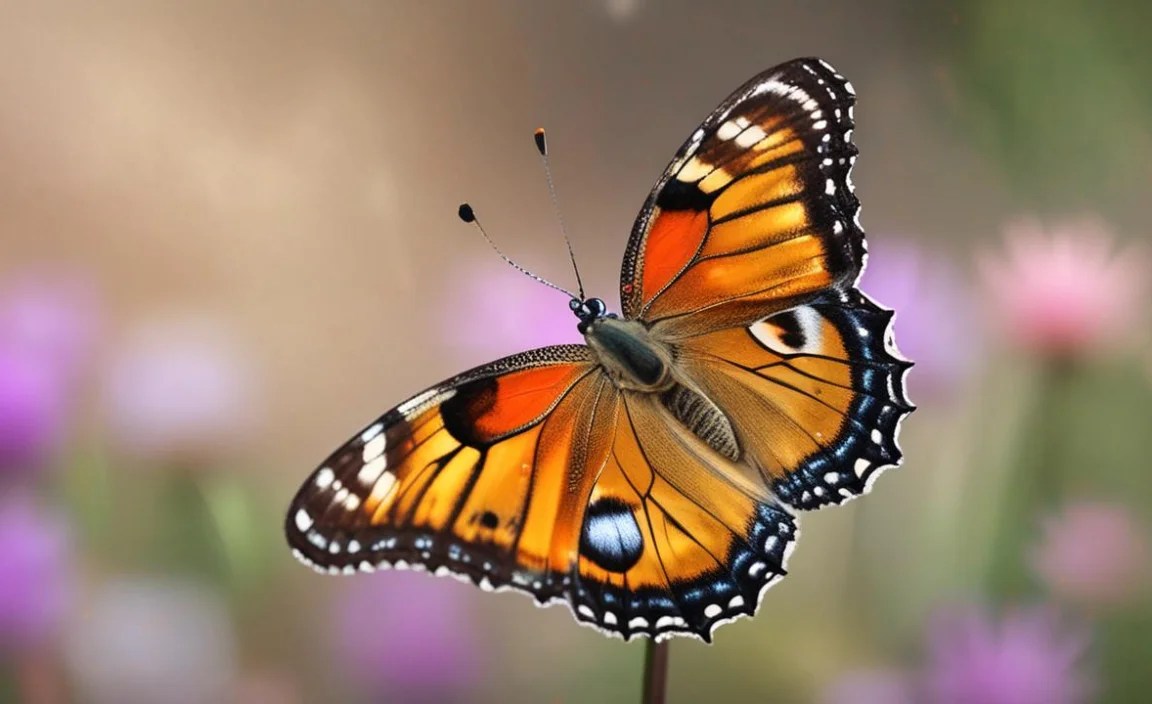
To find butterflies, it helps to understand how they live. Butterflies are cold-blooded, meaning their body temperature depends on their surroundings. This affects when they are most active.
The Importance of Sunlight and Temperature
Butterflies need sunlight to warm their bodies. When the sun is out, they can fly, feed, and mate. Here’s how temperature affects butterfly activity:
- Below 60°F (15°C): Butterflies are usually inactive. They may be hiding in sheltered spots.
- 60°F – 85°F (15°C – 29°C): This is the ideal range. Butterflies are most active during these temperatures.
- Above 85°F (29°C): Butterflies may seek shade to avoid overheating.
Daily Activity Patterns
Most butterflies are active during the day. Here’s a typical daily pattern:
- Early Morning: Butterflies bask in the sun to warm up.
- Mid-Morning to Early Afternoon: Peak activity time for feeding and mating.
- Late Afternoon: Activity decreases as the temperature cools.
- Evening: Butterflies find a safe place to rest for the night.
Seasonal Butterfly Watching

Different times of the year bring different butterfly species. Knowing the seasons can help you plan your butterfly watching.
Spring: A Time of Rebirth
In spring, many butterflies emerge from their pupae. This is a great time to see butterflies like:
- Spring Azure: A small, blue butterfly often seen near woodlands.
- Mourning Cloak: One of the first butterflies to appear in spring, known for its dark wings with yellow borders.
- Eastern Tiger Swallowtail: Large and yellow, these butterflies are a welcome sight in spring gardens.
Look for these butterflies near flowering trees and shrubs. They are often seen feeding on nectar from early blooms.
Summer: The Peak Butterfly Season
Summer is when butterfly populations are at their highest. You can see a wide variety of species, including:
- Monarch: Famous for their long migrations and striking orange and black wings.
- Viceroy: Often mistaken for Monarchs, but with a distinctive black line across the hindwings.
- Black Swallowtail: Beautiful black butterflies with iridescent blue markings.
Visit butterfly gardens, meadows, and parks. Summer flowers provide plenty of nectar for these busy butterflies.
Fall: Preparing for Winter
As the weather cools, some butterflies migrate or prepare for winter. This is a good time to see:
- Monarch Migration: Millions of Monarchs fly south to warmer climates.
- Question Mark: Named for the distinctive mark on its wings, often seen in wooded areas.
- Comma: Similar to the Question Mark, with jagged wing edges and a comma-shaped mark.
Look for Monarchs along their migration routes. Other butterflies may be found basking in sunny spots to stay warm.
Winter: A Time of Rest
Most butterflies cannot survive the winter as adults. They overwinter as eggs, larvae, or pupae. Some, like the Mourning Cloak, hibernate as adults.
In warmer regions, you may still see a few butterflies on sunny days. However, winter is generally the quietest time for butterfly watching.
Geographical Factors: Where to Look

Where you live affects the types of butterflies you can see. Different regions have different butterfly species and flight seasons.
Regional Variations in Butterfly Sightings
Here’s a general guide to butterfly seasons across different regions:
| Region | Peak Butterfly Season | Common Butterfly Species |
|---|---|---|
| Northeast (e.g., New York, Massachusetts) | June to September | Eastern Tiger Swallowtail, Monarch, Black Swallowtail |
| Southeast (e.g., Florida, Georgia) | March to November | Gulf Fritillary, Zebra Longwing, Pipevine Swallowtail |
| Midwest (e.g., Illinois, Ohio) | May to September | Monarch, Viceroy, Red Admiral |
| Southwest (e.g., Arizona, California) | March to October | Pipevine Swallowtail, Queen, California Sister |
| Pacific Northwest (e.g., Washington, Oregon) | June to September | Anise Swallowtail, Lorquin’s Admiral, Western Tiger Swallowtail |
Butterfly Habitats: Finding the Right Spot
Butterflies need specific habitats to survive. Look for these types of places:
- Butterfly Gardens: These gardens are designed to attract butterflies with nectar-rich flowers and host plants.
- Meadows: Open fields with wildflowers provide food and shelter for butterflies.
- Woodlands: Forest edges and clearings offer a mix of sun and shade, ideal for many butterfly species.
- Parks: Urban parks with gardens and green spaces can be havens for butterflies.
- Near Water Sources: Butterflies often gather near puddles or streams to drink water and absorb minerals.
Specific Times of Day for Butterfly Watching

The time of day can greatly influence your chances of seeing butterflies. Here’s a breakdown:
Morning: Basking in the Sun
In the morning, butterflies need to warm up. They often bask in the sun with their wings open. This is a great time to see them resting on leaves or flowers.
Tips for Morning Butterfly Watching:
- Start early, as soon as the sun is out.
- Look for butterflies in sunny spots protected from the wind.
- Bring a pair of binoculars to observe them from a distance.
Midday: Peak Activity
Midday is when butterflies are most active. They are busy feeding, mating, and flying around.
Tips for Midday Butterfly Watching:
- Visit butterfly gardens or meadows.
- Watch for butterflies nectaring on flowers.
- Be patient and observant.
Afternoon: Cooling Down
As the afternoon progresses, butterflies may become less active. They may seek shade or rest in sheltered spots.
Tips for Afternoon Butterfly Watching:
- Look for butterflies in shaded areas.
- Check under leaves or in dense vegetation.
- Bring water and sunscreen, as it can still be hot.
Attracting Butterflies to Your Garden

One of the best ways to see butterflies is to attract them to your own garden. Here’s how:
Planting Nectar-Rich Flowers
Butterflies need nectar for energy. Plant flowers that provide plenty of nectar, such as:
- Butterfly Bush (Buddleja davidii): A favorite of many butterfly species.
- Zinnia: Brightly colored flowers that attract butterflies and hummingbirds.
- Lantana: A long-blooming plant with clusters of colorful flowers.
- Salvia: A fragrant herb with nectar-rich flowers.
- Milkweed (Asclepias): Essential for Monarch butterflies, as it’s the only plant their caterpillars eat.
Providing Host Plants for Caterpillars
Butterflies lay their eggs on specific host plants. These plants provide food for the caterpillars. Some popular host plants include:
- Milkweed: For Monarch caterpillars.
- Parsley, Dill, Fennel: For Black Swallowtail caterpillars.
- Spicebush: For Spicebush Swallowtail caterpillars.
- Violets: For Great Spangled Fritillary caterpillars.
- Oak Trees: Host plants for various butterfly species.
Creating a Butterfly-Friendly Environment
Butterflies need more than just food. Create a welcoming environment with:
- Water Source: A shallow dish of water with pebbles for butterflies to land on.
- Shelter: Trees, shrubs, and tall grasses provide shelter from wind and predators.
- Sunlight: Butterflies need sunny spots to warm up.
- No Pesticides: Pesticides can harm or kill butterflies and other beneficial insects.
Butterfly Photography Tips
Capturing beautiful photos of butterflies can be a rewarding experience. Here are some tips to help you get the best shots:
Choosing the Right Equipment
A good camera and lens are essential for butterfly photography. Consider these options:
- DSLR or Mirrorless Camera: Offers more control over settings and better image quality.
- Macro Lens: Allows you to capture close-up details of butterflies.
- Telephoto Lens: Useful for photographing butterflies from a distance without disturbing them.
Camera Settings for Butterfly Photography
Use these settings as a starting point and adjust as needed:
- Aperture: Use a wide aperture (e.g., f/2.8 or f/4) to create a shallow depth of field and blur the background.
- Shutter Speed: Use a fast shutter speed (e.g., 1/250 second or faster) to freeze the butterfly’s movement.
- ISO: Keep the ISO as low as possible to minimize noise. Increase it only when necessary to maintain a fast shutter speed.
- Focus Mode: Use single-point autofocus to focus precisely on the butterfly’s eyes or other key features.
Tips for Capturing the Perfect Shot
Follow these tips to improve your butterfly photos:
- Be Patient: Butterflies can be unpredictable. Wait for the right moment to capture the shot.
- Get Close: Move slowly and carefully to get as close as possible without scaring the butterfly.
- Use Natural Light: Avoid using flash, as it can startle butterflies and create harsh shadows.
- Focus on the Eyes: Sharp focus on the butterfly’s eyes will make the photo more engaging.
- Experiment with Angles: Try different angles to find the most flattering perspective.
Conservation and Butterfly Watching
Butterfly populations are declining due to habitat loss, climate change, and pesticide use. By watching butterflies, you can contribute to their conservation.
Supporting Butterfly Conservation Efforts
Here are some ways to help butterflies:
- Plant a Butterfly Garden: Provide food and shelter for butterflies in your yard.
- Avoid Pesticides: Use natural pest control methods instead of harmful chemicals.
- Support Conservation Organizations: Donate to or volunteer with organizations that protect butterfly habitats. The Xerces Society is a great resource for conservation information.
- Educate Others: Share your love of butterflies and the importance of protecting them with friends and family.
- Citizen Science: Participate in butterfly monitoring programs to track populations and migration patterns.
Ethical Butterfly Watching Practices
Follow these guidelines to minimize your impact on butterflies:
- Observe from a Distance: Avoid getting too close or handling butterflies.
- Stay on Trails: Stick to established paths to avoid trampling plants and disturbing habitats.
- Do Not Collect Butterflies: Collecting butterflies can harm populations and disrupt ecosystems.
- Respect Private Property: Obtain permission before entering private land.
- Leave No Trace: Pack out everything you pack in and minimize your impact on the environment.
FAQ: Best Time to See Butterflies
Here are some frequently asked questions about the best time to see butterflies:
1. What is the best time of day to see butterflies?
Mid-morning to early afternoon, when temperatures are between 60°F (15°C) and 85°F (29°C), is usually best. Butterflies need sunlight to warm up and become active.
2. What is the best season to see butterflies?
Summer is generally the best season, as butterfly populations are at their highest and a wide variety of species are active.
3. Where is the best place to see butterflies?
Butterfly gardens, meadows, woodlands, and parks are all great places to see butterflies. Look for areas with plenty of nectar-rich flowers and host plants.
4. How can I attract butterflies to my garden?
Plant nectar-rich flowers like butterfly bush and zinnia, provide host plants for caterpillars like milkweed and parsley, and create a butterfly-friendly environment with water and shelter.
5. What should I bring when butterfly watching?
Bring binoculars, a camera, sunscreen, water, and a field guide to help you identify different butterfly species.
6. Are there any butterflies that are active in the winter?
In warmer regions, you may see a few butterflies on sunny days. Some species, like the Mourning Cloak, hibernate as adults and may emerge during warm spells.
7. How can I help protect butterflies?
Plant a butterfly garden, avoid pesticides, support conservation organizations, educate others about the importance of butterflies, and participate in citizen science projects.
Conclusion
Finding the best time to see butterflies is an adventure that combines understanding, patience, and a love for nature. By knowing their behavior, seasonal patterns, and preferred habitats, you can increase your chances of witnessing the beauty of these delicate creatures. Whether you’re exploring a local park, tending to your butterfly garden, or embarking on a butterfly photography expedition, each moment offers a chance to connect with nature and appreciate the wonders of the butterfly world.
Remember, every small action counts in protecting these incredible insects. By creating butterfly-friendly environments, supporting conservation efforts, and spreading awareness, we can ensure that future generations will also have the opportunity to marvel at the dance of butterflies. Happy butterfly watching!


