
Small Copper Butterfly: ID Guide + Fun Facts

The Small Copper butterfly is a delightful little insect with bright orange wings and dark spots. To identify it, look for its small size (wingspan of about 1 inch), copper-colored upper wings, and preference for open, sunny habitats. These butterflies are common in meadows, gardens, and grasslands across Europe, Asia, and North America.
Have you ever spotted a tiny, bright orange butterfly flitting around your garden and wondered what it was? Identifying butterflies can sometimes feel like a challenge. With so many species, it’s easy to get confused. But don’t worry! Recognizing the Small Copper butterfly is easier than you might think.
This guide will walk you through the simple steps to identify the Small Copper butterfly. We’ll cover everything from its unique appearance to its favorite habitats and behaviors. By the end, you’ll be able to confidently identify this little gem and appreciate its role in the ecosystem. Let’s get started!
What is a Small Copper Butterfly?
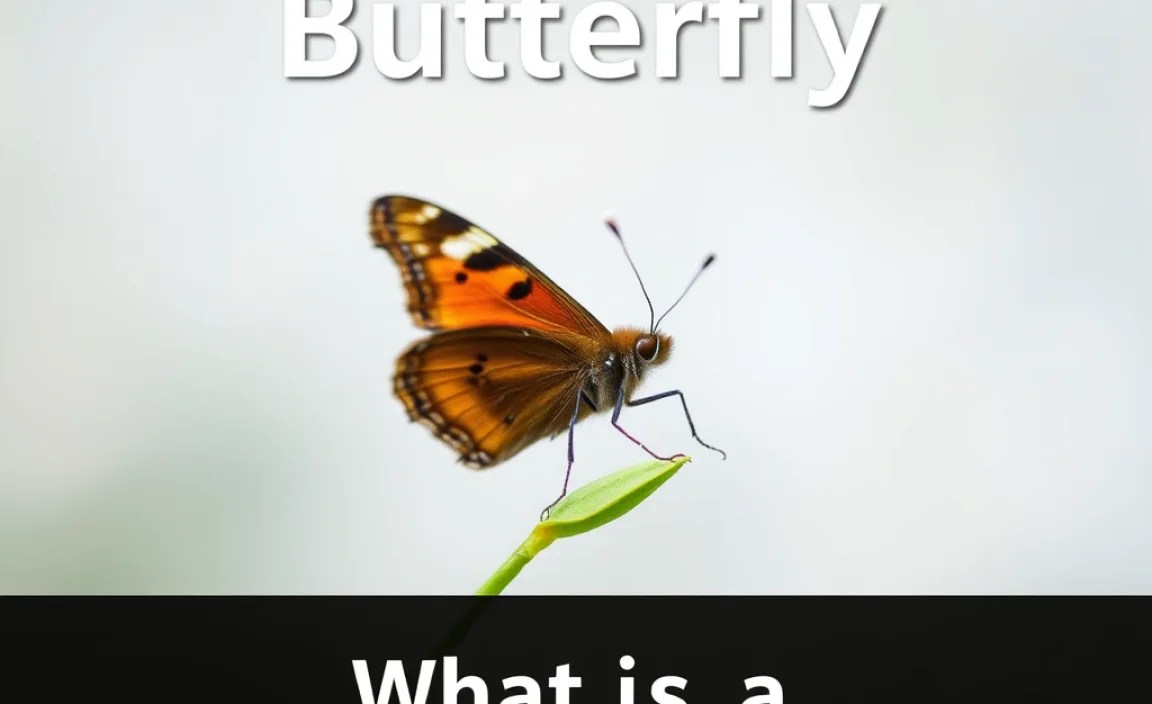
The Small Copper butterfly (Lycaena phlaeas) is a small but striking butterfly found across Europe, Asia, and North America. Known for its bright copper-orange wings and small size, it’s a common sight in gardens, meadows, and open fields. These butterflies are not only beautiful but also play an important role in pollination and as part of the food chain.
Key Characteristics
To accurately identify a Small Copper butterfly, pay attention to these key characteristics:
- Size: Small, with a wingspan of about 1 inch (2.5 cm).
- Color: Bright copper-orange upper wings with dark spots. The hindwings have a dark border and orange markings.
- Underside: The underside of the wings is paler orange with greyish-brown markings.
- Flight: Quick, darting flight close to the ground.
- Habitat: Prefers open, sunny areas such as meadows, gardens, and grasslands.
Life Cycle
Understanding the life cycle of the Small Copper butterfly can also aid in identification:
- Eggs: Small, greenish-white eggs laid singly on the leaves of host plants.
- Caterpillars: Green with reddish or purplish markings along the back. They feed on plants like common sorrel and sheep’s sorrel.
- Pupae: Small, brown or green chrysalids often found attached to the stems or leaves of host plants.
- Adults: Emerge from the pupae and live for a few weeks, feeding on nectar from various flowers.
Identifying the Small Copper Butterfly: A Step-by-Step Guide
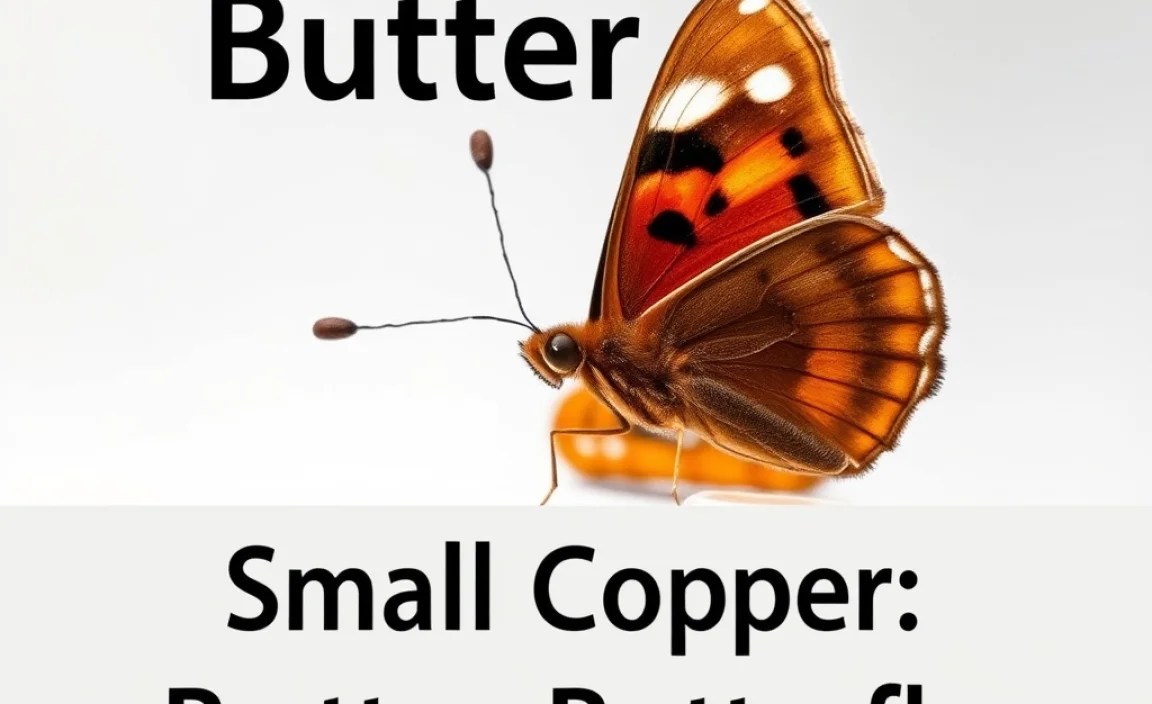
Identifying the Small Copper butterfly can be a fun and rewarding experience. Follow these steps to confidently recognize this beautiful insect.
Step 1: Observe the Size and Shape
The Small Copper is, as its name suggests, quite small. Its wingspan typically ranges from 0.8 to 1.2 inches (2 to 3 cm). The wings are relatively broad and rounded, giving it a compact appearance. When you first spot a small butterfly, take note of its size compared to other insects around it. If it’s smaller than most common butterflies, you’re on the right track.
Step 2: Examine the Wing Color and Pattern
The most distinctive feature of the Small Copper is its bright copper-orange wings. The upper side of the forewings is a vibrant orange with a scattering of small black spots. The hindwings are also orange, but they usually have a dark border and may have some additional dark markings. The intensity of the orange color can vary slightly depending on the individual and its location.
Step 3: Check the Underside of the Wings
The underside of the wings is just as important for identification as the upper side. The forewings have an orange base color with greyish-brown markings and black spots. The hindwings are typically greyish-brown with small black spots and a subtle orange band along the edge. These markings provide excellent camouflage when the butterfly is resting with its wings closed.
Step 4: Observe the Flight Pattern
Small Copper butterflies have a distinctive flight pattern. They tend to fly low to the ground with a quick, darting motion. They often flit from flower to flower, pausing briefly to feed on nectar. Their flight is not as graceful or soaring as some larger butterfly species. This rapid, erratic flight is a key characteristic that sets them apart.
Step 5: Identify the Habitat
The habitat where you find the butterfly can also provide clues to its identity. Small Coppers prefer open, sunny areas such as meadows, gardens, grasslands, and roadside verges. They are often found in areas with plenty of their larval host plants, such as common sorrel and sheep’s sorrel. If you spot a small orange butterfly in these types of habitats, it’s likely a Small Copper.
Step 6: Look for Host Plants
Identifying the host plants in the area can further confirm your identification. Small Copper caterpillars primarily feed on plants in the Rumex genus, including common sorrel (Rumex acetosa) and sheep’s sorrel (Rumex acetosella). If you see a small orange butterfly frequently visiting or laying eggs on these plants, it’s a strong indication that you’ve found a Small Copper.
Step 7: Compare with Similar Species
While the Small Copper is quite distinctive, it’s always a good idea to compare it with similar species to avoid misidentification. Some other small orange butterflies that you might encounter include:
- American Copper (Lycaena phlaeas americana): Found in North America, this subspecies is very similar to the Small Copper but may have slightly different markings.
- Bog Copper (Lycaena epixanthe): Also found in North America, this species prefers boggy habitats and has a more subdued orange color.
- Glanville Fritillary (Melitaea cinxia): This butterfly has a more intricate pattern of orange and brown markings and is typically larger than the Small Copper.
Small Copper Butterfly Identification Table

| Feature | Small Copper (Lycaena phlaeas) | American Copper (Lycaena phlaeas americana) | Bog Copper (Lycaena epixanthe) |
|---|---|---|---|
| Size | 0.8-1.2 inches (2-3 cm) wingspan | 0.8-1.2 inches (2-3 cm) wingspan | 0.8-1.2 inches (2-3 cm) wingspan |
| Upperwing Color | Bright copper-orange with black spots | Bright copper-orange with black spots | Subdued orange with brown markings |
| Habitat | Meadows, gardens, grasslands | Meadows, gardens, grasslands | Bogs, wetlands |
| Host Plants | Common sorrel, sheep’s sorrel | Common sorrel, sheep’s sorrel | Cranberry, bog rosemary |
| Distribution | Europe, Asia, North America | North America | North America |
Attracting Small Copper Butterflies to Your Garden

Attracting Small Copper butterflies to your garden is not only a great way to enjoy their beauty but also beneficial for your local ecosystem. Here’s how you can create a butterfly-friendly habitat:
Plant Host Plants
The most important step is to plant the host plants that Small Copper caterpillars need to survive. Common sorrel (Rumex acetosa) and sheep’s sorrel (Rumex acetosella) are their primary food sources. These plants are relatively easy to grow and can be a beautiful addition to your garden.
Provide Nectar Sources
Adult butterflies feed on nectar from a variety of flowers. Choose plants that provide a continuous source of nectar throughout the growing season. Some excellent nectar sources for Small Coppers include:
- Yarrow (Achillea millefolium): Provides clusters of small, nectar-rich flowers.
- Thyme (Thymus vulgaris): A low-growing herb with fragrant flowers that attract butterflies.
- Lavender (Lavandula angustifolia): A beautiful and aromatic plant that butterflies love.
- Sedum (Sedum spp.): Late-blooming succulents that provide nectar when other flowers are scarce.
- Clover (Trifolium spp.): A common and readily available nectar source.
Create a Sunny and Sheltered Environment
Small Coppers prefer sunny, open areas with some shelter from strong winds. Plant your butterfly garden in a location that receives at least six hours of sunlight per day. Use shrubs or fences to create sheltered areas where butterflies can rest and feed without being blown around.
Avoid Pesticides
Pesticides can be harmful to butterflies and other beneficial insects. Avoid using chemical pesticides in your garden. Instead, opt for natural pest control methods, such as hand-picking pests, using insecticidal soap, or introducing beneficial insects like ladybugs.
Provide a Water Source
Butterflies need water to stay hydrated. Provide a shallow dish of water with pebbles or marbles for them to land on. This will prevent them from drowning while they drink. Keep the water clean and refreshed regularly.
Leave Some Wild Areas
Allowing some areas of your garden to grow wild can provide additional habitat for butterflies and other wildlife. Leave patches of long grass, wildflowers, and undisturbed soil. These areas can serve as breeding grounds and provide shelter for various insects.
The Ecological Importance of Small Copper Butterflies

Small Copper butterflies play a vital role in the ecosystem. Understanding their ecological importance can help you appreciate these tiny creatures even more.
Pollination
Like many butterflies, Small Coppers are important pollinators. As they feed on nectar, they transfer pollen from flower to flower, helping plants to reproduce. While they may not be as efficient pollinators as bees, they still contribute to the overall health and diversity of plant communities.
Food Source
Small Copper butterflies and their caterpillars serve as a food source for various animals. Birds, spiders, and other insects prey on them, helping to maintain the balance of the food chain. By providing habitat for Small Coppers, you are also supporting the animals that depend on them.
Indicator Species
Butterflies are often used as indicator species, meaning their presence or absence can reflect the health of the environment. A decline in Small Copper populations can indicate habitat loss, pollution, or other environmental problems. Monitoring butterfly populations can help scientists and conservationists assess the overall health of ecosystems and take steps to protect them.
Educational Value
Small Copper butterflies can be a valuable educational resource. Observing their life cycle, behavior, and interactions with other organisms can teach children and adults about ecology, conservation, and the importance of biodiversity. Butterfly gardens can be used as outdoor classrooms to engage students in hands-on learning experiences.
Fun Facts About Small Copper Butterflies
Here are some interesting and fun facts about Small Copper butterflies that you might not know:
- Multiple Broods: Small Coppers can have multiple broods per year, meaning they can produce several generations of butterflies in a single season.
- Hibernation: In colder climates, Small Copper caterpillars hibernate during the winter and resume feeding in the spring.
- Territorial Behavior: Male Small Coppers are known to be territorial and will defend their patch of habitat from other males.
- Color Variation: The intensity of the orange color on Small Copper wings can vary depending on the individual and its location.
- Global Distribution: Small Coppers are found across Europe, Asia, and North America, making them one of the most widely distributed butterfly species.
Resources for Further Learning
If you want to learn more about Small Copper butterflies and other butterfly species, here are some useful resources:
- The Xerces Society: A non-profit organization dedicated to invertebrate conservation. Their website offers a wealth of information on butterfly biology, conservation, and habitat restoration. Xerces Society
- Butterfly Conservation: A UK-based charity focused on protecting butterflies and moths. Their website provides identification guides, habitat advice, and information on butterfly conservation projects. Butterfly Conservation
- National Geographic: Offers articles and videos on various butterfly species, including their life cycles, behavior, and conservation status. National Geographic
- Local Nature Centers: Many nature centers offer guided butterfly walks, workshops, and educational programs. Check your local nature center’s website for upcoming events.
Frequently Asked Questions (FAQs)
What do Small Copper caterpillars eat?
Small Copper caterpillars primarily feed on plants in the Rumex genus, such as common sorrel (Rumex acetosa) and sheep’s sorrel (Rumex acetosella).
How can I attract Small Copper butterflies to my garden?
To attract Small Copper butterflies, plant their host plants (sorrel) and nectar-rich flowers like yarrow, thyme, and lavender. Also, provide a sunny and sheltered environment and avoid using pesticides.
What is the wingspan of a Small Copper butterfly?
The wingspan of a Small Copper butterfly is typically between 0.8 and 1.2 inches (2 to 3 cm).
Where are Small Copper butterflies found?
Small Copper butterflies are found across Europe, Asia, and North America.
Are Small Copper butterflies endangered?
Small Copper butterflies are not currently listed as endangered, but their populations can be threatened by habitat loss and pesticide use. Supporting butterfly conservation efforts can help protect them.
How many broods do Small Copper butterflies have per year?
Small Copper butterflies can have multiple broods per year, meaning they can produce several generations of butterflies in a single season.
What is the difference between a Small Copper and an American Copper butterfly?
The American Copper is a subspecies of the Small Copper found in North America. They are very similar, but may have slightly different markings. Habitat and range can also help differentiate them.
Conclusion
Identifying the Small Copper butterfly is a delightful way to connect with nature and appreciate the beauty of these tiny creatures. By following the steps outlined in this guide, you can confidently recognize Small Coppers in your garden, meadows, and other open habitats. Remember to observe their size, wing color and pattern, flight behavior, and habitat preferences.
Creating a butterfly-friendly garden is not only a rewarding experience but also an important contribution to conservation. By planting host plants, providing nectar sources, and avoiding pesticides, you can help support Small Copper populations and ensure that these beautiful butterflies continue to thrive. So, get outside, explore, and enjoy the enchanting world of butterflies!


