Butterfly Identification by Wing Margin: An Easy Guide

Have you ever seen a butterfly? They are so pretty. Butterflies fly around in the sunshine. Each one looks a little different. How do we know what kind of butterfly it is? One way is by looking at its wings. We can use butterfly identification by wing margin to tell them apart.
Key Takeaways
- Butterfly identification by wing margin helps you know what kind of butterfly you see.
- Wing margins include the edges and shapes of a butterfly’s wings.
- Different butterflies have different patterns on their wing margins.
- Looking closely at colors and lines helps identify each type of butterfly.
- You can use books or websites to help you learn butterfly names.
Understanding Butterfly Wing Margins
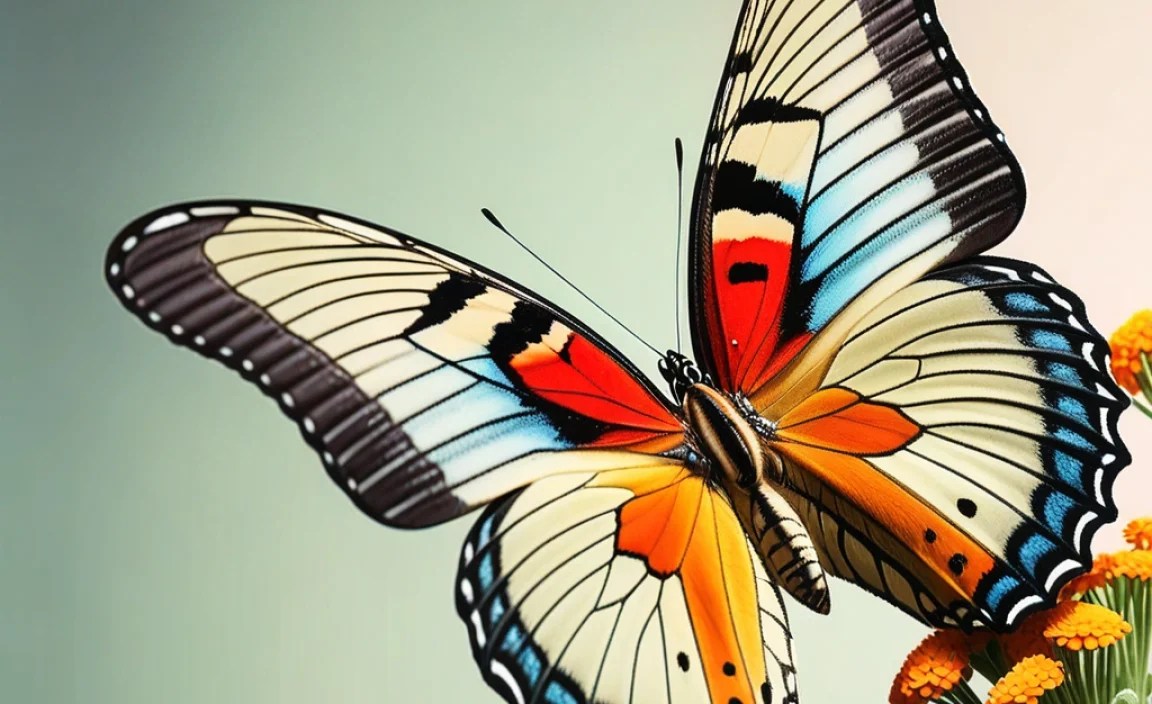
Have you ever looked closely at a butterfly’s wing? The edge of the wing is called the margin. This margin can be smooth or bumpy. It can even have little tails! The shape and color of the margin help us know what kind of butterfly it is. Butterfly identification by wing margin is like being a detective. We look for clues on the wing. These clues tell us the butterfly’s name. Some margins are round. Others are jagged. Some have bright colors. Others are plain. All these little things help us tell butterflies apart.
- Wing margins are the edges of the butterfly’s wings.
- Some margins are smooth and round.
- Other margins have points or tails.
- Colors on the margin can be bright or dull.
- Patterns help us identify different butterflies.
Imagine you are looking at a butterfly with a wavy wing margin. The waves are black and white. This might be a Black Swallowtail. Now, think about a butterfly with a smooth, brown margin. It has little orange spots. This could be a Monarch. The butterfly identification by wing margin works because each butterfly family has its own special marks. These marks are like a secret code. Once you learn the code, you can read the wings. You can name the butterfly! It is like magic, but it is really science.
Fun Fact or Stat: There are over 20,000 different kinds of butterflies in the world!
Why Study Butterfly Wing Margins?
Why do we care about butterfly identification by wing margin? Well, butterflies are important. They help flowers make seeds. They are also food for birds and other animals. If we know what kind of butterflies live in our yard, we can help them. We can plant the flowers they like to eat. We can keep our yard safe from harmful sprays. When we learn about butterflies, we learn about nature. We learn how everything is connected. It is like solving a big puzzle. Each butterfly is a little piece of the puzzle.
Tools for Identification
What do you need to start butterfly identification by wing margin? First, you need your eyes! Look closely at the butterfly. What color is it? What shape are the wings? Does the margin have any special marks? Next, you can use a book about butterflies. These books have pictures of different butterflies. They also tell you what to look for. You can also use a website or an app. These tools can help you identify butterflies quickly. Just take a picture and let the app do the work!
Challenges in Identification
Sometimes, butterfly identification by wing margin can be tricky. Some butterflies look very similar. They might have the same colors. Their margins might be the same shape. But if you look closer, you might see small differences. Maybe one butterfly has a tiny dot on its wing. Maybe the other one has a slightly different shade of color. These small differences can help you tell them apart. It takes practice, but it is worth it. You will become a butterfly expert!
Wing Shape and Butterfly Types
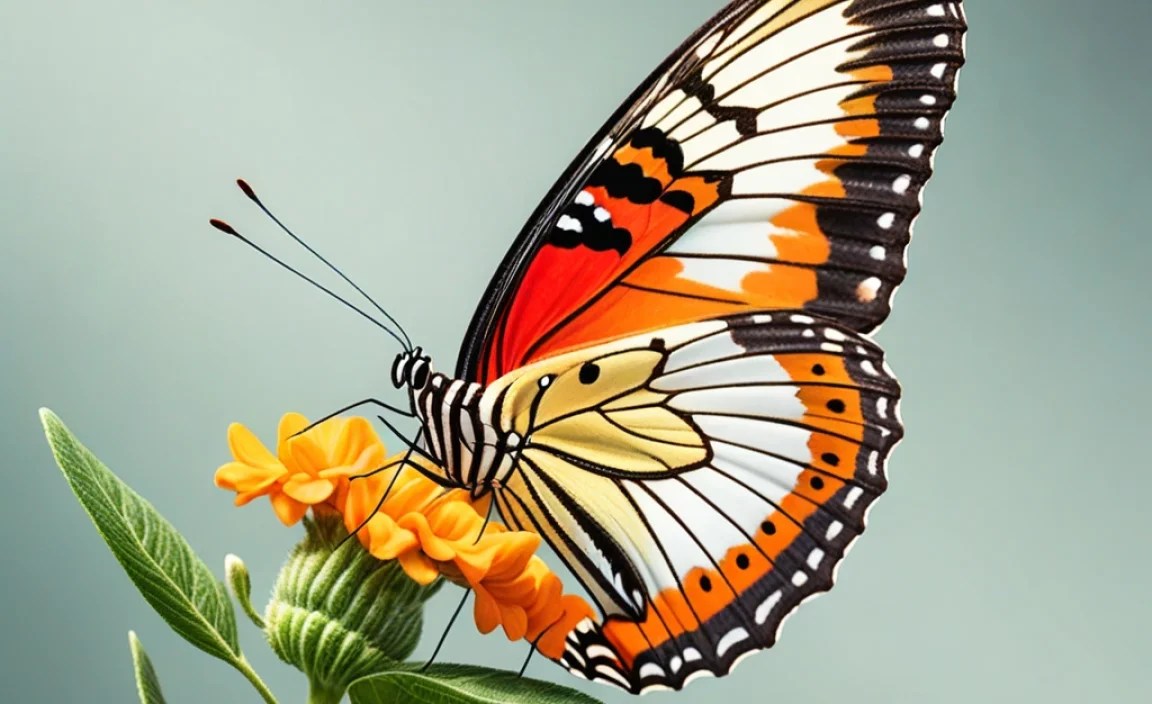
Butterflies come in all shapes and sizes. Some have long, skinny wings. Others have short, round wings. The shape of the wing is another clue for butterfly identification by wing margin. For example, Swallowtail butterflies have a tail on their hind wings. This tail makes them easy to spot. Skipper butterflies have small, triangular wings. They look like little airplanes. The shape of the wing tells us about how the butterfly flies. It also tells us about where it lives. Butterflies with long wings can fly far distances. Butterflies with short wings stay closer to home.
- Wing shape is another clue for identification.
- Swallowtails have tails on their wings.
- Skippers have small, triangular wings.
- Long wings help butterflies fly far.
- Short wings are for staying close to home.
- Wing shape tells us about their flight.
Imagine you see a butterfly with long, narrow wings. The wings are bright orange and black. This is likely a Monarch butterfly. Monarchs fly thousands of miles each year! Now, think about a butterfly with round, brown wings. It has small blue spots. This could be a Spring Azure. Spring Azures are small and delicate. They flutter around in the early spring. The shape of the wing helps them survive in their special homes. Butterfly identification by wing margin is like reading a story. The wings tell us where the butterfly lives and how it lives.
Fun Fact or Stat: Monarch butterflies migrate over 3,000 miles each year!
Wing Shape Variations
Why do butterflies have different wing shapes? It all depends on their environment. Butterflies that live in forests might have wings that look like leaves. This helps them hide from predators. Butterflies that live in open fields might have bright colors. This helps them attract mates. The shape of the wing also helps them fly in different ways. Some butterflies can hover like helicopters. Others can dart around quickly. It is all about survival and finding a partner.
Wing Shape Adaptations
How do butterflies change their wing shapes over time? It is called adaptation. Over many years, butterflies with wings that help them survive are more likely to have babies. Their babies will also have similar wings. This is how the wing shape changes over time. It is like a slow dance between the butterfly and its environment. The environment tells the butterfly what kind of wings it needs. The butterfly listens and adapts.
Common Wing Shapes
What are some common wing shapes you might see? You might see round wings, pointed wings, or wings with tails. Each shape tells you something about the butterfly. Round wings are good for fluttering around. Pointed wings are good for fast flight. Wings with tails can help the butterfly steer. Keep an eye out for these shapes when you are looking for butterflies. Remember, butterfly identification by wing margin is all about noticing the little details.
Color Patterns on Wing Margins
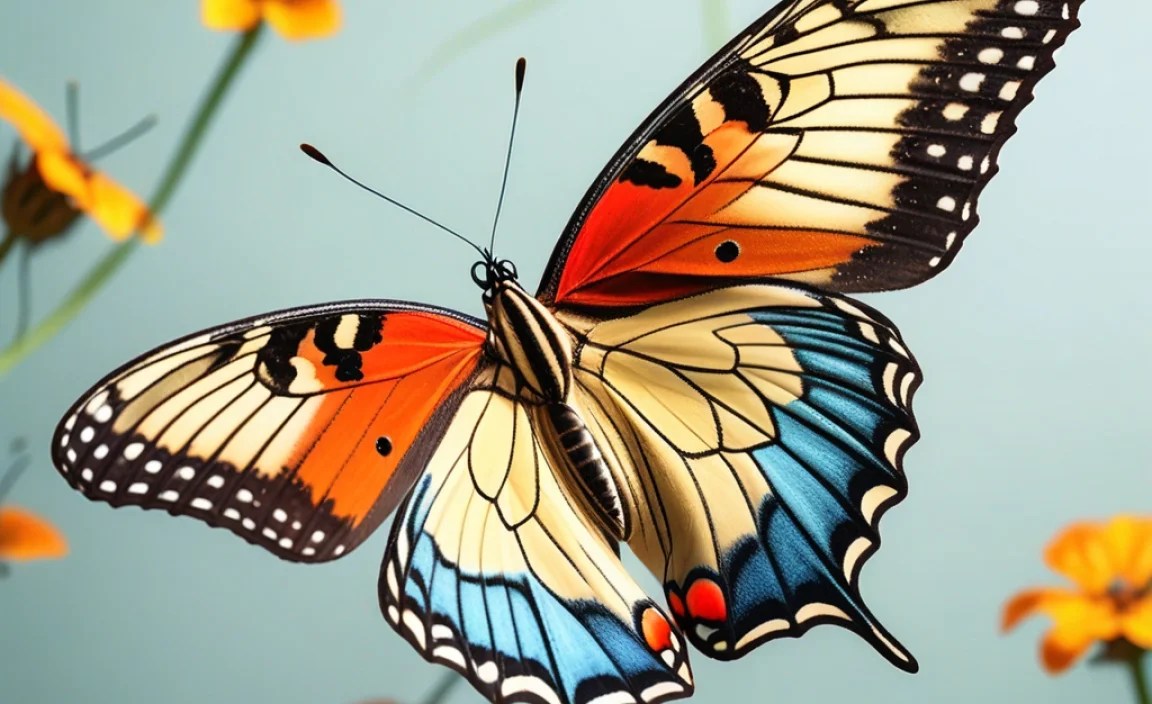
Colors are a big part of butterfly identification by wing margin. The colors on the wing margin can be bright and bold. They can also be soft and subtle. Some butterflies have stripes. Others have spots. Some have a mix of colors. These colors help us tell them apart. They also help butterflies attract mates. Bright colors can signal that a butterfly is poisonous. This warns predators to stay away. Color is a powerful tool for butterflies.
- Colors are important for identification.
- Margins can have stripes or spots.
- Bright colors attract mates.
- Colors can warn predators.
- Different colors mean different things.
- Color patterns help us identify types.
Imagine you see a butterfly with a bright orange wing margin. The margin has black spots. This is likely a Monarch butterfly. The orange color warns predators that it tastes bad. Now, think about a butterfly with a dark brown wing margin. It has small blue dots. This could be a Spring Azure. The dark color helps it blend in with the trees. Color plays a big role in survival. Butterfly identification by wing margin helps us understand these survival tricks.
Fun Fact or Stat: Some butterflies can change color slightly depending on the temperature!
Color as Camouflage
How do colors help butterflies hide? Some butterflies have colors that match their environment. They blend in with leaves or bark. This is called camouflage. Camouflage helps them avoid being eaten by birds. Other butterflies have colors that break up their outline. This makes it harder for predators to see them. Color is a powerful tool for staying safe. It is like a secret code that only the butterfly and its predators understand.
Color as Warning
Why do some butterflies have bright colors? Bright colors can be a warning sign. They tell predators that the butterfly is poisonous. This is called warning coloration. Monarch butterflies are a good example. They eat milkweed plants, which are poisonous. The poison stays in their bodies. Their bright orange color warns birds to stay away. It is like a stop sign for predators.
Color and Mate Attraction
How do colors help butterflies find a mate? Male and female butterflies often have different colors. The male might have brighter colors to attract the female. The female might have duller colors to blend in with her surroundings. Color is a key part of the mating dance. It helps butterflies find the right partner. Without color, it would be much harder for them to find each other.
Edge Patterns and Markings
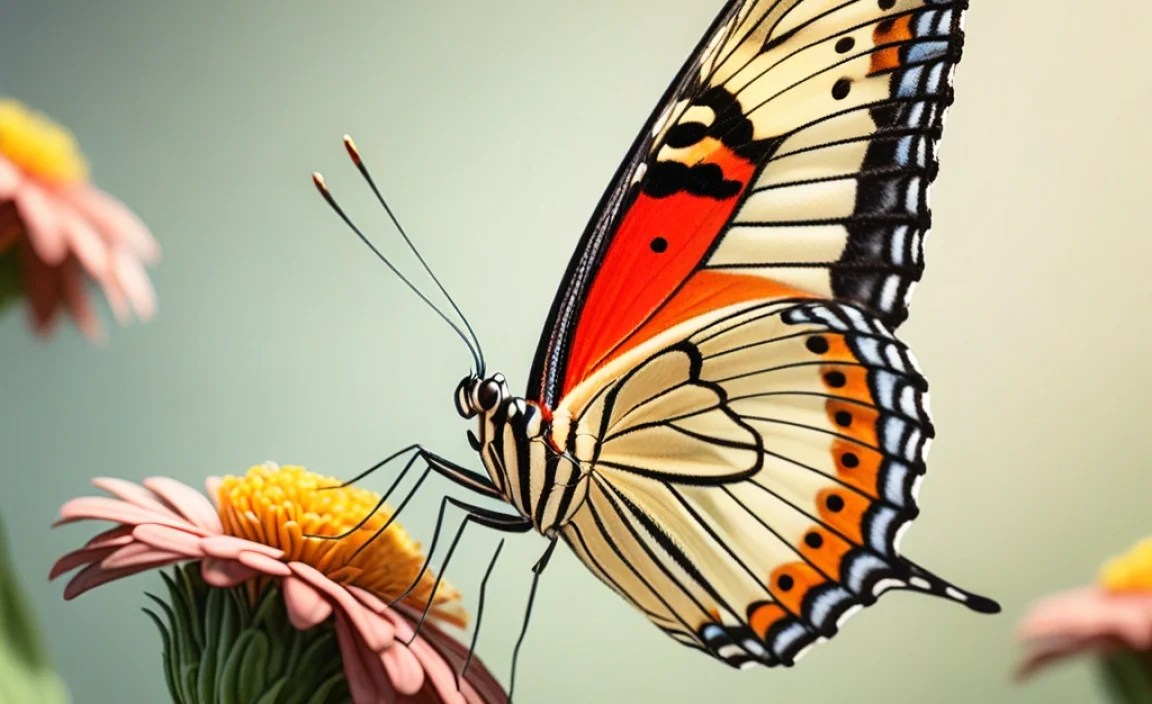
The edges of a butterfly’s wings are not always smooth. They can have different patterns and markings. These patterns are very helpful for butterfly identification by wing margin. Some butterflies have scalloped edges. Others have jagged edges. Some have tails or points. These features help us tell them apart. They also help the butterfly fly and move. The edge pattern is like a fingerprint for each butterfly.
- Edge patterns help us identify butterflies.
- Some edges are scalloped or jagged.
- Tails and points are also important.
- These features help butterflies fly.
- Edge patterns are like fingerprints.
- Each butterfly has a unique pattern.
Imagine you see a butterfly with a scalloped edge. The edge is black with white spots. This might be a Mourning Cloak butterfly. Mourning Cloaks are one of the first butterflies to appear in the spring. Now, think about a butterfly with a jagged edge. It has a long tail. This could be a Tiger Swallowtail. Tiger Swallowtails are large and beautiful. They are a joy to see. Butterfly identification by wing margin helps us appreciate these small differences.
Fun Fact or Stat: Some butterfly wing patterns are symmetrical, meaning they are the same on both sides!
Scalloped Edges
What does it mean when a butterfly has scalloped edges? Scalloped edges are like little curves along the wing. They can help the butterfly fly more easily. They can also help it blend in with leaves. The scallops break up the outline of the wing. This makes it harder for predators to see. Scalloped edges are a clever adaptation for survival.
Jagged Edges
Why do some butterflies have jagged edges? Jagged edges can help the butterfly look like a dead leaf. This is another form of camouflage. Predators might think it is just a piece of debris. They will not bother to eat it. Jagged edges are a good way to hide in plain sight. It is like a magic trick for butterflies.
Tails and Points
How do tails and points help butterflies? Tails and points can help the butterfly steer while flying. They act like rudders on a boat. They can also distract predators. If a bird attacks, it might grab the tail instead of the body. This gives the butterfly a chance to escape. Tails and points are like built-in safety features.
Using Field Guides for Identification
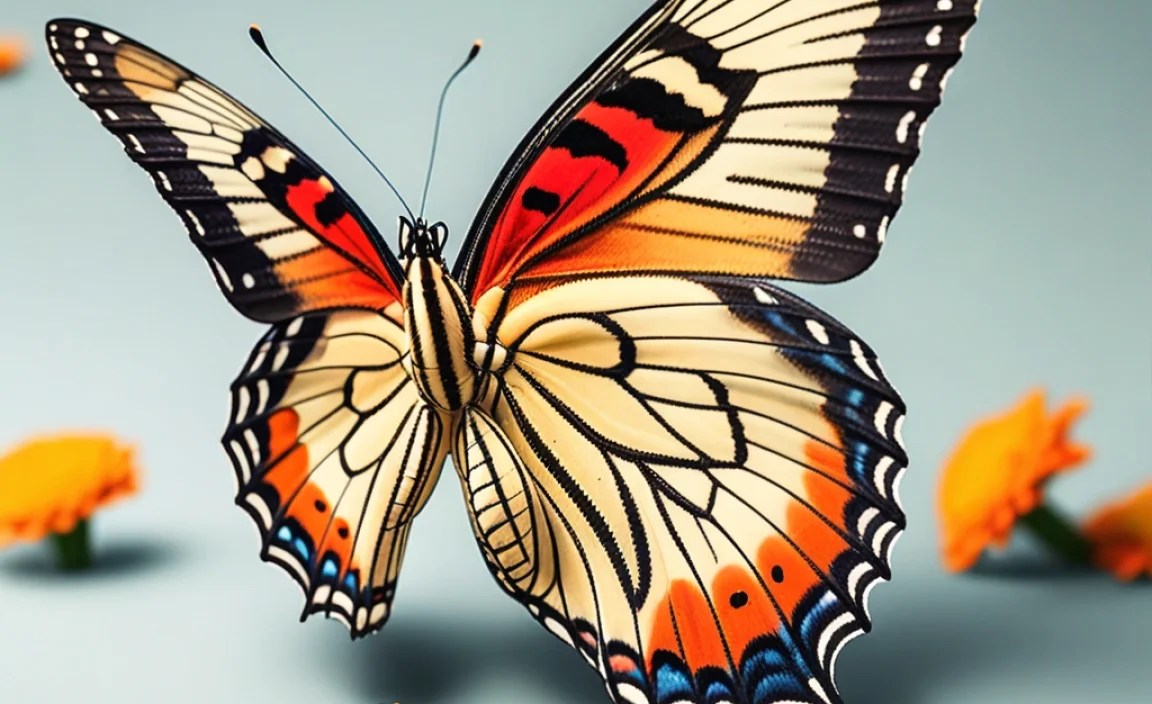
Field guides are books that help you identify plants and animals. They are very useful for butterfly identification by wing margin. A field guide has pictures of different butterflies. It also tells you what to look for. You can use the field guide to compare the butterfly you see to the pictures in the book. The field guide will describe the wing shape, color, and edge patterns. It will also tell you where the butterfly lives. Field guides are a great tool for learning about butterflies.
- Field guides help identify butterflies.
- They have pictures and descriptions.
- You can compare your butterfly to the pictures.
- The guide tells you about wing shape and color.
- It also tells you where the butterfly lives.
- Field guides are great learning tools.
Imagine you are using a field guide to identify a butterfly. You see a butterfly with a brown wing margin. The margin has orange spots. You look in the field guide. You see a picture of a Monarch butterfly. The picture matches the butterfly you saw. You have successfully identified the butterfly! Butterfly identification by wing margin becomes easier with practice and a good field guide.
Fun Fact or Stat: Some field guides are available as apps on your phone!
Features of a Good Field Guide
What makes a good field guide? A good field guide has clear pictures. The pictures should show the butterfly from different angles. The guide should also have detailed descriptions. It should tell you about the size, color, and wing shape of the butterfly. It should also tell you where the butterfly lives. A good field guide is easy to use and understand.
How to Use a Field Guide
How do you use a field guide to identify a butterfly? First, look closely at the butterfly. Notice its size, color, and wing shape. Then, flip through the field guide. Look for pictures that match the butterfly you saw. Read the descriptions carefully. Compare the butterfly you saw to the description in the book. If everything matches, you have identified the butterfly.
Limitations of Field Guides
What are the limitations of field guides? Field guides are not always perfect. Some butterflies look very similar. It can be hard to tell them apart. Also, some butterflies have different colors depending on where they live. This can make it hard to match them to the pictures in the field guide. But even with these limitations, field guides are a valuable tool for butterfly identification by wing margin.
Online Resources for Butterfly ID
The internet is another great resource for butterfly identification by wing margin. There are many websites and apps that can help you identify butterflies. These resources often have pictures and descriptions of different butterflies. Some apps even let you take a picture of a butterfly and identify it automatically. Online resources can be a quick and easy way to learn about butterflies. They can also help you connect with other butterfly enthusiasts.
- Online resources help identify butterflies.
- Websites have pictures and descriptions.
- Apps can identify butterflies from pictures.
- Online resources are quick and easy.
- You can connect with other butterfly fans.
- Learn more about butterfly identification by wing margin.
Imagine you are using an app to identify a butterfly. You take a picture of the butterfly with your phone. The app analyzes the picture. It compares it to a database of butterfly images. The app tells you that it is a Monarch butterfly. You have successfully identified the butterfly using technology! Butterfly identification by wing margin is becoming easier and more accessible thanks to online resources.
Fun Fact or Stat: Some online butterfly databases have millions of images!
Benefits of Online Resources
What are the benefits of using online resources? Online resources are often more up-to-date than field guides. They can be updated quickly with new information. They also offer interactive features. You can zoom in on pictures, watch videos, and listen to audio recordings. Online resources can make learning about butterflies more engaging and fun.
Drawbacks of Online Resources
What are the drawbacks of using online resources? Not all online resources are accurate. Some websites might have incorrect information. It is important to use reliable sources. Look for websites that are run by experts or universities. Also, online resources can be distracting. It is easy to get sidetracked by other websites or apps.
Popular Butterfly Identification Apps
What are some popular butterfly identification apps? Some popular apps include iNaturalist, Picture Insect, and Butterfly ID. These apps use image recognition technology to identify butterflies. They also allow you to share your sightings with other users. These apps can be a fun and educational way to learn about butterflies. They can also help you contribute to citizen science projects.
Comparing Similar Butterfly Species
Sometimes, butterfly identification by wing margin can be difficult because some butterflies look very similar. They might have the same colors and wing shape. But if you look closely, you can find small differences. These differences can help you tell them apart. It is like being a detective. You have to look for clues to solve the mystery. Comparing similar species is a key skill for butterfly identification.
- Some butterflies look very similar.
- Look for small differences to tell them apart.
- It is like being a detective.
- Compare colors, patterns, and wing shape.
- Use a field guide or online resource.
- Practice makes perfect!
Imagine you are trying to tell the difference between a Viceroy and a Monarch butterfly. They both have orange and black wings. But if you look closely, you will see that the Viceroy has a black line across its hind wing. The Monarch does not have this line. This small difference is the key to identifying the Viceroy. Butterfly identification by wing margin requires careful observation and attention to detail.
Fun Fact or Stat: Some butterflies mimic the appearance of poisonous butterflies to protect themselves!
Key Differences in Appearance
What are some key differences to look for when comparing similar species? Look at the size of the butterfly. Look at the shape of the wings. Look at the color patterns. Pay attention to the details on the wing margin. Does it have spots, stripes, or tails? These small differences can help you tell the butterflies apart.
Behavioral Differences
Do butterflies also have different behaviors? Yes, butterflies can also have different behaviors. Some butterflies are more active in the morning. Others are more active in the afternoon. Some butterflies fly close to the ground. Others fly high in the air. Observing their behavior can also help you identify them.
| Feature | Monarch Butterfly | Viceroy Butterfly |
|---|---|---|
| Size | Larger | Slightly Smaller |
| Wing Pattern | No black line on hindwing | Black line across hindwing |
| Habitat | Open fields, meadows | Near water, wetlands |
| Flight | Strong, soaring flight | More erratic, fluttering flight |
Importance of Location
Does location matter when identifying butterflies? Yes, location is also important. Some butterflies only live in certain areas. If you know where you are, you can narrow down the possibilities. Use a field guide or online resource to find out which butterflies live in your area. This will make butterfly identification by wing margin much easier.
Conservation and Butterfly Identification
Butterfly identification by wing margin is not just a fun hobby. It can also help us protect butterflies. By knowing what kind of butterflies live in our area, we can help them survive. We can plant the flowers they need to eat. We can protect their habitats from destruction. We can also monitor their populations. If we see that a certain butterfly is disappearing, we can take action to save it. Butterfly identification is an important part of conservation.
- Identification helps protect butterflies.
- Plant flowers they need to eat.
- Protect their habitats.
- Monitor their populations.
- Take action to save disappearing butterflies.
- Butterfly identification by wing margin is important.
Imagine you are tracking the number of Monarch butterflies in your area. You notice that their numbers are declining. You learn that they need milkweed plants to survive. You start planting milkweed in your yard. Other people in your community do the same. The Monarch butterfly population starts to recover. You have helped save a species! Butterfly identification by wing margin is the first step in conservation.
Fun Fact or Stat: Many butterfly species are threatened or endangered due to habitat loss!
The Role of Citizen Science
How can you help with butterfly conservation? You can participate in citizen science projects. These projects involve ordinary people collecting data about butterflies. You can record the butterflies you see in your yard. You can submit your data to a research project. This data helps scientists track butterfly populations and understand their needs. It is a great way to make a difference.
Protecting Butterfly Habitats
Why is it important to protect butterfly habitats? Butterflies need certain plants to survive. They need places to lay their eggs. They need places to find food. When their habitats are destroyed, they cannot survive. We can protect butterfly habitats by preserving natural areas. We can also create butterfly gardens in our yards.
Supporting Conservation Organizations
How can you support butterfly conservation organizations? You can donate money to these organizations. You can volunteer your time. You can also spread the word about their work. These organizations are working hard to protect butterflies and their habitats. By supporting them, you can help make a difference. Remember, every little bit helps.
Summary
We learned about butterfly identification by wing margin. Wing margins are the edges of the butterfly’s wings. They come in different shapes and colors. These shapes and colors help us tell butterflies apart. We also learned about field guides and online resources. These tools can help us identify butterflies. By identifying butterflies, we can help protect them.
Butterflies are important for our environment. They help pollinate flowers. They are also food for other animals. By learning about butterflies, we can help them survive. We can plant the flowers they need. We can protect their habitats. We can also spread the word about butterfly conservation.
Conclusion
Butterfly identification by wing margin is a fun and important skill. It helps us learn about the world around us. It also helps us protect butterflies. Butterflies are beautiful and important creatures. They deserve our help. By learning about them, we can make a difference. We can help ensure that butterflies will be around for generations to come.
Frequently Asked Questions
Question No 1: What is butterfly identification by wing margin?
Answer: Butterfly identification by wing margin means looking at the edges of a butterfly’s wings to figure out what kind it is. The edges can have different shapes like smooth, bumpy, or pointy. The colors and patterns on the edges also help. For example, some butterflies have black and white stripes on the wing margin. Others might have colorful spots. Looking at these details is like being a detective. You use clues to solve the mystery of the butterfly’s name. It’s a fun way to learn more about nature!
Question No 2: Why is butterfly identification important?
Answer: Knowing what kind of butterflies live around us is super important. Butterflies help flowers make seeds, which is how we get fruits and vegetables. They’re also food for birds and other animals. If we know what kinds of butterflies are in our area, we can protect them. We can plant the flowers they like to eat. We can also make sure their homes, like forests and fields, are safe. So, understanding butterfly identification by wing margin can help us protect our environment.
Question No 3: What tools can I use to identify butterflies?
Answer: There are lots of cool tools to help you become a butterfly expert! One is a field guide, which is a book with pictures and descriptions of different butterflies. You can also use websites and apps on your phone. Some apps let you take a picture of a butterfly, and they’ll tell you what it is! A magnifying glass can help you see the tiny details on the wing margin. Remember to look closely at the colors, shapes, and patterns. These tools make butterfly identification by wing margin easy and fun!
Question No 4: What are some common butterfly wing margin patterns?
Answer: Butterflies have amazing wing margin patterns! Some have smooth, rounded edges. Others have jagged or scalloped edges that look like little waves. You might see butterflies with tails or points on their wings. The colors and patterns on the margin can also be different. Some have stripes, spots, or bands of color. Look for these patterns to help you with butterfly identification by wing margin. Each pattern tells you something special about the butterfly.
Question No 5: How can I attract more butterflies to my yard?
Answer: Want to see more butterflies in your yard? Plant flowers that butterflies love! Different butterflies like different flowers. Some favorites include milkweed, butterfly bush, and zinnias. Make sure to plant flowers that bloom at different times of the year. This will give butterflies food all season long. Also, don’t use pesticides, which can hurt butterflies. By creating a butterfly-friendly yard, you’ll have lots of chances to practice butterfly identification by wing margin!
Question No 6: Are there any butterflies that look similar to each other?
Answer: Yes, some butterflies can be tricky to tell apart because they look so alike! For example, the Monarch and Viceroy butterflies have similar orange and black wings. But if you look closely, you’ll see that the Viceroy has a black line across its hind wing. Another example is the Eastern Tiger Swallowtail and the Spicebush Swallowtail. Both have yellow and black stripes, but their wing patterns are slightly different. So, pay close attention to the details when using butterfly identification by wing margin!