Butterfly Activity Worksheets: Fun Learning!

Butterfly activity worksheets are engaging tools that help kids learn about butterfly life cycles, anatomy, and habitats. These worksheets often include coloring pages, matching games, and puzzles designed to make learning fun and interactive. They’re a fantastic way to supplement science lessons and keep children entertained while teaching them about the fascinating world of butterflies.
Do you want to make learning about butterflies fun and exciting for your kids? It can be tough to find engaging educational resources that hold their attention. Many textbooks and online lessons can feel dry and uninspiring. But don’t worry! Butterfly activity worksheets are here to save the day. These worksheets combine learning with fun activities, ensuring that kids stay interested and absorb valuable knowledge about butterflies.
In this guide, I’ll show you how to use butterfly activity worksheets effectively. We’ll explore where to find them, how to choose the right ones, and creative ways to incorporate them into your child’s learning. Let’s dive in and discover how to make learning about butterflies an enjoyable adventure!
Frequently Asked Questions About Butterfly Activity Worksheets
What are butterfly activity worksheets?
Butterfly activity worksheets are educational resources designed to teach children about butterflies through fun activities. These can include coloring pages, puzzles, matching games, and labeling exercises.
Why are butterfly activity worksheets useful?
They make learning about butterflies engaging and interactive for children. By combining education with fun, these worksheets help kids retain information more effectively.
Where can I find butterfly activity worksheets?
You can find them online through educational websites, teacher resource sites, and printable activity hubs. Many are available for free, while others can be purchased.
What age groups are these worksheets suitable for?
Butterfly activity worksheets are available for a range of age groups, typically from preschool to elementary school. You can find worksheets tailored to different skill levels.
How can I make the worksheets more engaging?
Incorporate hands-on activities, such as creating a butterfly garden or raising caterpillars. Use the worksheets as a supplement to real-world experiences.
Are these worksheets only for classroom use?
No, they can be used at home for homeschooling, supplemental learning, or just fun educational activities.
What topics do these worksheets cover?
They cover various aspects of butterfly biology, including the butterfly life cycle, anatomy, types of butterflies, and their habitats.
Understanding Butterfly Activity Worksheets
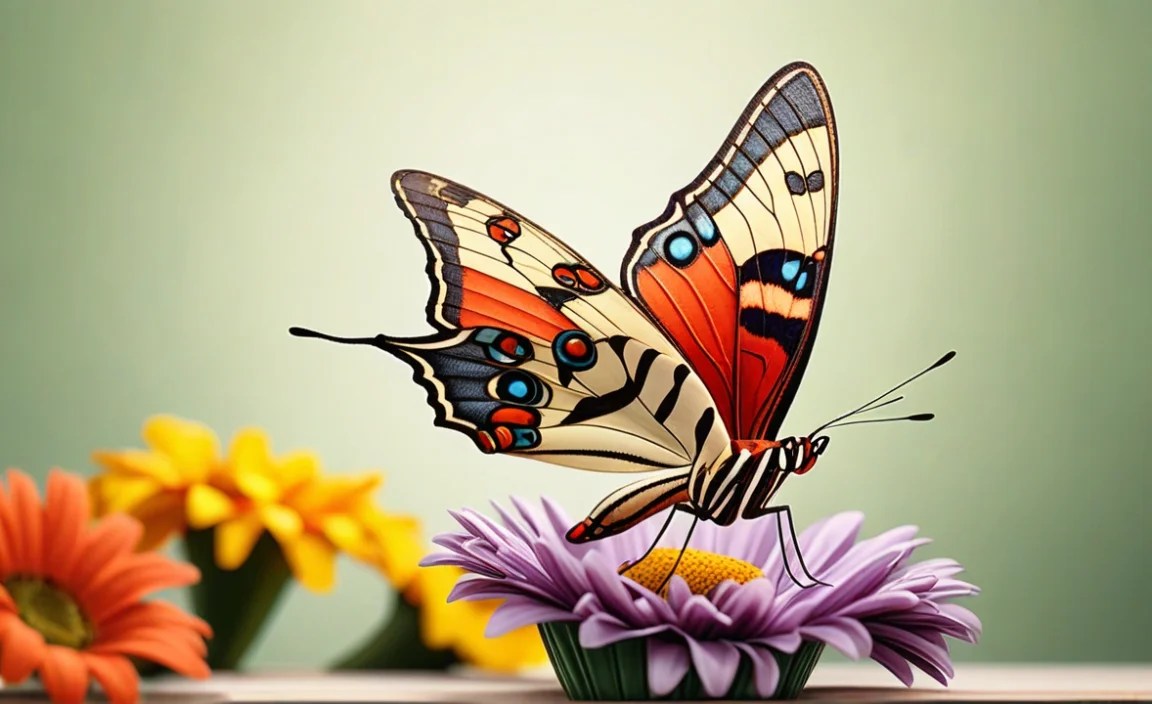
Butterfly activity worksheets are more than just fun printables; they are powerful educational tools designed to engage young minds. These worksheets typically cover a range of topics related to butterflies, from their life cycle to their anatomy and habitats. By incorporating activities like coloring, matching, and puzzles, these worksheets make learning interactive and enjoyable. This approach helps children retain information more effectively and fosters a deeper appreciation for the natural world.
As a naturalist and butterfly enthusiast, I’ve seen firsthand how these worksheets can spark a child’s curiosity and passion for science. They provide a hands-on way for kids to explore complex concepts in a simplified, accessible format. Whether used in the classroom or at home, butterfly activity worksheets are a valuable resource for educators and parents alike.
Benefits of Using Butterfly Activity Worksheets
- Enhanced Learning: Worksheets reinforce key concepts about butterflies in a fun and engaging way.
- Improved Retention: Interactive activities help children remember information more effectively.
- Developed Skills: Activities like coloring and puzzles enhance fine motor skills and problem-solving abilities.
- Increased Interest: Worksheets spark curiosity and encourage further exploration of nature.
- Versatile Use: Suitable for both classroom and home environments, making them a flexible educational tool.
Types of Butterfly Activity Worksheets

There’s a wide variety of butterfly activity worksheets available, each designed to target different learning objectives and skill levels. Understanding the types of worksheets can help you choose the most appropriate resources for your child or students.
Coloring Pages
Coloring pages are a simple yet effective way to introduce young children to the world of butterflies. These pages typically feature outlines of different butterfly species, allowing kids to use their creativity while learning about butterfly shapes and patterns. Coloring also helps develop fine motor skills and hand-eye coordination.
Life Cycle Worksheets
These worksheets illustrate the different stages of a butterfly’s life cycle, from egg to larva (caterpillar), pupa (chrysalis), and adult butterfly. Activities may include labeling the stages, sequencing them in the correct order, or drawing each stage. These worksheets help children understand the process of metamorphosis and the incredible transformation butterflies undergo (Xerces Society).
Anatomy Worksheets
Anatomy worksheets focus on the different parts of a butterfly’s body, such as the wings, antennae, legs, and proboscis. Activities may involve labeling the parts, matching them to their functions, or drawing a detailed diagram. These worksheets help children learn about the physical characteristics of butterflies and how they contribute to their survival.
Matching Games
Matching games are a fun way to reinforce knowledge about different butterfly species or their characteristics. These worksheets typically feature pairs of images or descriptions that children must match correctly. Matching games improve memory, concentration, and pattern recognition skills.
Puzzles and Mazes
Puzzles and mazes add an element of challenge to learning about butterflies. These worksheets may involve solving a butterfly-themed crossword puzzle, completing a word search, or navigating a maze to help a butterfly find its way to a flower. Puzzles and mazes enhance problem-solving skills and critical thinking abilities.
Habitat Worksheets
Habitat worksheets explore the environments where butterflies live, such as meadows, gardens, and forests. Activities may include identifying different habitats, drawing a butterfly in its natural environment, or learning about the plants that butterflies depend on for food and shelter. These worksheets help children understand the importance of habitat conservation for butterfly populations.
Worksheet Examples Table
| Worksheet Type | Description | Learning Objectives | Skills Developed |
|---|---|---|---|
| Coloring Pages | Outlines of butterflies for coloring | Introduction to butterfly shapes and patterns | Fine motor skills, creativity |
| Life Cycle Worksheets | Illustrations of the butterfly life cycle stages | Understanding metamorphosis | Sequencing, observation |
| Anatomy Worksheets | Diagrams of butterfly body parts | Learning butterfly anatomy | Labeling, memory |
| Matching Games | Pairs of images or descriptions to match | Reinforcing knowledge about butterfly species | Memory, concentration |
| Puzzles and Mazes | Crosswords, word searches, and mazes | Enhancing problem-solving skills | Critical thinking, logic |
| Habitat Worksheets | Exploration of butterfly habitats | Understanding butterfly environments | Identification, awareness of conservation |
Finding the Right Butterfly Activity Worksheets

Finding the right butterfly activity worksheets involves considering factors such as age appropriateness, educational content, and engagement level. Here’s a step-by-step guide to help you choose the best resources for your needs.
1. Determine the Age and Skill Level
Start by assessing the age and skill level of the child or students who will be using the worksheets. Worksheets designed for preschoolers will be different from those intended for elementary school students. Look for worksheets that match their current knowledge and abilities to ensure they are challenged but not overwhelmed.
2. Define Your Learning Objectives
Consider what you want the child or students to learn from the worksheets. Are you focusing on the butterfly life cycle, anatomy, or habitat? Choose worksheets that align with your specific learning objectives. This will help you create a more focused and effective learning experience.
3. Search Online Resources
The internet is a treasure trove of butterfly activity worksheets. Here are some reputable websites to explore:
- Educational Websites: Sites like Education.com and BrainPOP offer a variety of printable worksheets and activities.
- Teacher Resource Sites: Websites like Teachers Pay Teachers have worksheets created by educators, often with detailed lesson plans and answer keys.
- Printable Activity Hubs: Websites like Activity Village and Itsy Bitsy Fun offer free printable worksheets on various topics, including butterflies.
When searching, use specific keywords such as “butterfly life cycle worksheet,” “butterfly anatomy activity,” or “free butterfly coloring pages” to narrow down your results.
4. Evaluate the Content and Quality
Once you’ve found some potential worksheets, take the time to evaluate their content and quality. Look for worksheets that are accurate, well-designed, and visually appealing. Make sure the information is presented in a clear and concise manner, and that the activities are engaging and age-appropriate.
5. Check for Answer Keys and Additional Resources
Having answer keys can be incredibly helpful, especially if you’re using the worksheets at home. Answer keys allow you to easily check the child’s work and provide feedback. Additionally, look for worksheets that come with additional resources, such as lesson plans, diagrams, or videos, to enhance the learning experience.
6. Consider Different Worksheet Types
Experiment with different types of butterfly activity worksheets to see what works best for the child or students. Some children may enjoy coloring pages, while others prefer puzzles or matching games. By offering a variety of activities, you can keep them engaged and motivated to learn.
7. Customize and Adapt Worksheets
Don’t be afraid to customize and adapt worksheets to suit your specific needs. You can add your own questions, modify the activities, or combine elements from different worksheets to create a unique learning experience. This can help you tailor the worksheets to the child’s individual learning style and interests.
Creative Ways to Use Butterfly Activity Worksheets

Butterfly activity worksheets are versatile tools that can be used in a variety of creative ways to enhance learning and engagement. Here are some ideas to inspire you:
1. Create a Butterfly Learning Station
Set up a dedicated learning station in your classroom or home where children can explore butterfly-related activities. Include a variety of butterfly activity worksheets, along with books, models, and other resources. This creates an immersive learning environment that encourages exploration and discovery.
2. Combine Worksheets with Hands-On Activities
Pair butterfly activity worksheets with hands-on activities to reinforce learning and make it more engaging. For example, after completing a worksheet on the butterfly life cycle, you could raise caterpillars in a butterfly habitat. This allows children to observe the transformation firsthand and connect what they’ve learned on the worksheet to real-world experiences.
3. Organize a Butterfly-Themed Scavenger Hunt
Create a scavenger hunt using butterfly activity worksheets as clues. Hide the worksheets around your home or classroom, and have children solve the puzzles or answer the questions to find the next clue. This makes learning fun and interactive, and it encourages teamwork and problem-solving skills.
4. Use Worksheets for Assessment
Butterfly activity worksheets can be used as a tool for assessment to gauge children’s understanding of butterfly-related concepts. Use the worksheets as a pre-test to identify areas where they need more instruction, or as a post-test to evaluate their learning after a lesson. This helps you tailor your teaching to meet their specific needs.
5. Incorporate Worksheets into Art Projects
Combine butterfly activity worksheets with art projects to foster creativity and self-expression. For example, after completing a worksheet on butterfly anatomy, children could create a butterfly collage using colorful paper, fabric scraps, and other materials. This allows them to apply what they’ve learned in a creative way and develop their artistic skills.
6. Take Learning Outdoors
Take butterfly activity worksheets outdoors to connect learning with nature. Visit a local butterfly garden or meadow and have children complete the worksheets while observing real butterflies in their natural environment. This makes learning more relevant and meaningful, and it fosters a deeper appreciation for the natural world (National Geographic).
7. Create a Butterfly Journal
Encourage children to create a butterfly journal where they can record their observations, drawings, and reflections about butterflies. Include butterfly activity worksheets in the journal to provide structured learning activities. This helps them develop their writing skills and document their learning journey.
Butterfly Activity Worksheet Ideas Table

| Activity | Description | Benefits |
|---|---|---|
| Butterfly Learning Station | Dedicated area with worksheets, books, and models | Immersive learning environment |
| Hands-On Activities | Pair worksheets with raising caterpillars | Real-world connection |
| Scavenger Hunt | Worksheets as clues in a scavenger hunt | Fun, interactive learning |
| Assessment Tool | Use worksheets for pre- and post-tests | Gauge understanding |
| Art Projects | Combine worksheets with art projects | Creativity and self-expression |
| Outdoor Learning | Take worksheets to butterfly gardens | Connect with nature |
| Butterfly Journal | Record observations and reflections | Writing skills and documentation |
Tips for Maximizing the Impact of Butterfly Activity Worksheets
To ensure that butterfly activity worksheets are as effective as possible, consider these tips:
- Make it Fun: Learning should be enjoyable. Incorporate games, rewards, and positive reinforcement to keep children motivated.
- Be Patient: Every child learns at their own pace. Be patient and provide support as needed.
- Provide Feedback: Offer constructive feedback on their work to help them improve and learn from their mistakes.
- Encourage Exploration: Encourage children to explore butterfly-related topics further through books, videos, and online resources.
- Connect to Real Life: Relate butterfly-related concepts to real-life experiences, such as visiting a butterfly garden or observing butterflies in your backyard.
- Use Technology: Incorporate technology, such as interactive butterfly apps or online simulations, to enhance learning.
- Collaborate with Others: Collaborate with other parents, teachers, or homeschoolers to share ideas and resources.
Conclusion
Butterfly activity worksheets are a fantastic resource for making learning about butterflies fun, engaging, and effective. By choosing the right worksheets, using them creatively, and following these tips, you can help children develop a deep appreciation for these beautiful creatures and the natural world around them. So, go ahead and explore the world of butterfly activity worksheets and watch as your child’s curiosity and knowledge take flight!