
Butterfly Resting Posture: The Ultimate Guide

Butterflies rest with their wings closed or open depending on the species and environmental conditions. Open-winged basking warms them in the sun, while closed wings offer camouflage and protection. Understanding these postures helps identify butterfly species and provides insight into their behavior and needs.
Have you ever watched a butterfly and wondered why it holds its wings in a certain way? It’s a question I get asked all the time! Understanding butterfly resting postures can unlock a whole new level of appreciation for these beautiful creatures. It might seem like a small detail, but it tells us a lot about what the butterfly is doing, how it’s feeling, and even what kind of butterfly it is.
In this guide, we’ll explore the different ways butterflies rest, what each posture means, and how you can use this knowledge to become a better butterfly observer. Get ready to dive into the fascinating world of butterfly behavior!
Why Do Butterfly Resting Postures Matter?
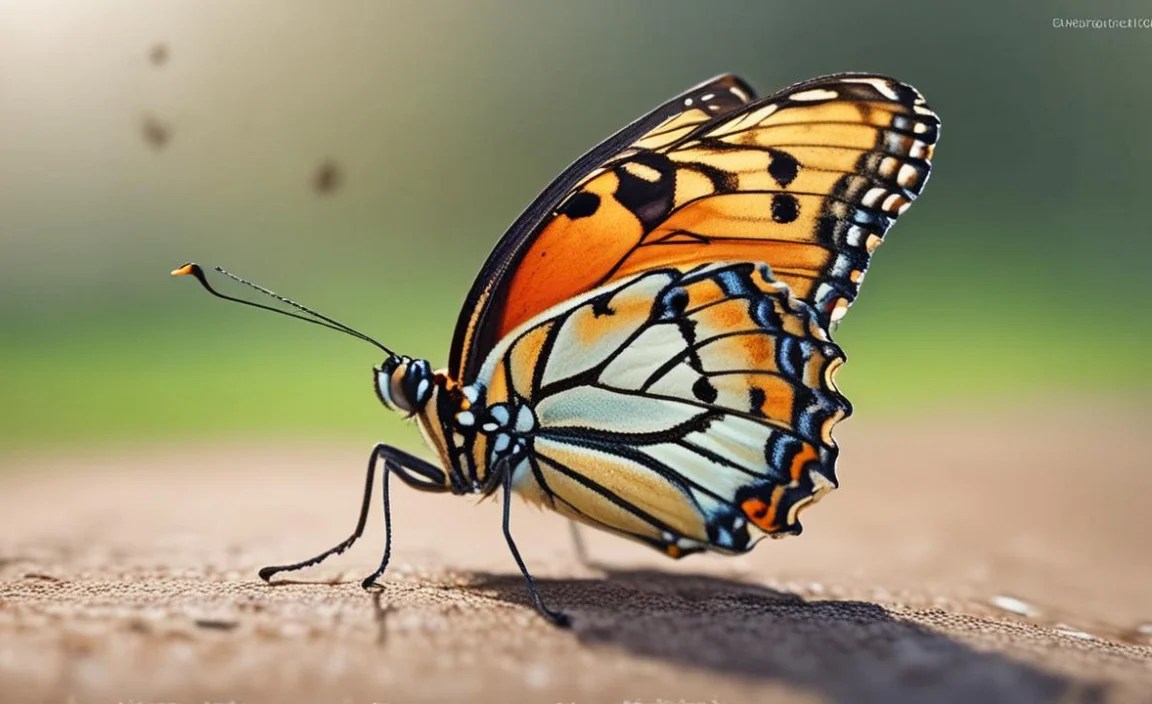

Butterfly resting postures are more than just a way for these insects to take a break. They are crucial for:
- Thermoregulation: Butterflies are cold-blooded, so they rely on external sources of heat to regulate their body temperature. The way they hold their wings helps them absorb or deflect sunlight.
- Camouflage: A butterfly’s wing pattern can help it blend in with its surroundings, providing protection from predators.
- Species Identification: Certain species consistently rest with their wings in a particular position, making it a helpful identification clue.
Common Butterfly Resting Postures
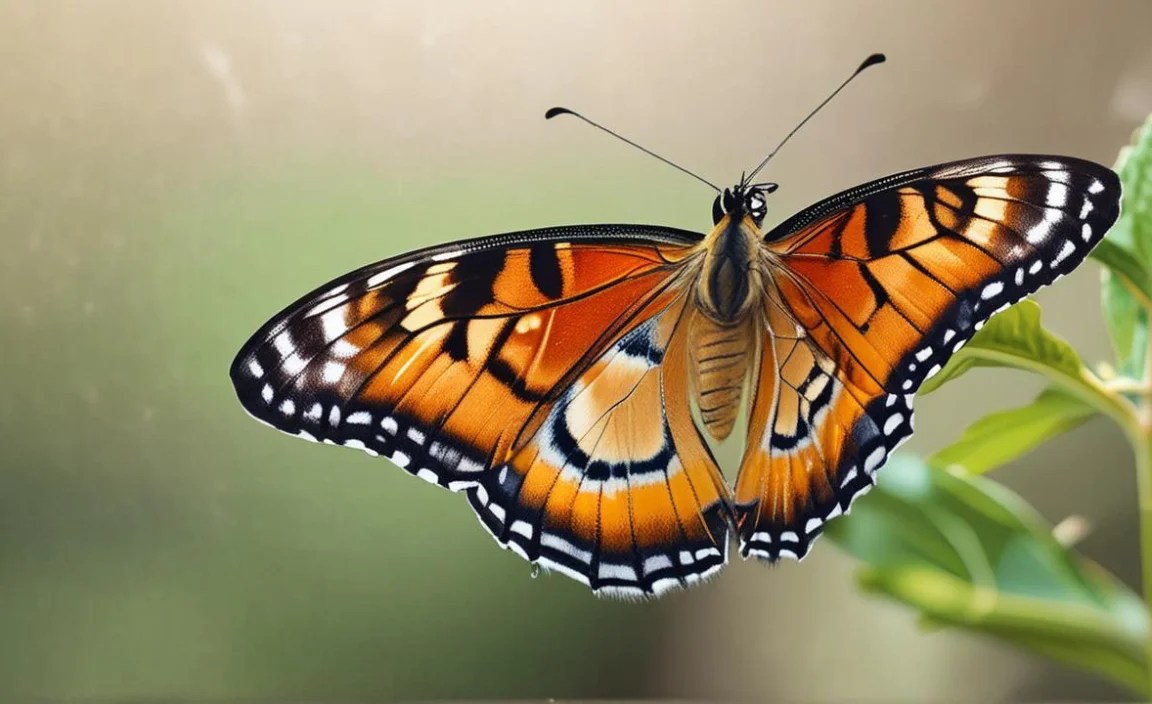

Let’s explore the most common resting postures you’ll see in butterflies:
Closed-Wing Posture
Many butterflies rest with their wings closed, held vertically above their bodies. This posture offers several advantages:
- Camouflage: The undersides of butterfly wings are often patterned to blend in with leaves, bark, or other natural surfaces.
- Protection from Predators: By concealing their bright colors, butterflies become less visible to birds and other predators.
- Reduced Heat Absorption: On hot days, closed wings minimize the surface area exposed to the sun, helping the butterfly stay cool.
Species that commonly exhibit this posture include:
- Skippers
- Swallowtails (sometimes)
- Brush-footed butterflies (some species)
Open-Wing (Basking) Posture
In contrast to the closed-wing posture, some butterflies rest with their wings fully open and flat. This is known as basking and is primarily used for thermoregulation.
- Heat Absorption: By exposing the maximum surface area of their wings to the sun, butterflies can quickly raise their body temperature. This is essential for flight and other activities.
- Attracting Mates: In some species, the bright colors displayed during basking may attract potential mates.
Butterflies that often bask include:
- Swallowtails
- Fritillaries
- Admirals
Flat-Wing Posture
Some butterflies rest with their wings held flat against a surface, either open or slightly closed. This posture is less common than the closed-wing or open-wing postures, but it can be observed in certain species and situations.
- Camouflage: A flat posture can help a butterfly blend in with a flat surface, such as a leaf or rock.
- Thermoregulation: Depending on the angle of the wings, this posture can either maximize or minimize heat absorption.
Species that may exhibit this posture include:
- Monarchs (occasionally)
- Viceroys
Oblique-Wing Posture
In this posture, the butterfly holds its wings partially open, forming a V-shape. This position allows for a balance between thermoregulation and camouflage.
- Partial Heat Absorption: The angled wings can capture some sunlight while still providing a degree of camouflage.
- Airflow: This posture may also allow for better airflow around the butterfly’s body.
Species known to use this posture include:
- Anglewings
- Question Marks
Factors Influencing Resting Posture

Several factors can influence a butterfly’s resting posture:
- Temperature: Butterflies are more likely to bask with open wings on cool days and rest with closed wings on hot days.
- Sunlight: Direct sunlight encourages basking, while shade may lead to closed-wing resting.
- Species: As mentioned earlier, some species have a strong preference for a particular resting posture.
- Time of Day: Butterflies may bask in the morning to warm up and then switch to a closed-wing posture later in the day to avoid overheating.
- Predator Threat: If a butterfly senses danger, it may choose a posture that maximizes camouflage.
Examples of Resting Postures by Butterfly Family

Here’s a table summarizing typical resting postures by butterfly family:
| Family | Common Resting Posture(s) | Notes |
|---|---|---|
| Hesperiidae (Skippers) | Closed-wing, often with hindwings held flat and forewings partially open | Distinctive posture helps identify skippers. |
| Papilionidae (Swallowtails) | Open-wing (basking), closed-wing | Varies depending on temperature and species. |
| Pieridae (Whites and Sulphurs) | Closed-wing | Often found in sunny areas, but wings are usually closed when resting. |
| Lycaenidae (Gossamer-wings) | Closed-wing | Small butterflies with intricate patterns on the undersides of their wings. |
| Nymphalidae (Brush-footed butterflies) | Varies widely; closed-wing, oblique-wing | Includes many diverse species with different resting habits. |
How to Observe Butterfly Resting Postures
Observing butterfly resting postures is a fun and rewarding activity. Here are some tips:
- Be Patient: Butterflies may not always be resting in a way that’s easy to see. Take your time and observe them carefully.
- Use Binoculars: Binoculars can help you get a closer look without disturbing the butterfly.
- Consider the Weather: Pay attention to the temperature and sunlight conditions, as these can influence resting posture.
- Learn Common Species: Familiarize yourself with the butterfly species in your area and their typical resting postures.
- Take Notes: Record your observations in a notebook, including the date, time, location, species (if known), and resting posture.
- Take Photos: Capture photos of the butterflies you observe. This can help you identify them later and document their resting postures.
Tools for Butterfly Observation
Having the right tools can enhance your butterfly observation experience:
- Binoculars: A good pair of binoculars with a close focusing distance is essential for detailed observation. Nikon offers great options.
- Butterfly Field Guide: A field guide will help you identify different species and learn about their behaviors. Check out the Peterson Field Guide to Eastern Butterflies.
- Camera: A camera with a macro lens is ideal for capturing close-up photos of butterflies.
- Notebook and Pen: Keep a notebook and pen handy to record your observations.
- Magnifying Glass: A magnifying glass can help you examine small details on butterfly wings.
The Significance of Wing Patterns
A butterfly’s wing pattern plays a significant role in its resting posture and overall survival. Here’s how:
- Camouflage: As mentioned earlier, wing patterns can help butterflies blend in with their surroundings, providing protection from predators.
- Mimicry: Some butterflies mimic the appearance of other species that are toxic or distasteful to predators. This is known as Batesian mimicry.
- Warning Coloration: Brightly colored wings can serve as a warning to predators that the butterfly is poisonous or unpalatable. This is known as aposematism.
- Thermoregulation: Dark-colored wings absorb more heat than light-colored wings, which can be beneficial for butterflies in cooler climates.
Butterfly Habitats and Resting Behavior
The type of habitat a butterfly lives in can also influence its resting behavior. For example:
- Forests: Forest-dwelling butterflies may prefer to rest in shaded areas with closed wings to avoid overheating.
- Meadows: Meadow butterflies may bask in open areas with open wings to warm up.
- Gardens: Garden butterflies may exhibit a variety of resting postures depending on the temperature, sunlight, and availability of nectar sources.
Creating a Butterfly-Friendly Habitat
If you want to attract more butterflies to your yard, consider creating a butterfly-friendly habitat. Here are some tips:
- Plant Nectar-Rich Flowers: Choose a variety of flowers that bloom at different times of the year to provide a continuous source of nectar.
- Provide Host Plants: Plant host plants for butterfly caterpillars. This will encourage butterflies to lay their eggs in your yard.
- Offer a Water Source: Butterflies need water to drink. Provide a shallow dish of water with pebbles or stones for them to land on.
- Avoid Pesticides: Pesticides can harm or kill butterflies and other beneficial insects.
- Provide Shelter: Plant trees and shrubs to provide shelter from wind and rain.
- Leave Some Leaf Litter: Some butterflies overwinter as pupae in leaf litter. Leave some leaf litter in your yard to provide them with a safe place to hibernate.
Conservation Efforts and Butterfly Populations
Butterfly populations are declining in many parts of the world due to habitat loss, climate change, and pesticide use. Supporting conservation efforts is crucial for protecting these important pollinators. Here are some ways you can help:
- Support Butterfly Conservation Organizations: Donate to or volunteer with organizations that work to protect butterflies and their habitats such as the Butterfly Conservation Society.
- Create Butterfly-Friendly Habitats: Plant nectar-rich flowers and host plants in your yard or community garden.
- Reduce Pesticide Use: Avoid using pesticides in your yard and garden.
- Educate Others: Share your knowledge about butterflies with friends, family, and neighbors.
- Advocate for Conservation Policies: Contact your elected officials and urge them to support policies that protect butterflies and their habitats.
Understanding Camouflage Strategies
Camouflage is a critical survival strategy for butterflies, helping them avoid predators. Here’s a deeper look:
- Leaf Mimicry: Some butterflies have wings that resemble dead leaves, complete with veins and imperfections. This helps them blend in with the forest floor.
- Bark Mimicry: Other butterflies have wings that mimic the texture and color of tree bark, allowing them to disappear against tree trunks.
- Disruptive Coloration: Some butterflies have bold patterns that break up their outline, making it harder for predators to recognize them.
The Role of Butterflies in Ecosystems
Butterflies play a vital role in ecosystems as pollinators. They transfer pollen from one flower to another, helping plants reproduce. This is essential for maintaining biodiversity and supporting food webs.
Butterflies also serve as a food source for birds, reptiles, and other animals. They are an important part of the food chain.
Photographing Butterflies in Their Natural Habitats
Photographing butterflies can be a challenging but rewarding experience. Here are some tips for capturing stunning images:
- Use a Macro Lens: A macro lens will allow you to capture close-up details of butterfly wings and bodies.
- Shoot in Natural Light: Natural light is best for capturing the vibrant colors of butterflies. Avoid using flash, as it can scare them away.
- Focus Carefully: Focus on the butterfly’s eyes or antennae to ensure a sharp image.
- Be Patient: Butterflies are constantly moving, so be patient and wait for the right moment to take your shot.
- Respect Their Space: Avoid disturbing butterflies or damaging their habitat.
Observing Butterfly Behavior Across Seasons
Butterfly behavior changes throughout the year, influenced by temperature, sunlight, and the availability of food sources. Here’s what to look for in each season:
| Season | Typical Behavior | What to Observe |
|---|---|---|
| Spring | Emergence from pupae, mating, and egg-laying | Look for newly emerged butterflies basking in the sun, searching for mates, and laying eggs on host plants. |
| Summer | Active feeding, reproduction, and migration (in some species) | Observe butterflies feeding on nectar-rich flowers, engaging in courtship displays, and migrating to new areas. |
| Autumn | Preparation for overwintering, migration (in some species) | Watch for butterflies feeding heavily to build up energy reserves for the winter, migrating to warmer climates, or seeking out overwintering sites. |
| Winter | Overwintering as eggs, larvae, pupae, or adults | Look for butterfly eggs on host plants, caterpillars feeding on leaves, pupae in leaf litter, or adult butterflies hibernating in sheltered locations. |
FAQ About Butterfly Resting Posture
Why do butterflies hold their wings differently?
Butterflies hold their wings differently to regulate their body temperature, camouflage themselves from predators, and sometimes to attract mates. The specific posture depends on the species and environmental conditions.
What does it mean when a butterfly has its wings open?
When a butterfly has its wings open, it’s usually basking in the sun to warm up. Butterflies are cold-blooded and need to absorb heat to fly and be active.
Why do some butterflies rest with their wings closed?
Butterflies rest with their wings closed for camouflage, hiding their bright colors from predators. It also helps them conserve heat or stay cool by reducing sun exposure.
Do all butterflies rest with their wings closed?
No, not all butterflies rest with their wings closed. Some species, like swallowtails and fritillaries, often bask with their wings open to absorb sunlight.
How does temperature affect a butterfly’s resting posture?
On cool days, butterflies will often open their wings to bask in the sun and raise their body temperature. On hot days, they’ll usually keep their wings closed to avoid overheating.
Can a butterfly’s resting posture help identify it?
Yes, a butterfly’s resting posture can be a helpful clue for identification. Some species consistently rest with their wings in a particular position, making it easier to recognize them.
What can I do to help butterflies in my yard?
You can help butterflies by planting nectar-rich flowers and host plants, providing a water source, avoiding pesticides, and creating a sheltered habitat. These steps will attract butterflies and support their life cycle.
Conclusion
Understanding butterfly resting postures opens a window into the lives of these fascinating creatures. By observing how butterflies hold their wings, we can learn about their thermoregulation strategies, camouflage techniques, and even their species identity. As you continue to explore the world of butterflies, remember that every detail, from wing patterns to resting postures, has a story to tell. By creating butterfly-friendly habitats and supporting conservation efforts, we can help ensure that these beautiful insects continue to thrive for generations to come.


