
Butterfly Spotting and Photo Cataloging: A Fun Guide

**Quick Summary:** Want to become a butterfly spotting pro and create a beautiful photo catalog? This guide simplifies the process! Learn how to find butterflies, identify them using field guides and online resources, capture stunning photos, and organize your findings into a personal butterfly catalog. Get ready to explore the fascinating world of butterflies!
Butterflies, with their vibrant wings and graceful flight, are a joy to behold. But have you ever wanted to do more than just admire them? Butterfly spotting and photo cataloging is a wonderful way to connect with nature, learn about these amazing creatures, and contribute to citizen science. It might seem intimidating at first, but with a few simple steps, you can become a butterfly enthusiast in no time!
This guide will walk you through everything you need to know to start your butterfly spotting and photo cataloging adventure. From finding the best butterfly habitats to mastering your camera settings and creating a stunning visual record of your discoveries, we’ll cover it all. So, grab your binoculars and camera, and let’s get started!
Getting Started with Butterfly Spotting
Before you can start photographing and cataloging butterflies, you need to find them! Here’s how to increase your chances of successful butterfly spotting:
Understanding Butterfly Habitats
Butterflies are particular about where they live. Knowing their preferences will significantly improve your spotting success. Here are some key habitat features to look for:
- Sunlight: Butterflies are cold-blooded and need sunlight to warm their bodies for flight. Look for sunny spots, especially in the morning.
- Food Sources: Butterflies need nectar from flowers for energy. Plant native flowering plants in your garden or visit areas with abundant wildflowers.
- Host Plants: Caterpillars need specific plants to feed on. Research which host plants attract the butterflies you want to see. For example, Monarch caterpillars rely exclusively on milkweed.
- Shelter: Butterflies need protection from wind and rain. Look for areas with trees, shrubs, and tall grasses.
- Water: Butterflies need water, especially during hot weather. They often gather at puddles or damp soil to drink.
Best Times for Butterfly Spotting
Timing is everything! Here’s when you’re most likely to see butterflies:
- Time of Day: Mid-morning to mid-afternoon is usually the best time, when the sun is shining brightly.
- Weather Conditions: Butterflies are most active on warm, sunny days with little or no wind. They tend to hide during cloudy, rainy, or windy weather.
- Season: Butterfly activity varies depending on the species and location. Spring and summer are generally the best seasons, but some species are active in the fall.
Essential Equipment for Butterfly Spotting
Having the right equipment can make your butterfly spotting experience more enjoyable and productive:
- Binoculars: A good pair of binoculars will help you spot butterflies from a distance and observe them in detail. Look for binoculars with a magnification of 8x or 10x.
- Camera: A camera is essential for capturing photos of the butterflies you find. A DSLR or mirrorless camera with a macro lens is ideal, but a smartphone camera can also work well.
- Field Guide: A field guide will help you identify the butterflies you see. Choose a guide that covers your region and includes detailed descriptions and illustrations.
- Notebook and Pen: A notebook and pen are useful for recording your observations, such as the date, time, location, and behavior of the butterflies you see.
- Comfortable Clothing and Shoes: Wear comfortable clothing and shoes that are appropriate for the weather and terrain.
- Water and Snacks: Bring plenty of water and snacks to stay hydrated and energized during your butterfly spotting adventures.
Butterfly Identification Techniques
Identifying butterflies can be challenging, but it’s also incredibly rewarding. Here are some tips to help you identify the butterflies you see:
Using Field Guides Effectively
Field guides are your best friend when it comes to butterfly identification. Here’s how to use them effectively:
- Start with the Basics: Pay attention to the butterfly’s size, shape, and color.
- Look at the Wing Patterns: Note the patterns, spots, and stripes on the wings.
- Consider the Location and Habitat: Some butterflies are only found in specific regions or habitats.
- Compare to Illustrations: Compare the butterfly you see to the illustrations in the field guide.
- Read the Descriptions: Read the descriptions carefully, paying attention to key identifying features.
Online Resources for Butterfly Identification
In addition to field guides, there are many online resources that can help you identify butterflies:
- Butterflies and Moths of North America (BAMONA): This website provides information and photos of butterflies and moths in North America. butterfliesandmoths.org
- iNaturalist: This citizen science platform allows you to upload photos of butterflies and get help with identification from other users. iNaturalist.org
- BugGuide.Net: This website provides information and photos of insects, spiders, and other arthropods, including butterflies. bugguide.net
Key Characteristics to Observe
When identifying butterflies, pay attention to these key characteristics:
| Characteristic | Description |
|---|---|
| Size | Small, medium, or large |
| Shape | Rounded, angular, or elongated wings |
| Color | Dominant colors and patterns |
| Wing Patterns | Spots, stripes, bands, or other markings |
| Habitat | Type of environment where the butterfly was found |
| Behavior | How the butterfly was behaving (e.g., flying, feeding, resting) |
Butterfly Photography Techniques
Capturing stunning photos of butterflies requires patience, skill, and the right equipment. Here are some tips to help you improve your butterfly photography:
Choosing the Right Camera and Lens
The right camera and lens can make a big difference in the quality of your butterfly photos:
- DSLR or Mirrorless Camera: These cameras offer more control over settings and allow you to use different lenses.
- Macro Lens: A macro lens is essential for capturing close-up details of butterflies. Look for a lens with a focal length of 100mm or greater.
- Telephoto Lens: A telephoto lens can be useful for photographing butterflies from a distance, especially if they are skittish.
Mastering Camera Settings
Understanding your camera settings is crucial for capturing sharp, well-exposed butterfly photos:
- Aperture: Use a wide aperture (e.g., f/2.8 or f/4) to create a shallow depth of field and blur the background.
- Shutter Speed: Use a fast shutter speed (e.g., 1/250 second or faster) to freeze the butterfly’s motion.
- ISO: Use a low ISO (e.g., 100 or 200) to minimize noise in your photos.
- Focus: Use manual focus to ensure that the butterfly is sharp and in focus.
Composition Tips for Stunning Butterfly Photos
Composition is key to creating visually appealing butterfly photos:
- Rule of Thirds: Place the butterfly off-center, following the rule of thirds.
- Leading Lines: Use leading lines to draw the viewer’s eye to the butterfly.
- Background: Choose a clean, uncluttered background that doesn’t distract from the butterfly.
- Angle: Experiment with different angles to find the most flattering perspective.
- Fill the Frame: Get close to the butterfly to fill the frame and capture its details.
Ethical Considerations for Butterfly Photography
It’s important to photograph butterflies ethically and responsibly:
- Do Not Disturb: Avoid disturbing the butterfly’s natural behavior.
- Do Not Handle: Do not handle butterflies, as this can damage their delicate wings.
- Stay on Trails: Stay on trails to avoid trampling vegetation and disturbing wildlife.
- Respect Private Property: Obtain permission before photographing butterflies on private property.
Creating Your Butterfly Photo Catalog
Once you’ve captured your butterfly photos, it’s time to organize them into a catalog. Here’s how:
Choosing a Cataloging Method
There are several ways to catalog your butterfly photos:
- Digital Catalog: Use a photo management software like Adobe Lightroom or Apple Photos to organize your photos digitally.
- Physical Catalog: Print your photos and create a physical photo album or scrapbook.
- Combination: Use a combination of digital and physical methods to catalog your photos.
Organizing Your Photos
Organize your photos in a way that makes sense to you. Here are some suggestions:
- By Species: Group photos by butterfly species.
- By Location: Group photos by the location where they were taken.
- By Date: Group photos by the date they were taken.
- By Project: Group photos by specific projects or themes.
Adding Metadata to Your Photos
Metadata is information about your photos that can be added to the image file. This can include:
- Date and Time: The date and time the photo was taken.
- Location: The location where the photo was taken.
- Species: The species of butterfly in the photo.
- Camera Settings: The camera settings used to take the photo.
- Notes: Any other relevant information about the photo.
Adding metadata to your photos can make them easier to search and organize.
Sharing Your Butterfly Catalog
Share your butterfly catalog with others to inspire and educate:
- Online Platforms: Share your photos on social media platforms like Instagram, Facebook, or Flickr.
- Citizen Science Projects: Contribute your photos to citizen science projects like iNaturalist or BAMONA.
- Local Organizations: Share your photos with local nature centers, butterfly clubs, or conservation organizations.
- Exhibitions: Consider exhibiting your photos at local art galleries or nature centers.
Butterfly Conservation and Citizen Science
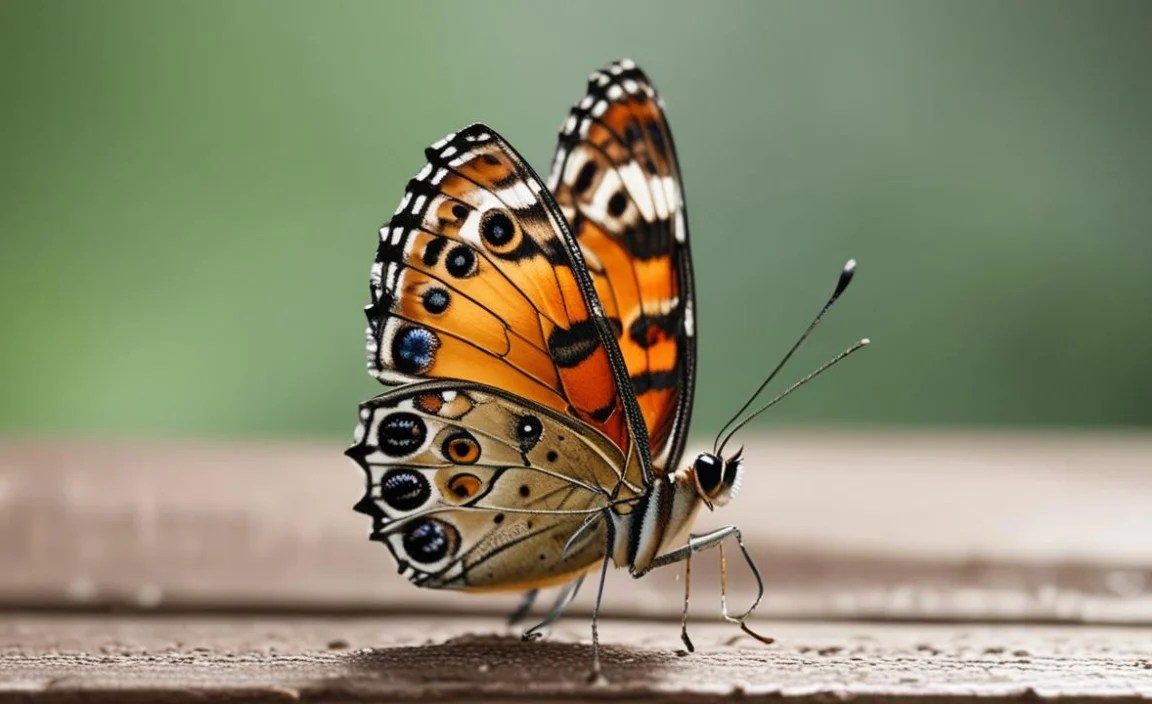
Butterfly spotting and photo cataloging can contribute to butterfly conservation and citizen science. Here’s how:
Contributing to Butterfly Monitoring Programs
Many organizations run butterfly monitoring programs that rely on citizen scientists to collect data on butterfly populations. By participating in these programs, you can help track butterfly populations and identify areas where conservation efforts are needed. The Xerces Society is a great resource for finding monitoring programs in your area. xerces.org
Supporting Butterfly Habitat Restoration
Butterfly habitats are under threat from habitat loss, pesticide use, and climate change. You can support butterfly habitat restoration by:
- Planting Native Plants: Plant native flowering plants and host plants in your garden or community.
- Reducing Pesticide Use: Avoid using pesticides in your garden, as they can harm butterflies and other beneficial insects.
- Supporting Conservation Organizations: Donate to or volunteer with organizations that are working to protect butterfly habitats.
Raising Awareness about Butterfly Conservation
Raise awareness about butterfly conservation by:
- Sharing Your Photos: Share your butterfly photos and information about butterfly conservation on social media.
- Educating Others: Talk to your friends, family, and neighbors about the importance of butterfly conservation.
- Supporting Legislation: Support legislation that protects butterfly habitats and promotes butterfly conservation.
Frequently Asked Questions (FAQs)
Q1: What is the best time of day to spot butterflies?
Butterflies are most active from mid-morning to mid-afternoon on warm, sunny days. They need the sun’s warmth to fly!
Q2: What equipment do I need for butterfly spotting?
Essential equipment includes binoculars, a camera, a field guide, a notebook, and comfortable clothing. A macro lens is great for close-up photos!
Q3: How can I attract butterflies to my garden?
Plant native flowering plants and host plants. Avoid pesticides and provide a water source, like a shallow dish of water with pebbles.
Q4: How do I identify a butterfly species?
Use a field guide to compare the butterfly’s size, shape, color, and wing patterns. Online resources like BAMONA and iNaturalist can also help.
Q5: What does it mean to add metadata to my butterfly photos?
Metadata is extra information you add to your photo files, like the date, location, butterfly species, and camera settings. It helps you organize and search your photos later.
Q6: How can I contribute to butterfly conservation?
Participate in butterfly monitoring programs, support habitat restoration by planting native plants, and raise awareness about butterfly conservation in your community.
Q7: Is it OK to touch a butterfly’s wings?
No, it’s best not to touch a butterfly’s wings. They are delicate and can be easily damaged, which can affect the butterfly’s ability to fly and survive.
Conclusion
Butterfly spotting and photo cataloging is a rewarding hobby that connects you with nature, enhances your knowledge, and contributes to conservation efforts. By understanding butterfly habitats, mastering identification techniques, and honing your photography skills, you can create a stunning visual record of these incredible creatures. So, get out there, explore the world of butterflies, and share your discoveries with others. You might just inspire the next generation of butterfly enthusiasts!


