
Tropical Rainforest Butterflies: Discover Beauty!

Tropical rainforest butterflies are some of the most vibrant and diverse insects on Earth! These amazing creatures display a dazzling array of colors and patterns. Discover where they live, what they eat, and how you can help protect their rainforest homes.
Have you ever wondered about the butterflies that live in the rainforest? These butterflies are special because they thrive in a warm, wet environment full of colorful plants and unique animals. It can be tricky to learn about them because the rainforest is so vast and complex. But don’t worry! This guide will help you understand where these butterflies live, what they eat, and how they play a vital role in the rainforest ecosystem. We’ll also explore what makes them so colorful and how we can help protect them.
Get ready to explore the fascinating world of tropical rainforest butterflies!
What Are Tropical Rainforest Butterflies?
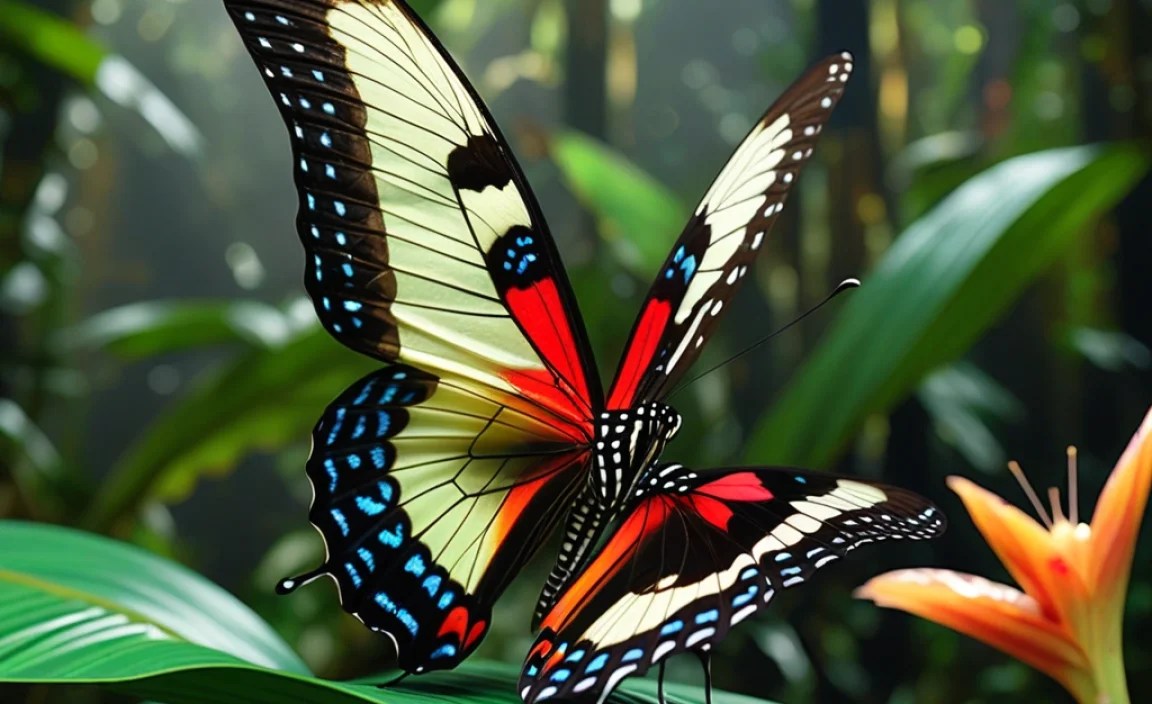
Tropical rainforest butterflies are butterfly species that live in tropical rainforests. These forests are located near the equator and have warm temperatures and high rainfall all year round. This climate creates the perfect conditions for a huge variety of plants and animals, including butterflies.
Characteristics of Tropical Rainforest Butterflies
Tropical rainforest butterflies are known for their:
- Bright Colors: They often have vivid colors and patterns that help them attract mates or camouflage themselves.
- Large Size: Many rainforest butterflies are larger than butterflies found in other climates.
- Unique Shapes: Their wings can have unusual shapes and extensions.
- Special Diets: They feed on nectar from rainforest flowers, rotting fruit, and even minerals from mud.
Why Are They Important?
These butterflies are crucial for the rainforest ecosystem because:
- Pollination: They help pollinate rainforest plants, which is essential for plant reproduction.
- Food Source: They serve as a food source for birds, reptiles, and other insects.
- Indicators of Ecosystem Health: Their presence and health can indicate the overall health of the rainforest.
Where Do Tropical Rainforest Butterflies Live?

Tropical rainforests are found in several regions around the world. These regions provide the ideal habitat for these colorful insects.
Major Rainforest Regions
- Amazon rainforest: Located in South America, the Amazon is the largest rainforest on Earth and home to countless butterfly species.
- Congo Rainforest: Found in Central Africa, this rainforest is the second largest in the world and has a rich diversity of butterflies.
- Southeast Asian Rainforests: These rainforests, found in countries like Indonesia, Malaysia, and Thailand, are known for their unique butterfly species.
- Australian Rainforests: Located in northeastern Australia, these rainforests have a variety of butterflies adapted to the local environment.
Specific Habitats Within Rainforests
Within these rainforests, butterflies can be found in different habitats:
- Canopy: The upper layer of the rainforest, where many butterflies fly among the treetops.
- Understory: The layer below the canopy, where butterflies can be found in shaded areas.
- Forest Floor: Some butterflies live closer to the ground, often near streams or damp areas.
- Riverbanks and Clearings: These open areas provide sunlight and flowering plants that attract butterflies.
Popular Tropical Rainforest Butterfly Species

Many butterfly species call the tropical rainforest home. Here are a few of the most well-known and fascinating.
Morpho Butterflies
Morpho butterflies are famous for their iridescent blue wings. The color comes from the microscopic scales on their wings that reflect light. They are found in the rainforests of Central and South America.
- Appearance: Bright blue wings with a metallic sheen. The underside of the wings is brown with eyespots.
- Size: Wingspan can range from 5 to 8 inches.
- Habitat: Tropical rainforests of Central and South America.
- Fun Fact: The bright blue color is created by the structure of the scales on their wings, not by pigment.
Owl Butterflies
Owl butterflies are named for the large eyespots on their wings, which resemble owl eyes. These eyespots help to scare away predators. They are found in the rainforests of Central and South America.
- Appearance: Large brown wings with prominent eyespots.
- Size: Wingspan can range from 5 to 6.5 inches.
- Habitat: Tropical rainforests of Central and South America.
- Fun Fact: The eyespots on their wings startle predators, giving the butterfly a chance to escape.
Birdwing Butterflies
Birdwing butterflies are among the largest butterflies in the world. Their wings are often brightly colored with striking patterns. They are found in the rainforests of Southeast Asia and Australia.
- Appearance: Large, colorful wings with bold patterns.
- Size: Wingspan can range from 5 to 11 inches.
- Habitat: Rainforests of Southeast Asia and Australia.
- Fun Fact: Some birdwing butterflies are protected by law due to their rarity and beauty.
Swallowtail Butterflies
Swallowtail butterflies are known for the distinctive tails on their hindwings. They come in a variety of colors and patterns and are found in rainforests around the world.
- Appearance: Colorful wings with tail-like extensions on the hindwings.
- Size: Wingspan can range from 2.5 to 6 inches.
- Habitat: Rainforests worldwide.
- Fun Fact: The tails on their wings may help to distract predators.
The Life Cycle of a Tropical Rainforest Butterfly

Like all butterflies, tropical rainforest butterflies go through a complete metamorphosis. This means they have four distinct life stages:
- Egg: Butterflies lay their eggs on plants that the caterpillars will eat.
- Larva (Caterpillar): The caterpillar hatches from the egg and spends its time eating and growing.
- Pupa (Chrysalis): The caterpillar transforms into a pupa, also known as a chrysalis. Inside the pupa, the caterpillar changes into a butterfly.
- Adult Butterfly: The adult butterfly emerges from the pupa. It can then reproduce and continue the cycle.
Unique Adaptations
Tropical rainforest butterflies have unique adaptations that help them survive in their environment:
- Camouflage: Some butterflies have patterns that help them blend in with their surroundings.
- Mimicry: Some butterflies mimic the appearance of poisonous butterflies to avoid predators.
- Specialized Diets: Caterpillars may feed on specific plants that contain toxins, making them unpalatable to predators.
What Do Tropical Rainforest Butterflies Eat?
The diet of tropical rainforest butterflies varies depending on their life stage.
Caterpillar Diet
Caterpillars are herbivores, which means they eat plants. They feed on the leaves, flowers, and fruits of various rainforest plants. Some caterpillars are very specific about what they eat, while others are more general feeders.
- Leaves: Most caterpillars feed on leaves.
- Flowers: Some caterpillars eat flowers for extra nutrients.
- Fruits: Certain caterpillars eat fruits.
Adult Butterfly Diet
Adult butterflies primarily feed on liquids. They use a long, straw-like tongue called a proboscis to suck up their food.
- Nectar: Nectar from flowers is the main food source for adult butterflies.
- Rotting Fruit: Some butterflies feed on the juices of rotting fruit.
- Tree Sap: They also drink tree sap.
- Mud Puddles: Butterflies get minerals and salts from mud puddles, which are essential for reproduction.
Threats to Tropical Rainforest Butterflies
Tropical rainforest butterflies face several threats that endanger their populations.
Deforestation
Deforestation is one of the biggest threats to these butterflies. When rainforests are cut down for logging, agriculture, and development, the butterflies lose their habitat and food sources. According to the Rainforest Alliance, deforestation accounts for 15% of global greenhouse gas emissions, further impacting the environment. The loss of trees and plants disrupts the delicate balance of the rainforest ecosystem, making it difficult for butterflies to survive.
Climate Change
Climate change also poses a significant threat. Changes in temperature and rainfall patterns can disrupt the butterflies’ life cycles and affect the availability of their food sources. Rising temperatures can also lead to the extinction of certain butterfly species that are unable to adapt to the changing conditions.
Pesticide Use
Pesticides used in agriculture can harm butterflies and other insects. These chemicals can contaminate their food sources and directly poison them. The widespread use of pesticides can lead to a decline in butterfly populations and disrupt the food chain.
Collection and Trade
The collection and trade of butterflies can also threaten their populations, especially if it is done unsustainably. Some butterfly species are highly sought after by collectors, leading to over-collection and a decline in their numbers. Sustainable butterfly farming can provide an alternative to wild collection, but it needs to be carefully managed to ensure it does not harm wild populations.
How to Help Protect Tropical Rainforest Butterflies
There are many ways to help protect tropical rainforest butterflies and their habitats.
Support Conservation Organizations
Supporting conservation organizations that work to protect rainforests is a great way to make a difference. These organizations work to conserve rainforests, protect endangered species, and promote sustainable practices. Some well-known organizations include the Rainforest Alliance, the World Wildlife Fund (WWF), and the Nature Conservancy.
Promote Sustainable Practices
Promoting sustainable practices can help reduce the impact of human activities on rainforests. This includes supporting sustainable agriculture, reducing your carbon footprint, and buying products that are certified sustainable. By making conscious choices, you can help protect rainforests and the butterflies that live there.
Create Butterfly-Friendly Habitats
You can create butterfly-friendly habitats in your own backyard by planting native flowering plants that provide nectar for adult butterflies and host plants for caterpillars. Avoid using pesticides and herbicides, which can harm butterflies and other beneficial insects. Creating a butterfly garden can provide a safe haven for butterflies and help to support their populations.
Educate Others
Educating others about the importance of rainforests and the threats they face is crucial. Share information about tropical rainforest butterflies and their habitats with your friends, family, and community. By raising awareness, you can inspire others to take action and help protect these amazing creatures. You can also support educational programs and initiatives that promote rainforest conservation.
Fun Facts About Tropical Rainforest Butterflies
Tropical rainforest butterflies are full of surprises! Here are some fun facts to spark your interest.
- Taste Receptors on Their Feet: Butterflies taste with their feet! This helps them find the best plants to lay their eggs on.
- Long Migrations: Some rainforest butterflies migrate long distances to find food or suitable breeding grounds.
- Wing Patterns as Defense: Many butterflies use their wing patterns to startle predators or blend in with their surroundings.
- Important Pollinators: Butterflies play a crucial role in pollinating rainforest plants, helping to maintain the ecosystem’s health.
Table: Comparison of Popular Tropical Rainforest Butterflies
| Butterfly Species | Appearance | Size (Wingspan) | Habitat | Fun Fact |
|---|---|---|---|---|
| Morpho Butterfly | Bright blue, metallic wings | 5-8 inches | Central and South America | Color from wing scale structure, not pigment |
| Owl Butterfly | Large brown wings with eyespots | 5-6.5 inches | Central and South America | Eyespots startle predators |
| Birdwing Butterfly | Large, colorful wings with bold patterns | 5-11 inches | Southeast Asia and Australia | Some species are protected by law |
| Swallowtail Butterfly | Colorful wings with tail-like extensions | 2.5-6 inches | Worldwide | Tails distract predators |
Table: Threats to Tropical Rainforest Butterflies and Solutions
| Threat | Description | Solution |
|---|---|---|
| Deforestation | Loss of habitat due to logging, agriculture, and development | Support conservation organizations, promote sustainable practices, reduce carbon footprint |
| Climate Change | Changes in temperature and rainfall patterns | Reduce greenhouse gas emissions, support climate change initiatives |
| Pesticide Use | Harm to butterflies and other insects from chemicals | Use organic gardening methods, avoid pesticides, support sustainable agriculture |
| Collection and Trade | Unsustainable collection and trade of butterflies | Support sustainable butterfly farming, avoid buying wild-caught butterflies, educate others |
FAQ: Tropical Rainforest Butterflies
What makes tropical rainforest butterflies so colorful?
Tropical rainforest butterflies are colorful because of the pigments in their wing scales and the structure of the scales themselves. Some colors are created by the way light reflects off the scales, like the bright blue of Morpho butterflies.
Where are most tropical rainforest butterflies found?
Most tropical rainforest butterflies are found in the Amazon Rainforest in South America, the Congo Rainforest in Central Africa, and the rainforests of Southeast Asia.
What do tropical rainforest butterflies eat?
Caterpillars eat leaves, flowers, and fruits. Adult butterflies feed on nectar from flowers, rotting fruit, tree sap, and minerals from mud puddles.
How do tropical rainforest butterflies help the environment?
They help by pollinating plants, which is essential for plant reproduction. They also serve as a food source for other animals and indicate the overall health of the rainforest ecosystem.
What are the main threats to tropical rainforest butterflies?
The main threats are deforestation, climate change, pesticide use, and unsustainable collection and trade.
How can I help protect tropical rainforest butterflies?
You can help by supporting conservation organizations, promoting sustainable practices, creating butterfly-friendly habitats, and educating others about the importance of rainforests.
What is the life cycle of a tropical rainforest butterfly?
The life cycle includes four stages: egg, larva (caterpillar), pupa (chrysalis), and adult butterfly. Each stage has unique characteristics and adaptations.
Conclusion
Tropical rainforest butterflies are truly amazing creatures. Their vibrant colors, unique adaptations, and crucial role in the rainforest ecosystem make them a vital part of our planet’s biodiversity. By understanding the threats they face and taking action to protect them, we can help ensure that these beautiful butterflies continue to thrive for generations to come. Whether it’s supporting conservation efforts, creating butterfly gardens, or simply spreading awareness, every little bit helps in preserving these natural treasures. Let’s all do our part to protect the rainforests and the butterflies that call them home!


