
Grass Yellow Butterfly: Spot it Easily!

The Grass Yellow butterfly is a common sight in gardens and fields across Asia, Africa, and Australia. These small, bright yellow butterflies are known for their quick flight and fondness for nectar. Attracting them to your garden is easy with the right plants, and observing them can bring joy to any nature lover!
Have you ever noticed a flash of yellow flitting through your garden, only to catch a glimpse of a tiny butterfly? Chances are, you’ve spotted a Grass Yellow butterfly. These little beauties are common, but that doesn’t make them any less fascinating. Many people struggle to identify butterflies, especially the smaller yellow ones. Don’t worry! This guide will help you identify Grass Yellow butterflies, attract them to your garden, and understand their role in the ecosystem. Get ready to become a Grass Yellow expert!
Identifying Grass Yellow Butterflies
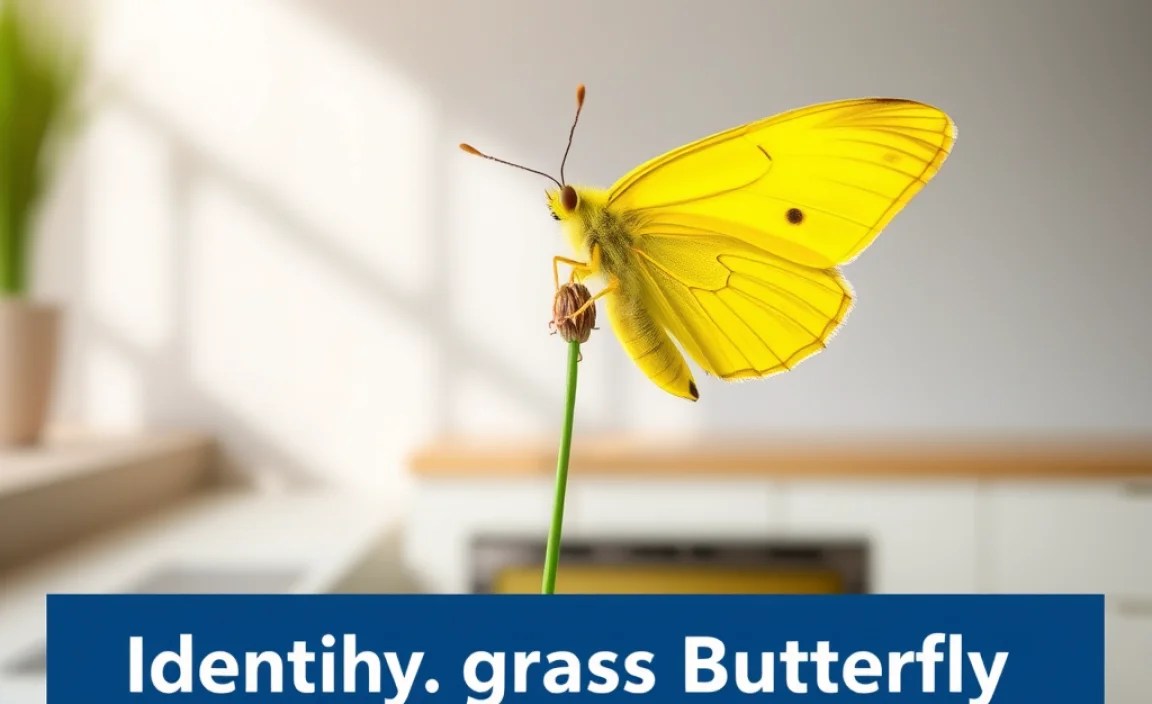
Grass Yellow butterflies belong to the genus Eurema, and several species look very similar. Here’s how to tell them apart:
Key Characteristics
- Size: Small, with a wingspan of about 1.5 to 2 inches (3.8 to 5 cm).
- Color: Predominantly yellow, with variations in shade and markings depending on the species.
- Wing Shape: Rounded wings, making their flight appear delicate and fluttering.
- Markings: Look for black borders or spots on the edges of the wings. The intensity and pattern of these markings vary between species.
Common Species
Here’s a table to help you identify some of the most common Grass Yellow species:
| Species | Appearance | Habitat | Distinguishing Features |
|---|---|---|---|
| Eurema hecabe (Common Grass Yellow) | Bright yellow with a broad black border on the forewing. | Widespread across Asia and Australia. | Very common; look for the continuous black border. |
| Eurema blanda (Three-spot Grass Yellow) | Pale yellow with three distinct black spots on the underside of the hindwing. | Found in South and Southeast Asia. | The three black spots are the key identifier. |
| Eurema brigitta (Small Grass Yellow) | Smaller than other species, with a narrow black border on the forewing. | Africa, Asia, and Australia. | Its small size and delicate markings set it apart. |
| Eurema nicippe (Sleepy Orange) | Orange rather than yellow. | North and South America | The orange color is the key identifier. |
Note: Identifying butterflies can be tricky, and variations can occur within species. Use a combination of features and consult field guides for accurate identification.
Distinguishing Grass Yellows from Other Yellow Butterflies
Several other yellow butterflies might be confused with Grass Yellows. Here’s how to tell the difference:
- Sulfurs (Colias spp.): Sulfurs are generally larger and have more pointed wings. They also tend to have more extensive black markings.
- Clouded Yellows (Colias croceus): Similar to Sulfurs, but often have a more orange hue and a broader black border.
- Swallowtails (Papilio spp.): Some Swallowtails have yellow forms, but their distinctive tail-like extensions on the hindwings make them easy to identify.
Attracting Grass Yellow Butterflies to Your Garden

Creating a butterfly-friendly garden is a rewarding experience. Here’s how to attract Grass Yellow butterflies:
Planting Host Plants
Host plants are essential for butterflies because they provide food for their caterpillars. Grass Yellow caterpillars primarily feed on plants in the Fabaceae (pea) family. Here are some excellent choices:
- Senna (Senna spp.): Various Senna species are readily eaten by Grass Yellow caterpillars. They offer beautiful yellow flowers, attracting adult butterflies as well.
- Alfalfa (Medicago sativa): A nutritious food source for caterpillars and beneficial for soil health.
- Clover (Trifolium spp.): Easy to grow and provides nectar for adult butterflies, in addition to being a host plant.
- Peas and Beans (Pisum & Phaseolus spp.): Common garden plants that can support Grass Yellow caterpillars.
Providing Nectar Sources
Adult butterflies need nectar for energy. Plant a variety of flowering plants that bloom at different times of the year to provide a continuous food source.
- Lantana (Lantana spp.): A favorite of many butterflies, with clusters of colorful flowers.
- Marigolds (Tagetes spp.): Easy to grow and provide bright yellow and orange blooms.
- Zinnias (Zinnia spp.): Available in a wide range of colors and attract a variety of butterflies.
- Cosmos (Cosmos spp.): Delicate, daisy-like flowers that bloom profusely.
- Pentas (Pentas lanceolata): Star-shaped flowers that come in various colors and attract butterflies and hummingbirds.
Creating a Butterfly-Friendly Habitat
Beyond food, butterflies need shelter, water, and protection from pesticides.
- Shelter: Plant shrubs and trees to provide shelter from wind and predators.
- Water: Create a shallow puddle or “puddling station” with wet sand or gravel. Butterflies gather to drink and absorb minerals from the damp soil.
- Sunlight: Butterflies need sunlight to warm their bodies. Ensure your garden has plenty of sunny spots.
- Avoid Pesticides: Pesticides can harm or kill butterflies and other beneficial insects. Use organic gardening methods instead.
The Life Cycle of a Grass Yellow Butterfly

Understanding the life cycle of a butterfly can deepen your appreciation for these creatures.
Egg
Grass Yellow butterflies lay their eggs singly on the leaves of host plants. The eggs are typically small and white or pale yellow.
Larva (Caterpillar)
The caterpillar hatches from the egg and begins to feed on the host plant. As it grows, it molts its skin several times. Grass Yellow caterpillars are usually green, helping them blend in with the foliage.
Pupa (Chrysalis)
When the caterpillar is fully grown, it forms a pupa or chrysalis. The chrysalis is typically green or brown and hangs from a stem or leaf. Inside the chrysalis, the caterpillar undergoes metamorphosis, transforming into a butterfly.
Adult Butterfly
After a period of time (usually a week or two), the adult butterfly emerges from the chrysalis. Its wings are soft and crumpled at first, but they quickly expand and harden. The adult butterfly then flies off to feed on nectar and reproduce.
Ecological Importance of Grass Yellow Butterflies
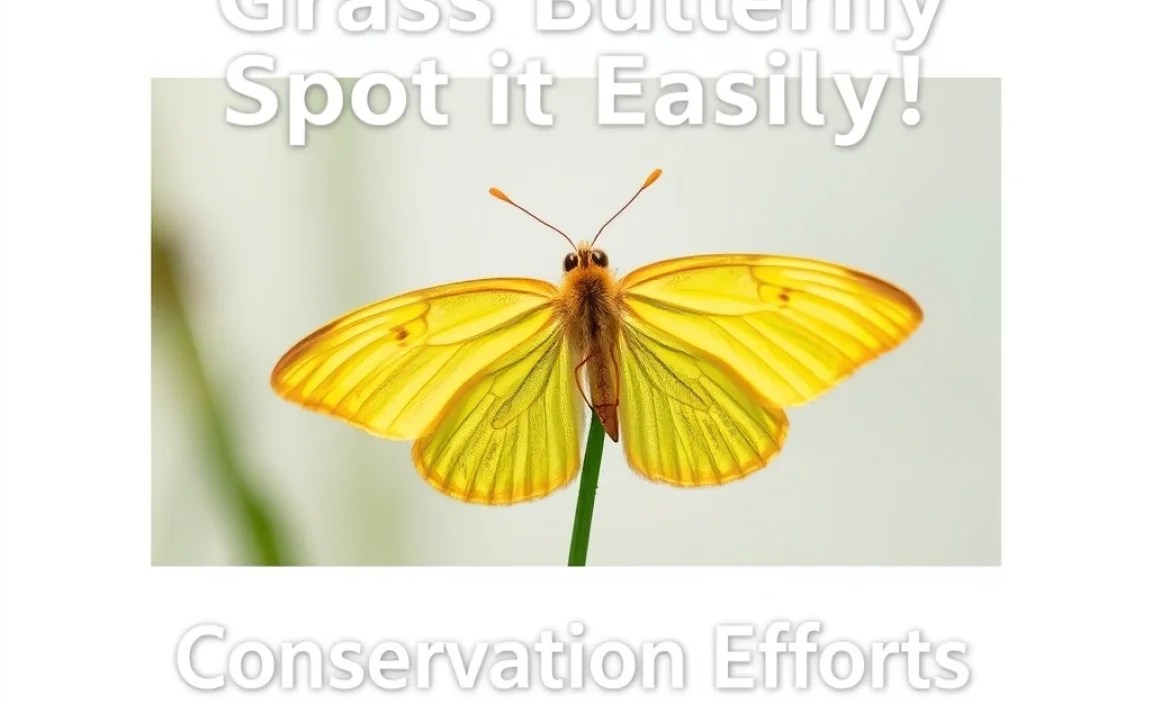
Grass Yellow butterflies play a vital role in the ecosystem.
Pollination
Like bees, butterflies are important pollinators. As they feed on nectar, they transfer pollen from one flower to another, helping plants reproduce. According to the U.S. Forest Service, pollinators like butterflies are essential for maintaining healthy ecosystems and supporting agriculture.
Food Source
Butterflies and their caterpillars serve as a food source for birds, lizards, and other animals. They are an important part of the food web.
Indicator Species
Butterflies are sensitive to changes in their environment. Their presence or absence can indicate the health of an ecosystem. A decline in butterfly populations can be a warning sign of habitat loss or pollution.
Conservation Efforts
While Grass Yellow butterflies are currently common, it’s important to protect their habitats to ensure their populations remain healthy. Here are some ways you can help:
- Plant Native Plants: Native plants are best suited to the local climate and provide the best food and shelter for butterflies and other wildlife.
- Reduce Pesticide Use: Pesticides can harm butterflies and other beneficial insects. Use organic gardening methods instead.
- Support Conservation Organizations: Many organizations work to protect butterfly habitats and promote conservation. Consider donating or volunteering your time. The Xerces Society is a great resource for learning about invertebrate conservation.
- Educate Others: Share your knowledge about butterflies with friends, family, and neighbors. The more people who care about butterflies, the better their chances of survival.
Grass Yellow Butterflies in Culture and Symbolism
Butterflies have been symbols of transformation, beauty, and hope in many cultures throughout history.
Symbolism
In many cultures, butterflies represent the soul or spirit. Their metamorphosis from caterpillar to butterfly is seen as a symbol of rebirth and transformation. The yellow color of Grass Yellow butterflies can symbolize joy, happiness, and optimism.
Cultural Significance
In some cultures, butterflies are believed to bring good luck or carry messages from loved ones who have passed away. They are often featured in art, literature, and mythology.
Photographing Grass Yellow Butterflies
Capturing the beauty of Grass Yellow butterflies with a camera can be a rewarding experience. Here are some tips for photographing these delicate creatures:
- Use a Macro Lens: A macro lens allows you to capture close-up details of the butterfly.
- Focus Carefully: Focus on the butterfly’s eyes or antennae for the sharpest image.
- Use Natural Light: Avoid using flash, which can scare the butterfly and create harsh shadows.
- Be Patient: Butterflies are often on the move, so be patient and wait for the right moment.
- Capture the Habitat: Include the butterfly’s surroundings in your photo to tell a story about its life and environment.
Frequently Asked Questions (FAQ)
What do Grass Yellow butterflies eat?
Adult Grass Yellow butterflies feed on nectar from flowers. Caterpillars eat the leaves of host plants, primarily in the pea family (Fabaceae).
Are Grass Yellow butterflies migratory?
Some Grass Yellow species are migratory, while others are not. Migration patterns can vary depending on the species and location.
How long do Grass Yellow butterflies live?
The lifespan of a Grass Yellow butterfly is typically a few weeks to a few months, depending on the species and environmental conditions.
Are Grass Yellow butterflies endangered?
Most Grass Yellow species are not currently endangered, but their populations can be threatened by habitat loss and pesticide use.
How can I tell the difference between male and female Grass Yellow butterflies?
In some species, males and females have different wing patterns or colors. Generally, females are slightly larger and have more pronounced markings.
What is the best time of day to see Grass Yellow butterflies?
Grass Yellow butterflies are most active during warm, sunny days. Look for them in gardens, fields, and other open areas with plenty of flowers.
How can I help protect Grass Yellow butterflies?
You can help protect Grass Yellow butterflies by planting host plants and nectar sources, avoiding pesticide use, and supporting conservation organizations.
Conclusion
Grass Yellow butterflies are delightful creatures that can bring beauty and joy to any garden or natural area. By learning to identify them, attracting them to your garden, and understanding their ecological importance, you can play a part in their conservation. So, next time you see a flash of yellow flitting by, take a moment to appreciate the beauty and wonder of the Grass Yellow butterfly.


