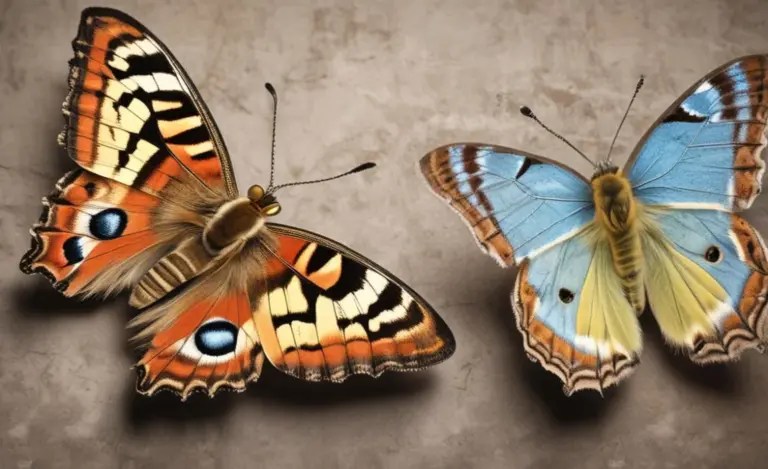
Large Copper Butterfly: A Secret to Spotting Them

The Large Copper butterfly (Lycaena dispar) is a striking insect known for its vibrant orange wings with dark spots. To identify one, look for its size (wingspan of about 1.5 inches), habitat (wetlands), and flight period (summer). Conservation efforts are vital to protect this beautiful, threatened species.
Have you ever caught a glimpse of a butterfly so dazzling it stopped you in your tracks? The Large Copper butterfly is just that kind of showstopper! With its bright, fiery orange wings, it’s a jewel of the wetlands. But these beauties are becoming increasingly rare, and spotting one is a special treat.
Identifying butterflies can feel tricky, but don’t worry! In this guide, we’ll explore the key features that set the Large Copper apart, where you can find them, and what we can do to help them thrive. Get ready to become a Large Copper expert!
What is the Large Copper Butterfly?
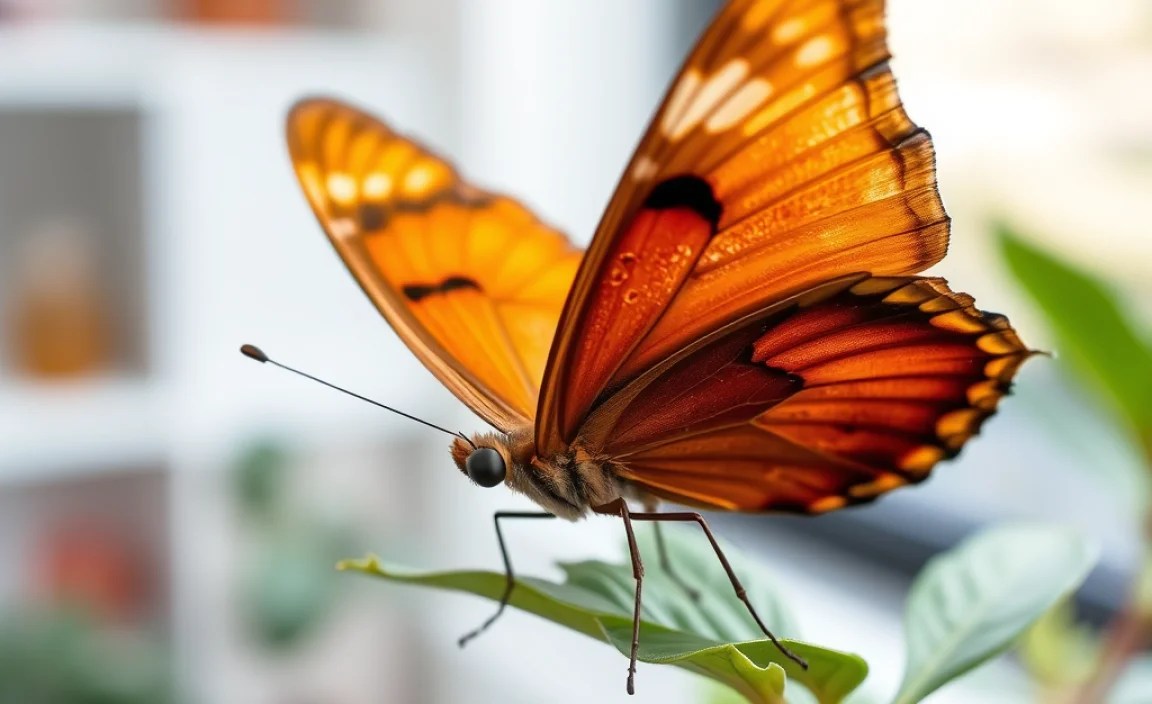
The Large Copper butterfly (Lycaena dispar) is a member of the Lycaenidae family, often called the “gossamer-winged butterflies”. These butterflies are known for their bright colors and small size. The Large Copper, however, stands out due to its relatively larger size and brilliant coloring, especially in the male.
Key Characteristics
- Size: Wingspan of approximately 1.5 inches (3.8 cm).
- Color: Males have bright orange upper wings with black spots, while females have a more subdued orange-brown color with more prominent black spots. The undersides of both sexes are a mottled orange and gray.
- Habitat: Primarily found in damp meadows, fens, and other wetland habitats.
- Distribution: Historically found across Europe and Asia, but now extinct in many areas. Strongholds remain in certain parts of Europe. Reintroduction programs are underway in the UK.
- Flight Period: Usually flies from June to August, depending on the location and weather conditions.
Life Cycle
Understanding the life cycle of the Large Copper butterfly is crucial for appreciating its ecological needs.
- Eggs: Females lay their eggs singly on the leaves of the Great Water Dock (Rumex hydrolapathum), the primary larval foodplant.
- Larva (Caterpillar): The caterpillars are green and well-camouflaged. They feed on the leaves of the water dock, growing through several instars (stages) before pupating.
- Pupa (Chrysalis): The pupa is also green or brown, blending in with the surrounding vegetation.
- Adult: After a period of pupation, the adult butterfly emerges, ready to reproduce and continue the cycle.
Identifying the Large Copper Butterfly: A Step-by-Step Guide
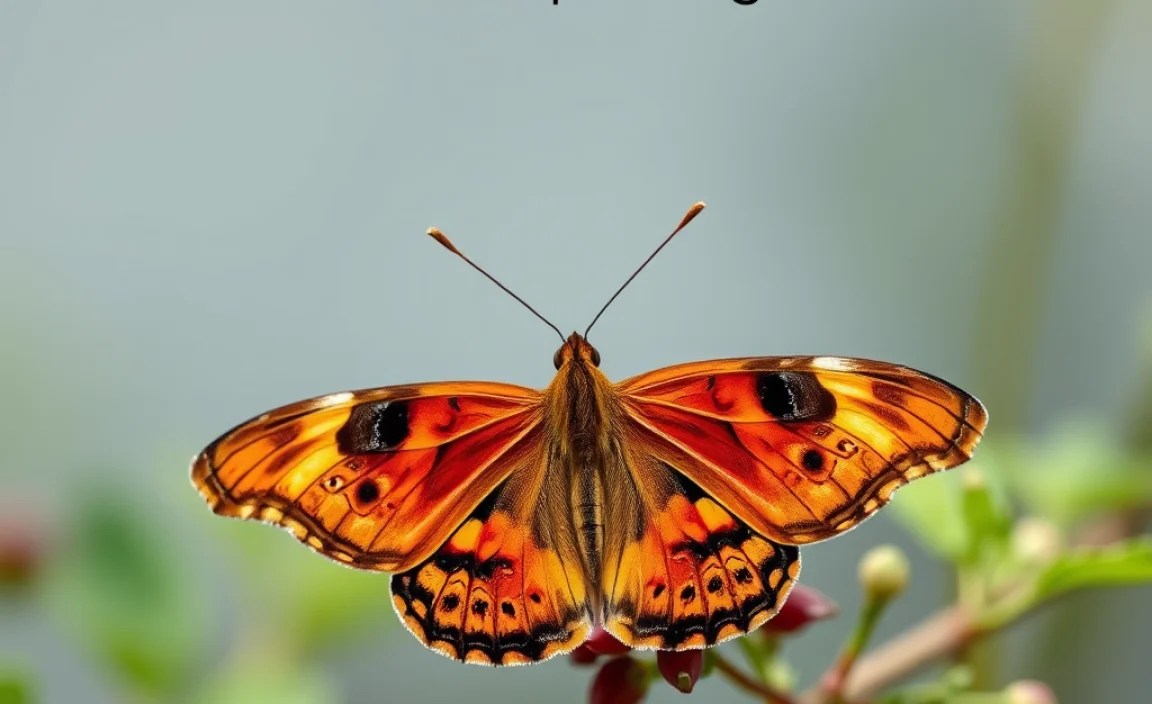
Identifying butterflies requires careful observation. Here’s a step-by-step guide to help you distinguish the Large Copper from other similar species:
Step 1: Observe the Size and Shape
The Large Copper is noticeably larger than many other copper butterflies. Note the wingspan – around 1.5 inches. Also, observe the shape of the wings; they are relatively broad and rounded.
Step 2: Examine the Wing Color and Markings
This is where the Large Copper truly shines! The males are a brilliant, almost fiery orange on the upper side of their wings, adorned with black spots. Females are a more subdued orange-brown, with more pronounced and numerous black spots. The undersides of both sexes are a mottled mix of orange and gray, providing excellent camouflage when at rest.
Step 3: Consider the Habitat
Large Coppers are wetland specialists. If you spot a copper butterfly in a dry field, it’s likely not a Large Copper. Look for them in damp meadows, fens, and areas with plenty of Great Water Dock.
Step 4: Note the Flight Period
These butterflies typically fly during the summer months, from June to August. If you’re butterfly-watching in the spring or fall, you’re unlikely to see them.
Step 5: Compare with Similar Species
Several other copper butterflies might be mistaken for the Large Copper. Here’s a comparison to help you differentiate:
| Species | Key Identification Features | Habitat |
|---|---|---|
| Large Copper (Lycaena dispar) | Large size, bright orange (male), orange-brown (female) with black spots. Mottled orange and gray undersides. | Damp meadows, fens, wetlands with Great Water Dock. |
| Small Copper (Lycaena phlaeas) | Smaller size, bright copper-orange with a dark border on the upper wings. | Dry grasslands, gardens, and disturbed habitats. |
| Scarce Copper (Lycaena virgaureae) | Orange-gold upper wings with a metallic sheen. Found in a wider range of habitats. | Dry meadows and grasslands. |
Where to Find Large Copper Butterflies

Finding the Large Copper butterfly can be a rewarding experience. However, due to their rarity, knowing where to look is essential. Here are some key locations and habitat characteristics to keep in mind:
Ideal Habitat
- Wetlands: Large Coppers thrive in damp meadows, fens, and other wetland habitats. These areas provide the necessary moisture and food sources for both the caterpillars and adults.
- Great Water Dock: The presence of Great Water Dock (Rumex hydrolapathum) is crucial, as it is the primary foodplant for the caterpillars. Look for areas with abundant water dock growth.
- Sheltered Locations: They prefer sheltered locations that are protected from strong winds. These butterflies are not strong fliers and need calm conditions to feed and mate.
Specific Locations
Historically, the Large Copper was found across Europe and Asia. However, it has become extinct in many regions due to habitat loss and other environmental factors. Here are some areas where they can still be found, and where reintroduction efforts are focused:
- United Kingdom: Reintroduction programs have been successful in certain areas of the UK, particularly in the Cambridgeshire Fens. Protected reserves and nature reserves are your best bet.
- Europe: Strongholds remain in parts of Eastern Europe, such as Poland and Hungary. Look for them in protected wetland areas.
Tips for Spotting Them
- Timing: Visit during the flight period, which is typically from June to August.
- Weather: Sunny, warm days are best for butterfly spotting. They are less active on cloudy or rainy days.
- Patience: Be patient and observant. Scan the vegetation carefully, especially around Great Water Dock plants.
- Binoculars: A good pair of binoculars can help you get a closer look without disturbing the butterflies.
The Importance of Great Water Dock

Great Water Dock (Rumex hydrolapathum) is more than just a plant to the Large Copper butterfly; it’s the cornerstone of their survival. This plant serves as the exclusive food source for Large Copper caterpillars, making its presence essential for the butterfly’s life cycle. Without Great Water Dock, the caterpillars cannot grow and develop into adult butterflies.
Conservation efforts often focus on preserving and restoring habitats where Great Water Dock thrives. This includes managing water levels in wetlands to ensure the plant has the right growing conditions, as well as controlling invasive species that might outcompete it. By protecting Great Water Dock, we directly support the Large Copper butterfly population.
Threats to the Large Copper Butterfly

The Large Copper butterfly faces several threats that have contributed to its decline. Understanding these threats is crucial for developing effective conservation strategies.
Habitat Loss and Degradation
The primary threat to the Large Copper is the loss and degradation of its wetland habitat. This can be due to:
- Drainage: Wetlands are often drained for agriculture, urban development, and other human activities. This destroys the habitat and eliminates the food source for the caterpillars.
- Pollution: Pollution from agricultural runoff, industrial waste, and other sources can degrade water quality and harm the Great Water Dock plants.
- Changes in Land Management: Changes in traditional land management practices, such as grazing and mowing, can also negatively impact the habitat.
Climate Change
Climate change poses a significant threat to the Large Copper butterfly. Changes in temperature and rainfall patterns can affect the growth and survival of both the butterflies and their foodplants. Extreme weather events, such as droughts and floods, can also damage or destroy their habitat.
Other Factors
- Fragmentation: Habitat fragmentation can isolate populations of Large Copper butterflies, making them more vulnerable to extinction.
- Pesticide Use: The use of pesticides can directly harm the butterflies and their caterpillars, as well as reduce the availability of their foodplants.
- Invasive Species: Invasive plant species can outcompete the Great Water Dock, reducing the availability of food for the caterpillars.
Conservation Efforts
Protecting the Large Copper butterfly requires dedicated conservation efforts. Here are some of the key strategies being employed:
Habitat Restoration and Management
Restoring and managing wetland habitats is crucial for the survival of the Large Copper. This includes:
- Re-wetting Drained Areas: Restoring drained wetlands by blocking drainage ditches and re-establishing natural water levels.
- Managing Vegetation: Controlling invasive plant species and promoting the growth of Great Water Dock.
- Creating Buffer Zones: Establishing buffer zones around wetland areas to protect them from pollution and other disturbances.
Reintroduction Programs
Reintroduction programs involve breeding Large Copper butterflies in captivity and releasing them into suitable habitats. These programs can help to re-establish populations in areas where they have become extinct.
Monitoring and Research
Monitoring populations of Large Copper butterflies and conducting research on their ecology and behavior is essential for understanding their needs and developing effective conservation strategies. This includes:
- Population Surveys: Regularly monitoring butterfly populations to track their numbers and distribution.
- Habitat Assessments: Assessing the quality of wetland habitats and identifying areas that need restoration.
- Research on Climate Change Impacts: Studying the impacts of climate change on the butterflies and their foodplants.
Public Awareness and Education
Raising public awareness about the Large Copper butterfly and its conservation needs is crucial for garnering support for conservation efforts. This can be achieved through:
- Educational Programs: Developing educational programs for schools and community groups.
- Public Events: Organizing public events, such as butterfly walks and talks, to raise awareness about the butterflies and their habitat.
- Media Campaigns: Using media campaigns to promote the importance of butterfly conservation.
How You Can Help
Even if you don’t live near a Large Copper habitat, there are still many ways you can contribute to their conservation:
- Support Conservation Organizations: Donate to or volunteer with organizations dedicated to butterfly conservation and habitat restoration.
- Create a Butterfly-Friendly Garden: Plant native wildflowers and nectar-rich plants in your garden to provide food for butterflies and other pollinators.
- Avoid Pesticides: Use organic gardening methods and avoid using pesticides, which can harm butterflies and other beneficial insects.
- Educate Others: Share your knowledge about the Large Copper butterfly and its conservation needs with friends, family, and your community.
- Advocate for Conservation Policies: Support policies that protect wetland habitats and promote sustainable land management practices.
The Cultural Significance of Butterflies
Butterflies, including the Large Copper, hold cultural significance across many societies. They often symbolize transformation, rebirth, and the beauty of nature. In some cultures, butterflies are seen as messengers from the spirit world or embodiments of the human soul. Their delicate beauty and ephemeral nature have inspired artists, poets, and writers for centuries.
In art, butterflies are frequently depicted as symbols of freedom and joy. They are used in jewelry, textiles, and other decorative arts to represent beauty and grace. In literature, butterflies often appear as metaphors for personal growth and change. Their life cycle, from caterpillar to pupa to butterfly, mirrors the journey of self-discovery and transformation that many people experience.
The Large Copper, with its striking colors and association with wetland habitats, can also symbolize the importance of preserving natural environments. Its presence in a landscape is a sign of ecological health and biodiversity. By protecting this beautiful butterfly, we not only conserve a species but also honor the cultural and symbolic value it represents.
FAQ About Large Copper Butterflies
What do Large Copper caterpillars eat?
Large Copper caterpillars exclusively eat the leaves of the Great Water Dock plant (Rumex hydrolapathum). This plant is essential for their survival.
Where do Large Copper butterflies live?
They live in damp meadows, fens, and other wetland habitats, especially areas with plenty of Great Water Dock.
When is the best time to see Large Copper butterflies?
The best time to see them is during their flight period, which is typically from June to August on warm, sunny days.
Why are Large Copper butterflies endangered?
They are endangered due to habitat loss, drainage of wetlands, pollution, and climate change.
How can I help protect Large Copper butterflies?
You can help by supporting conservation organizations, creating butterfly-friendly gardens, avoiding pesticides, and educating others about their importance.
What is the wingspan of a Large Copper butterfly?
The wingspan of a Large Copper butterfly is approximately 1.5 inches (3.8 cm).
How can I tell the difference between male and female Large Copper butterflies?
Males have bright orange upper wings with black spots, while females have a more subdued orange-brown color with more prominent black spots.
Conclusion
The Large Copper butterfly is a true gem of the wetland world, a vibrant reminder of the beauty and fragility of nature. By understanding their life cycle, habitat needs, and the threats they face, we can all play a part in their conservation.
Whether it’s supporting conservation organizations, creating butterfly-friendly gardens, or simply spreading awareness, every action counts. Let’s work together to ensure that future generations can witness the dazzling flight of the Large Copper butterfly.