
Moth vs Butterfly Classification: The Ultimate Guide

Quick Summary: Telling moths and butterflies apart can seem tricky! Butterflies are usually active during the day, have thin antennae with clubbed tips, and hold their wings upright when resting. Moths are often active at night, have feathery or comb-like antennae, and rest with their wings spread out flat. These are general rules, and there are always exceptions, but they’re a great place to start!
Have you ever been strolling through your garden, admiring a beautiful winged creature, and wondered, “Is that a butterfly or a moth?” It’s a common question! They both belong to the Lepidoptera order, but distinguishing between the two can be confusing. Don’t worry, you’re not alone! Many people find it challenging, but with a few simple tips, you’ll be able to tell the difference in no time. Let’s explore their differences and unlock the secrets to identifying these fascinating insects.
In this article, we’ll explore the key differences between moths and butterflies, covering everything from their antennae to their wing positions. We’ll also discuss some interesting exceptions to the rules and provide helpful tips for identification. Get ready to become a moth and butterfly expert!
Antennae: The Key to Identification
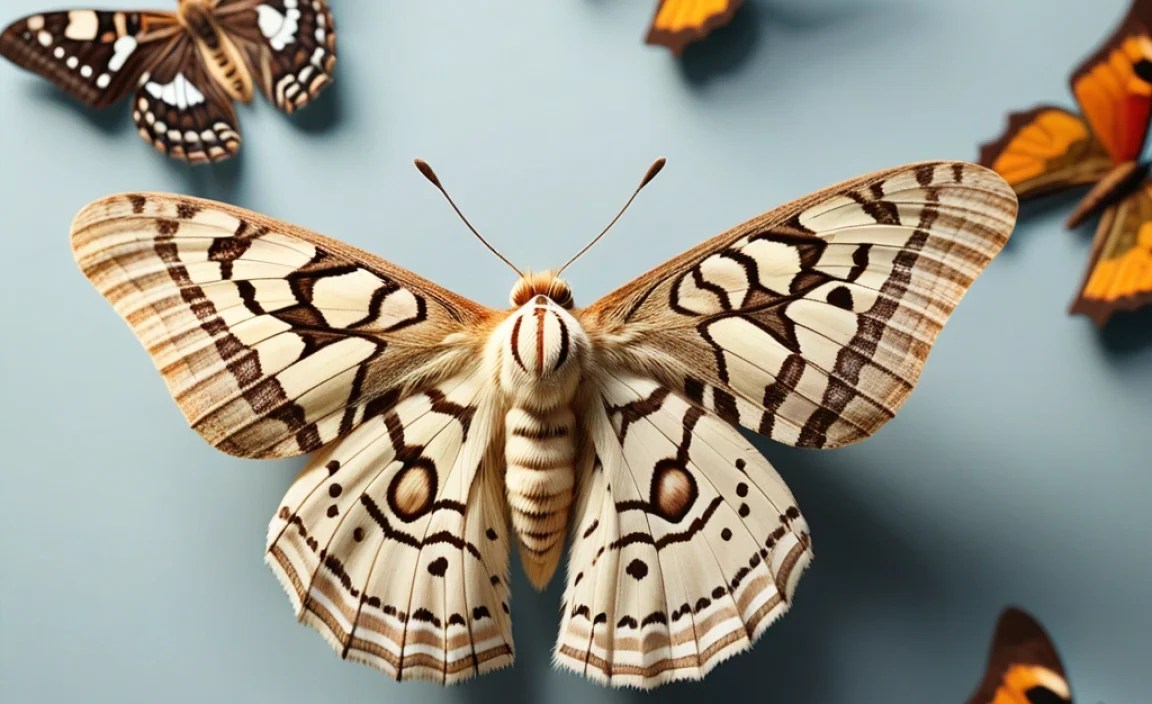
One of the easiest ways to tell a butterfly from a moth is by looking at their antennae. Antennae are sensory organs that help insects detect smells, air currents, and other environmental cues.
Butterfly Antennae
- Butterflies typically have long, slender antennae with a small, club-shaped tip at the end.
- This clubbed tip is the most distinctive feature of butterfly antennae.
- The club helps butterflies with balance and to sense pheromones released by potential mates.
Moth Antennae
- Moths, on the other hand, usually have antennae that are feathery or comb-like in appearance.
- These antennae have a larger surface area, which helps them detect faint pheromones in the air.
- Some moth species have thread-like antennae, but they lack the clubbed tip seen in butterflies.
Here’s a simple table summarizing the differences:
| Feature | Butterfly | Moth |
|---|---|---|
| Antennae Shape | Long and slender with a clubbed tip | Feathery, comb-like, or thread-like (no club) |
Wing Position at Rest
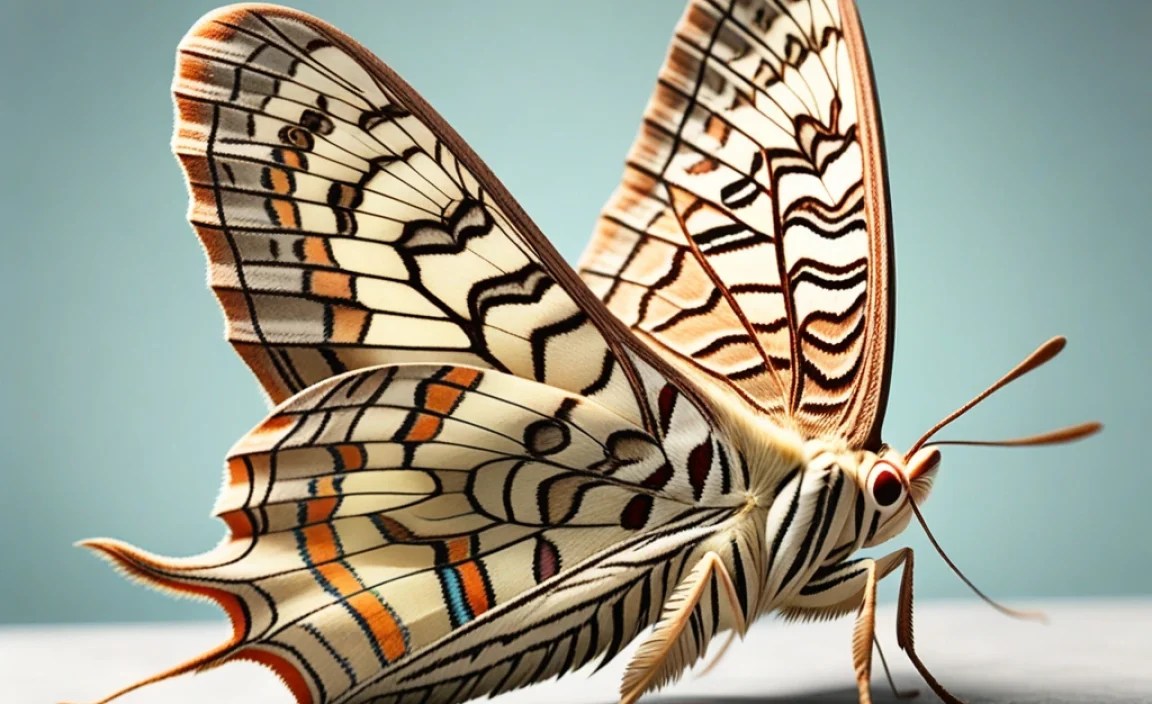
Another helpful way to distinguish between moths and butterflies is by observing how they hold their wings when at rest. This is a useful clue, but it’s important to remember that there are exceptions.
Butterfly Wing Position
- Most butterflies fold their wings vertically above their body when they are resting.
- This posture helps them conserve heat and protect their wings from damage.
- Some butterflies may hold their wings open flat to bask in the sun.
Moth Wing Position
- Moths typically hold their wings flat against their body or spread out to the sides when at rest.
- This position helps them blend in with their surroundings and avoid predators.
- Some moths may fold their wings tent-like over their body.
Here’s a table summarizing the typical wing positions:
| Feature | Butterfly | Moth |
|---|---|---|
| Wing Position at Rest | Wings folded vertically above the body | Wings spread out flat or tent-like |
Activity Patterns: Day vs. Night
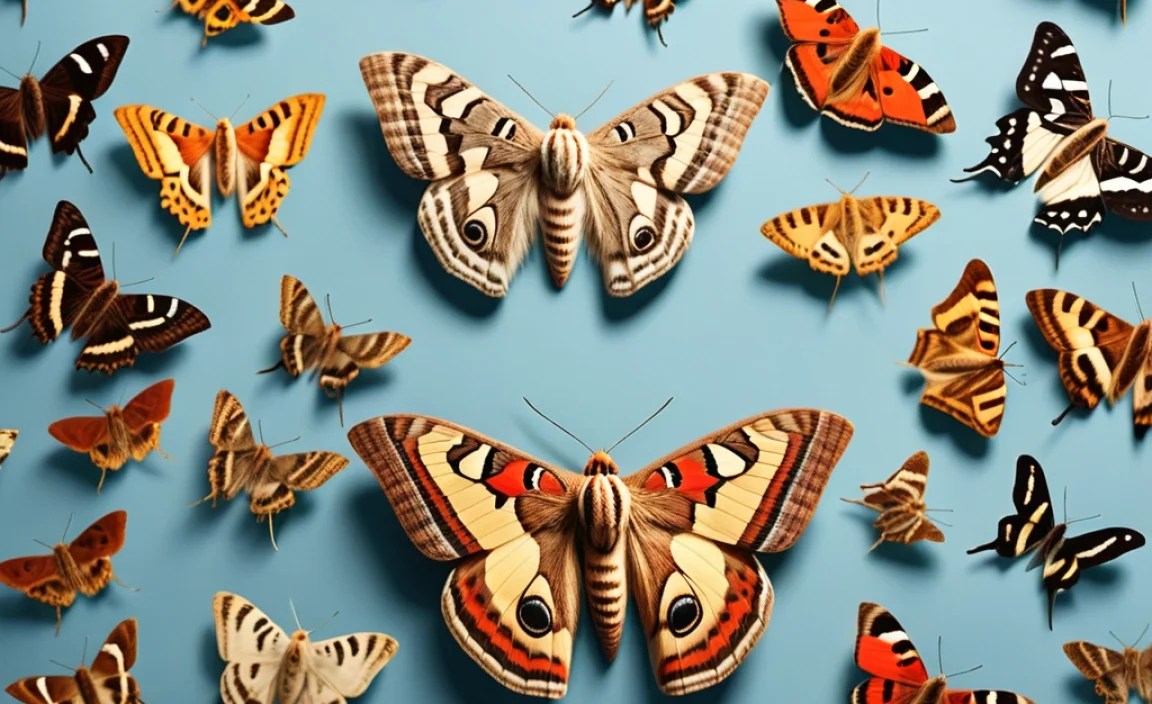
Butterflies and moths often have different activity patterns. While there are exceptions, this can be a helpful clue for identification.
Butterflies: Diurnal Creatures
- Butterflies are primarily diurnal, meaning they are active during the day.
- They rely on sunlight for warmth and to find nectar sources.
- Their bright colors and patterns are easily seen in daylight.
Moths: Nocturnal Flyers
- Moths are mostly nocturnal, meaning they are active at night.
- They use the darkness to avoid predators and find mates.
- Many moths are attracted to artificial lights.
However, it’s important to remember that there are exceptions to this rule. Some moths, like the hummingbird clearwing moth, are active during the day, while some butterflies may be active at dusk or dawn.
Body Shape and Appearance
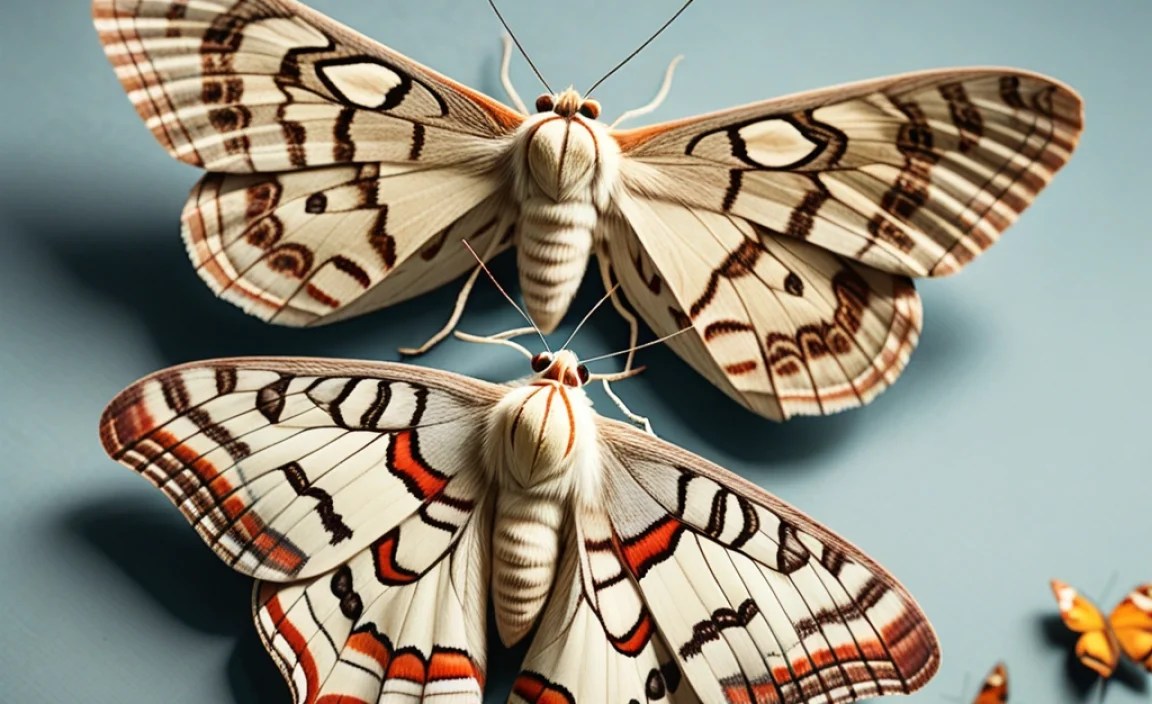
The body shape and overall appearance of butterflies and moths can also provide clues for identification.
Butterfly Bodies
- Butterflies typically have slender, smooth bodies.
- Their bodies are less hairy than those of moths.
- The wings of butterflies are often brightly colored and intricately patterned.
Moth Bodies
- Moths often have thicker, furrier bodies.
- Their bodies are covered in scales and hairs, which help them retain heat.
- The wings of moths are often duller in color, with patterns that provide camouflage.
Pupal Stage: Chrysalis vs. Cocoon
The pupal stage, during which the larva transforms into an adult, is also different for butterflies and moths.
Butterfly Pupae: Chrysalises
- Butterflies form a chrysalis, which is a hard, smooth, and often colorful casing.
- The chrysalis is typically suspended from a branch or leaf.
- The butterfly pupa is exposed and easily visible.
Moth Pupae: Cocoons
- Moths typically form a cocoon, which is a silken casing that protects the pupa.
- The cocoon is often hidden in leaf litter, underground, or attached to a tree.
- The moth pupa is enclosed within the cocoon.
Wing Structure and Coupling
A more technical difference lies in how the wings are coupled together for flight.
Butterfly Wing Coupling
- Butterflies lack a frenulum, which is a small structure that connects the forewing and hindwing.
- Their wings are coupled by an overlapping area.
Moth Wing Coupling
- Most moths possess a frenulum, which is a bristle or group of bristles on the hindwing that hooks onto the forewing.
- This allows the wings to work together during flight, providing greater efficiency.
Coloration and Patterns
While there are no hard and fast rules, the coloration and patterns on butterfly and moth wings often differ.
Butterfly Colors
- Butterflies are known for their vibrant and diverse colors.
- They often have striking patterns that serve as camouflage or to attract mates.
- Many butterflies have iridescent scales that reflect light, creating a shimmering effect.
Moth Colors
- Moths tend to have more muted and earthy colors, such as browns, grays, and greens.
- Their patterns often resemble bark or leaves, providing excellent camouflage.
- Some moths, however, can be quite colorful, mimicking butterflies or other insects.
Exceptions to the Rules
It’s important to remember that there are always exceptions to the rules. Some moths have clubbed antennae, while some butterflies have drab coloration. Here are a couple of notable examples:
- Skippers: Skippers are a type of butterfly with thicker bodies and hooked antennae, making them look somewhat like moths. They also have a fast, erratic flight pattern.
- Day-flying Moths: Some moths, like the Hummingbird Clearwing Moth, fly during the day and have bright colors, resembling butterflies.
Don’t be discouraged if you encounter an insect that doesn’t fit neatly into either category. With practice and careful observation, you’ll become more adept at identifying these fascinating creatures.
Attracting Butterflies and Moths to Your Garden
Creating a butterfly and moth-friendly garden is a rewarding way to support these important pollinators. Here are a few tips:
- Plant nectar-rich flowers: Choose a variety of flowers that bloom at different times of the year to provide a continuous source of nectar for butterflies and moths. Some good options include butterfly bush, coneflowers, zinnias, and milkweed.
- Provide host plants: Butterflies and moths need specific plants to lay their eggs on. These host plants provide food for the caterpillars. Some popular host plants include milkweed for monarch butterflies, parsley and dill for swallowtail butterflies, and oak trees for many moth species.
- Avoid pesticides: Pesticides can harm or kill butterflies and moths. Use organic gardening practices to protect these beneficial insects.
- Provide a water source: Butterflies and moths need water to drink. Create a shallow puddle or dish of water with pebbles or stones for them to land on.
- Offer shelter: Plant trees and shrubs to provide shelter from wind and predators.
By creating a welcoming habitat, you can enjoy the beauty and ecological benefits of butterflies and moths in your own backyard.
Resources for Further Learning
If you’re interested in learning more about butterflies and moths, here are some helpful resources:
- The Xerces Society: This organization is dedicated to the conservation of invertebrates and their habitats. Their website ( https://xerces.org/ ) offers a wealth of information on butterfly and moth identification, conservation, and gardening.
- Butterflies and Moths of North America (BAMONA): This website ( https://www.butterfliesandmoths.org/ ) provides detailed information and photos of butterfly and moth species found in North America.
- Local Field Guides: Consult field guides specific to your region for information on the butterflies and moths found in your area.
- University Extension Services: Many universities have extension services that offer educational materials on insects and gardening.
FAQ: Moth vs. Butterfly Classification
1. What is the main difference between a moth and a butterfly?
The easiest way to tell them apart is by their antennae: butterflies have thin antennae with clubbed tips, while moths usually have feathery or comb-like antennae.
2. Are all brightly colored insects butterflies?
No, some moths are also brightly colored. Color is not the most reliable way to differentiate between them.
3. Do all moths fly at night?
Most moths are nocturnal, but there are many day-flying moths, like the hummingbird clearwing moth.
4. Do butterflies always hold their wings upright?
Most butterflies hold their wings vertically above their bodies when resting, but some may hold them open to bask in the sun.
5. What is a chrysalis?
A chrysalis is the pupal stage of a butterfly, a hard, smooth casing in which the larva transforms into an adult.
6. What is a cocoon?
A cocoon is a silken casing that protects the pupa of a moth during its transformation into an adult.
7. Can I attract both butterflies and moths to my garden?
Yes! By planting a variety of nectar-rich flowers and host plants, you can create a welcoming habitat for both butterflies and moths.
Conclusion
Distinguishing between moths and butterflies can be a fun and rewarding challenge. By paying attention to key features like antennae shape, wing position, and activity patterns, you can confidently identify these fascinating insects. Remember that there are always exceptions to the rules, and with practice, you’ll become more adept at recognizing the subtle differences between these close relatives. So, get outside, observe, and enjoy the beauty of the Lepidoptera world! Every butterfly and moth you identify brings you closer to understanding the intricate web of life around us. Happy spotting!


