
Butterfly Identification by Color & Spots: Easy Guide

Have you ever seen a butterfly flutter by? Butterflies are so pretty. They come in many colors and sizes. Did you know you can tell them apart? Butterfly identification by color and spots is one way to do it. It’s like being a butterfly detective!
Key Takeaways
- Butterfly identification by color and spots helps us know different types.
- Look at the colors and patterns on their wings carefully.
- Different butterflies have different colors and spot designs.
- Size and shape of wings also help tell them apart.
- Learning about butterflies is fun and good for nature.
Butterfly Identification: Using Color
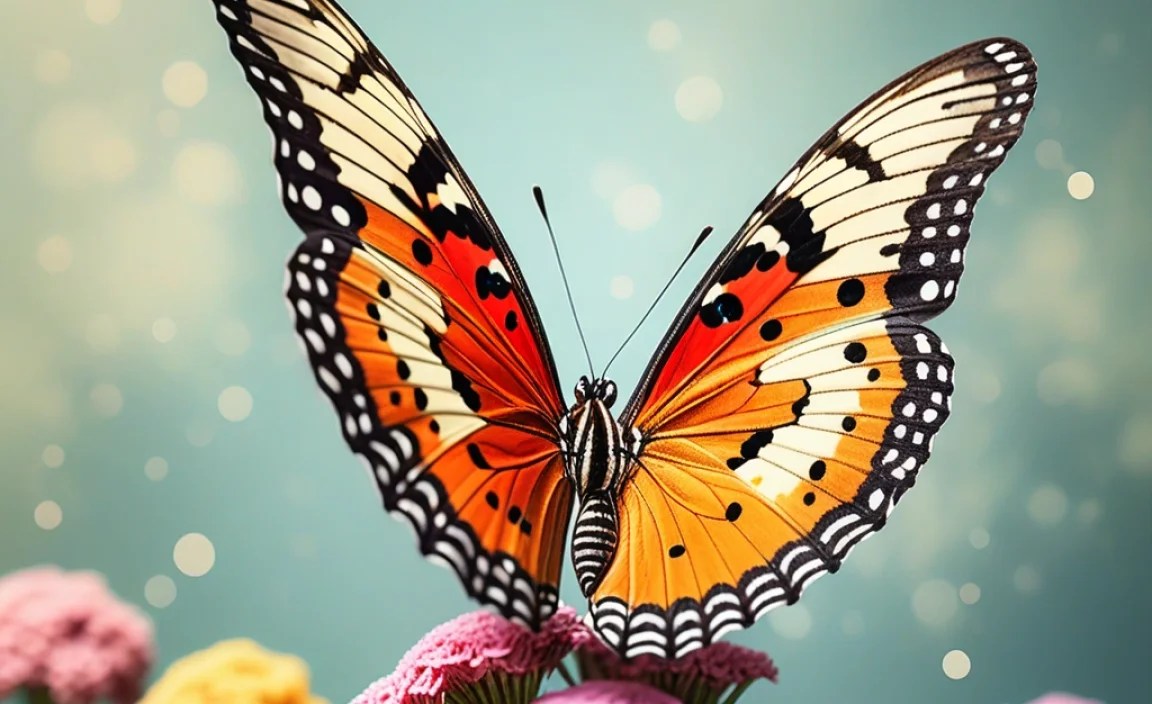
Butterflies are like flying rainbows. They have many colors on their wings. These colors help us know what kind of butterfly it is. Some butterflies are bright orange. Others are deep blue or yellow. The colors come from tiny scales on their wings. These scales are like little tiles. They reflect light and make the colors we see. Some colors even warn predators to stay away. Isn’t that neat? When we look closely, we can learn so much from their vibrant hues. Color is a great first step in butterfly identification by color and spots.
- Orange Monarch butterflies are easy to spot.
- Blue Morpho butterflies have shiny, bright blue wings.
- Yellow Sulphur butterflies fly in sunny fields.
- Some butterflies have colors that blend in with leaves.
- Bright colors can mean “I taste bad!” to predators.
Imagine you are painting a picture of a butterfly. What colors would you use? Would you choose bright reds and yellows? Or would you pick calming blues and greens? The colors you choose say something about the butterfly. Just like artists use colors to express themselves, butterflies use color for survival and attracting mates. The world of butterfly identification by color and spots is a beautiful blend of art and science, where every shade tells a story.
What Makes Butterfly Colors?
Have you ever wondered where butterflies get their colors? It’s not paint! Butterfly wings have tiny scales. These scales contain pigments. Pigments are substances that give things color. Some scales have melanin. Melanin makes black and brown colors. Other scales have different pigments for other colors. Some butterfly wings even have special structures. These structures reflect light. This makes shiny, iridescent colors. So, a butterfly’s color comes from pigments and light. Butterfly identification by color and spots includes knowing how they get their colors.
Color and Camouflage
Why do some butterflies have dull colors? It’s all about camouflage! Camouflage helps butterflies hide from predators. Some butterflies look like leaves. They are brown or green. They blend in with the plants around them. This makes it hard for birds to see them. Other butterflies have patterns that break up their shape. This also helps them hide. Camouflage is a clever way for butterflies to stay safe. When doing butterfly identification by color and spots, think about why they look the way they do.
Color and Mate Attraction
Bright colors can help butterflies find a mate. Male butterflies often have bright colors. These colors attract female butterflies. The brighter the colors, the more attractive the male might be. Some butterflies even have UV colors. We can’t see UV light, but butterflies can. These UV colors help them find each other. So, color plays a big role in butterfly love! When doing butterfly identification by color and spots, consider how those colors help them find a partner.
Butterflies use color in amazing ways. They use it to hide, to warn, and to attract. Color is a language that butterflies speak. By learning this language, we can understand them better. Next time you see a butterfly, take a closer look at its colors. What is it trying to say? The world of butterfly identification by color and spots opens up a fascinating world of communication.
Fun Fact or Stat: Some butterfly wings are so colorful because of tiny structures that bend light, creating iridescent effects!
Finding Butterfly Types by Spots
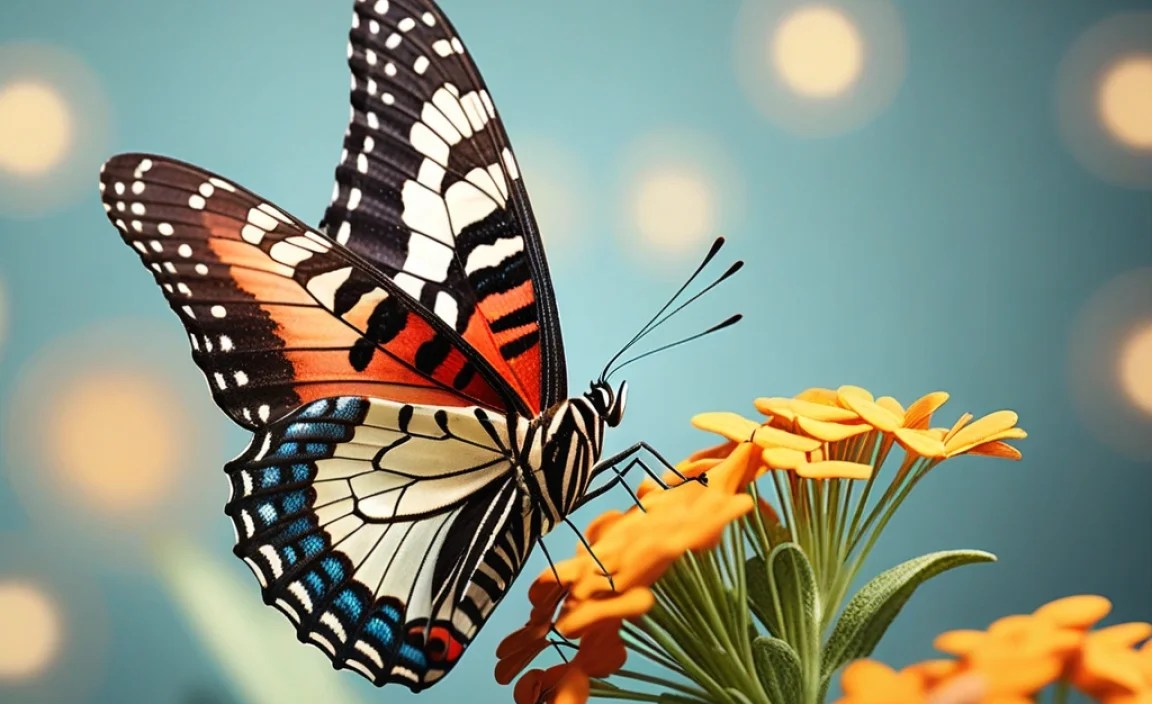
Besides color, butterflies also have spots. These spots can be different sizes and shapes. They can be round, oval, or even like little lines. The spots help us identify different types of butterflies. Some butterflies have many spots. Others have only a few. The location of the spots also matters. Some have spots near the edge of their wings. Others have spots closer to their body. Spot patterns are important for butterfly identification by color and spots. These spots act like fingerprints, unique to each species.
- Some butterflies have eyespots to scare predators.
- The number of spots can vary between species.
- Spot size and shape are also helpful identifiers.
- Look at where the spots are located on the wings.
- Spots can help butterflies blend in or stand out.
- Spot patterns are often symmetrical on both wings.
Imagine you are creating your own butterfly. What kind of spots would you give it? Would you make them big and bold? Or small and subtle? The spots you choose would make your butterfly unique. Just like artists use dots to create pointillism, nature uses spots to distinguish butterfly species. The precision in butterfly identification by color and spots is astounding when you think about how many tiny details contribute to a butterfly’s identity.
Eyespots and Defense
Have you ever seen a butterfly with eyespots? These spots look like eyes. They can scare away predators. When a bird sees eyespots, it might think the butterfly is a bigger animal. This can give the butterfly time to escape. Eyespots are a clever defense mechanism. Some butterflies even have fake antennae on their wings. These also confuse predators. Butterfly identification by color and spots sometimes means looking for these defense features.
Spot Patterns and Camouflage
Spots can also help butterflies blend in. Some butterflies have spots that look like shadows. These spots break up their shape. This makes it harder for predators to see them. Other butterflies have spots that look like bird droppings. This makes them less appealing to predators. Spot patterns can be very effective camouflage. Butterfly identification by color and spots includes understanding how spots help them hide.
Spot Variation Within Species
Sometimes, butterflies of the same type can have slightly different spot patterns. This is called variation. The number and size of spots can vary. This can be due to genetics or the environment. Even with these variations, the basic spot pattern is the same. This helps us identify the species. Butterfly identification by color and spots requires knowing what variations are normal.
Spots are an important part of butterfly identification. They help butterflies defend themselves and blend in. By studying spot patterns, we can learn more about these amazing creatures. Next time you see a butterfly with spots, take a closer look. What do the spots tell you? The world of butterfly identification by color and spots becomes even more fascinating when we study these tiny details.
Fun Fact or Stat: Some butterfly spots are actually transparent, letting light pass through and creating a stained-glass effect!
Wing Shape and Size for Identification
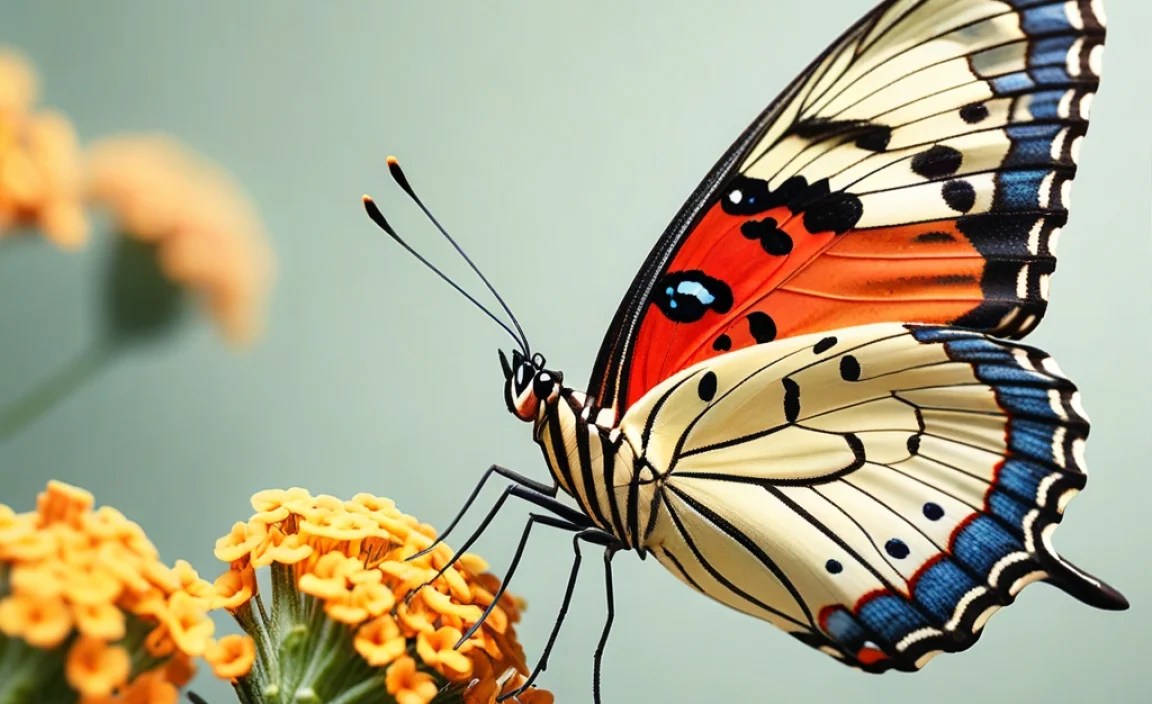
Besides color and spots, wing shape and size matter. Some butterflies have long, narrow wings. Others have short, round wings. The size of the wings can also vary greatly. Some butterflies have huge wings. Others have tiny wings. These differences help us tell them apart. Wing shape and size are important clues for butterfly identification by color and spots. Think of it as another piece of the puzzle.
- Swallowtail butterflies have long, pointed wings.
- Skipper butterflies have small, triangular wings.
- Monarch butterflies have large, orange wings.
- Some butterflies have wings with jagged edges.
- Wing shape can affect how well a butterfly flies.
- Wing size relates to the butterfly’s overall body size.
Imagine you are designing a butterfly for a specific job. If it needed to fly fast, what wing shape would you give it? If it needed to blend in with leaves, how would the wing shape help? Wing shape and size are not just random. They are carefully designed by nature to help butterflies survive. The study of butterfly identification by color and spots also means looking at the form and function of their wings.
Wing Shape and Flight
Wing shape affects how a butterfly flies. Long, narrow wings are good for gliding. These wings help butterflies soar through the air. Short, round wings are good for quick bursts of speed. These wings help butterflies escape from predators. Wing shape is closely linked to flight style. Understanding this helps with butterfly identification by color and spots because it shows how they adapt.
Wing Size and Habitat
Wing size can be related to where a butterfly lives. Butterflies in open areas often have larger wings. These wings help them fly over long distances. Butterflies in forests often have smaller wings. These wings help them maneuver through trees. Wing size is often adapted to the habitat. Butterfly identification by color and spots benefits from knowing their habitat.
Wing Damage and Identification
Sometimes, butterfly wings get damaged. This can make identification harder. Tears, holes, and missing scales can change the appearance of the wings. However, the basic shape and pattern are still there. With practice, you can still identify butterflies with damaged wings. Butterfly identification by color and spots becomes a challenge, but an interesting one!
Wing shape and size are important clues in butterfly identification. They tell us about a butterfly’s flight style and habitat. By paying attention to these details, we can become better butterfly detectives. Next time you see a butterfly, look closely at its wings. What do they tell you? The world of butterfly identification by color and spots is full of hidden messages waiting to be discovered.
Fun Fact or Stat: Some butterfly wings are so strong they can withstand rain and wind, helping them fly even in bad weather!
Butterfly Color Patterns for ID
Butterflies often have unique color patterns. These patterns are not just random. They serve a purpose. Some patterns help butterflies attract mates. Other patterns help them hide from predators. The patterns can be stripes, bands, or blotches. They can be simple or complex. These color patterns are very useful for butterfly identification by color and spots. They are like a butterfly’s signature.
- Monarchs have orange wings with black lines.
- Viceroy butterflies mimic the Monarch’s pattern.
- Swallowtails have black and yellow stripes.
- Some butterflies have iridescent bands.
- Patterns can change slightly within a species.
- Color patterns help with camouflage and mimicry.
Imagine you are designing a secret code for butterflies. What kind of color patterns would you use? Would you make them bold and easy to see? Or subtle and hard to detect? The color patterns on butterfly wings are like a secret code. By learning to read this code, we can unlock the mysteries of the butterfly world. The art of butterfly identification by color and spots is about deciphering these beautiful patterns.
Mimicry and Color Patterns
Some butterflies mimic other butterflies. This is called mimicry. A harmless butterfly might look like a poisonous butterfly. This protects it from predators. The Viceroy butterfly mimics the Monarch butterfly. Monarchs are poisonous to birds. So, birds avoid Viceroy butterflies too. Mimicry is a clever survival strategy. Butterfly identification by color and spots requires knowing about mimicry.
Seasonal Color Changes
Some butterflies change color with the seasons. This is called seasonal polyphenism. The colors and patterns on their wings can change depending on the temperature and sunlight. This helps them blend in with the changing environment. Seasonal color changes can make identification tricky. Butterfly identification by color and spots means being aware of these changes.
Regional Color Variations
Butterflies in different regions can have different color patterns. This is called regional variation. Butterflies in warmer climates might have brighter colors. Butterflies in cooler climates might have darker colors. This helps them adapt to their local environment. Regional variations add to the complexity of butterfly identification by color and spots.
Color patterns are an important part of butterfly identification. They help butterflies attract mates, hide from predators, and adapt to their environment. By studying these patterns, we can learn more about the amazing world of butterflies. Next time you see a butterfly, pay attention to its color patterns. What do they tell you? The world of butterfly identification by color and spots is a fascinating puzzle waiting to be solved.
Fun Fact or Stat: Some butterfly wing patterns are so complex, they are being studied by scientists to inspire new camouflage technologies!
Using Butterfly Scales for ID
Butterfly wings are covered in tiny scales. These scales give the wings their color and pattern. The scales are arranged like shingles on a roof. They are very delicate and can easily fall off. The scales are also important for butterfly identification by color and spots. They create the unique patterns that help us tell butterflies apart. They reflect light and create beautiful colors.
- Scales give butterfly wings their color.
- Scales protect the wings from damage.
- Different scales have different pigments.
- Scale patterns are unique to each species.
- Scales can create iridescent effects.
- Scales help butterflies regulate their temperature.
Imagine you are building a mosaic out of tiny tiles. Each tile is a different color and shape. You arrange the tiles to create a beautiful picture. Butterfly scales are like those tiny tiles. Nature uses them to create the stunning patterns on butterfly wings. The precision of butterfly identification by color and spots relies on these intricate arrangements of scales.
Scale Structure and Color
The structure of the scales affects their color. Some scales have pigments that absorb certain colors of light. Other scales have structures that reflect light. The combination of pigments and structures creates the colors we see. The way scales are arranged also affects the color pattern. Butterfly identification by color and spots involves understanding how scale structure affects color.
Scale Loss and Identification
Butterfly wings can lose scales over time. This can make identification harder. However, the basic pattern is still visible. Even with missing scales, you can usually identify the butterfly. Look for other clues, like wing shape and size. Butterfly identification by color and spots becomes more challenging with scale loss.
Scale Patterns and Species
Different butterfly species have different scale patterns. These patterns are unique to each species. They can be used to identify butterflies. Look closely at the arrangement of the scales. Note the colors and patterns. This will help you identify the butterfly. Butterfly identification by color and spots relies on these unique scale patterns.
Butterfly scales are an amazing adaptation. They give the wings color, protect them from damage, and help regulate temperature. By studying the scales, we can learn more about these fascinating creatures. Next time you see a butterfly, take a close look at its wings. What do the scales tell you? The world of butterfly identification by color and spots reveals itself in these tiny details.
Fun Fact or Stat: A single butterfly wing can have thousands of scales, each one contributing to its unique color and pattern!
Butterfly Behavior & Habitat for ID
How a butterfly acts and where it lives can help you identify it. Some butterflies fly very fast. Others flutter slowly. Some butterflies prefer sunny meadows. Others prefer shady forests. Knowing their behavior and habitat can help you narrow down the possibilities. This is another useful tool for butterfly identification by color and spots. It adds another layer to your detective work.
- Monarchs migrate long distances.
- Swallowtails often visit gardens.
- Skippers fly very quickly.
- Some butterflies are active at dawn or dusk.
- Habitat can affect butterfly size and color.
- Behavior includes feeding and mating habits.
Imagine you are a butterfly. Where would you choose to live? Would you want a sunny spot with lots of flowers? Or a shady spot with plenty of trees? A butterfly’s choice of habitat is not random. It is carefully selected to provide food, shelter, and a safe place to lay eggs. The science of butterfly identification by color and spots extends to understanding their behavior and environment.
Flight Patterns and Identification
Different butterflies have different flight patterns. Some butterflies fly in a straight line. Others flutter erratically. The flight pattern can be a clue to the butterfly’s identity. Skippers are known for their fast, darting flight. Swallowtails are known for their graceful, soaring flight. Butterfly identification by color and spots includes noticing how they fly.
Feeding Habits and Identification
What a butterfly eats can also help with identification. Some butterflies feed on nectar from flowers. Others feed on tree sap or even rotting fruit. The type of food they eat can be a clue to their identity. Monarchs feed exclusively on milkweed. This makes them easy to identify. Butterfly identification by color and spots means knowing their food preferences.
Habitat and Distribution
Where a butterfly lives is an important clue. Some butterflies are found only in specific habitats. Others are found in a wide range of habitats. Knowing the butterfly’s distribution can help you narrow down the possibilities. Monarchs are found throughout North America. This helps with butterfly identification by color and spots because you know where to look.
Butterfly behavior and habitat are important clues for identification. They tell us about a butterfly’s lifestyle and preferences. By paying attention to these details, we can become better butterfly detectives. Next time you see a butterfly, observe its behavior and habitat. What do they tell you? The world of butterfly identification by color and spots is a rich tapestry of interconnected details.
Fun Fact or Stat: Some butterflies can only survive in very specific habitats, making them indicators of environmental health!
Tools & Resources for Butterfly ID
Identifying butterflies can be easier with the right tools. Field guides are helpful books with pictures and descriptions. Websites and apps can also help. Butterfly nets can help you catch butterflies for a closer look. Remember to release them gently! Learning about resources makes butterfly identification by color and spots easier. Practice and patience are key.
| Tool | Description | Pros | Cons |
|---|---|---|---|
| Field Guides | Books with butterfly pictures and info. | Portable, detailed information. | Can be outdated, may not cover all species. |
| Websites/Apps | Online resources for butterfly ID. | Easy to use, updated information. | Requires internet, can be unreliable. |
| Butterfly Nets | Used to catch butterflies for closer look. | Allows close examination. | Can harm butterflies, requires skill. |
| Binoculars | Helps to see butterflies from a distance. | Good for observing butterflies in flight. | Requires steady hands, doesn’t allow close examination. |
- Use a good field guide with clear pictures.
- Download a butterfly identification app.
- Join a local butterfly watching group.
- Visit a butterfly garden.
- Take pictures of butterflies you see.
- Practice identifying butterflies in your backyard.
Imagine you are an explorer setting out on a new adventure. What tools would you bring with you? A map? A compass? Binoculars? Identifying butterflies is like exploring a new world. The right tools can make your journey easier and more rewarding. The process of butterfly identification by color and spots is enhanced by having the right resources at your fingertips.
Online Butterfly Databases
There are many online databases with butterfly information. These databases have pictures, descriptions, and distribution maps. They can be a great resource for identification. Some databases even have interactive keys. These keys help you identify butterflies step by step. Using online databases is a great way to enhance butterfly identification by color and spots.
Butterfly Field Guides
Field guides are books that help you identify plants and animals. There are many field guides for butterflies. These guides have pictures and descriptions of different butterfly species. They also have information about their habitat and behavior. A good field guide is an essential tool for butterfly identification. Butterfly identification by color and spots becomes much easier with a reliable field guide.
Local Butterfly Experts
Local butterfly experts can be a great resource. They have a lot of knowledge about the butterflies in your area. They can help you identify difficult species. They can also teach you about butterfly behavior and ecology. Connecting with local experts can enhance butterfly identification by color and spots.
Having the right tools and resources can make butterfly identification easier and more fun. Field guides, websites, and local experts can all help you learn more about these amazing creatures. Next time you go butterfly watching, remember to bring your tools! The world of butterfly identification by color and spots opens up when you have the right knowledge and resources.
Fun Fact or Stat: Citizen science projects allow you to contribute to butterfly research by reporting your sightings and helping track populations!
Summary
Butterfly identification by color and spots is a fun and interesting way to learn about nature. Butterflies have different colors, spots, wing shapes, and sizes. These features help us tell them apart. Color patterns, scales, behavior, and habitat also give us clues. Using field guides, websites, and local experts can make it easier. Remember to be patient and practice. With time, you will become a butterfly expert. Enjoy the beauty and wonder of these amazing creatures. The world of butterflies is full of surprises.
Conclusion
Butterflies are beautiful and fascinating creatures. Butterfly identification by color and spots is a great way to learn more about them. By observing their colors, spots, wing shapes, and behaviors, you can discover the diversity of the butterfly world. So, go outside and start exploring. You might be surprised at what you find. Happy butterfly watching!
Frequently Asked Questions
Question No 1: How do I start learning about butterfly identification by color and spots?
Answer: Starting with common butterflies in your area is a great idea. Get a good field guide for your region. This will show you pictures and descriptions of local butterflies. Pay attention to their colors, spots, and wing shapes. Practice in your backyard or a local park. The more you observe, the better you’ll get. Remember, butterfly identification by color and spots takes time and patience, so enjoy the process of learning about these amazing insects.
Question No 2: What are the most important things to look for when identifying butterflies?
Answer: Color and spots are key features, but don’t forget wing shape and size. Look at the overall pattern on the wings. Notice if there are any unique markings. Also, consider the butterfly’s behavior and habitat. Is it flying quickly or slowly? Is it in a sunny meadow or a shady forest? All of these clues can help you identify the butterfly. When trying butterfly identification by color and spots, use as many clues as possible.
Question No 3: Can butterflies of the same species have different colors and spots?
Answer: Yes, there can be some variation within a species. This is due to factors like genetics and environment. Some butterflies may have slightly different shades of color. Others may have a different number or size of spots. However, the basic pattern will usually be the same. Knowing about these variations can help you with butterfly identification by color and spots. It prevents confusion when looking at minor differences.
Question No 4: What is mimicry, and how does it affect butterfly identification?
Answer: Mimicry is when one species looks like another species. Some harmless butterflies mimic poisonous butterflies. This protects them from predators. This can make identification tricky because you might think you are seeing one type of butterfly when it’s really another. Pay close attention to all the details. This will help you avoid being fooled by mimicry. The study of butterfly identification by color and spots must include knowledge of mimicry.
Question No 5: Are there any apps that can help me identify butterflies?
Answer: Yes, there are many apps available. These apps use your phone’s camera to take a picture of the butterfly. Then, they compare the picture to a database of butterfly images. This can help you identify the butterfly quickly and easily. However, remember that apps are not always perfect. Always double-check the identification with a field guide or other resource. Using technology can greatly enhance butterfly identification by color and spots.
Question No 6: How can I attract more butterflies to my garden?
Answer: Plant flowers that butterflies like. Butterflies are attracted to nectar-rich flowers. Some good choices include milkweed, butterfly bush, and zinnias. Also, provide a water source for butterflies. A shallow dish of water with some pebbles is perfect. Avoid using pesticides, as these can harm butterflies. Creating a butterfly-friendly garden will allow you to practice butterfly identification by color and spots right in your backyard!


