
Common Sailor Butterfly: Spotting Guide + Fun Facts!

The Common Sailor butterfly (Neptis hylas) is a widespread and easily recognizable butterfly found across Asia and Australia. Known for its striking black and white markings and gliding flight, this butterfly is a welcome sight in gardens and forests alike. You can identify it by the distinctive white band across its wings and observe its interesting feeding habits.
Have you ever been captivated by a butterfly gracefully gliding through the air, its wings adorned with striking patterns? The Common Sailor butterfly, with its elegant flight and contrasting black and white markings, is a frequent flier in many gardens and woodlands. Identifying and appreciating this beautiful creature is easier than you might think. This article will guide you through everything you need to know about the Common Sailor, from its physical characteristics and habitat to its life cycle and ecological importance. Ready to begin your exploration?
Identifying the Common Sailor Butterfly
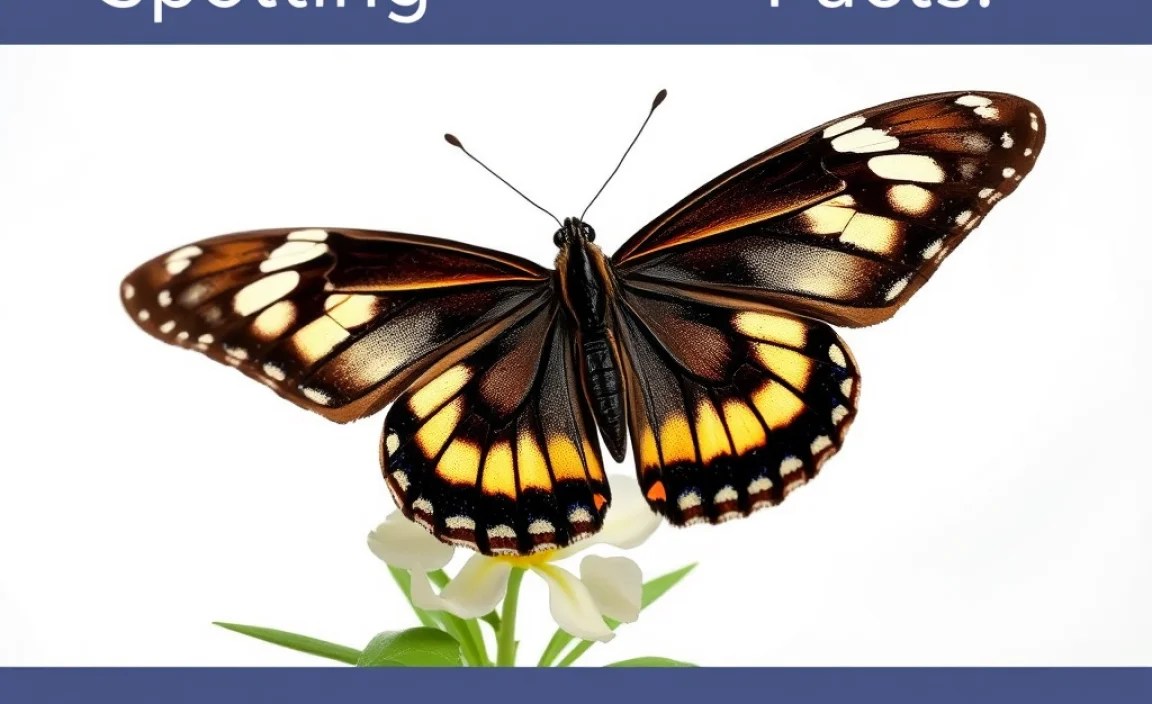
The Common Sailor butterfly is easily identified by its distinctive markings and behavior. Here’s what to look for:
Physical Characteristics
- Wingspan: Typically ranges from 5 to 6.5 cm (2 to 2.5 inches).
- Coloration: The wings are primarily black with a prominent white band running across both the forewings and hindwings.
- Underside: The underside of the wings features a similar pattern but with lighter shades of brown and white.
- Body: The body is slender and black.
Distinguishing Features
The key to identifying the Common Sailor is the continuous white band across its wings. This distinguishes it from other similar butterflies that may have spots or broken bands.
Similar Species and How to Tell Them Apart
Several butterflies can be mistaken for the Common Sailor. Here’s a quick guide to help you differentiate:
| Species | Distinguishing Features | Common Sailor (Neptis hylas) |
|---|---|---|
| Neptis sappho (Pallas’ Sailor) | More rounded wings, less distinct white band. | More angular wings, distinct white band. |
| Neptis clinia (Clear Sailor) | Smaller size, clearer white markings. | Larger size, less clear white markings. |
| Neptis jumbah (Chestnut-streaked Sailor) | Chestnut streaks on the underside of wings. | No chestnut streaks. |
Habitat and Distribution
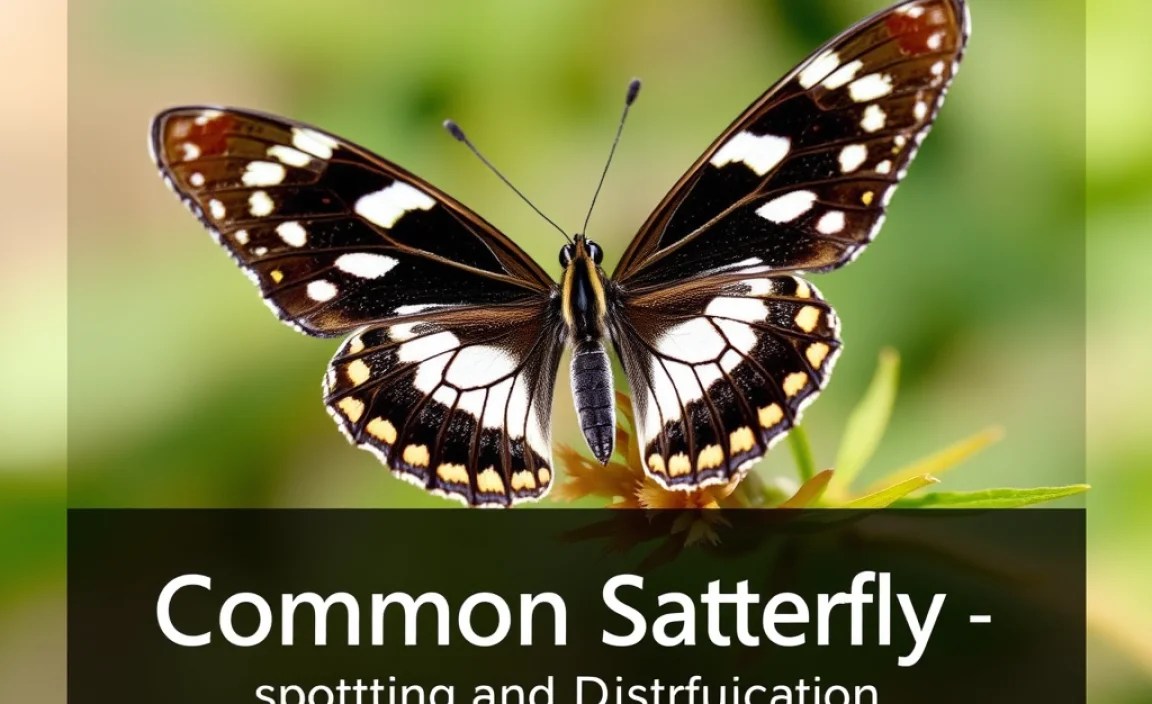
Understanding where the Common Sailor lives can help you spot it more easily.
Geographical Range
The Common Sailor is widely distributed across Asia and Australia. Specifically, it can be found in:
- India
- China
- Southeast Asia (including Thailand, Malaysia, and Indonesia)
- Australia (northern and eastern regions)
Preferred Habitats
This butterfly thrives in various environments, including:
- Tropical and subtropical forests
- Woodlands
- Gardens
- Parks
- Areas near streams and water sources
Factors Influencing Habitat Choice
The Common Sailor prefers habitats that offer:
- Abundant larval host plants (more on this later)
- Access to nectar sources for adults
- Shelter from strong winds and extreme temperatures
Life Cycle of the Common Sailor

Like all butterflies, the Common Sailor undergoes complete metamorphosis. Here’s a detailed look at each stage:
Egg Stage
- Appearance: The eggs are small and typically laid singly on the host plant. They are usually green or yellowish.
- Location: Eggs are laid on the underside of young leaves of the host plant.
- Duration: The egg stage lasts about 3 to 5 days.
Larval Stage (Caterpillar)
- Appearance: The caterpillar is green with various markings that help it camouflage. It has a slender body and a distinct head.
- Feeding Habits: The caterpillar feeds voraciously on the leaves of its host plant.
- Growth and Molting: As the caterpillar grows, it molts several times, shedding its skin to accommodate its increasing size.
- Duration: The larval stage lasts approximately 2 to 4 weeks.
Pupal Stage (Chrysalis)
- Appearance: The pupa, or chrysalis, is typically green or brown, blending in with the surrounding foliage.
- Location: The pupa is usually attached to a stem or leaf of the host plant.
- Transformation: Inside the pupa, the caterpillar undergoes a remarkable transformation, reorganizing its tissues to form the adult butterfly.
- Duration: The pupal stage lasts about 1 to 2 weeks.
Adult Stage
- Emergence: The adult butterfly emerges from the pupal case. Its wings are initially crumpled but quickly expand as they fill with hemolymph (insect blood).
- Reproduction: Adult butterflies mate, and the female lays eggs to start the cycle anew.
- Feeding Habits: Adult butterflies feed on nectar from flowers, using their long proboscis to extract the sugary liquid.
- Lifespan: The adult Common Sailor typically lives for about 2 to 4 weeks.
Host Plants and Nectar Sources
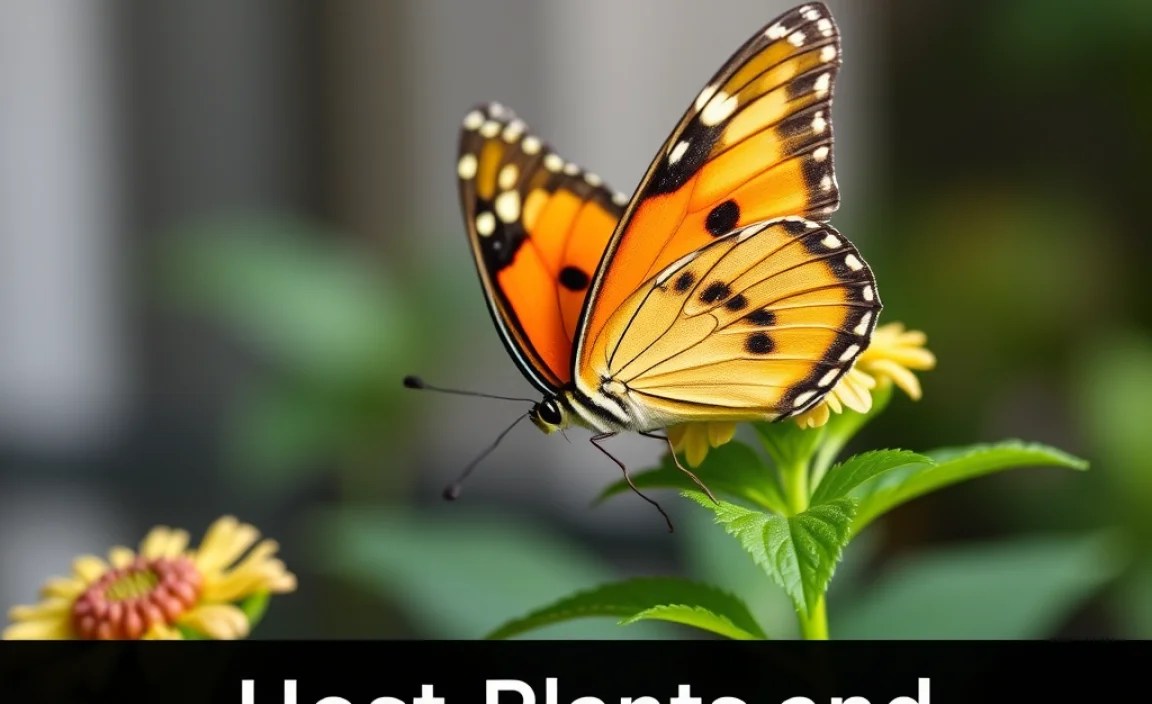
Understanding the Common Sailor’s dietary needs is crucial for attracting and supporting this butterfly in your garden.
Larval Host Plants
The Common Sailor caterpillar feeds on a variety of plants, including:
- Ventilago viminalis (Supplejack)
- Grewia orientalis (Buttonwood)
- Guazuma ulmifolia (Bastard Cedar)
- Various species of the Malvaceae family (e.g., hibiscus, cotton)
Nectar Sources for Adults
Adult Common Sailors feed on nectar from various flowers. Some favorites include:
- Lantana camara
- Hibiscus species
- Pentas lanceolata
- Ixora coccinea
How to Attract Common Sailors to Your Garden
To attract Common Sailors to your garden, consider the following:
- Plant Host Plants: Include larval host plants to provide food for the caterpillars.
- Provide Nectar Sources: Plant a variety of flowering plants that offer nectar throughout the butterfly season.
- Offer a Water Source: Butterflies need water. Provide a shallow dish of water with pebbles for them to land on.
- Avoid Pesticides: Pesticides can harm or kill butterflies and caterpillars. Opt for organic gardening practices.
Behavior and Ecology
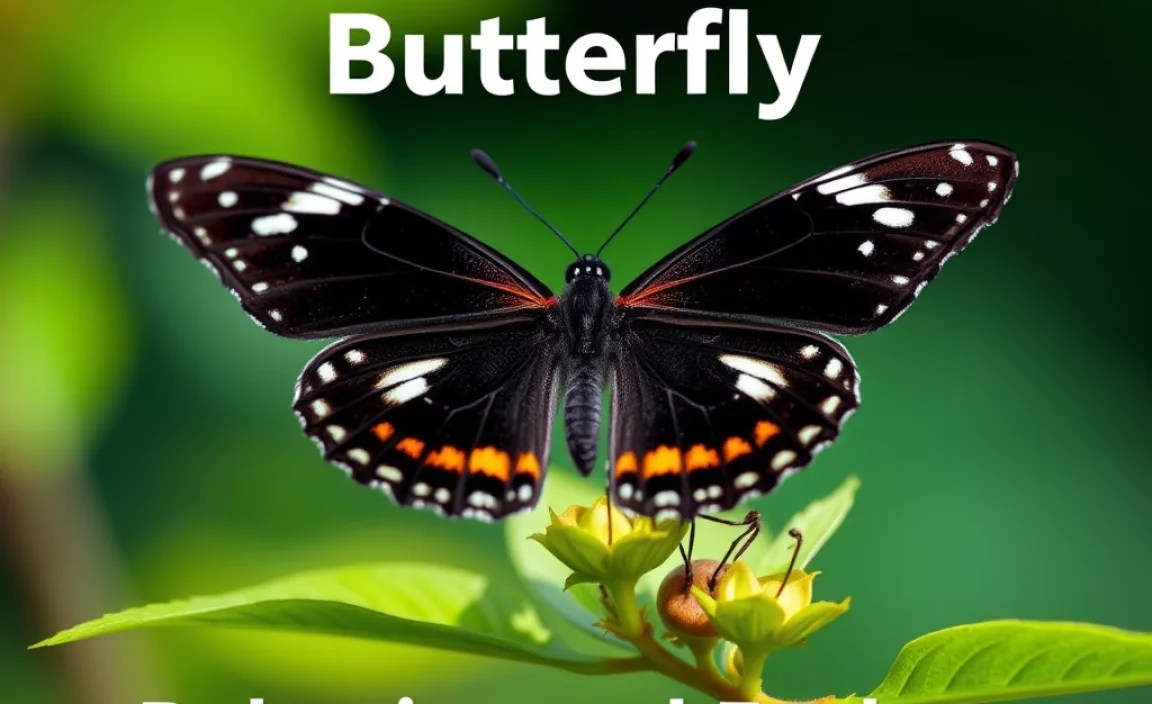
The Common Sailor exhibits interesting behaviors and plays a vital role in its ecosystem.
Flight Patterns
The Common Sailor is known for its gliding flight. It often flies with a series of flaps followed by a glide, giving it a distinctive appearance.
Feeding Habits
Adults feed on nectar, while caterpillars consume the leaves of host plants. This butterfly plays a role in pollination as it moves from flower to flower.
Defense Mechanisms
The caterpillar’s camouflage helps it avoid predators. Adult butterflies may also use their flight to evade threats.
Ecological Role
The Common Sailor contributes to the ecosystem by:
- Pollinating flowers
- Serving as a food source for birds and other predators
- Participating in the food web as both herbivore (caterpillar) and nectar-feeder (adult)
Conservation Status and Threats
Understanding the conservation status and potential threats can help you contribute to the protection of this beautiful butterfly.
Current Conservation Status
The Common Sailor is not currently listed as endangered or threatened. It is a relatively common butterfly in its range.
Potential Threats
Despite its stable population, the Common Sailor faces several potential threats:
- Habitat Loss: Deforestation and urbanization can reduce the availability of suitable habitats.
- Pesticide Use: The use of pesticides in agriculture and gardens can harm or kill butterflies and caterpillars.
- Climate Change: Changes in temperature and rainfall patterns can affect the availability of host plants and nectar sources.
Conservation Efforts
While no specific conservation efforts target the Common Sailor, general butterfly conservation practices can benefit this species. These include:
- Protecting and restoring natural habitats
- Promoting organic gardening practices
- Educating the public about the importance of butterflies and their conservation
Cultural Significance
Butterflies, including the Common Sailor, often hold symbolic meanings in various cultures.
Symbolism of Butterflies
In many cultures, butterflies symbolize:
- Transformation and change
- Hope and new beginnings
- Beauty and grace
- The soul or spirit
Specific Cultural Interpretations
While the Common Sailor may not have specific cultural interpretations distinct from other butterflies, its striking appearance and graceful flight often evoke feelings of joy and wonder.
Observing and Photographing Common Sailors
If you’re interested in observing or photographing Common Sailors, here are some tips:
Best Times to Observe
The best times to observe Common Sailors are during the warmer months, particularly from late spring to early autumn. They are most active during the day, especially in sunny weather.
Tips for Finding Common Sailors
- Visit gardens, parks, and woodlands where host plants and nectar sources are abundant.
- Look for butterflies basking in the sun on leaves or flowers.
- Observe areas near streams and water sources.
Photography Tips
- Use a macro lens to capture close-up details of the butterfly.
- Photograph butterflies in natural light for the best results.
- Be patient and wait for the butterfly to land on a flower or leaf.
- Use a fast shutter speed to freeze the butterfly’s movement.
Frequently Asked Questions (FAQs)
What does a Common Sailor butterfly eat?
The Common Sailor caterpillar eats the leaves of host plants like Ventilago viminalis and Grewia orientalis, while adult butterflies feed on nectar from flowers.
How can I tell a Common Sailor apart from other similar butterflies?
The distinct continuous white band across its black wings is the key identifier. Other similar butterflies may have spots or broken bands.
Where is the Common Sailor butterfly found?
This butterfly is widely distributed across Asia and Australia, thriving in tropical and subtropical forests, gardens, and woodlands.
What is the lifespan of a Common Sailor butterfly?
The adult Common Sailor butterfly typically lives for about 2 to 4 weeks.
Are Common Sailor butterflies endangered?
No, the Common Sailor is not currently listed as endangered, but habitat loss and pesticide use pose potential threats.
How can I attract Common Sailors to my garden?
Plant host plants and nectar sources, provide a water source, and avoid using pesticides to create a butterfly-friendly environment.
What does the Common Sailor butterfly symbolize?
Like many butterflies, it often symbolizes transformation, hope, beauty, and the soul.
Conclusion
The Common Sailor butterfly is a captivating creature that graces gardens and woodlands with its elegant flight and striking markings. By understanding its physical characteristics, habitat, life cycle, and ecological role, you can better appreciate and contribute to the conservation of this beautiful butterfly. Whether you’re a seasoned naturalist or a budding butterfly enthusiast, the Common Sailor offers a wonderful opportunity to connect with nature and witness the magic of metamorphosis firsthand. So, grab your binoculars, explore your local environment, and keep an eye out for the graceful glide of the Common Sailor!


