
Monarch Butterfly Feeding Habits: The Ultimate Guide

Quick Summary: Monarch butterflies primarily feed on nectar from flowers using their long proboscis, which acts like a straw. As caterpillars, they exclusively eat milkweed leaves. Adult monarchs favor nectar-rich flowers like milkweed, asters, and goldenrod, providing them with the energy needed for migration and reproduction. Understanding their feeding habits is crucial for supporting their populations through habitat conservation and butterfly gardening.
Have you ever wondered what those beautiful monarch butterflies eat? It’s a question many of us ask as we admire these creatures fluttering around our gardens. The truth is, monarch butterflies have different diets at different stages of their lives. As caterpillars, they munch on milkweed, and as adults, they sip nectar from flowers. Knowing what they eat helps us create gardens that support these amazing insects. Let’s explore the fascinating feeding habits of monarch butterflies and how you can help them thrive.
In this guide, we’ll cover everything from what monarch caterpillars eat to the favorite nectar sources of adult butterflies. You’ll learn how to create a butterfly-friendly garden and why milkweed is so vital for monarch survival. Get ready to discover the secrets of monarch butterfly nutrition!
Monarch Butterfly Feeding Habits: A Detailed Guide

Monarch butterflies have specific feeding habits that are essential for their survival and migration. Understanding these habits is key to helping these beautiful creatures thrive. Let’s dive into the details of what monarchs eat at each stage of their life.
The Caterpillar Stage: Milkweed Mania

Monarch caterpillars are exclusively milkweed eaters. Milkweed is not just food for them; it’s their lifeline. The chemicals in milkweed make the caterpillars (and later the butterflies) toxic to predators. Here’s what you need to know about their milkweed diet:
- Exclusive Diet: Monarch caterpillars only eat milkweed leaves.
- Toxicity: Milkweed contains cardiac glycosides, which are poisonous to most animals but harmless to monarchs.
- Growth: Caterpillars grow rapidly, molting several times as they increase in size.
Milkweed is so important that the presence of milkweed plants directly impacts monarch populations. Without milkweed, monarchs cannot complete their life cycle. The Xerces Society is an excellent resource for learning more about the importance of milkweed and how to plant it.
Why Milkweed Matters
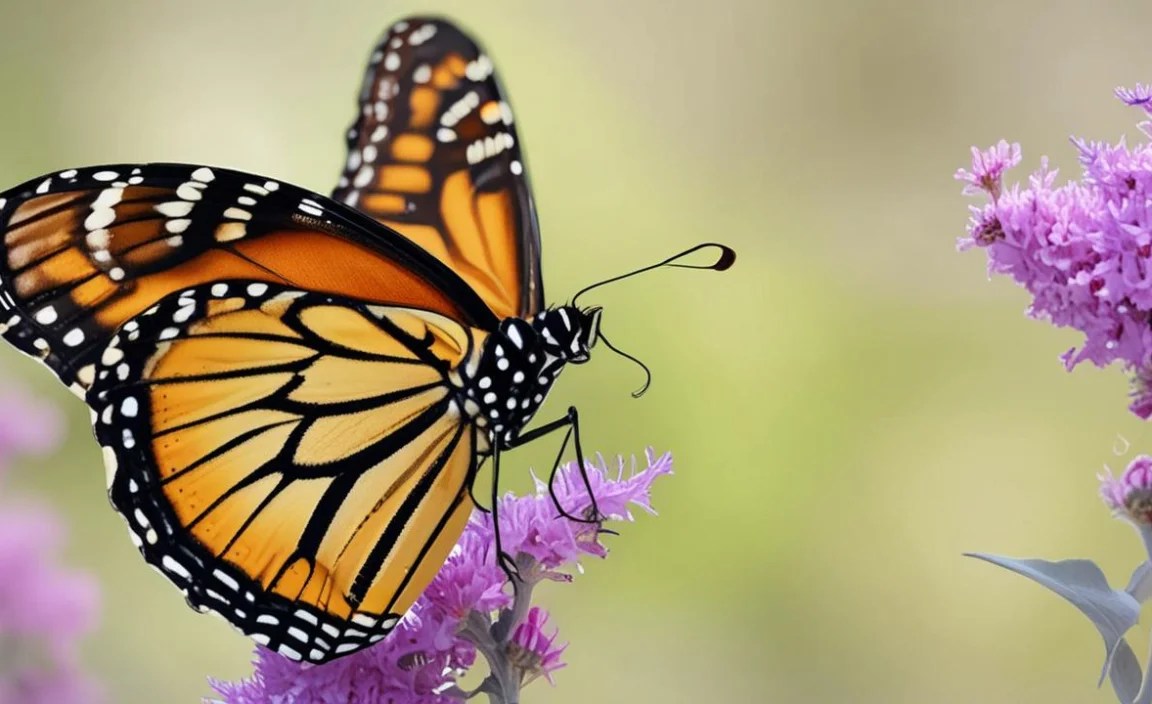
Milkweed provides more than just food. It also offers protection. The toxins in milkweed make monarch caterpillars and butterflies unpalatable to many predators, such as birds and other insects. This natural defense mechanism is crucial for their survival.
Here’s a quick look at the benefits of milkweed:
- Food Source: Essential for caterpillar growth.
- Protection: Toxins deter predators.
- Habitat: Provides shelter and breeding grounds.
The Adult Stage: Nectar Lovers

Adult monarch butterflies feed on nectar from a variety of flowers. Nectar provides them with the energy they need for flight, migration, and reproduction. Here’s what adult monarchs look for in a nectar source:
- Nectar-Rich Flowers: They prefer flowers with abundant nectar.
- Native Plants: Native flowers are often the best sources.
- Color Preference: Monarchs are attracted to bright colors, especially orange, red, and yellow.
Adult monarchs use a long, straw-like proboscis to sip nectar from flowers. This proboscis uncurls and extends into the flower to reach the nectar. When not in use, it coils up under their head.
Favorite Nectar Sources
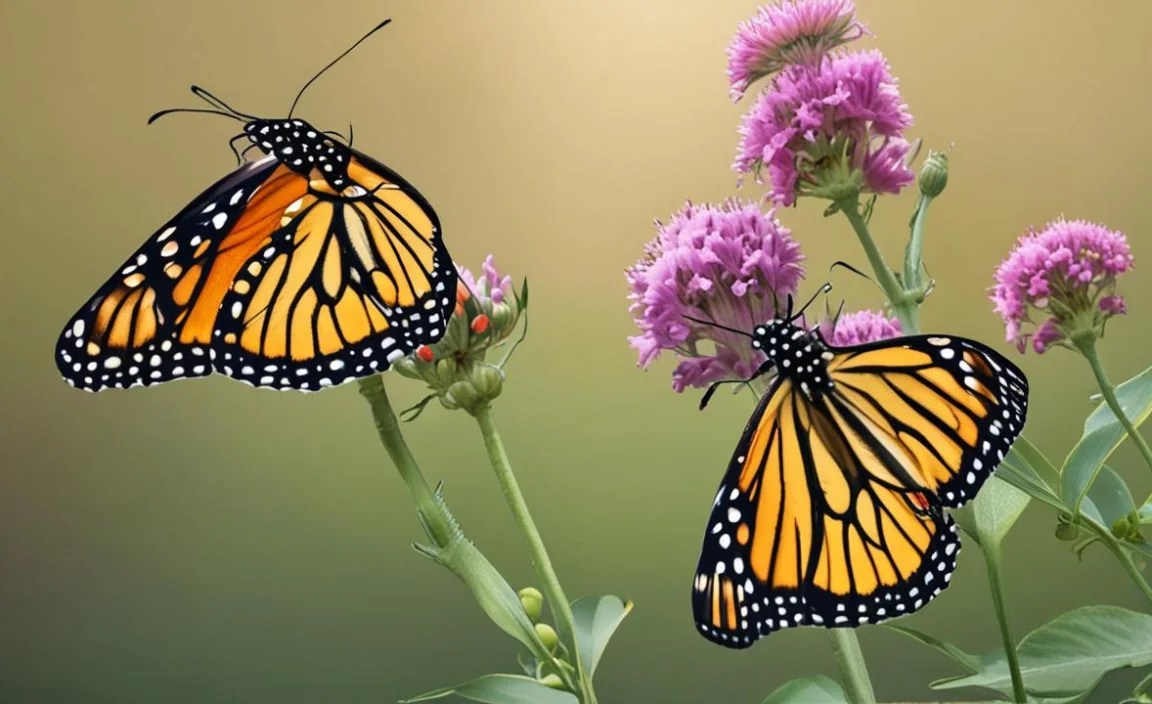
Monarchs have a variety of favorite nectar sources. Here are some of the most popular:
- Milkweed: Yes, milkweed flowers are also a nectar source for adult monarchs!
- Asters: These late-blooming flowers provide nectar during migration.
- Goldenrod: Another excellent source of nectar in the fall.
- Coneflowers: These daisy-like flowers are easy to grow and attract many butterflies.
- Zinnias: Brightly colored and nectar-rich, zinnias are a great addition to any butterfly garden.
To attract more monarchs to your garden, plant a variety of these nectar-rich flowers. Make sure to choose native varieties whenever possible, as they are best adapted to your local climate and provide the most benefit to monarchs.
Seasonal Feeding Patterns
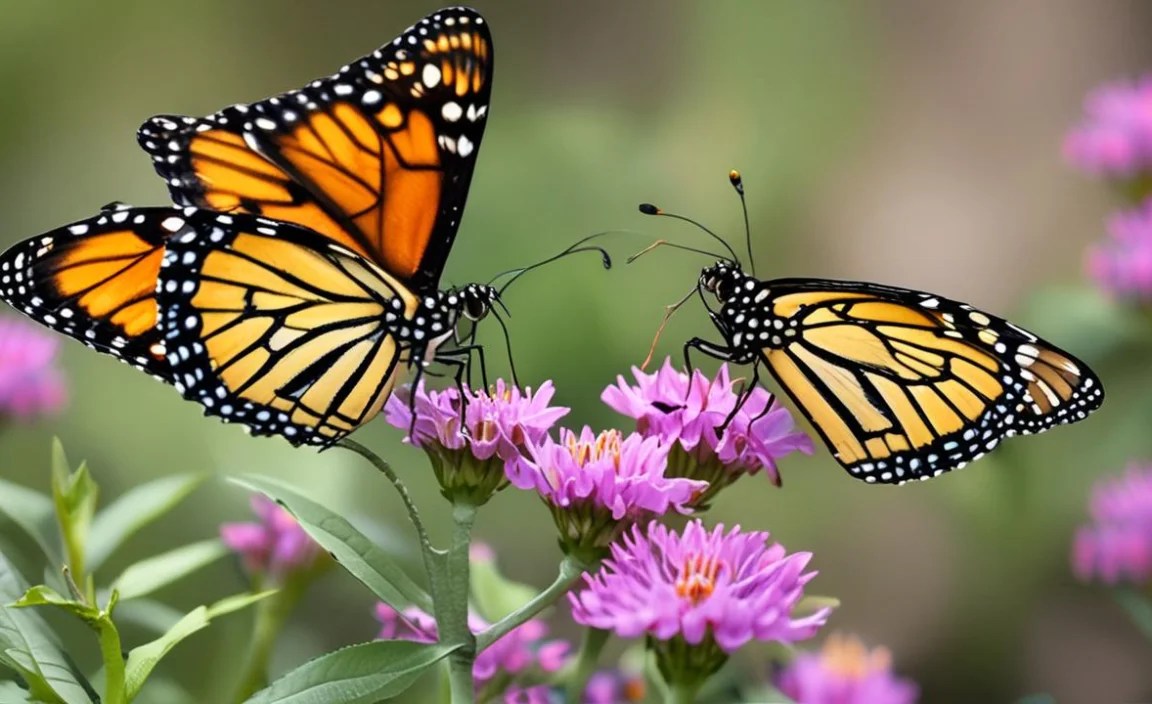
Monarchs have different feeding patterns depending on the time of year. Understanding these patterns can help you provide the right food sources at the right time.
Spring
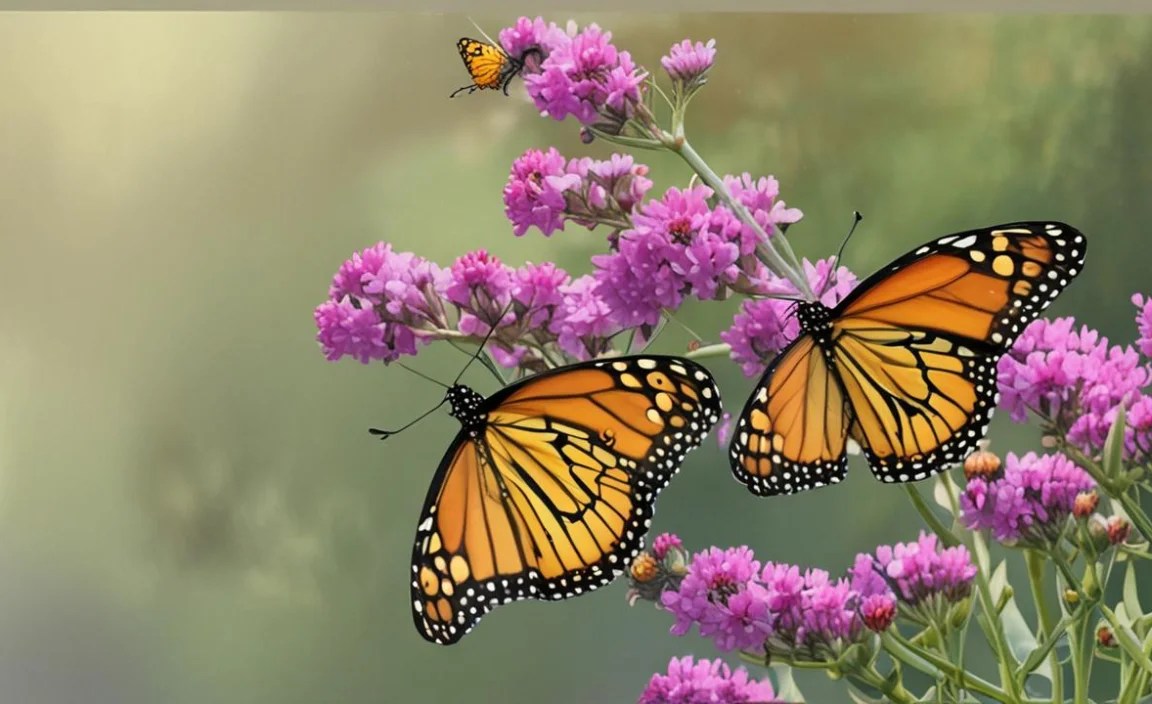
In the spring, monarchs emerging from their overwintering sites need to replenish their energy after their long journey. Early-blooming flowers are essential during this time. Some good choices include:
- Spring Milkweed (Asclepias vernalis): Provides both food for caterpillars and nectar for adults.
- Wild Hyacinth (Camassia spp.): Offers early nectar sources.
- Phlox (Phlox spp.): A colorful and fragrant nectar source.
Summer
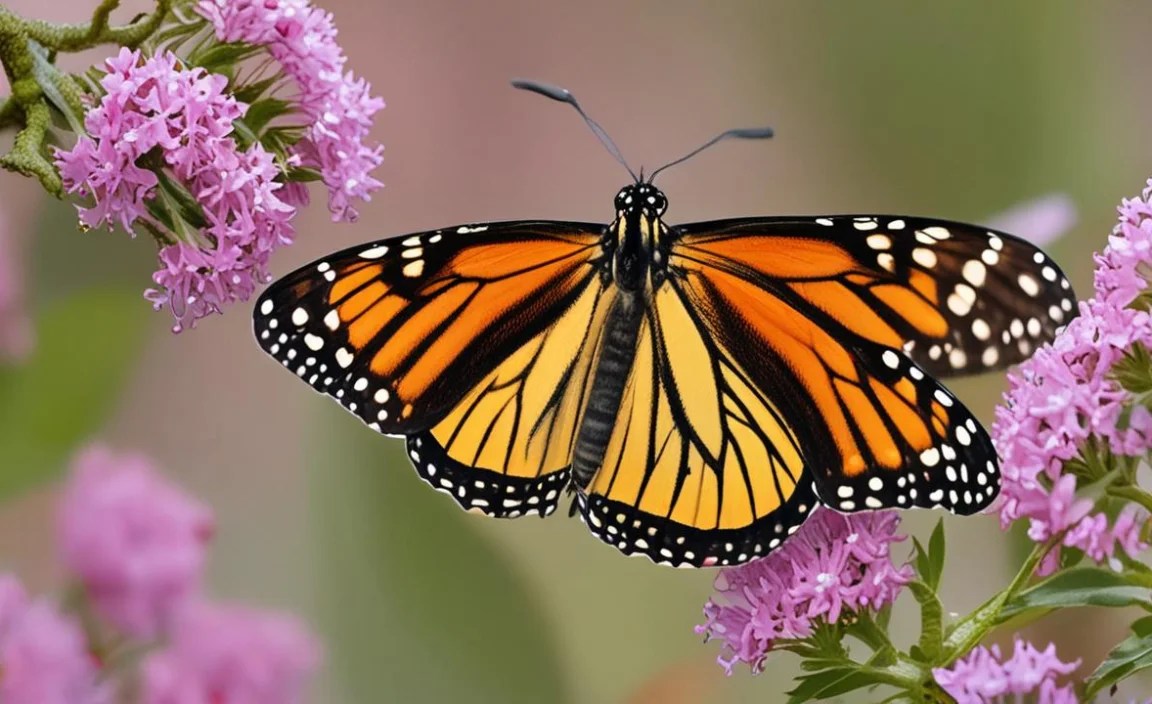
Summer is the breeding season for monarchs, and both caterpillars and adults need plenty of food. Plant a variety of milkweed species and nectar-rich flowers to support them. Consider these options:
- Common Milkweed (Asclepias syriaca): A favorite of monarch caterpillars.
- Butterfly Weed (Asclepias tuberosa): A beautiful and nectar-rich milkweed.
- Purple Coneflower (Echinacea purpurea): Attracts many butterflies with its bright color.
Fall
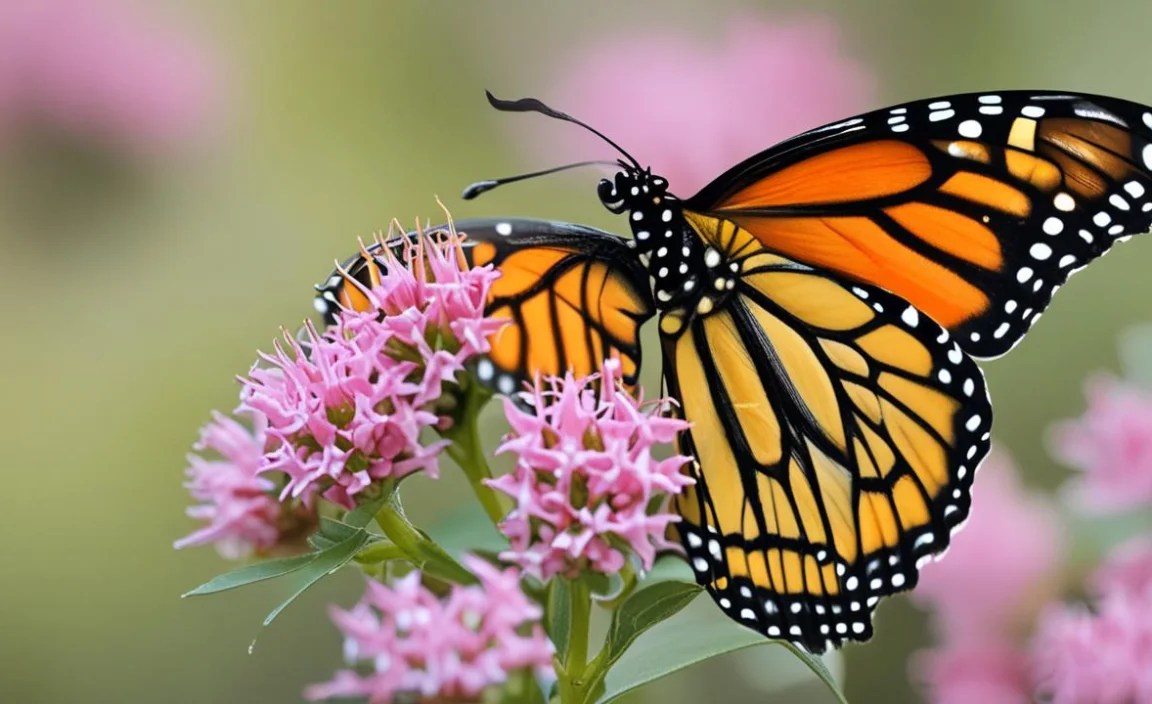
Fall is a critical time for monarchs as they prepare for their long migration to overwintering sites. Late-blooming flowers are essential to provide them with the energy they need for their journey. Plant these options:
- Asters (Symphyotrichum spp.): A valuable late-season nectar source.
- Goldenrod (Solidago spp.): Provides abundant nectar for migrating monarchs.
- Joe-Pye Weed (Eutrochium purpureum): A tall and attractive nectar source.
Creating a Monarch-Friendly Garden
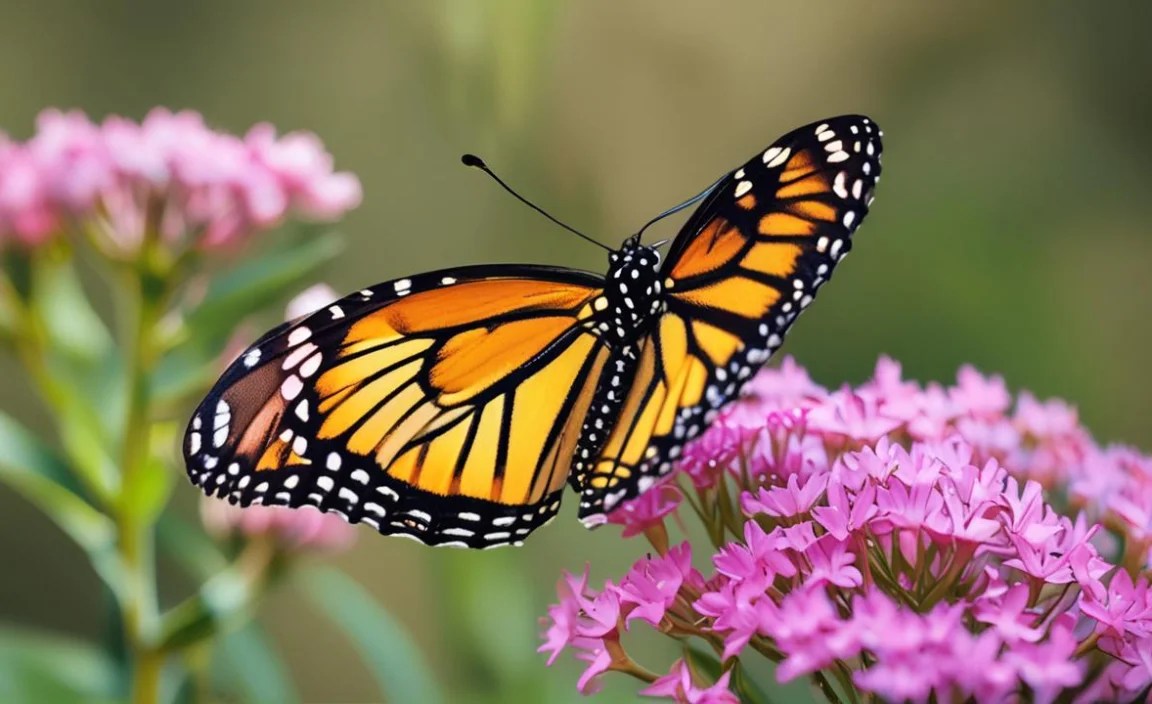
Creating a monarch-friendly garden is a rewarding way to support these beautiful butterflies. Here are some tips to get you started:
- Plant Milkweed: This is the most important step. Plant several different species of milkweed to provide food for caterpillars throughout the summer.
- Provide Nectar Sources: Plant a variety of nectar-rich flowers that bloom at different times of the year.
- Avoid Pesticides: Pesticides can harm or kill monarch caterpillars and butterflies. Use natural pest control methods instead.
- Provide Water: Butterflies need water, too. Create a shallow dish of water with pebbles for them to land on.
- Offer Shelter: Plant shrubs and trees to provide shelter from wind and predators.
By following these tips, you can create a beautiful and beneficial habitat for monarch butterflies in your own backyard. The U.S. Fish and Wildlife Service offers additional resources for creating pollinator-friendly habitats.
The Role of Water and Minerals

While nectar is the primary food source for adult monarchs, they also need water and minerals. Monarchs often gather around puddles or damp soil to sip water and absorb minerals. This behavior is called “puddling.”
Here’s why water and minerals are important:
- Hydration: Water is essential for all living things, including butterflies.
- Minerals: Minerals like sodium and potassium are important for reproduction and overall health.
You can provide a puddling station for monarchs by creating a shallow dish of water with some sand or pebbles. Keep the dish moist, and add a pinch of sea salt or wood ashes to provide minerals.
Threats to Monarch Feeding Habitats

Several factors threaten monarch feeding habitats, including habitat loss, pesticide use, and climate change. Understanding these threats is crucial for protecting monarch populations.
Habitat Loss
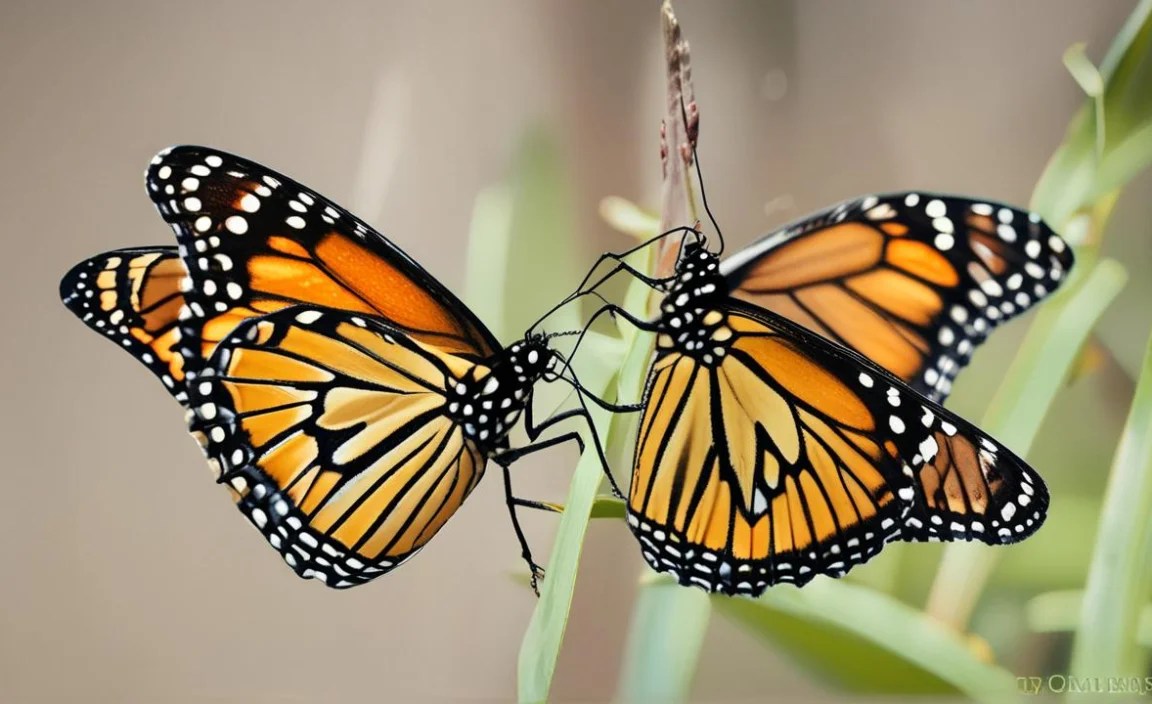
Habitat loss is one of the biggest threats to monarch butterflies. As natural areas are converted to farmland, urban areas, and other uses, monarchs lose their feeding and breeding grounds. This is especially critical for milkweed, which is often removed from agricultural fields and roadsides.
Pesticide Use
Pesticides can harm or kill monarch caterpillars and butterflies. Even pesticides that are not directly toxic to monarchs can harm them by killing the plants they depend on for food. Neonicotinoids, a type of insecticide, are particularly harmful to pollinators.
Climate Change
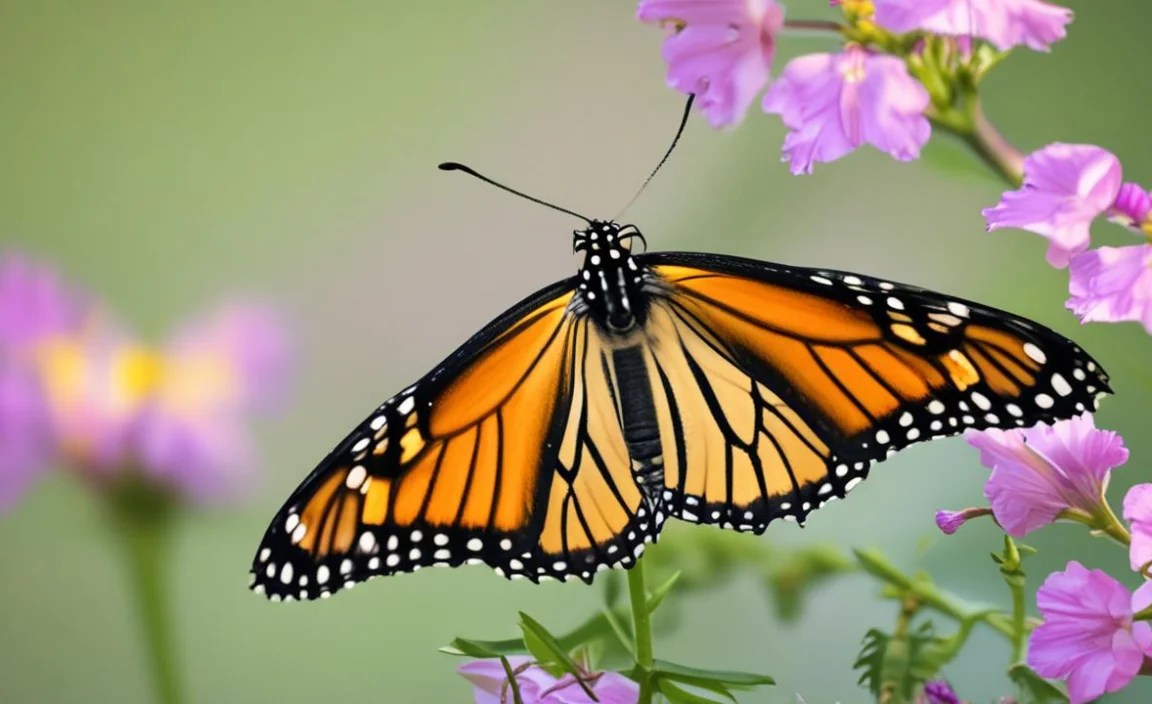
Climate change is also a threat to monarch butterflies. Changes in temperature and precipitation patterns can disrupt their migration and breeding cycles. Extreme weather events, such as droughts and floods, can also damage or destroy monarch habitats.
Conservation Efforts and How You Can Help
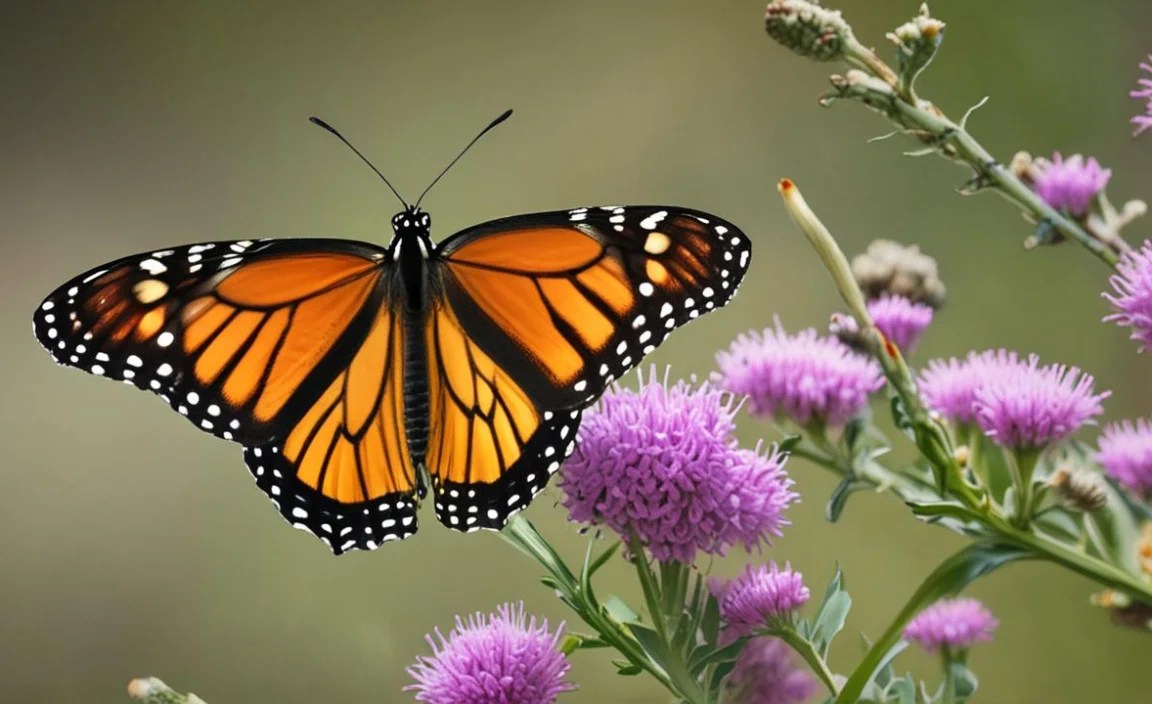
Many organizations and individuals are working to protect monarch butterflies. Here are some ways you can help:
- Plant Milkweed and Nectar Flowers: Create a monarch-friendly garden in your backyard or community.
- Avoid Pesticides: Use natural pest control methods instead of pesticides.
- Support Conservation Organizations: Donate to or volunteer with organizations that are working to protect monarch butterflies.
- Educate Others: Share your knowledge about monarch butterflies with friends, family, and neighbors.
- Participate in Citizen Science Projects: Help scientists track monarch populations by participating in citizen science projects like the Monarch Watch program.
By taking these steps, you can make a difference in the effort to protect monarch butterflies and their feeding habitats. Every little bit helps, and together, we can ensure that these beautiful creatures continue to thrive for generations to come.
Tables: Monarch Butterfly Feeding Habits

| Stage | Food Source | Description |
|---|---|---|
| Caterpillar | Milkweed Leaves | Exclusively eats milkweed; gains toxicity from the plant. |
| Adult Butterfly | Nectar | Feeds on nectar from various flowers; requires energy for migration and reproduction. |
| Season | Plant | Benefit to Monarchs |
|---|---|---|
| Spring | Spring Milkweed | Provides early food for caterpillars and nectar for adults. |
| Summer | Common Milkweed | Supports caterpillar growth and development. |
| Fall | Asters | Offers late-season nectar for migrating adults. |
FAQ: Monarch Butterfly Feeding Habits
What do monarch caterpillars eat?
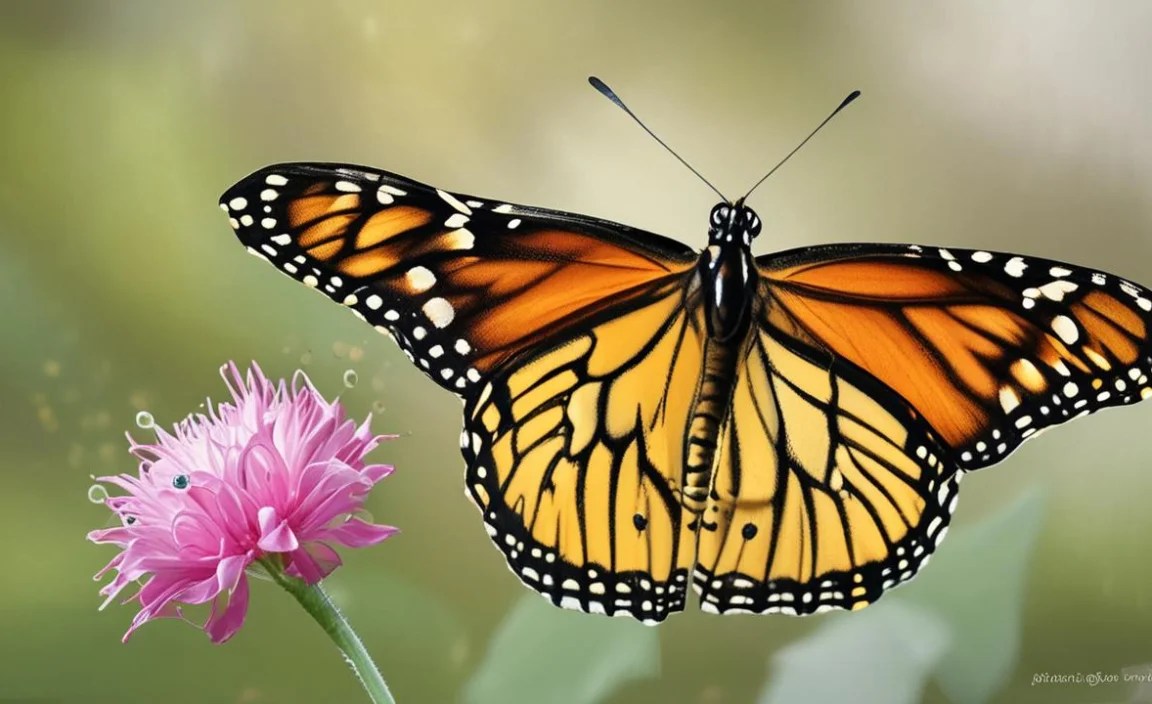
Monarch caterpillars exclusively eat milkweed leaves. Milkweed is essential for their growth and development, and it also makes them toxic to predators.
What do adult monarch butterflies eat?

Adult monarch butterflies feed on nectar from flowers. They use a long, straw-like proboscis to sip nectar, which provides them with the energy they need for flight, migration, and reproduction.
Why is milkweed so important for monarch butterflies?

Milkweed is the only food source for monarch caterpillars. Without milkweed, monarchs cannot complete their life cycle. Additionally, milkweed contains toxins that protect monarchs from predators.
What are some good nectar sources for monarch butterflies?

Some of the best nectar sources for monarch butterflies include milkweed flowers, asters, goldenrod, coneflowers, and zinnias. Plant a variety of these flowers in your garden to attract monarchs.
How can I create a monarch-friendly garden?
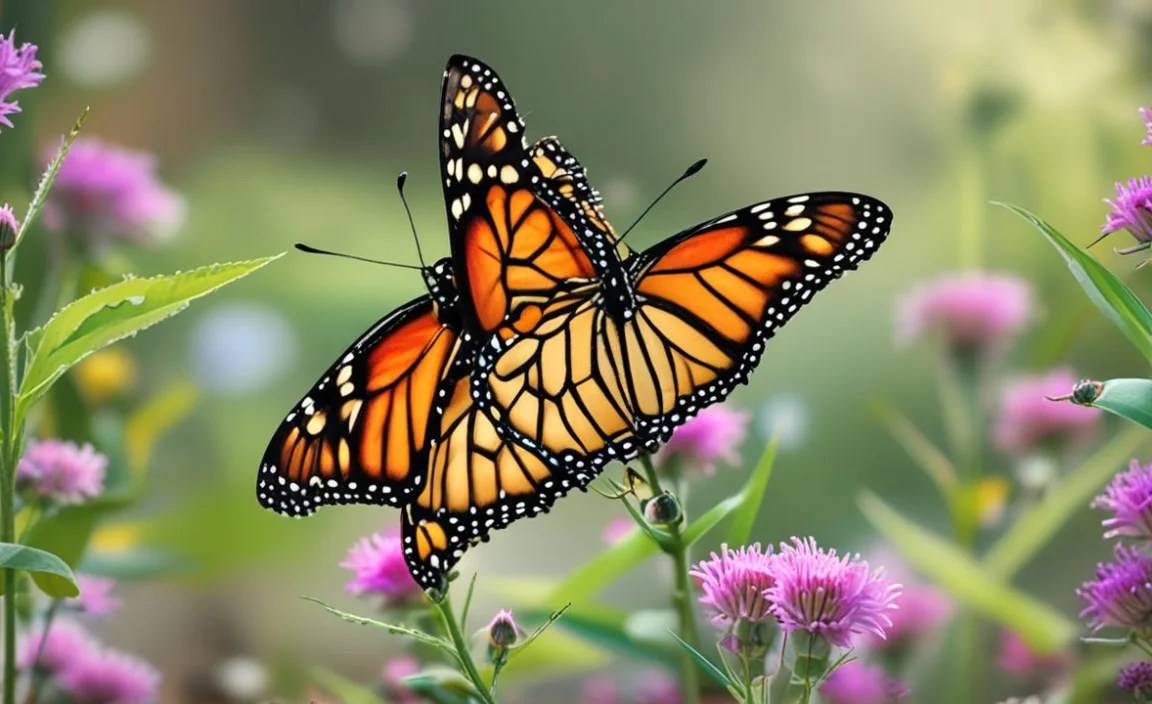
To create a monarch-friendly garden, plant milkweed and nectar-rich flowers, avoid pesticides, provide water, and offer shelter. These steps will help support monarch populations in your area.
What is “puddling,” and why do monarchs do it?
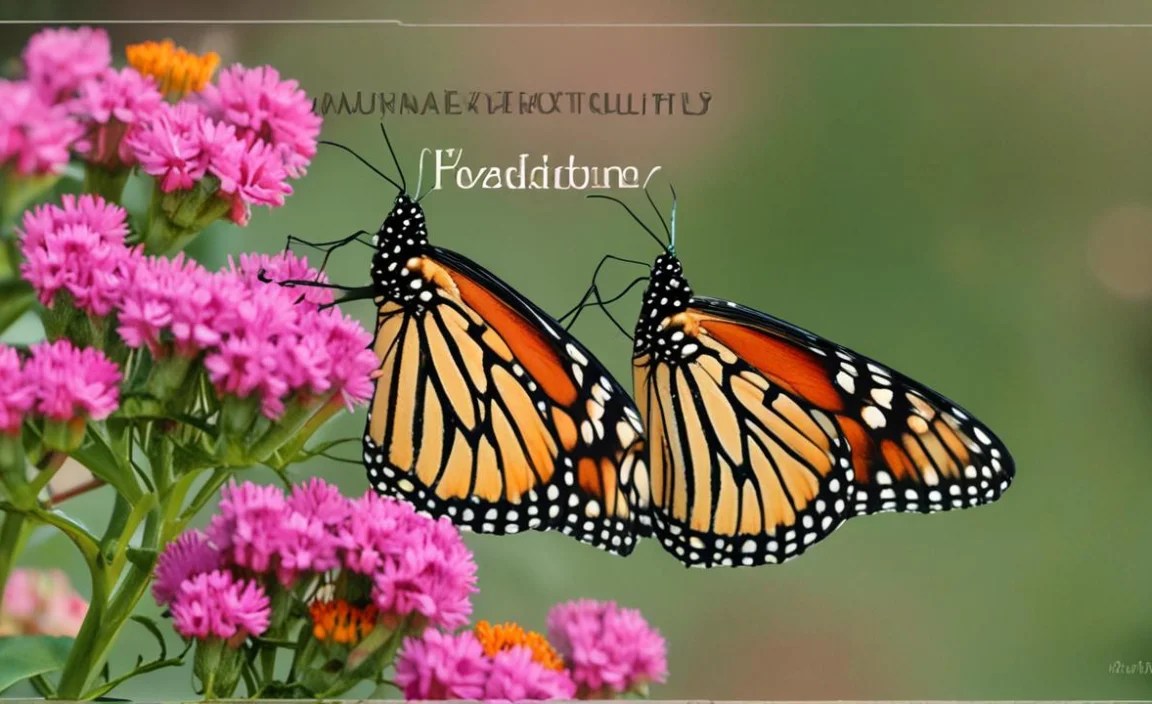
“Puddling” is when butterflies gather around puddles or damp soil to sip water and absorb minerals. They do this to hydrate and obtain essential minerals like sodium and potassium, which are important for reproduction and overall health.
What are the main threats to monarch feeding habitats?

The main threats to monarch feeding habitats include habitat loss, pesticide use, and climate change. These factors can reduce the availability of milkweed and nectar sources, making it difficult for monarchs to survive.
Conclusion
Understanding the feeding habits of monarch butterflies is crucial for supporting their populations. By planting milkweed for caterpillars and nectar-rich flowers for adults, you can create a welcoming habitat in your own backyard. Remember to avoid pesticides and provide water and shelter to further enhance your garden’s appeal to these beautiful creatures. Every effort, no matter how small, contributes to the conservation of monarch butterflies and ensures that future generations can enjoy their presence. So, get out there, start planting, and watch your garden transform into a monarch haven!


