
Rainforest Butterfly Identification: An Easy Guide

Identifying rainforest butterflies can seem tricky due to their vast diversity, but it’s totally achievable! Start by noting size, color patterns, and wing shapes. Observe their behavior and habitat. Use field guides and online resources to match your observations. With practice, you’ll become a pro at spotting these amazing creatures.
Have you ever been mesmerized by the vibrant colors of a butterfly flitting through a rainforest? It’s an incredible experience, but identifying these beauties can feel overwhelming. Rainforests are home to a dazzling array of butterfly species, each with unique patterns and characteristics. Don’t worry, though! With a few simple techniques and a little patience, you can learn to identify these fascinating insects.
This guide will walk you through the essential steps for identifying rainforest butterflies. We’ll cover everything from observing key features to using helpful resources. Get ready to unlock the secrets of the rainforest and discover the names behind those stunning wings!
Understanding Rainforest Butterfly Diversity
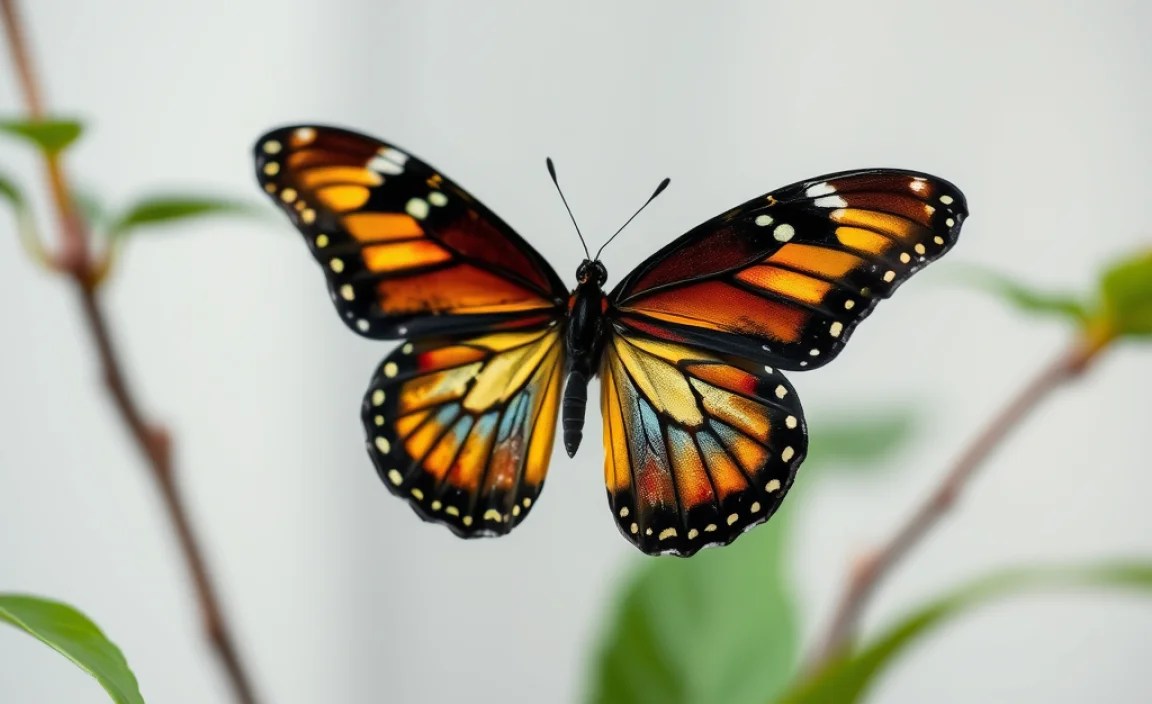
Rainforests are biodiversity hotspots, and their butterfly populations are no exception. Understanding the basics of butterfly classification and the unique adaptations of rainforest species is crucial for accurate identification.
Butterfly Families in the Rainforest
Butterflies are classified into several families, each with distinct characteristics. Here are some of the most common families you’ll encounter in rainforests:
- Nymphalidae (Brush-footed Butterflies): This is one of the largest families and includes many familiar species. They often have vibrant colors and patterns, and their front legs are reduced, giving them the appearance of only having four legs. Examples include morphos, emperors, and fritillaries.
- Papilionidae (Swallowtail Butterflies): Known for their elegant tails and striking colors, swallowtails are often large and impressive. They are strong fliers and can be found in a variety of habitats.
- Pieridae (Whites and Yellows): As the name suggests, this family includes butterflies that are predominantly white or yellow. They are often found in open areas and are attracted to flowers.
- Lycaenidae (Gossamer-winged Butterflies): These are small, often brightly colored butterflies. Many have intricate patterns and metallic sheens. They include blues, coppers, and hairstreaks.
- Hesperiidae (Skippers): Skippers are small, stout-bodied butterflies with hooked antennae. They have a rapid, darting flight pattern, which gives them their name.
Adaptations of Rainforest Butterflies
Rainforest butterflies have evolved unique adaptations to thrive in their environment. These adaptations can be helpful in identification:
- Camouflage: Many rainforest butterflies have evolved camouflage to blend in with their surroundings. This can include patterns that mimic leaves, bark, or even bird droppings. The dead leaf butterfly (Kallima inachus), for instance, looks exactly like a dried leaf when its wings are closed.
- Mimicry: Some butterflies mimic other species that are toxic or unpalatable to predators. This is known as Batesian mimicry. For example, some viceroy butterflies mimic the monarch butterfly, which is poisonous to many animals.
- Bright Colors: Some rainforest butterflies have bright, vibrant colors to warn predators that they are toxic. This is known as aposematism.
- Wing Shape: The shape of a butterfly’s wings can also be an adaptation. For example, long, narrow wings are better for flying in dense forests, while broad wings are better for soaring in open areas.
Essential Tools for Butterfly Identification
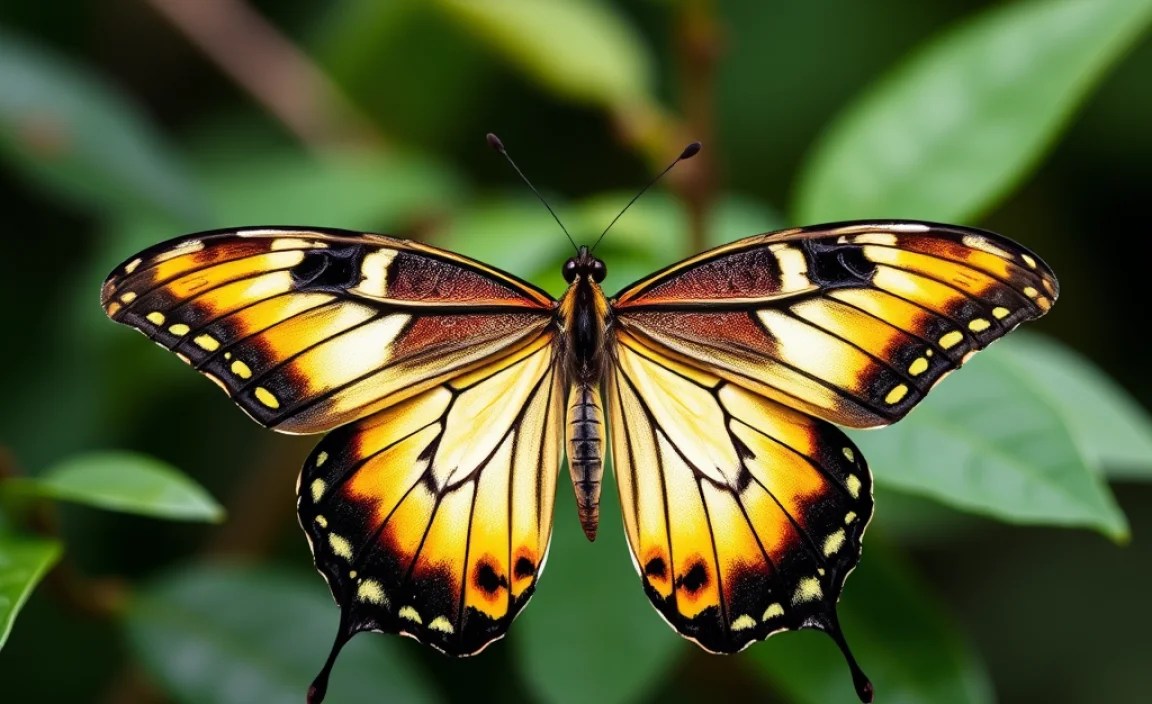
Before you head out into the rainforest, make sure you have the right tools to help you identify butterflies. Here’s a list of essential items:
- Binoculars: A good pair of binoculars will allow you to get a closer look at butterflies without disturbing them. Look for binoculars with a magnification of 8x or 10x and a wide field of view.
- Field Guide: A field guide is an essential resource for butterfly identification. Choose a guide that is specific to the region you’ll be visiting. Look for guides with detailed descriptions, illustrations, and range maps.
- Camera: A camera is useful for documenting your observations. Take photos of butterflies from different angles to capture key features. A macro lens can be helpful for capturing close-up details.
- Notebook and Pen: Keep a notebook and pen handy to record your observations. Note the date, time, location, and any other relevant information.
- Magnifying Glass: A magnifying glass can be helpful for examining small details, such as wing patterns and markings.
- Butterfly Net (Optional): A butterfly net can be used to catch butterflies for closer examination. However, it’s important to handle butterflies with care and release them unharmed. Be sure to check local regulations regarding butterfly collecting.
Step-by-Step Guide to Rainforest Butterfly Identification

Now that you have your tools and a basic understanding of butterfly diversity, let’s dive into the step-by-step process of identifying rainforest butterflies.
Step 1: Observe the Butterfly’s Size and Shape
Start by noting the butterfly’s size and shape. Is it large or small? Is it slender or stout? The overall size and shape can help you narrow down the possibilities.
| Size | Description | Example |
|---|---|---|
| Small | Wingspan less than 2 inches | Lycaenidae (Gossamer-winged Butterflies) |
| Medium | Wingspan between 2 and 4 inches | Pieridae (Whites and Yellows) |
| Large | Wingspan greater than 4 inches | Papilionidae (Swallowtail Butterflies) |
Step 2: Note the Wing Color and Pattern
The color and pattern of a butterfly’s wings are often the most distinctive features. Pay close attention to the following:
- Dominant Colors: What are the primary colors on the wings? Are they bright and vibrant, or muted and earthy?
- Patterns: Are there spots, stripes, bands, or other patterns on the wings? Describe the shape, size, and arrangement of these patterns.
- Wing Underside: The underside of the wings can be very different from the upperside. Be sure to observe both sides.
- Metallic Markings: Some butterflies have metallic or iridescent markings on their wings. Note the color and location of these markings.
Step 3: Observe the Butterfly’s Behavior
A butterfly’s behavior can also provide clues to its identity. Consider the following:
- Flight Pattern: Does the butterfly fly quickly and erratically, or slowly and gracefully? Skippers, for example, have a rapid, darting flight pattern.
- Feeding Habits: What is the butterfly feeding on? Some butterflies are attracted to specific types of flowers or plants.
- Sunbathing: Does the butterfly bask in the sun with its wings open or closed?
- Territoriality: Does the butterfly defend a specific area or perch?
Step 4: Identify the Habitat
The habitat in which you find a butterfly can also help with identification. Rainforests are diverse environments, and different butterfly species are adapted to different habitats. Consider the following:
- Elevation: What is the elevation of the area? Some butterfly species are only found at certain elevations.
- Vegetation: What types of plants are growing in the area? Some butterflies are associated with specific host plants.
- Microhabitat: Is the butterfly found in a sunny clearing, a shady forest, or near a stream?
Step 5: Consult a Field Guide or Online Resource
Once you have gathered as much information as possible, consult a field guide or online resource to narrow down the possibilities. Look for a guide that is specific to the region you are in. Compare your observations to the descriptions and illustrations in the guide.
Here are some useful online resources for butterfly identification:
- Butterflies and Moths of North America (BAMONA): A comprehensive website with information on North American butterflies and moths. butterfliesandmoths.org
- iNaturalist: A citizen science platform where you can upload photos of butterflies and get help with identification from other users. inaturalist.org
- Project Noah: Another citizen science platform where you can share your wildlife observations and learn from others. projectnoah.org
Step 6: Use Dichotomous Keys
For more precise identification, consider using a dichotomous key. These keys present a series of paired statements, and you choose the statement that best describes the butterfly you are trying to identify. Each choice leads you to another pair of statements, eventually leading you to the species name.
Here’s a simplified example of how a dichotomous key might work:
- Wings predominantly blue… go to 2
- Wings not predominantly blue… go to 3
- Wings iridescent blue, large size (over 4 inches)… Morpho menelaus
- Wings dull blue, medium size (2-4 inches)… Lycaena helloides
- Wings predominantly yellow… go to 4
- Wings not predominantly yellow… go to 5
- …and so on.
Dichotomous keys can seem daunting at first, but with practice, they can be a powerful tool for butterfly identification. They are commonly found in field guides and scientific publications.
Butterfly Anatomy: Key Features for Identification
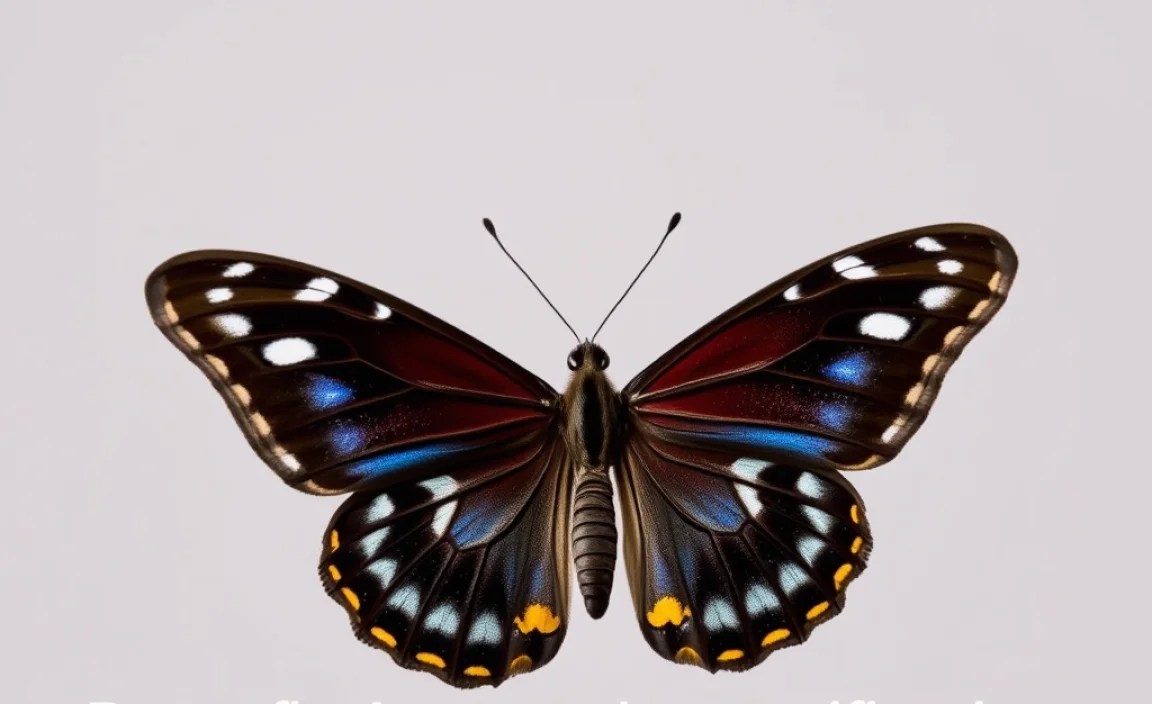
Knowing the basic anatomy of a butterfly is crucial for accurate identification. Here are some key features to focus on:
- Wings: The shape, size, color, and pattern of the wings are the most important features for identification. Pay attention to both the upperside and underside of the wings.
- Antennae: Butterflies have long, slender antennae with a club-shaped tip. The shape and color of the antennae can vary between species.
- Body: The body of a butterfly is divided into three sections: the head, thorax, and abdomen. The color and markings on the body can be helpful in identification.
- Legs: Butterflies have six legs, but in some families, such as the Nymphalidae, the front legs are reduced and not used for walking.
- Eyes: Butterflies have large, compound eyes that are made up of many individual lenses. The color and shape of the eyes can vary between species.
Common Mistakes in Butterfly Identification
Butterfly identification can be challenging, and it’s easy to make mistakes. Here are some common pitfalls to avoid:
- Relying on Color Alone: Color is an important feature, but it shouldn’t be the only factor you consider. Wing patterns, size, shape, and behavior are also important.
- Ignoring the Underside of the Wings: The underside of the wings can be very different from the upperside and may contain important identifying features.
- Not Considering Geographic Variation: Butterfly species can vary in appearance depending on their location. Be sure to use a field guide that is specific to the region you are in.
- Failing to Account for Sex and Age: Male and female butterflies can look different, and the appearance of a butterfly can change as it ages.
- Making Assumptions: Don’t assume that you know the identity of a butterfly based on a quick glance. Take the time to observe the butterfly carefully and consult a field guide.
Attracting Butterflies to Your Garden
One of the best ways to learn about butterflies is to attract them to your garden. By planting butterfly-friendly plants, you can create a habitat that will attract a variety of species. Here are some tips for creating a butterfly garden:
- Plant Host Plants: Host plants are plants that butterflies lay their eggs on. Caterpillars feed on these plants, so it’s important to include them in your garden. Some popular host plants include milkweed (for monarch butterflies), parsley (for swallowtail butterflies), and violets (for fritillary butterflies). The Xerces Society offers resources for selecting the right milkweed for your area.
- Plant Nectar Plants: Nectar plants provide food for adult butterflies. Choose plants that have a long bloom time and a variety of colors and shapes. Some popular nectar plants include butterfly bush, zinnias, and coneflowers.
- Provide a Water Source: Butterflies need water to survive. Provide a shallow dish of water with pebbles or stones for them to land on.
- Provide Shelter: Butterflies need shelter from the wind and rain. Plant trees and shrubs to provide cover.
- Avoid Pesticides: Pesticides can harm butterflies and other beneficial insects. Avoid using pesticides in your garden.
Rainforest Butterfly Conservation
Rainforest butterflies face many threats, including habitat loss, climate change, and pesticide use. By supporting conservation efforts, you can help protect these beautiful creatures for future generations. Here are some ways to get involved:
- Support Conservation Organizations: Donate to organizations that are working to protect rainforests and butterfly habitats.
- Reduce Your Carbon Footprint: Climate change is a major threat to rainforest butterflies. Reduce your carbon footprint by driving less, using less energy, and eating less meat.
- Buy Sustainable Products: Support companies that are committed to sustainable practices. Avoid buying products that contribute to deforestation.
- Educate Others: Share your knowledge of rainforest butterflies with others. The more people who care about these creatures, the better chance they have of surviving.
FAQ About Rainforest Butterfly Identification
Here are some frequently asked questions about rainforest butterfly identification:
What is the most important thing to look for when identifying a butterfly?
The most important thing is to observe the butterfly’s wing patterns, colors, and size. Also, note its behavior and habitat, as these can provide additional clues.
How can I tell the difference between a male and female butterfly?
In some species, males and females have different colors or patterns. Males may have brighter colors or more distinct markings. However, this varies greatly between species, so a field guide is your best bet.
What is the best time of day to see butterflies?
Butterflies are most active during warm, sunny days. The best time to see them is typically mid-morning to mid-afternoon when temperatures are highest.
Are all rainforest butterflies brightly colored?
No, while many rainforest butterflies are brightly colored, some are camouflaged to blend in with their surroundings. These butterflies may have muted colors and patterns that mimic leaves or bark.
How can I attract more butterflies to my garden?
Plant a variety of nectar-rich flowers and host plants that butterflies like. Provide a water source, shelter, and avoid using pesticides.
What should I do if I find an injured butterfly?
If you find an injured butterfly, you can try to help it by placing it in a safe, sheltered location with access to nectar. You can also offer it a sugar-water solution (one part sugar to four parts water) on a cotton ball.
Is it okay to touch a butterfly’s wings?
It’s best to avoid touching a butterfly’s wings, as the scales are delicate and can be damaged easily. Damaged wings can impair a butterfly’s ability to fly and survive.
Conclusion
Identifying rainforest butterflies is a rewarding experience that connects you to the incredible biodiversity of these vital ecosystems. By following the steps outlined in this guide, you can confidently identify many of the stunning butterflies you encounter. Remember to observe carefully, consult reliable resources, and appreciate the beauty and ecological importance of these delicate creatures. Happy butterfly watching!


