Clouded Sulphur Butterfly: Easy ID Guide

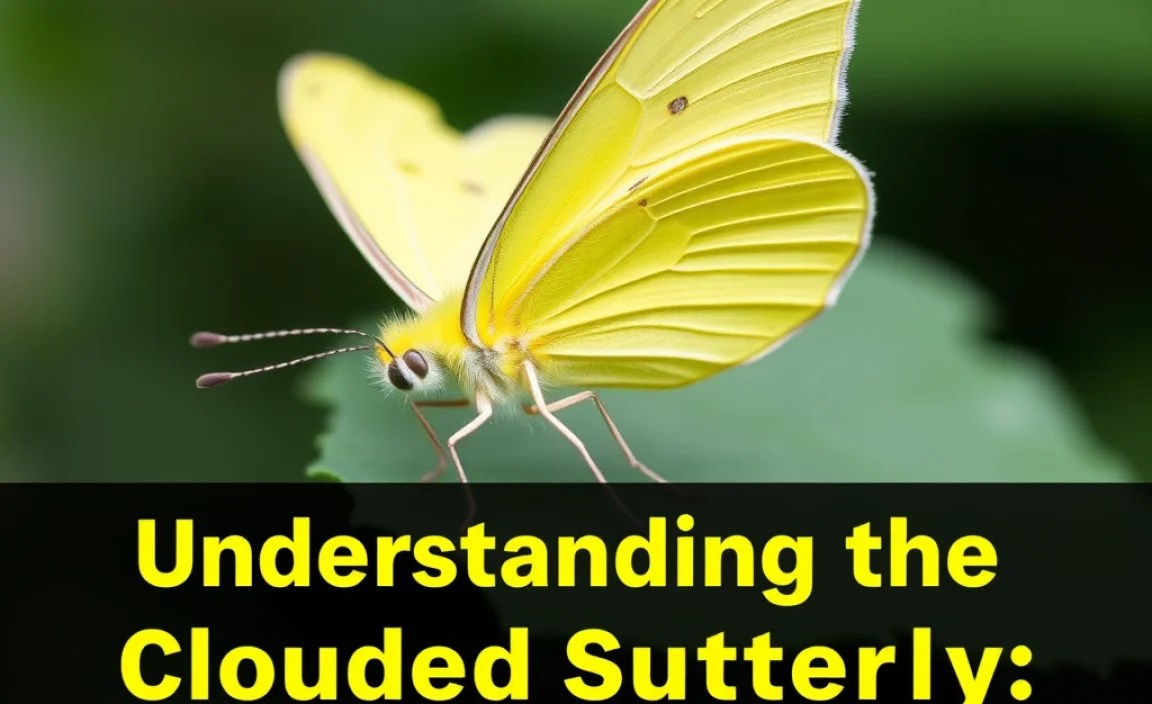
The Clouded Sulphur butterfly (Colias philodice) is a common North American butterfly known for its vibrant yellow wings, often with dark borders.
These butterflies are frequently seen in open fields and gardens, flitting from flower to flower. Identifying them involves observing their wing patterns, size, and habitat. They play an essential role in pollination and are a joy to watch!
Have you ever been captivated by a flash of yellow in your garden, wondering what butterfly it could be? Identifying butterflies can sometimes feel overwhelming, especially when many species share similar colors and patterns. The Clouded Sulphur, with its bright yellow wings, is a common sight, but distinguishing it from other yellow butterflies can be tricky.
Don’t worry! This guide will walk you through the simple steps to confidently identify the Clouded Sulphur, understand its life cycle, and even attract it to your garden. Let’s explore the fascinating world of this delightful butterfly!
Frequently Asked Questions About Clouded Sulphur Butterflies
- What does a Clouded Sulphur butterfly look like?
- Clouded Sulphur butterflies are typically bright yellow with a dark border on their wings. Females may have lighter, almost white, forms. They have a wingspan of about 1.5 to 2.5 inches.
- Where can I find Clouded Sulphur butterflies?
- These butterflies are commonly found in open areas like fields, meadows, and gardens throughout North America.
- What do Clouded Sulphur caterpillars eat?
- Clouded Sulphur caterpillars primarily feed on legumes such as clover, alfalfa, and beans.
- Are Clouded Sulphur butterflies migratory?
- While not considered a long-distance migratory species, Clouded Sulphurs do exhibit some migratory behavior, especially in response to seasonal changes and food availability.
- How can I attract Clouded Sulphur butterflies to my garden?
- Planting their favorite host plants, like clover and alfalfa, and nectar sources such as asters and coneflowers, will help attract them to your garden.
- What is the lifespan of a Clouded Sulphur butterfly?
- The lifespan of a Clouded Sulphur butterfly is relatively short, typically lasting only a few weeks as an adult.
- Are Clouded Sulphur butterflies harmful to gardens?
- No, Clouded Sulphur butterflies are not harmful. While their caterpillars eat plants, they rarely cause significant damage and contribute to pollination as adults.
Identifying the Clouded Sulphur Butterfly

Identifying butterflies can be a rewarding experience. The Clouded Sulphur has distinct characteristics that make it relatively easy to recognize. Here’s what to look for:
Wing Color and Markings
The most prominent feature of the Clouded Sulphur is its bright yellow wings. Both males and females have this vibrant color, but there are some key differences:
- Males: Typically have uniformly yellow wings with a solid black border along the edges.
- Females: Can be either yellow or white (the alba form). The dark border on the wings is often broken by yellow spots.
Size and Shape
Consider the size and shape of the butterfly:
- Wingspan: Clouded Sulphurs have a wingspan of about 1.5 to 2.5 inches (3.8 to 6.4 cm).
- Wing Shape: The wings are relatively rounded, giving them a gentle, fluttering flight.
Distinguishing Features
Look for these additional features to confirm your identification:
- Underwings: The undersides of the wings are usually a paler yellow with a small silver or white spot in the center of the hindwing.
- Body: The body is typically yellow, matching the color of the wings.
Similar Species
It’s easy to confuse the Clouded Sulphur with other yellow butterflies. Here’s how to tell them apart:
- Orange Sulphur (Colias eurytheme): The Orange Sulphur is similar in size and shape but has a more orange hue and often a wider, more solid black border.
- Little Yellow (Eurema lisa): The Little Yellow is much smaller and has a more delicate appearance.
Here’s a comparison table to help you distinguish between similar species:
| Species | Wing Color | Wing Border | Size |
|---|---|---|---|
| Clouded Sulphur (Colias philodice) | Bright Yellow (Females can be white) | Black, sometimes broken by yellow spots in females | 1.5 – 2.5 inches |
| Orange Sulphur (Colias eurytheme) | Orange-Yellow | Wide, Solid Black | 1.5 – 2.5 inches |
| Little Yellow (Eurema lisa) | Pale Yellow | Thin Black or Brown | 1 – 1.5 inches |
Understanding the Clouded Sulphur Life Cycle
The life cycle of the Clouded Sulphur butterfly is a fascinating process that involves four distinct stages: egg, larva (caterpillar), pupa (chrysalis), and adult. Understanding each stage can enhance your appreciation for these creatures.
Egg Stage
The life cycle begins with the egg. Female Clouded Sulphurs lay their eggs singly on the leaves or stems of host plants. These eggs are typically:
- Color: White or pale yellow.
- Shape: Small and spindle-shaped.
- Location: Usually found on the underside of leaves.
Larva (Caterpillar) Stage
Once the egg hatches, the larva, or caterpillar, emerges. This is the feeding and growing stage. Key characteristics of Clouded Sulphur caterpillars include:
- Appearance: Green with a white or yellow stripe along the side.
- Diet: Primarily feeds on legumes like clover, alfalfa, and beans.
- Growth: Goes through several molts, shedding its skin as it grows larger.
Pupa (Chrysalis) Stage
After reaching full size, the caterpillar transforms into a pupa, also known as a chrysalis. This is a period of significant change as the caterpillar metamorphoses into a butterfly. Key features of the pupa include:
- Appearance: Green or yellowish-green, often blending in with the surrounding foliage.
- Location: Usually attached to a stem or leaf.
- Duration: This stage typically lasts about one to two weeks.
Adult Stage
The final stage is the adult butterfly. Once the butterfly emerges from the chrysalis, it is ready to reproduce and continue the cycle. Key aspects of the adult stage include:
- Appearance: Bright yellow wings with dark borders (males) or yellow/white wings with broken dark borders (females).
- Lifespan: Adults typically live for a few weeks, during which they feed on nectar and reproduce.
- Behavior: Active during the day, flitting from flower to flower in search of nectar.
Attracting Clouded Sulphur Butterflies to Your Garden

Creating a butterfly-friendly garden is a wonderful way to support these beautiful creatures and enjoy their presence up close. Here’s how to attract Clouded Sulphur butterflies to your garden:
Plant Host Plants
Host plants are essential for providing food for the caterpillars. Clouded Sulphurs primarily feed on legumes. Consider planting:
- Clover (Trifolium): A common and readily available host plant.
- Alfalfa (Medicago sativa): A nutritious food source for caterpillars.
- Beans (Phaseolus): Various types of beans can support Clouded Sulphur larvae.
Provide Nectar Sources
Adult butterflies need nectar for energy. Plant a variety of flowering plants that provide nectar throughout the growing season. Good choices include:
- Asters (Aster): Late-blooming flowers that provide a valuable nectar source in the fall.
- Coneflowers (Echinacea): Popular and easy-to-grow flowers that attract many butterflies.
- Black-Eyed Susans (Rudbeckia hirta): Bright and cheerful flowers that bloom for a long period.
- Milkweed (Asclepias): While primarily known for attracting Monarch butterflies, Milkweed also provides nectar for Clouded Sulphurs and other butterfly species.
- Zinnias (Zinnia elegans): Colorful and easy-to-grow annuals that provide abundant nectar.
Create a Butterfly-Friendly Environment
In addition to providing food sources, creating a suitable habitat is crucial. Consider these factors:
- Sunlight: Butterflies need sunlight to warm their bodies. Ensure your garden has plenty of sunny spots.
- Shelter: Provide shelter from wind and rain with shrubs and trees.
- Water Source: Butterflies need water to stay hydrated. A shallow dish of water with pebbles for them to land on can be very helpful.
- Avoid Pesticides: Pesticides can harm or kill butterflies and other beneficial insects. Use organic gardening practices to protect them.
Here’s a simple table outlining the best plants for attracting Clouded Sulphur butterflies:
| Type | Plant | Benefit |
|---|---|---|
| Host Plant | Clover (Trifolium) | Food source for caterpillars |
| Host Plant | Alfalfa (Medicago sativa) | Nutritious food for larvae |
| Nectar Source | Asters (Aster) | Late-season nectar |
| Nectar Source | Coneflowers (Echinacea) | Popular nectar source |
| Nectar Source | Zinnias (Zinnia elegans) | Abundant nectar |
Observing Clouded Sulphur Butterfly Behavior
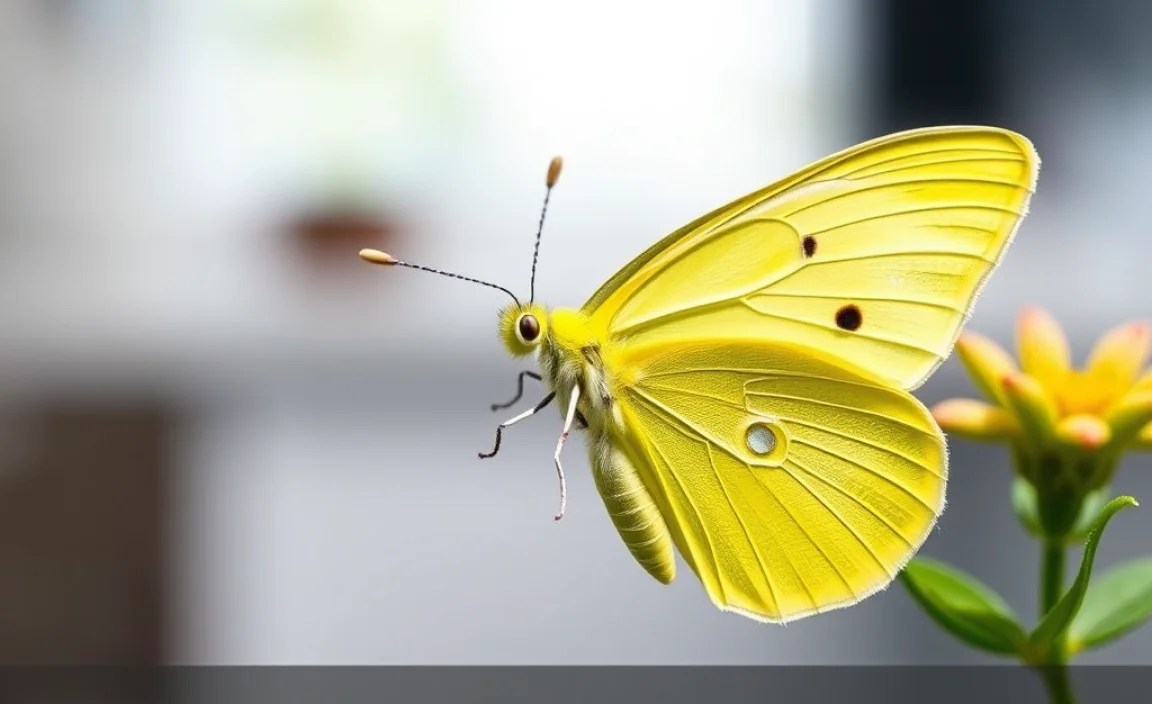
Once you’ve attracted Clouded Sulphur butterflies to your garden, take the time to observe their behavior. This can provide valuable insights into their life cycle and habits.
Feeding Habits
Adult Clouded Sulphurs are nectar feeders. You’ll often see them flitting from flower to flower, probing for nectar with their long proboscis. Observe which flowers they visit most frequently to identify their preferred nectar sources.
Flight Patterns
Clouded Sulphurs have a distinctive flight pattern. They tend to fly low to the ground with a rapid, fluttering motion. Males are often seen patrolling open areas in search of females.
Mating Behavior
Mating typically occurs in open areas. The male will pursue the female in a complex aerial dance before they eventually mate. After mating, the female will begin laying eggs on host plants.
Resting Habits
Butterflies often rest with their wings closed, especially during cooler parts of the day or at night. This helps them conserve energy and avoid predators. You might find Clouded Sulphurs resting on leaves or stems in your garden.
Ecological Importance of Clouded Sulphur Butterflies

Clouded Sulphur butterflies play a significant role in the ecosystem. Understanding their ecological importance can highlight the need for conservation efforts.
Pollination
Like many butterflies, Clouded Sulphurs are important pollinators. As they feed on nectar, they transfer pollen from flower to flower, aiding in plant reproduction. This is particularly important for the plants they visit regularly, such as asters and coneflowers.
Food Source
Clouded Sulphur caterpillars serve as a food source for various predators, including birds, insects, and small mammals. The butterflies themselves are also preyed upon by birds and other insectivorous animals.
Indicator Species
Butterflies are often considered indicator species, meaning their presence and abundance can reflect the health of the environment. A decline in Clouded Sulphur populations could indicate habitat loss, pesticide use, or other environmental problems.
Conservation Tips for Clouded Sulphur Butterflies
Protecting Clouded Sulphur butterflies and their habitats is essential for maintaining biodiversity and ecological balance. Here are some practical conservation tips:
- Protect Habitats: Preserve open fields, meadows, and other natural areas where Clouded Sulphurs thrive. Support local conservation organizations working to protect these habitats.
- Plant Native Plants: Native plants are best suited to the local environment and provide the most beneficial food and shelter for butterflies and other wildlife.
- Reduce Pesticide Use: Avoid using pesticides in your garden and encourage others to do the same. Opt for organic gardening practices to protect butterflies and other beneficial insects.
- Create Butterfly Gardens: Create butterfly gardens in your yard, school, or community to provide food and habitat for Clouded Sulphurs and other butterfly species.
- Educate Others: Share your knowledge about Clouded Sulphur butterflies and their importance with friends, family, and neighbors. Encourage others to take action to protect these beautiful creatures.
Documenting Your Clouded Sulphur Sightings
Contributing to citizen science projects can help researchers monitor butterfly populations and track their movements. Consider documenting your Clouded Sulphur sightings and sharing them with relevant organizations.
Take Photographs
Capture clear photographs of Clouded Sulphur butterflies in your garden or local area. These photos can be valuable for identification and documentation purposes.
Record Location and Date
Note the location and date of each sighting. This information can help track the distribution and seasonal activity of Clouded Sulphur butterflies.
Share Your Observations
Share your observations with citizen science projects such as:
- iNaturalist: A popular platform for sharing observations of plants and animals.
- Butterflies and Moths of North America (BAMONA): A website dedicated to documenting butterfly and moth sightings.
- Local Butterfly Monitoring Programs: Contact local nature centers or conservation organizations to find out about butterfly monitoring programs in your area.
Clouded Sulphur Butterfly in Culture and Symbolism
Butterflies, in general, hold significant cultural and symbolic meanings across various societies. While specific symbolism tied directly to the Clouded Sulphur may be less documented than for Monarchs or Swallowtails, we can explore general butterfly symbolism and apply it to the Clouded Sulphur based on its characteristics.
Transformation and Rebirth
The butterfly’s life cycle, from caterpillar to chrysalis to winged adult, is a powerful symbol of transformation and rebirth. The Clouded Sulphur, with its vibrant emergence, embodies this concept, reminding us of the potential for change and renewal in our own lives.
Joy and Happiness
The bright yellow color of the Clouded Sulphur is often associated with joy, happiness, and optimism. Seeing a Clouded Sulphur flitting through a garden can evoke feelings of lightness and delight.
Freedom and Grace
Butterflies are often seen as symbols of freedom and grace. Their delicate wings and effortless flight represent the ability to move freely and gracefully through life’s challenges.
Soul and Spirituality
In some cultures, butterflies are associated with the soul or spirit. They may be seen as messengers from the spiritual realm, bringing guidance and comfort.
Conclusion
Identifying the Clouded Sulphur butterfly is a delightful way to connect with nature and appreciate the intricate beauty of the insect world. By observing their distinctive yellow wings, understanding their life cycle, and creating butterfly-friendly habitats, you can support these important pollinators and enjoy their presence in your garden.
Whether you are a seasoned naturalist or a beginner, the Clouded Sulphur offers a wonderful opportunity to learn more about the natural world and contribute to its conservation. So, grab your binoculars, head outdoors, and see if you can spot one of these cheerful yellow butterflies flitting through your neighborhood!