Grassland Butterfly Species: Your Easy ID Guide

Quick Summary: Identifying grassland butterfly species involves observing wing patterns, size, and behavior. Common species include the Meadow Brown, Small Copper, and various Skippers. Understanding their habitat preferences and flight periods aids in accurate identification. Field guides and online resources offer further assistance in distinguishing these beautiful insects.
Grasslands teem with life, and among the most enchanting inhabitants are the butterflies. But telling one little flutterer from another can feel overwhelming! Don’t worry; you’re not alone. Many nature lovers find butterfly identification tricky at first. In this guide, we’ll break down the key features to look for, helping you confidently identify common grassland butterfly species. Get ready to discover the delightful diversity right under your nose!
Identifying Grassland Butterfly Species: A Beginner’s Guide

As a lifelong butterfly enthusiast, I’ve spent countless hours observing these winged wonders in their natural habitats. Grasslands, with their diverse flora, provide a perfect haven for numerous butterfly species. Learning to identify them not only enhances your appreciation for nature but also contributes to valuable conservation efforts. Let’s explore the fascinating world of grassland butterflies together!
Understanding Butterfly Anatomy: Key Identification Features
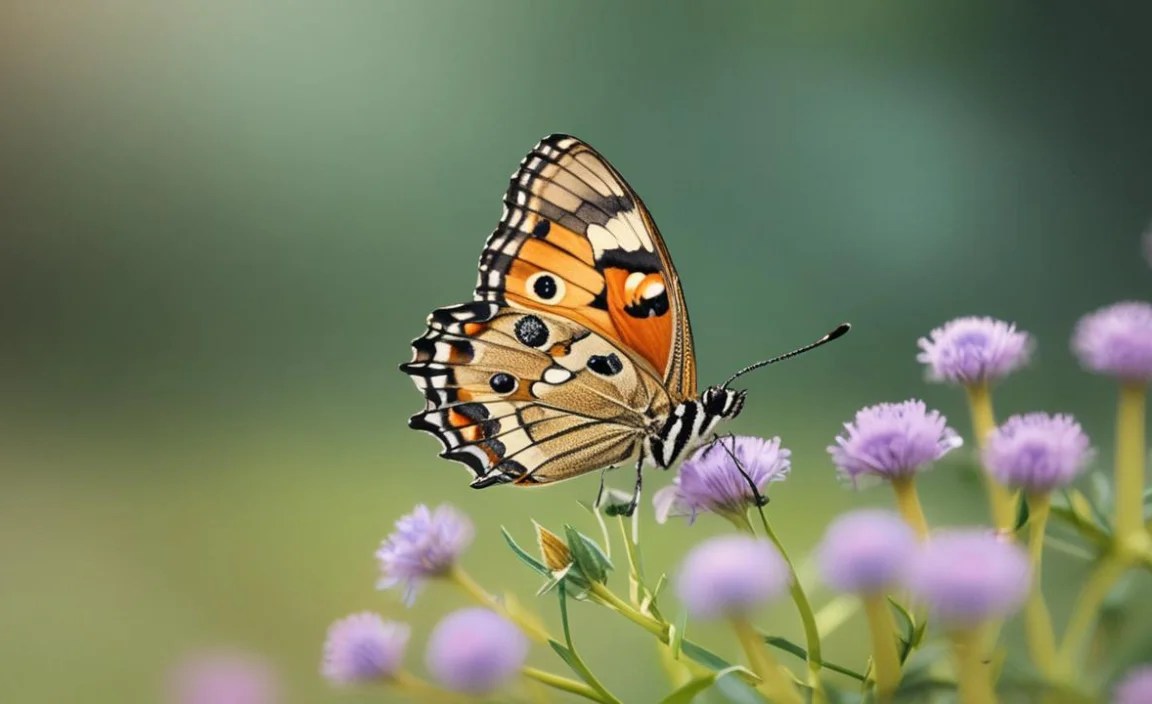
Before diving into specific species, it’s helpful to understand the basic anatomy of a butterfly. Key features to observe include:
- Wing Shape: Are the wings rounded, pointed, or angular?
- Wing Color and Pattern: Note the dominant colors, spots, bands, and any distinctive markings.
- Size: Is it a small, medium, or large butterfly?
- Flight Pattern: Does it flutter, glide, or fly rapidly?
- Antennae: Observe the shape and color of the antennae.
- Body: Note the color and any distinctive features.
Common Grassland Butterfly Species: Identification Tips

Let’s explore some of the most frequently encountered grassland butterfly species and how to identify them:
1. Meadow Brown (Maniola jurtina)
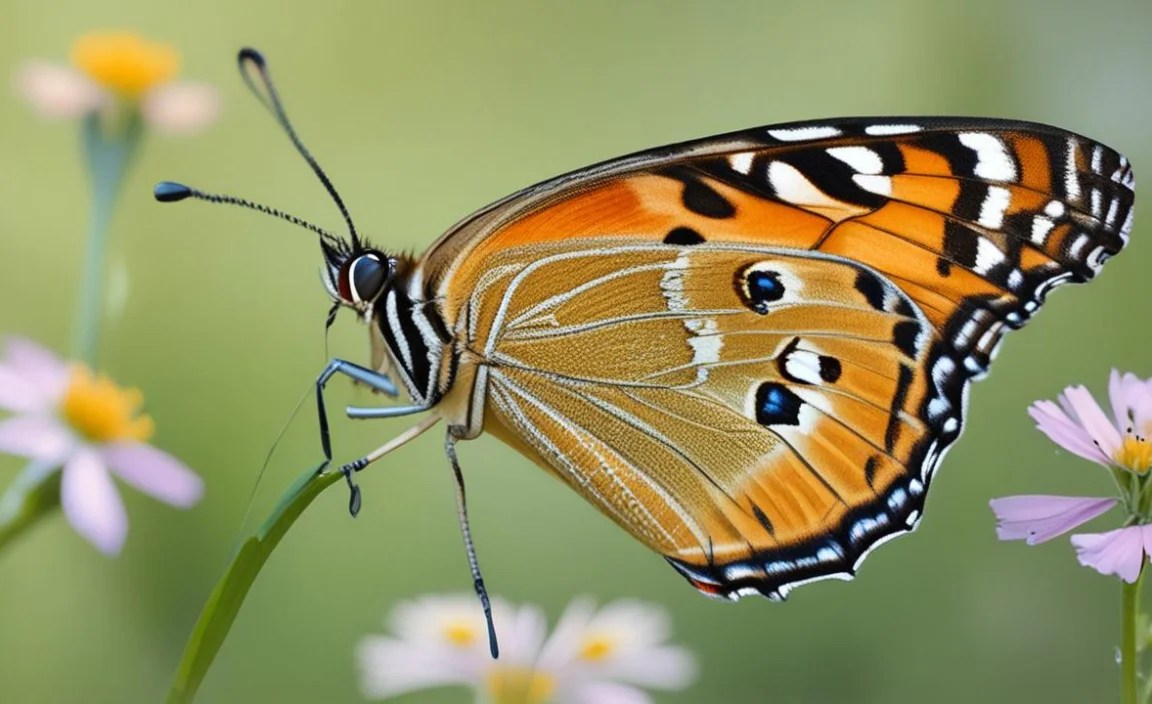
The Meadow Brown is one of the most common grassland butterflies in Europe. Here’s how to identify it:
- Wings: Brown with a single black spot (often with a white center) on each forewing. Females usually have larger and more distinct spots.
- Size: Medium-sized.
- Flight Period: June to October.
- Habitat: Grassy areas, meadows, and woodland edges.
Tip: Pay attention to the size and clarity of the spot on the forewing. This can vary between individuals and sexes.
2. Small Copper (Lycaena phlaeas)
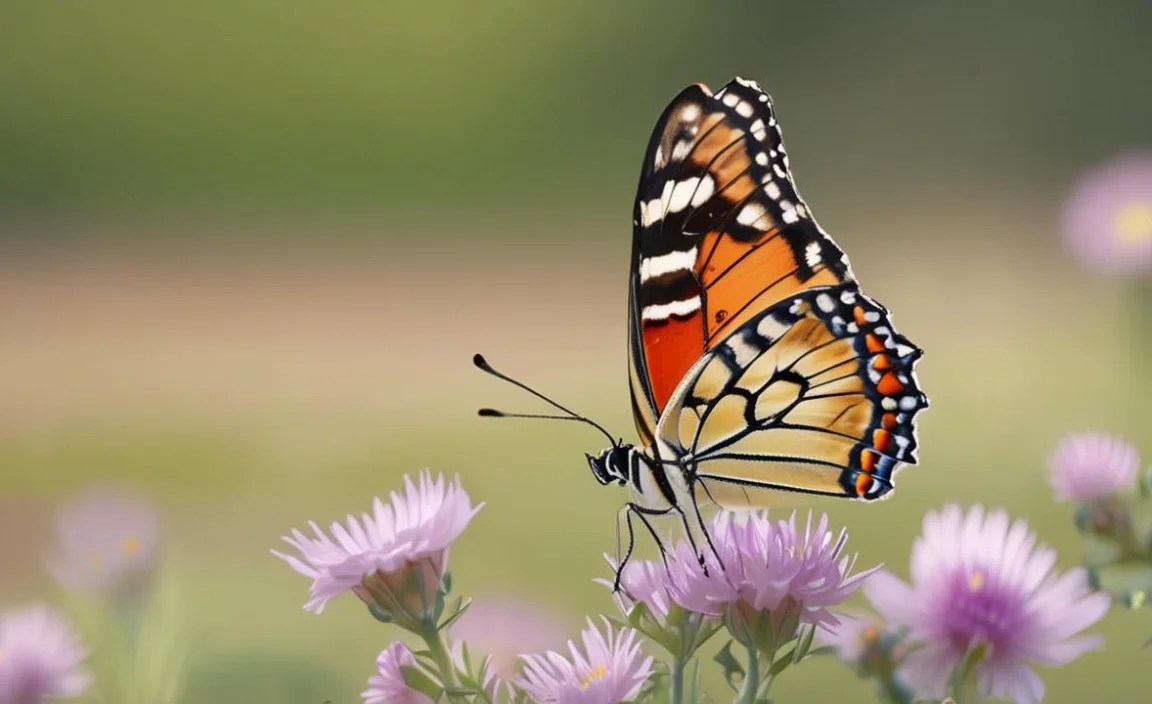
The Small Copper is a vibrant butterfly that adds a splash of color to grasslands:
- Wings: Bright copper-orange forewings with dark spots. Greyish-brown hindwings with an orange band along the edge.
- Size: Small.
- Flight Period: May to October (multiple broods).
- Habitat: Grasslands, heathlands, and gardens.
Tip: Look for the distinctive copper-orange color, which is quite unique among grassland butterflies.
3. Common Blue (Polyommatus icarus)
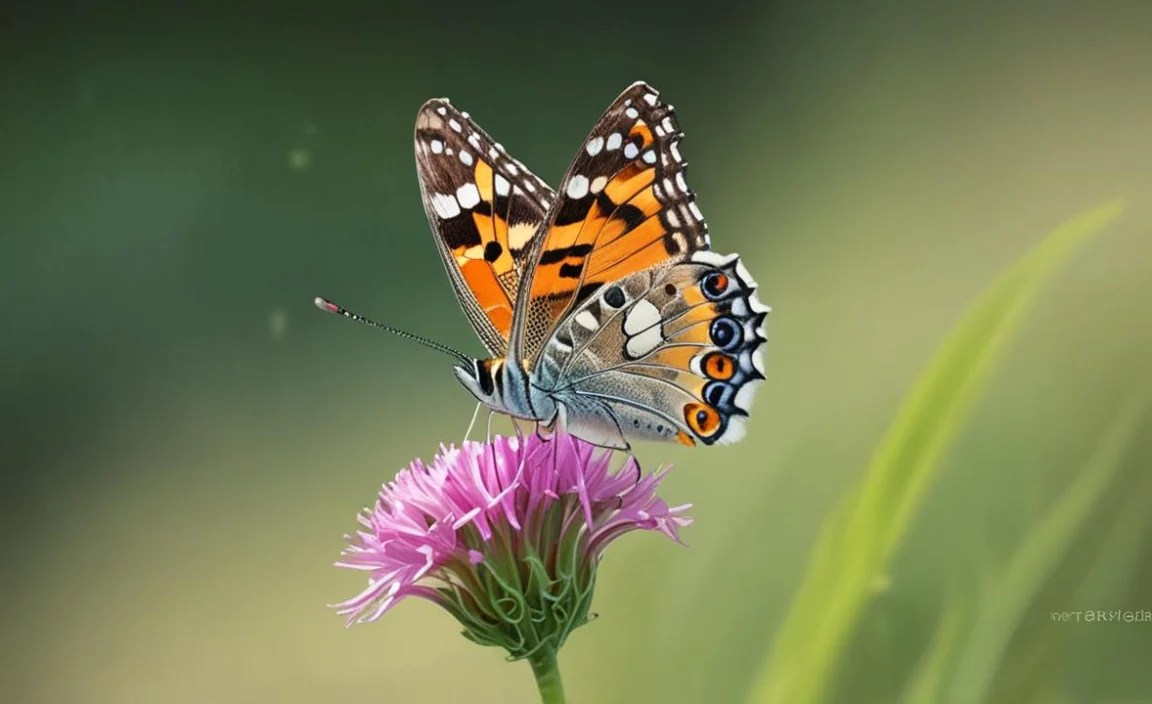
The Common Blue is a widespread species, but identification can be tricky due to variations:
- Wings: Males are bright blue with a narrow black border. Females are brown with varying amounts of blue and orange spots along the edge of the hindwings.
- Size: Small.
- Flight Period: May to October (multiple broods).
- Habitat: Grasslands, meadows, and coastal areas.
Tip: Distinguish males by their vibrant blue color. Female identification can be more challenging due to the brown coloration.
4. Small Heath (Coenonympha pamphilus)
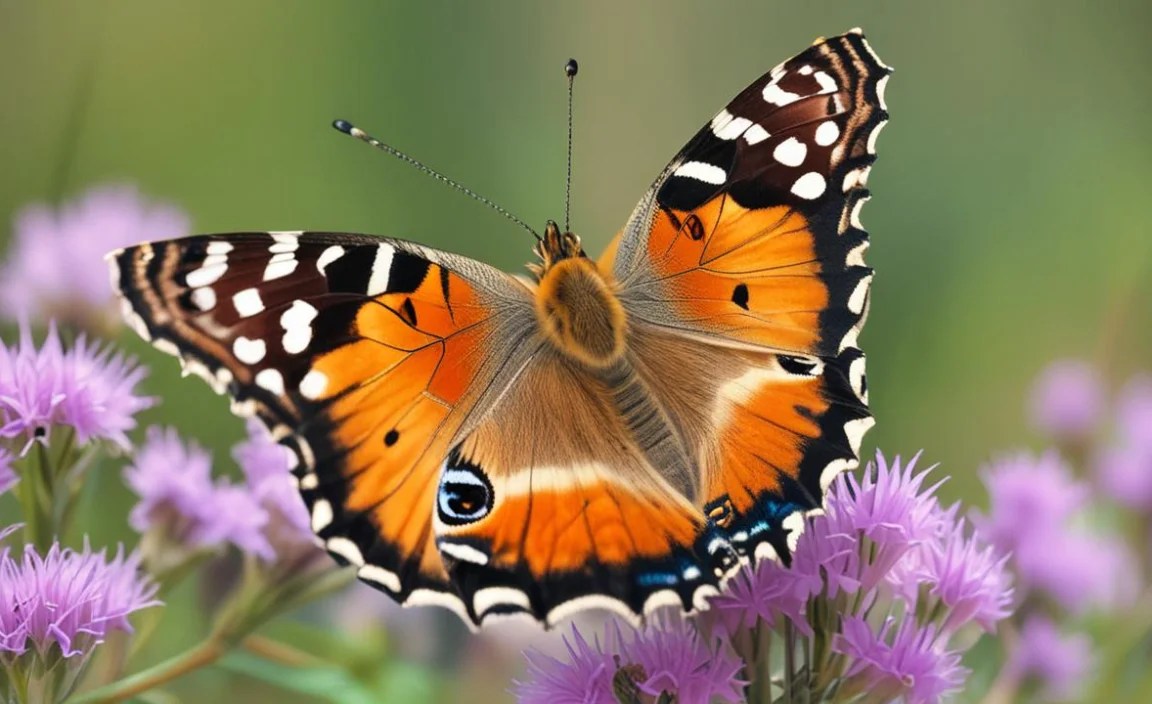
The Small Heath is a delicate and unassuming butterfly:
- Wings: Pale orange-brown with a single black spot on each forewing. The underside of the hindwing has a faint pale band.
- Size: Small.
- Flight Period: June to September.
- Habitat: Dry grasslands, heathlands, and woodland rides.
Tip: Look for the pale orange-brown color and the single spot on the forewing. It’s often found in drier grassland areas.
5. Skippers (Various Species)
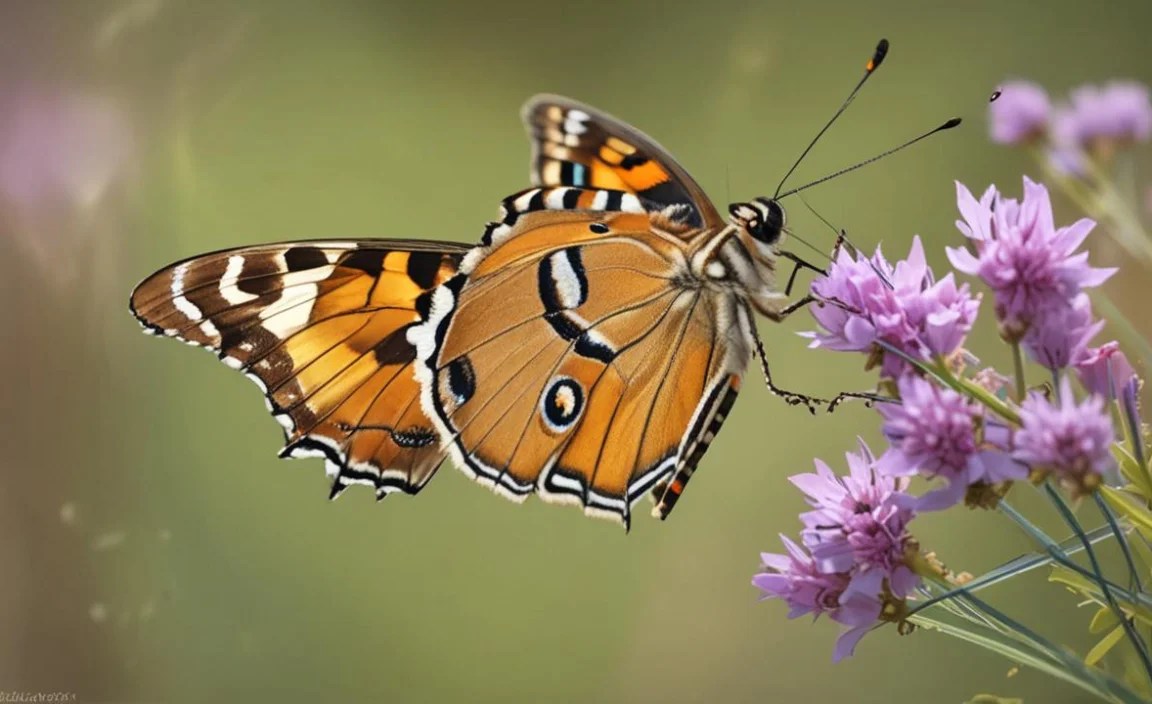
Skippers are a group of small, fast-flying butterflies with distinctive hooked antennae. Identifying them to species can be challenging, but here are some common ones:
- Essex Skipper (Thymelicus lineola): Orange wings with black wing borders. Underside of antennae is black.
- Small Skipper (Thymelicus sylvestris): Similar to Essex Skipper, but the underside of the antennae is orange.
- Large Skipper (Ochlodes sylvanus): Larger than the other two, with more prominent dark markings on the wings.
General Skipper Characteristics:
- Size: Small.
- Flight Period: June to August.
- Habitat: Grasslands, meadows, and woodland edges.
Tip: Pay close attention to the antennae color for Essex and Small Skippers. Size and wing markings help distinguish the Large Skipper.
6. Ringlet (Aphantopus hyperantus)
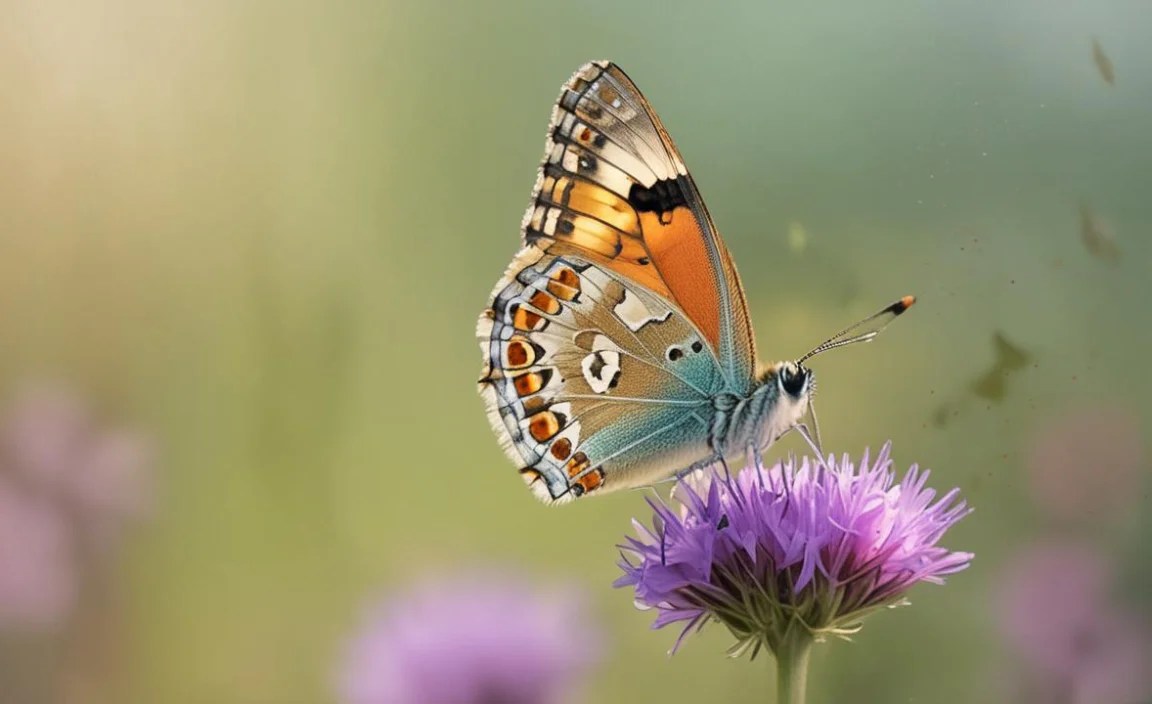
The Ringlet is a medium-sized butterfly often found in damp, shady grasslands:
- Wings: Dark brown with several small, yellowish-ringed spots (ocelli) on both the forewings and hindwings. The number and prominence of these spots can vary.
- Size: Medium.
- Flight Period: June to September.
- Habitat: Damp grasslands, woodland rides, and shady areas.
Tip: Look for the dark brown color and the distinctive ringed spots. It often flies in overcast conditions when other butterflies are less active.
Butterfly Identification Table
| Species | Wing Color | Size | Key Features | Flight Period |
|---|---|---|---|---|
| Meadow Brown | Brown | Medium | Single black spot on forewing | June – October |
| Small Copper | Copper-orange | Small | Bright orange forewings with dark spots | May – October |
| Common Blue | Male: Blue, Female: Brown | Small | Males bright blue, females variable | May – October |
| Small Heath | Pale orange-brown | Small | Single spot on forewing, pale band on hindwing underside | June – September |
| Essex Skipper | Orange | Small | Black antennae underside | June – August |
| Small Skipper | Orange | Small | Orange antennae underside | June – August |
| Large Skipper | Orange-brown | Small | Larger with prominent dark markings | June – August |
| Ringlet | Dark Brown | Medium | Yellowish-ringed spots (ocelli) on wings | June – September |
Tools for Butterfly Identification
Several resources can aid in butterfly identification:
- Field Guides: Books with detailed descriptions and illustrations of butterfly species. The “Butterflies of Britain and Ireland” by Jeremy Thomas is a highly regarded resource.
- Online Resources: Websites like Butterfly Conservation and UK Butterflies offer photos, distribution maps, and identification guides.
- Butterfly Identification Apps: Mobile apps that help identify butterflies based on photos or descriptions.
- Binoculars: Useful for getting a closer look at wing patterns and other features without disturbing the butterfly.
- Camera: Taking photos allows you to study the butterfly in more detail later and compare it to identification guides.
Tips for Successful Butterfly Identification
Here are some additional tips to improve your butterfly identification skills:
- Observe Carefully: Take your time to observe the butterfly’s features, including size, color, wing shape, and markings.
- Consider the Habitat: Note the type of grassland and surrounding vegetation. Some species are more common in specific habitats.
- Note the Date: Butterfly flight periods vary throughout the year. Knowing the time of year can help narrow down the possibilities.
- Photograph and Compare: Take photos and compare them to images in field guides or online resources.
- Join a Butterfly Group: Connect with other butterfly enthusiasts in your area to share knowledge and learn from their experience.
- Practice Regularly: The more you observe and identify butterflies, the better you will become at it.
Attracting Butterflies to Your Garden

Creating a butterfly-friendly garden is a wonderful way to support these important pollinators and enjoy their beauty up close. Here are some tips:
- Plant Nectar-Rich Flowers: Choose a variety of flowers that provide nectar throughout the butterfly season. Good choices include Buddleja (Butterfly Bush), Lavender, Verbena, and Sedum.
- Provide Host Plants: Plant the specific plants that butterfly caterpillars feed on. For example, plant Milkweed for Monarch caterpillars or Nettles for Red Admiral caterpillars.
- Offer a Water Source: Provide a shallow dish of water with pebbles or sand for butterflies to drink from.
- Avoid Pesticides: Pesticides can harm or kill butterflies and other beneficial insects. Choose organic gardening methods instead.
- Provide Shelter: Plant shrubs and trees to provide shelter from wind and predators.
- Sunlight: Butterflies need sunlight to warm their bodies. Make sure your garden has plenty of sunny spots.
The Importance of Grassland Butterflies

Grassland butterflies play a crucial role in the ecosystem:
- Pollination: Butterflies are important pollinators, transferring pollen from flower to flower as they feed on nectar.
- Food Source: Butterflies and their caterpillars are a food source for birds, reptiles, and other animals.
- Indicator Species: Butterfly populations are sensitive to environmental changes, making them valuable indicators of habitat health.
- Aesthetic Value: Butterflies bring beauty and joy to our surroundings, enhancing our connection to nature.
Threats to Grassland Butterflies

Unfortunately, many grassland butterfly species are facing decline due to various threats:
- Habitat Loss: Grassland habitats are being lost to agriculture, development, and other land uses.
- Habitat Fragmentation: Remaining grassland areas are becoming fragmented, isolating butterfly populations and reducing genetic diversity.
- Climate Change: Changes in temperature and rainfall patterns can disrupt butterfly life cycles and affect their food sources.
- Pesticide Use: Pesticides can directly kill butterflies and their caterpillars, as well as reduce the availability of their food plants.
- Overgrazing: Excessive grazing can damage grassland habitats and reduce the availability of food plants for butterflies.
Conservation Efforts
Many organizations are working to conserve grassland butterflies and their habitats. Here are some ways you can get involved:
- Support Conservation Organizations: Donate to or volunteer with organizations like Butterfly Conservation, The Xerces Society, or your local wildlife trust.
- Create Butterfly-Friendly Habitats: Plant a butterfly garden in your yard or support habitat restoration projects in your community.
- Advocate for Conservation Policies: Contact your elected officials and urge them to support policies that protect grassland habitats and reduce pesticide use.
- Raise Awareness: Educate your friends, family, and neighbors about the importance of grassland butterflies and the threats they face.
- Participate in Citizen Science Projects: Contribute to butterfly monitoring programs by recording your sightings and submitting data to researchers.
FAQ: Identifying Grassland Butterflies
Here are some frequently asked questions about identifying grassland butterflies:
What is the best time of day to see butterflies?
Butterflies are most active on warm, sunny days, typically between mid-morning and mid-afternoon. They need sunlight to warm their bodies and become active.
How can I tell the difference between a butterfly and a moth?
Butterflies typically have thin antennae with clubbed tips, while moths have feathery or comb-like antennae. Butterflies also usually fold their wings vertically over their backs when at rest, while moths typically hold their wings flat or tent-like.
What do butterfly caterpillars eat?
Butterfly caterpillars have very specific food requirements. They often feed on the leaves of a single plant species or a small group of related plants. This is why providing host plants is so important for attracting butterflies to your garden.
Are butterflies endangered?
Many butterfly species are facing decline due to habitat loss, climate change, and other threats. Some species are listed as endangered or threatened, while others are of conservation concern.
How can I attract more butterflies to my garden?
Plant a variety of nectar-rich flowers and host plants, provide a water source, avoid pesticides, and offer shelter. Creating a butterfly-friendly habitat will encourage these beautiful insects to visit your garden.
What is the lifespan of a butterfly?
The lifespan of a butterfly varies depending on the species. Some butterflies live only a few weeks, while others can live for several months. The entire life cycle, from egg to adult, can take anywhere from a few weeks to a year or more.
How do butterflies help the environment?
Butterflies are important pollinators, transferring pollen from flower to flower as they feed on nectar. They also serve as a food source for other animals and are valuable indicators of environmental health.
Conclusion
Identifying grassland butterfly species is a rewarding and enriching experience. By learning to recognize the key features of these beautiful insects, you can deepen your appreciation for the natural world and contribute to their conservation. Remember to observe carefully, consult field guides and online resources, and practice regularly. With a little patience and dedication, you’ll soon be able to confidently identify a wide variety of grassland butterflies. Happy butterflying!