Painted Lady Butterfly Coloring: Free Pages!

Have you ever seen a butterfly? They flutter around in the sunshine. Butterflies are so pretty with their bright colors. One kind of butterfly is the painted lady. These butterflies are fun to watch. Do you know about painted lady butterfly coloring?
Painted lady butterflies have beautiful patterns. Their wings look like they were painted. Kids love to color pictures of them. Let’s learn more about these amazing insects. We can also discover how to color them.
Butterflies start as tiny eggs. Then they become caterpillars. After that, they form a chrysalis. Finally, a butterfly comes out. It’s like magic! The painted lady butterfly is special. Its colors make it stand out. You can create your own with painted lady butterfly coloring.
Key Takeaways
- Painted lady butterflies are known for their beautiful and unique wing patterns.
- You can use many colors when doing painted lady butterfly coloring pages.
- These butterflies migrate long distances, sometimes thousands of miles.
- Painted lady caterpillars eat plants like thistles and mallows.
- Learning about butterflies helps us appreciate nature more.
Exploring Painted Lady Butterfly Coloring
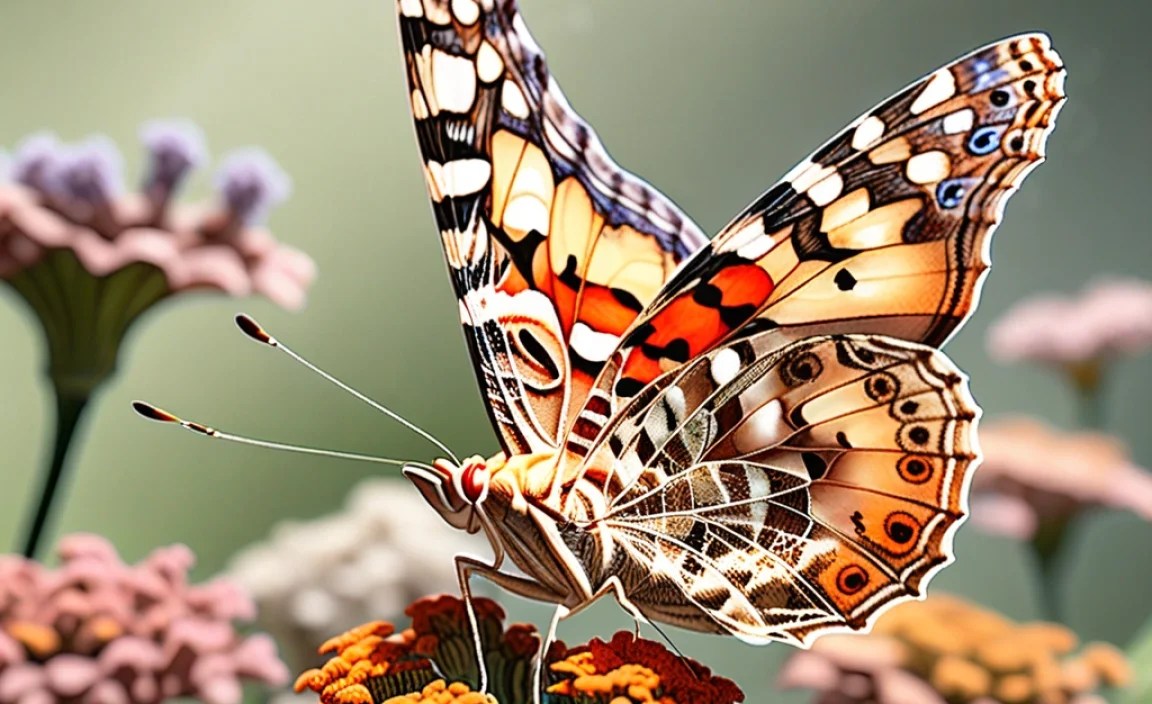
Painted lady butterflies are a favorite for coloring. They have interesting wing patterns. The patterns include spots and lines. These markings are perfect for artists. Kids and adults enjoy coloring them. You can use crayons, markers, or colored pencils. Coloring helps you relax and be creative. It also teaches you about nature. Painted lady butterflies are found all over the world. This makes them a popular subject for art. Their wings have orange, brown, and black colors. You can add your own colors too! Coloring is a great way to learn about butterflies. It is also fun for everyone. You can find coloring pages online or in books. So grab your colors and start creating your own painted lady butterfly masterpiece.
- Painted lady butterflies live on many continents.
- Their wing patterns vary slightly.
- You can use any colors you like.
- Coloring is a relaxing activity.
- It helps improve fine motor skills.
Coloring is more than just a fun activity. It can also be educational. When you color a painted lady butterfly, you learn about its features. You see the different shapes and patterns on its wings. This helps you understand the butterfly’s anatomy. Coloring also encourages creativity. You can choose your own colors and designs. This lets you express your imagination. Painted lady butterfly coloring is a great way to combine art and science. It is also a screen-free activity that kids can enjoy. So next time you are looking for something to do, try coloring a painted lady butterfly. You might be surprised at how much you learn and how much fun you have.
What Makes Painted Lady Butterflies Unique?
Have you ever wondered what makes painted lady butterflies special? These butterflies have distinct features. They have unique wing patterns. They also have interesting behaviors. Painted lady butterflies are known for their long migrations. They can travel thousands of miles. This is amazing for such a small insect. Their caterpillars also have specific diets. They eat plants like thistles and mallows. These plants are not usually eaten by other insects. Painted lady butterflies are also very adaptable. They can live in different climates and habitats. This makes them a widespread species. Their coloring is beautiful. It makes them stand out in the butterfly world. Learning about these unique features helps us appreciate painted lady butterflies even more.
Why is Butterfly Coloring So Popular?
Why do people love butterfly coloring so much? Butterfly coloring is a popular activity for many reasons. It is a fun and relaxing way to express creativity. Butterflies have beautiful and intricate wing patterns. These patterns provide endless possibilities for coloring. Coloring can also be a way to learn about different types of butterflies. It helps you notice the details of their wings. Butterfly coloring is also a great way to reduce stress. It allows you to focus on a simple and enjoyable task. Plus, the finished product can be a beautiful piece of art. Whether you are a child or an adult, butterfly coloring can be a rewarding experience. It is a simple way to connect with nature and unleash your inner artist.
How Can Coloring Help You Relax?
Do you know how coloring can help you relax? Coloring is a great way to reduce stress. It helps you focus on the present moment. When you color, you are concentrating on the colors and the lines. This takes your mind off of other worries. Coloring also activates different parts of your brain. It engages both your creative and logical sides. This can help you feel more balanced. Coloring is a simple and accessible activity. You can do it anywhere, anytime. It doesn’t require any special skills or equipment. Just grab some coloring pencils and a picture. Then let your creativity flow. Coloring can be a peaceful and meditative experience. It can help you relax and recharge. It’s an easy way to calm your mind.
Fun Fact or Stat: Painted lady butterflies can fly up to 100 miles in a single day during their migration!
Choosing Colors for Your Butterfly
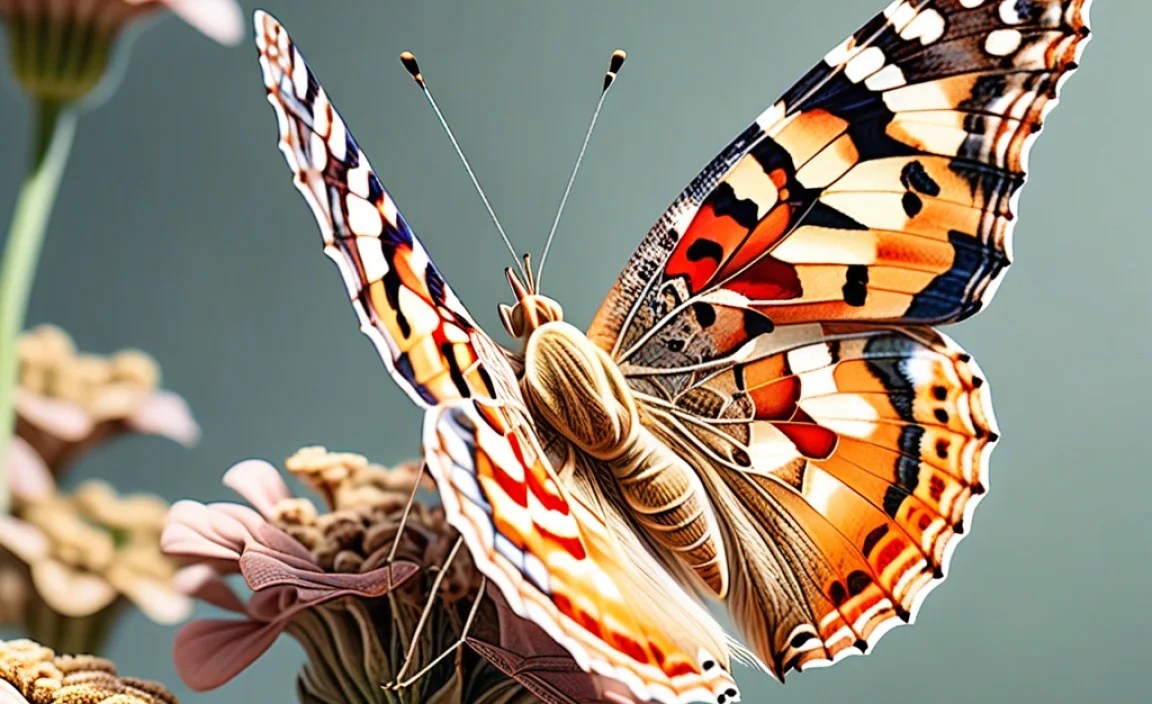
When you are ready to start coloring, think about your color choices. What colors will you use for your butterfly? Painted lady butterflies have a mix of colors. They often have orange, brown, and black on their wings. You can use these colors for a realistic look. Or you can get creative and use any colors you like. Maybe you want a blue and purple butterfly. Or a rainbow-colored one! The choice is yours. Think about what colors make you happy. Use those colors to create your masterpiece. Don’t be afraid to experiment. Coloring is all about having fun and expressing yourself. So grab your colors and let your imagination run wild. There are no rules when it comes to butterfly coloring. Make your butterfly as unique as you are.
- Use colors found in nature for a realistic look.
- Experiment with different color combinations.
- Try using shading to add depth.
- Consider using complementary colors.
- Don’t be afraid to make mistakes.
Choosing the right colors can make your butterfly coloring page come to life. Think about the different shades and tones you can use. For example, instead of just using one shade of orange, try mixing light and dark oranges. This will add dimension to your butterfly’s wings. You can also use different techniques to apply the color. Try using a light touch for a soft, delicate look. Or press harder for a bold, vibrant effect. Don’t forget to add details like spots and lines. These small details can make a big difference. Remember, the most important thing is to have fun and be creative. Let your imagination guide you as you choose your colors. Your butterfly coloring page is a reflection of your unique style.
What Colors Are Naturally Found on Butterflies?
Have you ever wondered what colors you can find on real butterflies? Butterflies come in a wide range of colors. You can find red, orange, yellow, green, blue, and purple butterflies. Some butterflies are even black or white. The colors come from tiny scales on their wings. These scales reflect light in different ways. Some butterflies have bright, bold colors. Others have more subtle, muted tones. The colors can help butterflies attract mates. They can also help them camouflage themselves. This protects them from predators. When you are coloring, you can use these natural colors as inspiration. Or you can create your own unique color combinations. The possibilities are endless.
How Can You Blend Colors Effectively?
Do you want to learn how to blend colors like a pro? Blending colors can make your coloring look more realistic. It can also add depth and dimension. Start by choosing two colors that are close to each other on the color wheel. For example, you could use orange and yellow. Then, lightly color one area with the first color. Next, color over the same area with the second color. Use a light touch to blend the colors together. You can also use a blending stump or a cotton swab to smooth out the colors. Practice blending different color combinations. This will help you get a feel for how they work together. With a little practice, you will be blending colors like an artist.
What Tools Are Best for Coloring Butterflies?
What tools should you use for coloring butterflies? There are many different options to choose from. Coloring pencils are a popular choice. They allow you to create fine details. Markers are great for bold, vibrant colors. Crayons are a classic choice for kids. Watercolors can create a soft, dreamy effect. Gel pens add a touch of sparkle. The best tool depends on your personal preference. It also depends on the style you want to achieve. Experiment with different tools to see what you like best. You can even combine different tools for a unique look. The most important thing is to use tools that you are comfortable with. This will make the coloring process more enjoyable.
Fun Fact or Stat: The bright colors of some butterflies warn predators that they are poisonous!
Finding Painted Lady Butterfly Coloring Pages
Are you looking for painted lady butterfly coloring pages? You can find them in many places. One option is to search online. There are many websites that offer free coloring pages. Just type “painted lady butterfly coloring page” into your search engine. You will find lots of options to choose from. Another option is to look in coloring books. Many coloring books feature butterflies. You can find these books at bookstores or online retailers. You can also create your own coloring page. Draw a picture of a painted lady butterfly. Then add details like spots and lines. This is a great way to get creative and personalize your coloring experience. No matter where you find your coloring pages, have fun with it!
- Search online for free coloring pages.
- Check out coloring books at bookstores.
- Visit educational websites for resources.
- Ask your teacher for coloring pages.
- Draw your own butterfly to color.
Once you have found your painted lady butterfly coloring page, take a moment to look at it closely. Notice the details of the butterfly’s wings. Pay attention to the different shapes and patterns. This will help you choose the right colors and techniques. If you are using a printed coloring page, make sure it is printed on good quality paper. This will prevent the colors from bleeding through. If you are using a digital coloring page, make sure you have the right software. You will need a program that allows you to color and save your work. With a little preparation, you will be ready to create a beautiful painted lady butterfly masterpiece.
Where Can You Find Free Coloring Pages Online?
Are you wondering where to find free coloring pages online? There are many websites that offer free coloring pages. Some popular options include websites dedicated to coloring. These websites often have a wide variety of coloring pages. You can also find free coloring pages on educational websites. These websites often have coloring pages that are related to science or nature. Another option is to search for blogs that offer free printables. Many bloggers create coloring pages and offer them as free downloads. When you are searching for free coloring pages, be sure to check the terms of use. Some websites may require you to create an account or give them credit. Always respect the copyright of the artist.
How Can You Create Your Own Butterfly Designs?
Do you want to learn how to create your own butterfly designs? Creating your own designs can be a fun and rewarding experience. Start by sketching a basic butterfly shape. Then, add details like spots, lines, and curves. You can use real butterflies as inspiration. Or you can let your imagination run wild. Experiment with different patterns and shapes. Try adding geometric shapes or abstract designs. You can also use different colors to create unique effects. Don’t be afraid to make mistakes. The most important thing is to have fun and be creative. Once you have created your design, you can use it for coloring pages, crafts, or other projects.
What Makes a Good Coloring Page Design?
What makes a coloring page design good? A good coloring page design is one that is both fun and engaging. It should have clear lines and shapes that are easy to color. The design should also be interesting and visually appealing. It should have a variety of details to keep the colorer engaged. A good coloring page design should also be appropriate for the target audience. For example, a coloring page for young children should have simpler designs. A coloring page for adults can have more intricate details. Ultimately, the best coloring page design is one that inspires creativity and allows the colorer to express themselves.
Fun Fact or Stat: Some coloring books are designed to help adults reduce stress and anxiety!
Tips for Realistic Butterfly Coloring
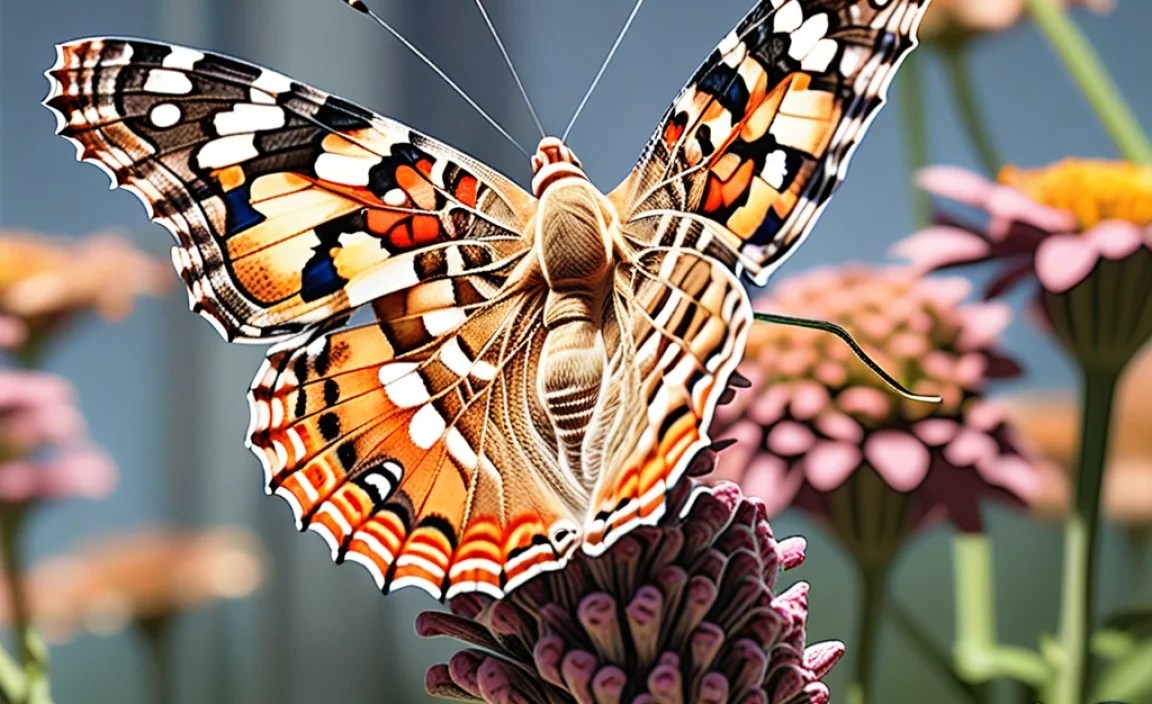
If you want your butterfly coloring to look realistic, here are some tips. First, observe real butterflies. Look at their colors and patterns. Notice how the colors blend together. Pay attention to the details on their wings. Use these observations as inspiration for your coloring. Second, use a variety of colors. Don’t just use one shade of each color. Mix different shades to create depth and dimension. Third, use shading to add realism. Shade the edges of the wings to make them look more three-dimensional. Fourth, add details like spots and lines. These details will make your butterfly look more realistic. Finally, practice and experiment. The more you color, the better you will become.
- Study real butterflies for inspiration.
- Use a variety of colors and shades.
- Add shading to create depth.
- Include details like spots and lines.
- Practice regularly to improve your skills.
Coloring a butterfly realistically takes practice. It also requires attention to detail. Start by creating a base layer of color. Then, gradually add darker shades to create shadows. Use a light touch when coloring to avoid making the colors too dark. You can also use a blending tool to smooth out the colors. Experiment with different techniques to see what works best for you. Don’t be afraid to make mistakes. Mistakes can often lead to new and creative ideas. The most important thing is to have fun and enjoy the process. With a little practice, you will be able to create beautiful and realistic butterfly coloring pages.
How Do You Create Realistic Shading?
Do you want to learn how to create realistic shading? Shading can add depth and dimension to your coloring. Start by identifying the light source. This will help you determine where the shadows should be. Then, use a darker shade of color to create shadows. Shade the areas that are farthest away from the light source. Use a lighter touch when shading to create a gradual transition. You can also use a blending tool to smooth out the shadows. Practice shading different shapes and objects. This will help you get a feel for how light and shadow work. With a little practice, you will be shading like a pro.
What Are Some Common Butterfly Patterns?
What are some common butterfly patterns? Butterflies have a wide variety of patterns on their wings. Some common patterns include spots, stripes, and swirls. Some butterflies have eyespots on their wings. These spots can help scare away predators. Other butterflies have intricate patterns that resemble leaves or bark. These patterns help them camouflage themselves. The patterns on a butterfly’s wings can also be used to attract mates. When you are coloring, you can use these patterns as inspiration. Or you can create your own unique patterns.
How Can You Add Texture to Your Coloring?
Do you want to add texture to your coloring? Adding texture can make your coloring look more realistic. One way to add texture is to use different coloring techniques. For example, you can use short, choppy strokes to create a rough texture. Or you can use long, smooth strokes to create a smooth texture. You can also use different tools to add texture. For example, you can use a textured eraser to lift color from the paper. Or you can use a stencil to create a pattern. Experiment with different techniques to see what works best for you. With a little creativity, you can add all sorts of interesting textures to your coloring.
Fun Fact or Stat: Some butterflies can taste with their feet!
Understanding Butterfly Anatomy for Coloring
To color a butterfly well, it helps to know about its anatomy. A butterfly has a head, thorax, and abdomen. The head has antennae and eyes. The thorax is the middle part of the body. It has wings and legs. The abdomen is the back part of the body. The wings are the most colorful part of the butterfly. They have scales that give them their color. The scales are arranged in patterns. These patterns make each butterfly unique. When you color, pay attention to these details. This will make your coloring more accurate. It will also help you appreciate the beauty of butterflies.
- Learn the basic parts of a butterfly.
- Understand the structure of the wings.
- Pay attention to the arrangement of scales.
- Notice the different patterns on the wings.
- Use this knowledge to guide your coloring.
Knowing about butterfly anatomy can enhance your coloring experience. It can also help you learn more about these fascinating creatures. For example, did you know that butterflies have two pairs of wings? The forewings are the front wings, and the hindwings are the back wings. The wings are covered in tiny scales that overlap like shingles on a roof. These scales are what give butterflies their color. The colors can be created by pigments or by the way the scales reflect light. By understanding these details, you can create more realistic and beautiful butterfly coloring pages.
What Are the Main Parts of a Butterfly?
What are the main parts of a butterfly? A butterfly has three main parts: the head, the thorax, and the abdomen. The head contains the butterfly’s brain, eyes, and antennae. The thorax is the middle section of the butterfly. It is where the wings and legs are attached. The abdomen is the back section of the butterfly. It contains the digestive and reproductive organs. Each of these parts plays an important role in the butterfly’s life. Understanding the anatomy of a butterfly can help you appreciate these creatures even more.
How Do Butterfly Wings Get Their Color?
Have you ever wondered how butterfly wings get their color? Butterfly wings are covered in tiny scales. These scales contain pigments that give the wings their color. Some butterflies also have structural colors. These colors are created by the way the scales reflect light. The combination of pigments and structural colors creates the beautiful patterns on butterfly wings. The colors and patterns can help butterflies attract mates. They can also help them camouflage themselves from predators. The colors of butterfly wings are truly a marvel of nature.
Why Are Butterfly Wings Symmetrical?
Why are butterfly wings symmetrical? Symmetrical means that the two sides are mirror images of each other. Butterfly wings are symmetrical because it helps them fly efficiently. When the wings are symmetrical, they create equal lift on both sides of the body. This allows the butterfly to fly straight and true. If the wings were not symmetrical, the butterfly would have to work harder to stay balanced. Symmetrical wings are an important adaptation that helps butterflies survive. This is especially important during their long migrations.
Fun Fact or Stat: Butterflies use their antennae to smell!
The Life Cycle and Painted Lady Coloring
The life cycle of a painted lady butterfly is amazing. It starts with an egg. The egg hatches into a caterpillar. The caterpillar eats and grows. Then it forms a chrysalis. Inside the chrysalis, the caterpillar changes. It becomes a butterfly. The butterfly emerges from the chrysalis. It flies away to find food and mates. You can learn about this life cycle by coloring. Coloring pictures of each stage can help you remember them. It is a fun and educational activity. You can also use different colors to represent each stage. This will make your coloring even more creative.
| Stage | Description | Coloring Ideas |
|---|---|---|
| Egg | Small and often laid on leaves | Light colors, green or yellow |
| Caterpillar | Eats leaves and grows | Green, brown, or patterned |
| Chrysalis | A protective shell | Brown, green, or metallic |
| Butterfly | Flies and reproduces | Orange, black, and white |
Understanding the life cycle of a painted lady butterfly can make your coloring more meaningful. It can also help you appreciate the beauty of nature. As you color each stage, think about what is happening inside. Imagine the caterpillar growing and changing. Imagine the butterfly emerging from the chrysalis. By connecting with the life cycle in this way, you can create coloring pages that are both beautiful and educational. You can also share your coloring pages with others. This can help them learn about butterflies too. Coloring is a great way to share your love of nature with the world.
What Does a Painted Lady Caterpillar Eat?
What does a painted lady caterpillar eat? Painted lady caterpillars are herbivores. This means that they eat plants. They have a particular fondness for thistles. They also eat mallows and other leafy plants. The caterpillars use their strong jaws to chew through the leaves. As they eat, they grow and molt. Molting is when they shed their old skin. They do this several times as they grow bigger. The caterpillars need to eat a lot to fuel their growth. They also need to store energy for the pupa stage. The food they eat provides the nutrients they need to transform into butterflies.
How Long Does It Take for a Butterfly to Emerge?
How long does it take for a butterfly to emerge? The time it takes for a butterfly to emerge depends on the species. It also depends on the environmental conditions. For painted lady butterflies, it usually takes about two weeks. During this time, the caterpillar is inside the chrysalis. It is undergoing a complete transformation. The caterpillar’s body is breaking down. It is then reassembling into a butterfly. This is a complex and amazing process. When the butterfly is ready, it will break out of the chrysalis. It will then spread its wings and fly away.
What Happens Inside the Chrysalis?
What happens inside the chrysalis? The chrysalis is a protective shell. It is also a place of incredible transformation. Inside the chrysalis, the caterpillar’s body is breaking down. It is then reassembling into a butterfly. This process is called metamorphosis. During metamorphosis, the caterpillar’s tissues and organs are reorganized. New structures, such as wings and antennae, are formed. The process is controlled by hormones. It is a complex and mysterious process. When the butterfly is ready, it will emerge from the chrysalis. It will then begin its life as a flying insect.
Fun Fact or Stat: Some butterflies migrate thousands of miles each year!
Summary
Painted lady butterfly coloring is a fun and educational activity. These butterflies have beautiful wing patterns. They include spots and lines. You can find coloring pages online or in books. Use crayons, markers, or colored pencils. Choose colors that make you happy. Learn about the life cycle of the butterfly. This will make your coloring more meaningful. Remember to have fun and be creative. Coloring is a great way to relax. It also helps you appreciate nature. So grab your colors and start creating your own painted lady butterfly masterpiece. Enjoy the process and let your imagination soar.
Conclusion
Coloring painted lady butterflies is a great activity for kids. It is also fun for adults. You can learn about nature while being creative. The patterns on their wings are beautiful. Use your imagination to choose colors. Have fun creating your own butterfly art. Painted lady butterfly coloring is a great way to relax and learn.
Frequently Asked Questions
Question No 1: What makes the painted lady butterfly special?
Answer: Painted lady butterflies are special because of their unique wing patterns. They have a mix of orange, brown, black, and white colors. These butterflies are also known for their long migrations. They can travel thousands of miles. Painted lady caterpillars have a specific diet. They eat plants like thistles and mallows. All these features make them fascinating creatures. This makes painted lady butterfly coloring very fun.
Question No 2: What colors should I use for painted lady butterfly coloring?
Answer: You can use any colors you like! For a realistic look, use orange, brown, black, and white. These are the colors found on real painted lady butterflies. However, you can also get creative and use any colors that make you happy. Maybe you want a blue and purple butterfly. Or a rainbow-colored one! The choice is yours. Coloring is all about expressing yourself and having fun.
Question No 3: Where can I find painted lady butterfly coloring pages?
Answer: You can find coloring pages in many places. One option is to search online. There are many websites that offer free coloring pages. Just type “painted lady butterfly coloring page” into your search engine. You will find lots of options to choose from. Another option is to look in coloring books. Many coloring books feature butterflies. You can also create your own coloring page.
Question No 4: How can coloring help me relax?
Answer: Coloring is a great way to reduce stress. It helps you focus on the present moment. When you color, you are concentrating on the colors and the lines. This takes your mind off of other worries. Coloring also activates different parts of your brain. It engages both your creative and logical sides. This can help you feel more balanced. Coloring is a simple and accessible activity. It doesn’t require any special skills or equipment.
Question No 5: What tools are best for painted lady butterfly coloring?
Answer: There are many different tools you can use for coloring. Coloring pencils are a popular choice. They allow you to create fine details. Markers are great for bold, vibrant colors. Crayons are a classic choice for kids. Watercolors can create a soft, dreamy effect. Gel pens add a touch of sparkle. The best tool depends on your personal preference. It also depends on the style you want to achieve.
Question No 6: How can I make my butterfly coloring look more realistic?
Answer: To make your butterfly coloring look realistic, start by observing real butterflies. Look at their colors and patterns. Notice how the colors blend together. Pay attention to the details on their wings. Use these observations as inspiration for your coloring. Also, use a variety of colors. Don’t just use one shade of each color. Mix different shades to create depth and dimension. Use shading to add realism. Shade the edges of the wings to make them look more three-dimensional.