Butterfly Macro Photography Tips: Easy Stunning Shots

Butterfly Macro Photography Tips
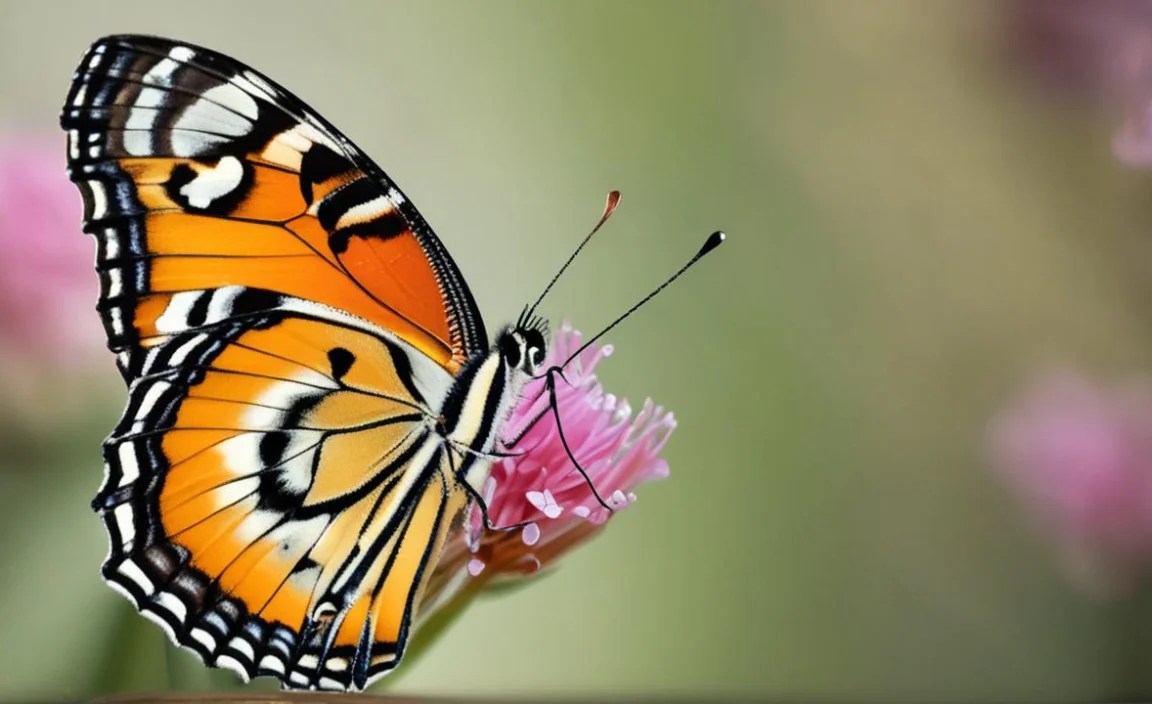
Want to capture stunning close-up photos of butterflies? To get the best butterfly macro photos, use a macro lens, choose a calm day, find cooperative subjects, and master your camera settings. Patience and practice are key to capturing the intricate beauty of these delicate creatures!
Butterflies are nature’s jewels, and capturing their delicate beauty up close is a rewarding challenge for any photographer. But getting those incredible macro shots isn’t always easy! Butterflies are small, quick, and easily spooked. If you’re finding it tough to get the shots you dream of, don’t worry. With the right approach and a little patience, you can master the art of butterfly macro photography.
In this guide, I’ll share my top tips for capturing breathtaking butterfly macros. We’ll cover everything from essential gear and camera settings to finding your subjects and composing stunning shots. Get ready to see butterflies in a whole new light!
Essential Gear for Butterfly Macro Photography

Having the right gear can make a huge difference in your butterfly macro photography. Here’s what I recommend:
Macro Lens
A true macro lens is essential for capturing those incredible close-up details. These lenses are designed to achieve a 1:1 magnification ratio, meaning the image on your camera’s sensor is the same size as the subject in real life. A macro lens allows you to focus extremely close to the butterfly, revealing intricate details that would be impossible to capture with a standard lens.
When choosing a macro lens, consider the focal length. Lenses with longer focal lengths (e.g., 100mm or 105mm) offer a greater working distance, allowing you to photograph butterflies from further away. This can be especially useful when photographing skittish subjects. Shorter focal lengths (e.g., 50mm or 60mm) require you to get closer, but they can also be more versatile for other types of photography.
Camera Body
While the lens is the most important factor in macro photography, your camera body also plays a role. A camera with good image quality and high ISO performance is ideal. High ISO performance allows you to shoot in lower light conditions without introducing too much noise into your images. A camera with a fast burst mode can also be helpful for capturing butterflies in motion.
Both DSLR and mirrorless cameras are excellent choices for macro photography. Mirrorless cameras often have features like focus peaking and focus magnification, which can be incredibly helpful for achieving precise focus in macro shots.
Tripod
A tripod is essential for keeping your camera steady, especially when shooting at high magnifications. Any slight movement can result in blurry images. Choose a sturdy tripod that can support your camera and lens. Look for features like adjustable legs and a ball head for easy positioning.
In some situations, a tripod might not be practical, such as when you’re hiking or photographing in dense vegetation. In these cases, consider using a monopod or even a beanbag to help stabilize your camera.
External Flash or Reflector
Lighting is crucial in macro photography. Natural light is often ideal, but it can be unpredictable. An external flash or reflector can help you control the light and create more even illumination. A flash with a diffuser can soften the light and reduce harsh shadows.
Reflectors are a great option for adding fill light to your subject. They’re lightweight, portable, and don’t require batteries. A simple white reflector can bounce sunlight onto the butterfly, brightening up the shadows and revealing more detail.
Other Useful Accessories
- Remote Shutter Release: Minimizes camera shake when taking photos.
- Diffuser: Softens harsh sunlight.
- Polarizing Filter: Reduces glare and reflections.
- Spray Bottle: To gently mist flowers (attracts butterflies).
- Lens Cleaning Cloth: Keeps your lens free of dust and smudges.
Finding and Approaching Butterflies
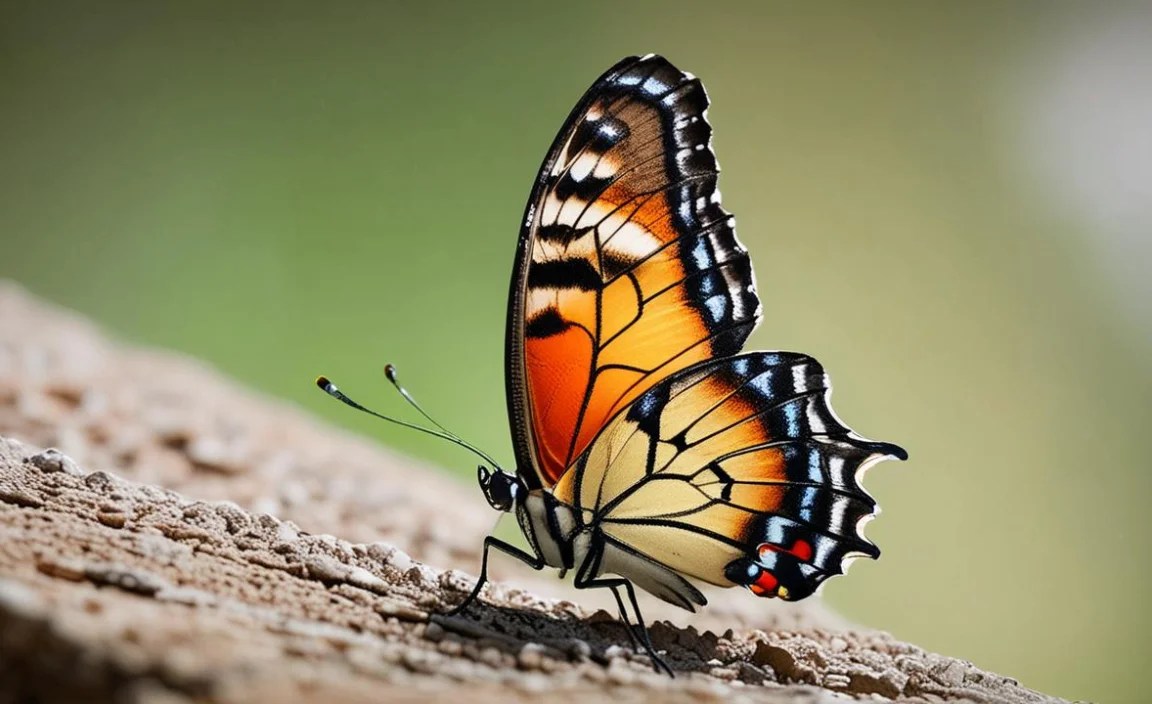
Finding butterflies is the first step to capturing amazing macro photos. Here are some tips for locating and approaching these delicate creatures:
Know Their Habitat
Butterflies are often found in specific habitats. Research the types of butterflies you want to photograph and learn about their preferred environments. Look for meadows, gardens, woodlands, and other areas with plenty of flowering plants. The Xerces Society offers excellent resources on butterfly habitats and conservation.
Time of Day
The best time to photograph butterflies is early morning or late afternoon. During these times, the light is softer and more diffused, which is ideal for macro photography. Butterflies are also less active during these times, making them easier to approach.
Patience is Key
Butterfly photography requires patience. Don’t expect to get amazing shots right away. Spend time observing the butterflies and learning their behavior. Watch how they move, where they feed, and how they react to your presence.
Slow and Steady
When approaching a butterfly, move slowly and deliberately. Avoid sudden movements that might startle it. Get down to the butterfly’s level to create a more intimate perspective.
Respect Their Space
Always respect the butterfly’s space. Don’t touch or disturb it. If the butterfly flies away, don’t chase it. Simply wait for another opportunity.
Attract Butterflies to Your Garden
One of the best ways to photograph butterflies is to create a butterfly-friendly garden. Plant nectar-rich flowers that attract butterflies, such as butterfly bush, coneflowers, and milkweed. Provide a water source, such as a shallow dish of water with pebbles for the butterflies to land on. Avoid using pesticides, which can harm butterflies and other beneficial insects.
Camera Settings for Butterfly Macro Photography
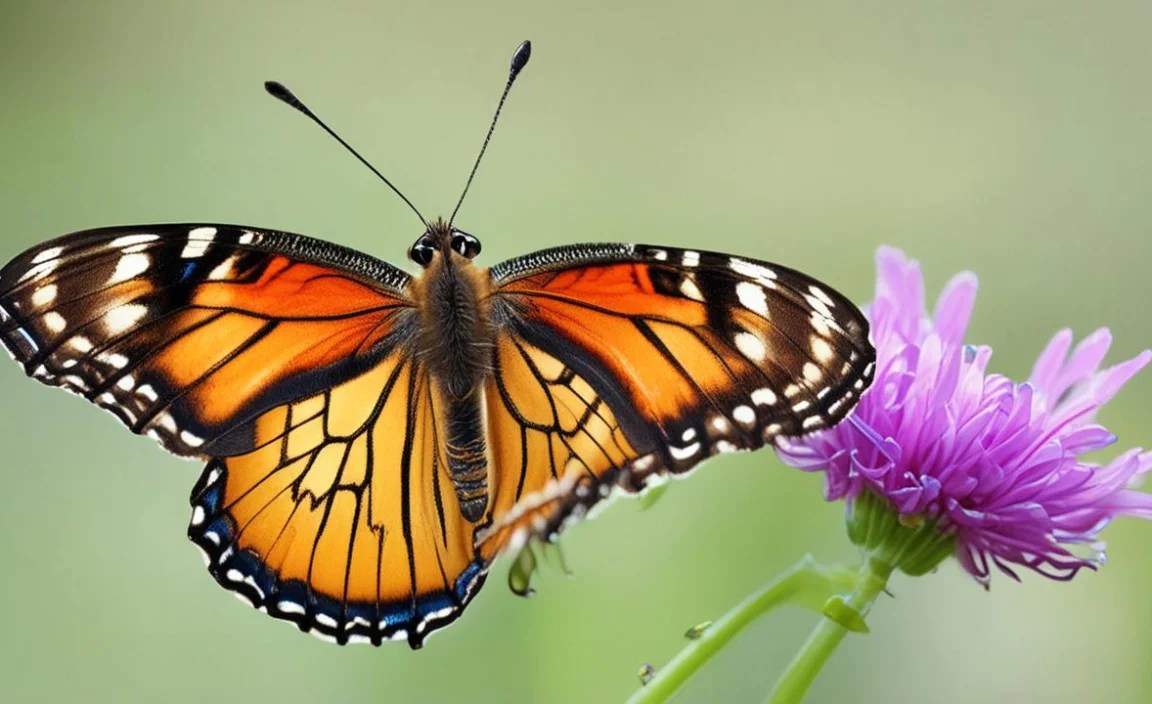
Mastering your camera settings is crucial for capturing sharp, well-exposed butterfly macro photos. Here are some recommended settings:
Aperture
Aperture controls the depth of field, which is the area of the image that is in focus. In macro photography, the depth of field is very shallow, so it’s important to choose your aperture carefully. A wider aperture (e.g., f/2.8 or f/4) will create a shallow depth of field, blurring the background and isolating the butterfly. A narrower aperture (e.g., f/8 or f/11) will increase the depth of field, bringing more of the butterfly into focus.
Experiment with different apertures to see what works best for your subject and composition. Keep in mind that a narrower aperture will require more light, so you may need to increase your ISO or use a flash.
Shutter Speed
Shutter speed controls the amount of time the camera’s sensor is exposed to light. A faster shutter speed will freeze motion, while a slower shutter speed will blur motion. When photographing butterflies, you’ll typically want to use a fast enough shutter speed to avoid motion blur. A good starting point is 1/200th of a second or faster.
If you’re using a tripod, you can use a slower shutter speed, but be careful to avoid camera shake. If you’re handholding your camera, use a faster shutter speed to ensure sharp images.
ISO
ISO controls the sensitivity of your camera’s sensor to light. A lower ISO (e.g., ISO 100 or ISO 200) will produce cleaner images with less noise, while a higher ISO (e.g., ISO 800 or ISO 1600) will allow you to shoot in lower light conditions. However, higher ISOs can introduce noise into your images.
Try to keep your ISO as low as possible to minimize noise. If you need to increase your ISO, do so gradually until you achieve a properly exposed image.
Focusing
Accurate focusing is critical in macro photography. Manual focus is often the best option, as it allows you to fine-tune the focus precisely. Use focus peaking or focus magnification to help you achieve sharp focus. Focus on the butterfly’s eyes, as this is the most important part of the image.
If you’re using autofocus, use single-point autofocus and select a focus point that is directly on the butterfly’s eye. Be aware that autofocus can sometimes struggle with macro subjects, especially in low light conditions.
Metering Mode
Metering mode determines how your camera measures the light in the scene. Evaluative metering (also known as matrix or multi-segment metering) is a good starting point, as it takes the entire scene into account. However, in some situations, spot metering or center-weighted metering may be more appropriate.
Spot metering measures the light in a small area of the scene, which can be useful when the butterfly is strongly backlit. Center-weighted metering measures the light in the center of the scene, giving less weight to the edges. Experiment with different metering modes to see what works best for your subject and lighting conditions.
Composition Tips for Stunning Butterfly Macros
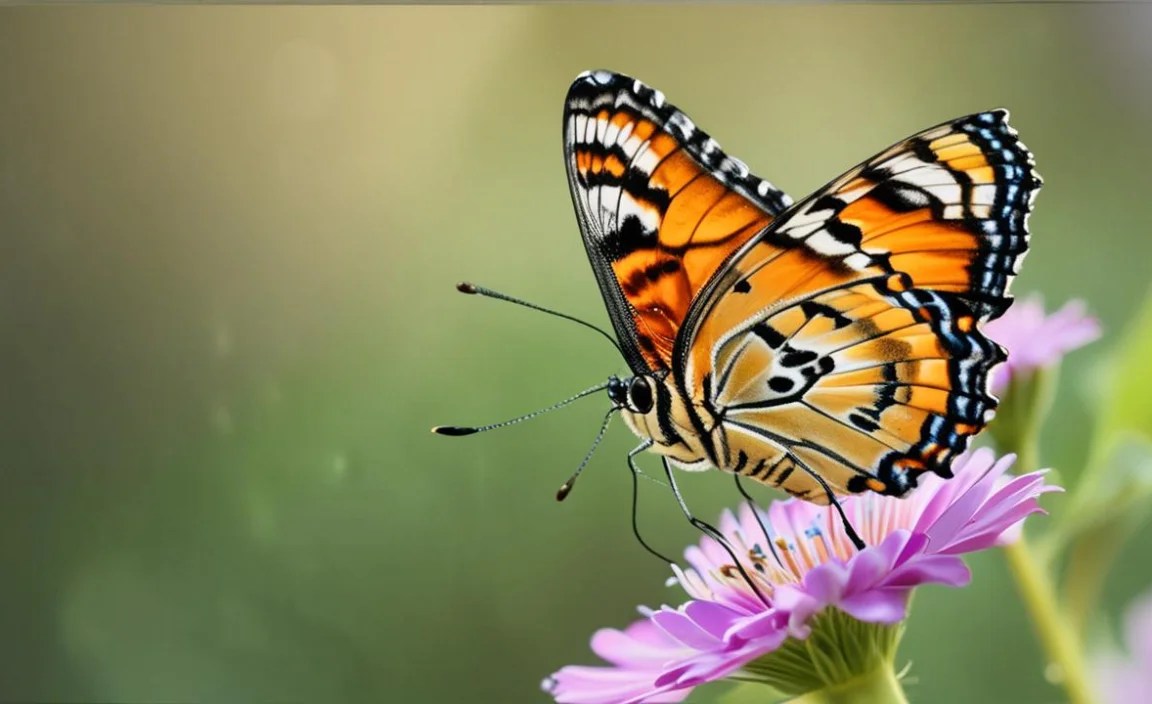
A well-composed image can make all the difference in your butterfly macro photography. Here are some tips for creating stunning compositions:
Rule of Thirds
The rule of thirds is a basic composition guideline that suggests dividing your image into nine equal parts with two horizontal and two vertical lines. Place the butterfly at one of the intersections of these lines, or along one of the lines, to create a more balanced and visually appealing composition.
Leading Lines
Leading lines are lines that draw the viewer’s eye into the image. Use natural elements like flower stems or leaves to create leading lines that guide the viewer’s eye towards the butterfly.
Negative Space
Negative space is the empty space around the butterfly. Use negative space to create a sense of balance and to draw attention to the butterfly. A clean, uncluttered background can help the butterfly stand out.
Backgrounds
Pay attention to the background of your image. A distracting background can detract from the butterfly. Look for backgrounds that are smooth and out of focus. Use a wide aperture to create a shallow depth of field and blur the background.
Angles
Experiment with different angles to find the most flattering perspective. Get down low to the butterfly’s level to create a more intimate perspective. Shoot from above to show the butterfly’s wings. Shoot from the side to show the butterfly’s body.
Capture Behavior
Don’t just focus on capturing static portraits of butterflies. Try to capture them in action, such as feeding on nectar, flying, or interacting with other butterflies. These types of images can be more dynamic and engaging.
Post-Processing Tips
Post-processing can enhance your butterfly macro photos and bring out their full potential. Here are some basic post-processing tips:
Adjust Exposure
Adjust the exposure to brighten or darken the image. Be careful not to overexpose the image, as this can wash out the colors and details. Use the histogram to guide your adjustments.
Adjust Contrast
Adjust the contrast to add more depth and dimension to the image. Increasing the contrast can make the colors more vibrant and the details sharper.
Adjust White Balance
Adjust the white balance to correct any color casts. Use a white balance preset or manually adjust the temperature and tint sliders to achieve a natural-looking color balance.
Sharpening
Sharpen the image to bring out the details. Be careful not to oversharpen the image, as this can create unwanted artifacts.
Noise Reduction
Reduce noise to clean up the image. Be careful not to overdo it, as this can soften the image and reduce the details.
Cropping
Crop the image to improve the composition. Crop out any distracting elements and focus on the butterfly.
| Post-Processing Step | Description | Software |
|---|---|---|
| Exposure Adjustment | Corrects brightness levels. | Adobe Lightroom, Photoshop, GIMP |
| Contrast Adjustment | Enhances the difference between light and dark areas. | Adobe Lightroom, Photoshop, GIMP |
| White Balance Correction | Removes color casts and ensures accurate colors. | Adobe Lightroom, Photoshop, GIMP |
| Sharpening | Enhances details and makes the image crisper. | Adobe Lightroom, Photoshop, GIMP |
| Noise Reduction | Reduces graininess in the image. | Adobe Lightroom, Photoshop, GIMP |
| Cropping | Improves composition and removes distractions. | Adobe Lightroom, Photoshop, GIMP |
Ethical Considerations
As nature photographers, it’s important to be mindful of our impact on the environment and the subjects we photograph. Here are some ethical considerations to keep in mind when photographing butterflies:
- Do not disturb the butterflies or their habitat. Stay on marked trails and avoid trampling vegetation.
- Do not handle butterflies. Touching a butterfly can damage its delicate wings and scales.
- Do not collect butterflies. Collecting butterflies can harm populations and disrupt ecosystems.
- Avoid using flash photography at night. This can disorient butterflies and disrupt their natural behavior.
- Support butterfly conservation efforts. Donate to organizations that are working to protect butterflies and their habitats.
FAQ
What is the best lens for butterfly macro photography?
A macro lens with a focal length of 100mm or greater is ideal, as it allows you to maintain a comfortable distance from the butterfly.
What camera settings should I use for butterfly macro photography?
Use a wide aperture (e.g., f/2.8 or f/4) to create a shallow depth of field, a fast shutter speed (e.g., 1/200th of a second or faster) to freeze motion, and a low ISO to minimize noise.
How do I get close to butterflies without scaring them?
Approach butterflies slowly and deliberately, avoiding sudden movements. Get down to their level and respect their space.
What is the best time of day to photograph butterflies?
Early morning or late afternoon, when the light is softer and butterflies are less active.
How can I attract butterflies to my garden?
Plant nectar-rich flowers, provide a water source, and avoid using pesticides.
What should I do if my butterfly photos are blurry?
Use a tripod, increase your shutter speed, and focus carefully on the butterfly’s eyes.
How important is post-processing for butterfly macro photos?
Post-processing can enhance your photos by adjusting exposure, contrast, white balance, and sharpness. It can also help reduce noise and improve the composition.
Conclusion
Butterfly macro photography is a rewarding and challenging pursuit that allows you to capture the intricate beauty of these delicate creatures. By using the right gear, mastering your camera settings, and following ethical guidelines, you can create stunning images that showcase the magic of the natural world. Remember to be patient, respectful, and always strive to learn more about the butterflies you photograph. With practice and dedication, you’ll be amazed at the incredible photos you can capture. So grab your camera, head out to your nearest butterfly garden or meadow, and start exploring the fascinating world of butterfly macro photography. Happy shooting!