
Giant Swallowtail Species: Your Ultimate Guide

The Giant Swallowtail (Papilio cresphontes) is North America’s largest butterfly! It’s known for its impressive size, striking patterns, and citrus-loving caterpillars. This guide helps you identify them, understand their life cycle, attract them to your garden, and appreciate their ecological role. Get ready to explore the world of the Giant Swallowtail!
Have you ever seen a huge, striking butterfly flitting around your garden and wondered what it was? Identifying butterflies can be tricky, especially when you encounter giants like the Giant Swallowtail. Many gardeners get frustrated when they find these caterpillars munching on their citrus trees.
But don’t worry! In this article, we’ll walk you through everything you need to know about Giant Swallowtails, from identifying them to understanding their life cycle and how to attract them to your garden. Let’s dive in and discover the fascinating world of these magnificent creatures!
Frequently Asked Questions About Giant Swallowtails
- What do Giant Swallowtail caterpillars eat?
- Giant Swallowtail caterpillars primarily feed on citrus leaves like orange, lemon, and lime. They also eat other plants like prickly ash and hop tree.
- Are Giant Swallowtail caterpillars harmful to my citrus trees?
- While they can eat a lot of leaves, Giant Swallowtail caterpillars rarely cause significant damage to mature, healthy citrus trees. They’re more of a concern for young or small trees.
- How can I attract Giant Swallowtails to my garden?
- Plant host plants like citrus, prickly ash, and hop tree. Also, provide nectar sources such as zinnias, milkweed, and lantana for the adult butterflies.
- What does a Giant Swallowtail chrysalis look like?
- The chrysalis can be either green or brown, camouflaged to blend in with its surroundings. It’s typically attached to a stem or leaf of the host plant.
- How long does it take for a Giant Swallowtail to emerge from its chrysalis?
- The pupal stage usually lasts about 10 to 14 days, depending on the temperature and environmental conditions.
- Where do Giant Swallowtails live?
- Giant Swallowtails are found throughout North America, from southern Canada to Florida and into Mexico. They prefer open woodlands, gardens, and citrus groves.
- Are Giant Swallowtails endangered?
- No, Giant Swallowtails are not currently endangered. However, habitat loss and pesticide use can impact their populations, so it’s important to support conservation efforts.
Identifying the Giant Swallowtail
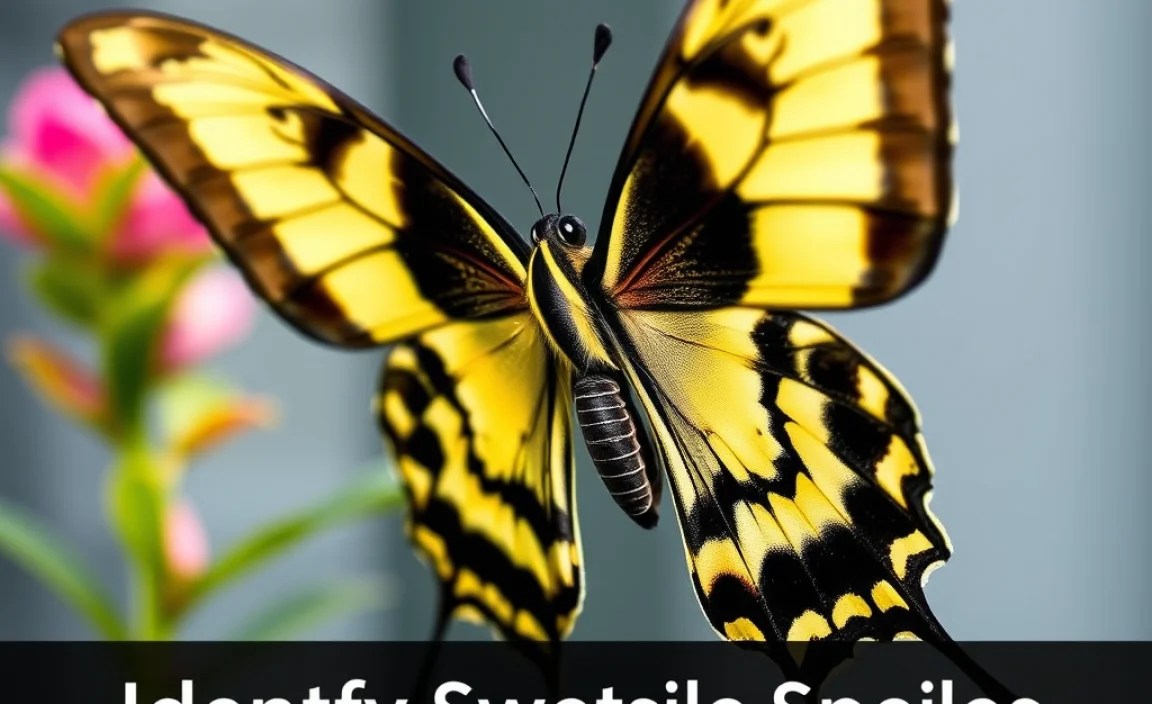
Identifying a Giant Swallowtail is easier than you might think, thanks to its distinctive features. Let’s break down the key characteristics of both the adult butterfly and its caterpillar.
Adult Butterfly
The adult Giant Swallowtail is one of the largest and most striking butterflies in North America. Here’s how to spot one:
- Size: With a wingspan of 4 to 7 inches (10 to 18 cm), it’s significantly larger than most other butterflies you’ll encounter.
- Color and Pattern: The wings are primarily dark brown or black with a prominent diagonal yellow band across both forewings and hindwings.
- “Tail”: Like other swallowtail butterflies, it has a distinctive “tail” or extension on its hindwings.
- Underwings: The undersides of the wings have yellow and orange markings, adding to its vibrant appearance.
Caterpillar
The Giant Swallowtail caterpillar looks quite different from the butterfly, and it has a clever disguise. Here’s what to look for:
- Appearance: The caterpillar resembles bird droppings, a camouflage strategy that helps it avoid predators. It’s mottled brown and white, with a glossy, somewhat slimy appearance.
- Size: It can grow up to 2 inches (5 cm) long.
- Osmeterium: When threatened, the caterpillar will display an orange, forked gland called an osmeterium from behind its head. This gland emits a foul odor to deter predators.
Distinguishing from Similar Species
While the Giant Swallowtail is unique, it can sometimes be confused with other swallowtail species. Here’s a quick comparison:
- Eastern Tiger Swallowtail: Smaller with distinct black stripes on yellow wings.
- Black Swallowtail: Darker with smaller yellow spots and a more delicate appearance.
- Spicebush Swallowtail: Has iridescent blue and green scales and distinct orange spots on the hindwings.
Life Cycle of the Giant Swallowtail

Understanding the life cycle of the Giant Swallowtail can deepen your appreciation for this incredible insect. Like all butterflies, it undergoes complete metamorphosis.
Egg
The life cycle begins with an egg, usually laid singly on the leaves of host plants. The eggs are small, round, and cream-colored.
Larva (Caterpillar)
Once the egg hatches, the larva, or caterpillar, emerges. The caterpillar goes through several instars (stages of growth), shedding its skin as it grows. Each instar looks slightly different, but the bird-dropping camouflage is consistent.
- Feeding: Caterpillars are voracious eaters, primarily feeding on citrus leaves.
- Molting: As the caterpillar grows, it molts its skin several times.
Pupa (Chrysalis)
After reaching its full size, the caterpillar transforms into a pupa, also known as a chrysalis. The chrysalis can be either green or brown, depending on the surrounding environment, providing excellent camouflage.
- Attachment: The chrysalis is attached to a stem or leaf, hanging upside down.
- Transformation: Inside the chrysalis, the caterpillar undergoes a remarkable transformation into a butterfly.
Adult Butterfly
After about 10 to 14 days, the adult butterfly emerges from the chrysalis. It takes a few hours for the wings to fully expand and dry before the butterfly can fly.
- Reproduction: Adult butterflies focus on reproduction, with females laying eggs to start the cycle anew.
- Lifespan: Adult Giant Swallowtails typically live for about two to three weeks, feeding on nectar from flowers.
Attracting Giant Swallowtails to Your Garden

Attracting Giant Swallowtails to your garden is a rewarding experience. By providing the right host plants and nectar sources, you can create a haven for these beautiful creatures.
Host Plants
Host plants are essential for Giant Swallowtails because they provide food for the caterpillars. Here are some of the best host plants to include in your garden:
- Citrus: Orange, lemon, lime, and grapefruit trees are favorites.
- Prickly Ash (Zanthoxylum americanum): A native shrub that is also a host plant.
- Hop Tree (Ptelea trifoliata): Another native option that supports Giant Swallowtail caterpillars.
Nectar Sources
Adult butterflies need nectar for energy. Plant a variety of flowering plants that provide nectar throughout the growing season.
- Zinnias: Brightly colored and easy to grow.
- Milkweed (Asclepias): A favorite of many butterflies, including Monarchs.
- Lantana: Produces clusters of colorful flowers.
- Butterfly Bush (Buddleja davidii): Attracts a wide variety of butterflies.
Creating a Butterfly-Friendly Habitat
In addition to host plants and nectar sources, consider these tips to create a welcoming habitat for Giant Swallowtails:
- Sunlight: Butterflies need sunlight to warm their bodies. Choose a sunny location for your butterfly garden.
- Shelter: Provide shrubs and trees for shelter from wind and rain.
- Water Source: A shallow dish of water with pebbles or sand allows butterflies to drink without drowning.
- Avoid Pesticides: Pesticides can harm or kill butterflies and caterpillars. Use organic gardening practices instead.
Giant Swallowtail Habitat and Distribution

Understanding where Giant Swallowtails live can help you appreciate their adaptability and conservation needs.
Geographic Range
Giant Swallowtails are found throughout North America, from southern Canada to Florida and into Mexico. They are most common in the southeastern United States but can be found as far west as Arizona and California.
Preferred Habitats
These butterflies thrive in a variety of habitats, including:
- Open Woodlands: Areas with a mix of trees and open spaces.
- Gardens: Especially those with citrus trees and nectar-rich flowers.
- Citrus Groves: Common in areas where citrus is cultivated.
- Riparian Areas: Habitats along rivers and streams.
Conservation Status
Giant Swallowtails are not currently endangered, but their populations can be affected by habitat loss and pesticide use. Supporting butterfly conservation efforts and creating butterfly-friendly habitats are essential for ensuring their continued survival. You can find more information and resources at organizations like the Xerces Society and the North American Butterfly Association.
Ecological Role of the Giant Swallowtail

Giant Swallowtails play several important roles in the ecosystem.
Pollination
As adult butterflies feed on nectar, they help pollinate flowers, contributing to plant reproduction.
Food Source
Giant Swallowtails and their caterpillars serve as a food source for birds, reptiles, and other insects.
Indicator Species
The presence of Giant Swallowtails can indicate the health of an ecosystem. Their sensitivity to environmental changes makes them valuable indicator species.
Dealing with Giant Swallowtail Caterpillars on Citrus Trees
While Giant Swallowtails are beautiful, their caterpillars can sometimes be a concern for citrus growers. Here are some tips for managing them without harming the butterflies.
Assessing the Damage
Before taking action, assess the level of damage. A few caterpillars are unlikely to cause significant harm to mature trees. Focus on protecting young or small trees.
Handpicking
The easiest and most eco-friendly method is to handpick the caterpillars from the leaves. Wear gloves and relocate them to another host plant, if available.
Protective Netting
Cover young trees with netting to prevent caterpillars from reaching the leaves. Ensure the netting is properly secured to the ground.
Organic Sprays
If necessary, use organic sprays such as Bacillus thuringiensis (Bt) to control caterpillars. Bt is a naturally occurring bacterium that is toxic to caterpillars but safe for other insects, humans, and pets. Always follow the instructions on the product label.
Encouraging Natural Predators
Attract natural predators such as birds, wasps, and lacewings to your garden. These beneficial insects will help control caterpillar populations.
Giant Swallowtail Symbolism and Cultural Significance
Butterflies, including the Giant Swallowtail, have long held symbolic and cultural significance in various societies.
Transformation and Rebirth
The butterfly’s life cycle, from egg to caterpillar to chrysalis to butterfly, symbolizes transformation, rebirth, and renewal. This makes the Giant Swallowtail a powerful symbol of personal growth and change.
Beauty and Joy
The vibrant colors and graceful flight of the Giant Swallowtail represent beauty, joy, and the ephemeral nature of life.
Spiritual Significance
In some cultures, butterflies are believed to be messengers from the spirit world, carrying messages from loved ones who have passed away. Seeing a Giant Swallowtail might be interpreted as a sign of comfort and connection.
Here is a table summarizing key aspects of the Giant Swallowtail:
| Aspect | Description |
|---|---|
| Scientific Name | Papilio cresphontes |
| Size | 4-7 inch wingspan |
| Appearance | Dark brown/black with yellow band |
| Caterpillar Appearance | Bird-dropping mimic |
| Host Plants | Citrus, Prickly Ash, Hop Tree |
| Nectar Sources | Zinnias, Milkweed, Lantana |
| Habitat | Open woodlands, gardens, citrus groves |
| Geographic Range | Southern Canada to Florida and Mexico |
| Conservation Status | Not endangered |
Photography Tips for Capturing Giant Swallowtails
Photographing butterflies can be challenging but also incredibly rewarding. Here are some tips for capturing stunning images of Giant Swallowtails.
Equipment
- Camera: A DSLR or mirrorless camera with a macro lens is ideal.
- Lens: A macro lens with a focal length of 100mm or greater will allow you to capture close-up details.
- Tripod: A tripod can help stabilize your camera for sharp images, especially in low light.
- Flash: An external flash can provide additional light, but use it sparingly to avoid startling the butterfly.
Techniques
- Patience: Butterflies are active and move quickly, so patience is key.
- Timing: The best time to photograph butterflies is in the early morning or late afternoon when they are less active.
- Focus: Use manual focus to ensure sharp focus on the butterfly’s eyes or other key details.
- Composition: Experiment with different angles and compositions to create visually appealing images.
- Background: Choose a clean, uncluttered background to avoid distracting from the butterfly.
Ethical Considerations
- Respect: Always respect the butterfly and its habitat. Avoid disturbing or harming the butterfly.
- Distance: Maintain a safe distance to avoid scaring the butterfly.
- Habitat: Be mindful of the surrounding environment and avoid damaging plants or disturbing other wildlife.
Fun Facts About Giant Swallowtails
To wrap up, here are some fun and fascinating facts about Giant Swallowtails that you might not know:
- Largest Butterfly: The Giant Swallowtail is the largest butterfly in North America, with a wingspan of up to 7 inches.
- Bird Dropping Disguise: The caterpillar’s bird-dropping mimicry is a highly effective camouflage strategy to avoid predators.
- Osmeterium Defense: When threatened, the caterpillar displays an orange, forked gland called an osmeterium, which emits a foul odor to deter predators.
- Citrus Lovers: While they primarily feed on citrus, Giant Swallowtail caterpillars can also eat other plants like prickly ash and hop tree.
- Flight Speed: Adult Giant Swallowtails are strong fliers and can travel long distances in search of nectar and host plants.
Conclusion
The Giant Swallowtail is a truly remarkable butterfly, with its impressive size, striking patterns, and fascinating life cycle. By understanding its needs and providing the right habitat, you can attract these magnificent creatures to your garden and enjoy their beauty up close.
Whether you’re a seasoned butterfly enthusiast or just starting to explore the world of insects, the Giant Swallowtail offers a captivating glimpse into the wonders of nature. So, get outside, plant some host plants and nectar sources, and keep an eye out for these gentle giants. Happy butterfly watching!


