
Swallowtail Butterfly Host Plant List: The Ultimate Guide

Swallowtail butterflies need specific plants to lay their eggs on, and for their caterpillars to eat. Common host plants include milkweed, dill, fennel, parsley, citrus, and spicebush. Planting these in your garden provides food and shelter for these beautiful butterflies, helping them thrive through their life cycle.
Have you ever dreamed of seeing graceful swallowtail butterflies fluttering around your garden? It’s a magical experience, but attracting these beauties requires a bit of planning. Swallowtails are picky eaters – their caterpillars, also known as larvae, can only munch on specific plants. Without these “host plants,” the butterflies can’t complete their life cycle in your yard.
Choosing the right plants can feel overwhelming, but don’t worry! This guide will walk you through everything you need to know to create a swallowtail-friendly garden. We’ll explore the favorite host plants of different swallowtail species, how to choose the best ones for your region, and tips for keeping your caterpillars happy and healthy. Get ready to transform your backyard into a butterfly haven!
Frequently Asked Questions About Swallowtail Host Plants
What is a host plant?
A host plant is a specific type of plant that a butterfly uses to lay its eggs. Once the eggs hatch, the caterpillars feed on the leaves of this plant, providing them with the nutrients they need to grow and develop into butterflies.
Why are host plants important for swallowtail butterflies?
Swallowtail caterpillars are very particular about what they eat. They can only survive and grow on specific host plants. Without these plants, the butterflies cannot reproduce and their populations will decline.
How do I choose the right host plants for my garden?
Research which swallowtail species are native to your area and then find out what their preferred host plants are. Native plants are always a great option, as they are well-suited to your local climate and ecosystem. Nurseries and local butterfly groups can also offer advice.
Can I use pesticides on my host plants?
It’s best to avoid using pesticides on or near your host plants. Pesticides can harm or kill swallowtail caterpillars and butterflies, as well as other beneficial insects. If you have pest problems, try using natural or organic methods to control them.
What else can I do to attract swallowtail butterflies to my garden?
In addition to planting host plants, you can also provide nectar plants for adult butterflies to feed on. These are plants with flowers that produce nectar, such as zinnias, butterfly bushes, and milkweed. Providing a shallow dish of water and a sunny spot for butterflies to bask in can also help attract them.
Do swallowtail caterpillars damage the host plants?
Yes, swallowtail caterpillars will eat the leaves of their host plants. However, they usually don’t cause significant damage to the plant. A healthy plant can usually recover from caterpillar feeding. If you’re concerned about damage, you can plant extra host plants or move caterpillars to different plants.
Understanding Swallowtail Butterfly Host Plants
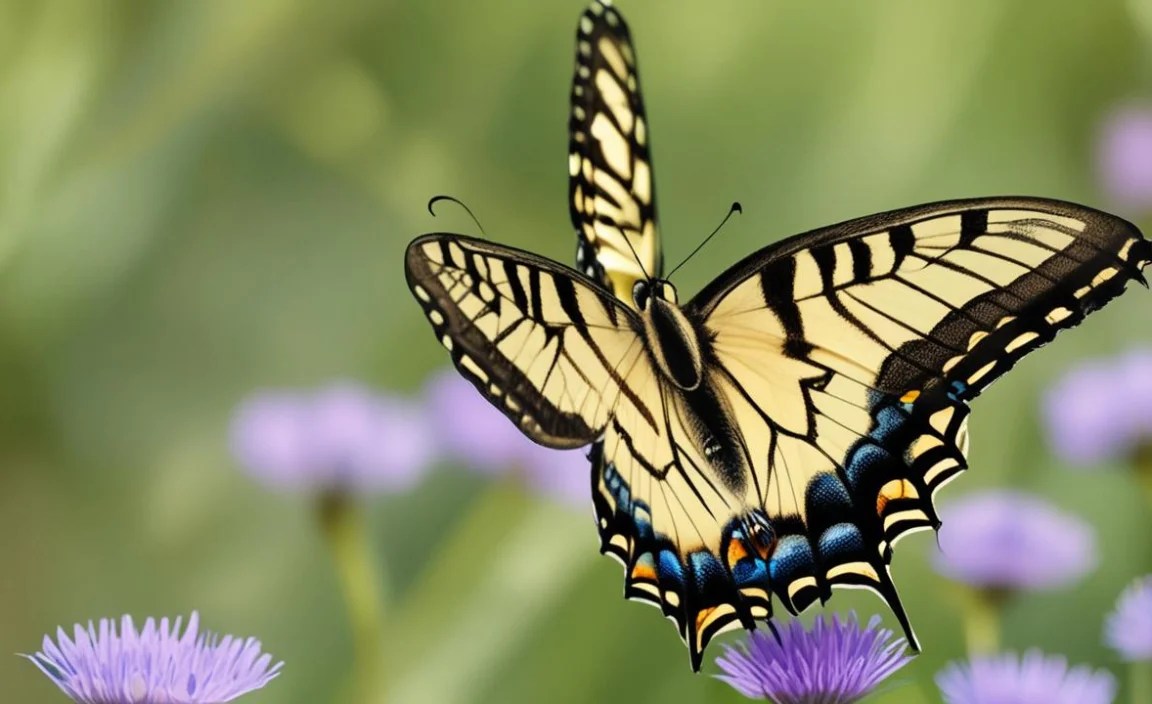
Swallowtail butterflies are among the most striking and beloved butterflies in North America. Their large size, vibrant colors, and graceful flight make them a welcome sight in any garden. But to truly enjoy these butterflies, it’s important to understand their life cycle and the role of host plants.
The Butterfly Life Cycle and Host Plants
Butterflies go through a complete metamorphosis, which includes four distinct stages:
- Egg: The female butterfly lays her eggs on a specific host plant.
- Larva (Caterpillar): The egg hatches into a caterpillar, which feeds voraciously on the host plant, growing and molting several times.
- Pupa (Chrysalis): Once the caterpillar is fully grown, it forms a pupa or chrysalis. Inside the chrysalis, the caterpillar transforms into a butterfly.
- Adult (Butterfly): The adult butterfly emerges from the chrysalis, ready to reproduce and continue the cycle.
Host plants are crucial during the larval stage. The caterpillars are very specific about what they eat, and each swallowtail species has its preferred host plants. If a female butterfly can’t find the right host plant, she won’t lay her eggs, and the butterfly life cycle can’t continue. Therefore, providing host plants is essential for attracting and supporting swallowtail butterflies in your garden.
Why Host Plant Specificity Matters
The reason for this picky eating lies in the evolutionary relationship between swallowtail butterflies and their host plants. Over time, swallowtail caterpillars have adapted to tolerate the chemical defenses of specific plants. These defenses, which might be toxic to other insects, don’t harm the caterpillars. In fact, some caterpillars even sequester these chemicals and use them for their own defense against predators.
This specialization means that swallowtail caterpillars cannot simply eat any plant. They need to feed on the specific host plants that they have evolved to tolerate. This is why providing the right host plants is so important for supporting swallowtail populations.
Swallowtail Butterfly Host Plant List: By Species

Different species of swallowtail butterflies prefer different host plants. Here’s a guide to some of the most common swallowtails and their favorite foods:
Eastern Black Swallowtail (Papilio polyxenes)
The Eastern Black Swallowtail is a common sight in gardens across eastern North America. Its caterpillars are easy to spot, with their bright green bodies and black stripes. These caterpillars love plants in the parsley family:
- Parsley (Petroselinum crispum): A popular herb that’s easy to grow in gardens or containers.
- Dill (Anethum graveolens): Another easy-to-grow herb with a distinctive flavor and feathery foliage.
- Fennel (Foeniculum vulgare): A tall, aromatic herb with a licorice flavor.
- Carrot (Daucus carota): Yes, the same carrots you eat! Let a few go to seed and the caterpillars will happily munch on the foliage.
- Queen Anne’s Lace (Daucus carota): The wild ancestor of the cultivated carrot. Be careful as it resembles poison hemlock.
Tiger Swallowtail (Papilio glaucus)
The Tiger Swallowtail is a large, striking butterfly with yellow and black stripes. It’s found throughout eastern North America and is known for its strong flight. Tiger Swallowtail caterpillars are less picky than some other species and will feed on a variety of trees and shrubs:
- Wild Cherry (Prunus serotina): A native tree with fragrant white flowers and edible fruit.
- Tulip Poplar (Liriodendron tulipifera): A tall, fast-growing tree with distinctive tulip-shaped leaves.
- Sweetbay Magnolia (Magnolia virginiana): A beautiful flowering tree with fragrant white flowers.
- Ash (Fraxinus species): Various ash tree species can serve as host plants.
- Willow (Salix species): Fast-growing trees or shrubs that thrive in moist areas.
Giant Swallowtail (Papilio cresphontes)
The Giant Swallowtail is the largest butterfly in North America, with a wingspan of up to 7 inches. It’s found throughout the southern United States and into Central America. Giant Swallowtail caterpillars feed on plants in the citrus family:
- Citrus Trees (Citrus species): Orange, lemon, lime, and grapefruit trees are all favorites of Giant Swallowtail caterpillars.
- Hercules’ Club (Zanthoxylum clava-herculis): A native tree with thorny branches and aromatic foliage.
- Rue (Ruta graveolens): A pungent herb that is also used in traditional medicine.
Spicebush Swallowtail (Papilio troilus)
The Spicebush Swallowtail is a beautiful butterfly with iridescent blue and green wings. It’s found throughout eastern North America and is named for its favorite host plant:
- Spicebush (Lindera benzoin): A native shrub with fragrant leaves and bright red berries.
- Sassafras (Sassafras albidum): A native tree with distinctive mitten-shaped leaves and aromatic bark.
Pipevine Swallowtail (Battus philenor)
The Pipevine Swallowtail is a striking butterfly with iridescent blue-black wings. It’s found throughout much of North America and is named for its host plant:
- Pipevine (Aristolochia species): A vine with unusual, pipe-shaped flowers. Note: Some species of pipevine can be toxic to mammals.
Here is a table summarizing the information:
| Swallowtail Species | Scientific Name | Common Host Plants |
|---|---|---|
| Eastern Black Swallowtail | Papilio polyxenes | Parsley, Dill, Fennel, Carrot, Queen Anne’s Lace |
| Tiger Swallowtail | Papilio glaucus | Wild Cherry, Tulip Poplar, Sweetbay Magnolia, Ash, Willow |
| Giant Swallowtail | Papilio cresphontes | Citrus Trees, Hercules’ Club, Rue |
| Spicebush Swallowtail | Papilio troilus | Spicebush, Sassafras |
| Pipevine Swallowtail | Battus philenor | Pipevine (Aristolochia species) |
Choosing the Right Host Plants for Your Garden

Now that you know the favorite host plants of different swallowtail species, how do you choose the best ones for your garden? Here are a few factors to consider:
Your Location
The first step is to find out which swallowtail species are native to your area. You can do this by consulting field guides, online resources, or local butterfly experts. Once you know which swallowtails you’re likely to attract, you can choose host plants that are suitable for your region’s climate and growing conditions.
Native vs. Non-Native Plants
Whenever possible, choose native host plants. Native plants are adapted to your local climate and soil conditions, making them easier to grow and maintain. They also support a wider range of native insects and other wildlife. Non-native plants can sometimes become invasive, outcompeting native species and disrupting the ecosystem.
Plant Availability
Consider the availability of host plants in your area. Some plants may be difficult to find in local nurseries, while others may be readily available. You can also try growing host plants from seed, which can be a fun and rewarding experience.
Plant Size and Growth Habits
Think about the size and growth habits of the host plants you choose. Some plants, like trees and shrubs, can get quite large, while others, like herbs, remain relatively small. Make sure you have enough space in your garden to accommodate the mature size of the plants.
Aesthetic Considerations
Of course, you also want to choose host plants that you find aesthetically pleasing. After all, you’ll be looking at them every day! Choose plants with attractive foliage, flowers, or fruit. Consider the overall design of your garden and how the host plants will fit into the landscape.
Tips for Growing Healthy Host Plants
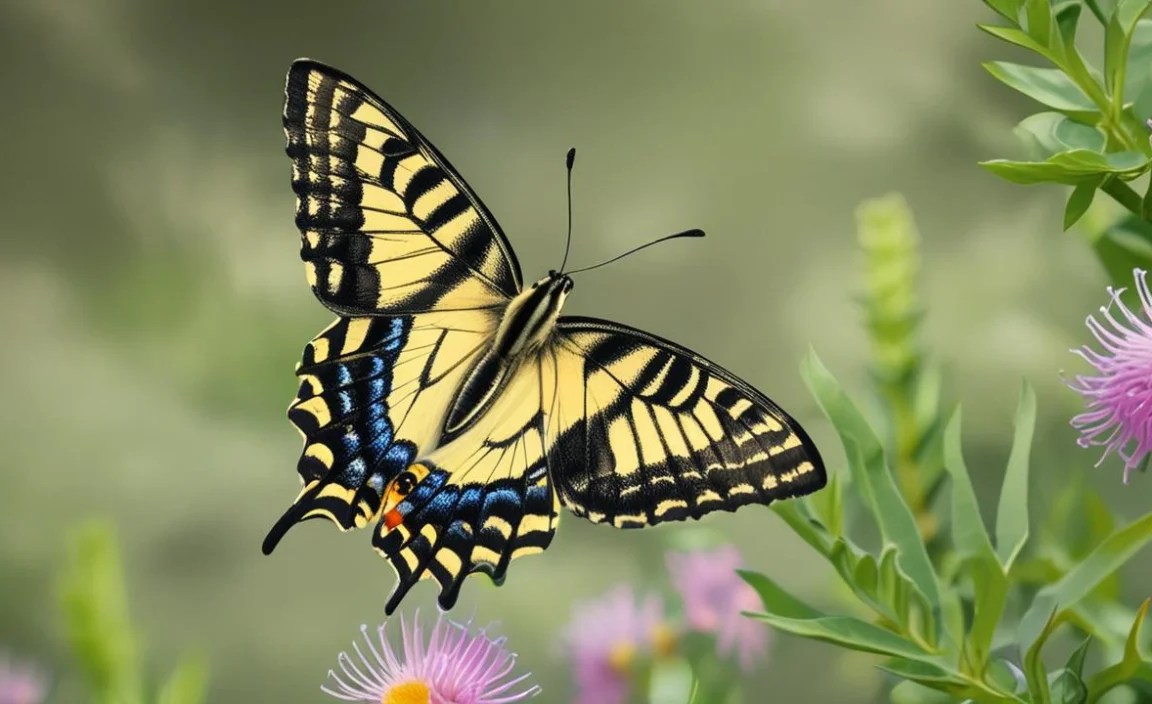
Once you’ve chosen the right host plants for your garden, it’s important to provide them with the care they need to thrive. Here are a few tips for growing healthy host plants:
Sunlight
Most host plants need at least six hours of sunlight per day. Make sure you plant them in a sunny location in your garden.
Soil
Host plants prefer well-drained soil that is rich in organic matter. Amend your soil with compost or other organic materials before planting.
Water
Water your host plants regularly, especially during dry periods. Water deeply and less frequently, rather than shallowly and more often.
Fertilizer
Fertilize your host plants with a balanced fertilizer in the spring. Avoid over-fertilizing, as this can make the plants more susceptible to pests and diseases.
Pest Control
Monitor your host plants regularly for pests. If you find any, try to control them with natural methods, such as hand-picking, insecticidal soap, or neem oil. Avoid using broad-spectrum pesticides, as these can harm beneficial insects, including swallowtail caterpillars.
Protecting Caterpillars
While it’s natural to want to protect your host plants, remember that the goal is to provide food for swallowtail caterpillars. Don’t be alarmed if you see caterpillars munching on the leaves. A healthy plant can usually withstand some caterpillar damage. If you’re concerned about damage, you can plant extra host plants or move caterpillars to different plants.
Creating a Butterfly-Friendly Garden

Planting host plants is just one part of creating a butterfly-friendly garden. Here are a few other things you can do to attract and support swallowtail butterflies:
Provide Nectar Plants
Adult butterflies need nectar for energy. Plant a variety of nectar-rich flowers that bloom throughout the growing season. Some good choices include:
- Zinnias
- Butterfly Bush (Buddleja davidii)
- Milkweed (Asclepias species)
- Lantana
- Salvia
- Cosmos
Provide Water
Butterflies need water to stay hydrated. Provide a shallow dish of water with pebbles or stones for them to land on. You can also create a “puddling” area by filling a shallow dish with sand and keeping it moist.
Provide Shelter
Butterflies need shelter from wind and predators. Plant trees, shrubs, and tall grasses to provide them with a safe haven.
Avoid Pesticides
As mentioned earlier, pesticides can harm or kill butterflies and other beneficial insects. Avoid using pesticides in your garden, or use them sparingly and only when necessary.
Provide a Sunny Basking Spot
Butterflies are cold-blooded and need to bask in the sun to warm up. Provide a sunny spot in your garden where they can rest and warm their wings.
Enjoying the Beauty of Swallowtail Butterflies
By providing host plants, nectar plants, water, and shelter, you can create a butterfly-friendly garden that attracts and supports swallowtail butterflies. Enjoy the beauty of these magnificent creatures as they flutter around your garden, adding color and life to your outdoor space.
Watching swallowtail butterflies in your garden is a rewarding experience. You’ll not only be able to observe their beauty and grace, but you’ll also be contributing to their conservation. By providing host plants and creating a butterfly-friendly habitat, you’ll be helping these amazing creatures thrive for generations to come. So, get out there and start planting!


