
Swallowtail Butterfly Garden Tips: Easy Success!

Swallowtail Butterfly Garden Tips: Quick Summary
Want to attract beautiful swallowtail butterflies to your garden? It’s easy! Plant their favorite host plants like dill, parsley, fennel, and rue for caterpillars. Add nectar-rich flowers such as zinnias, butterfly bush, and milkweed for adult butterflies. Provide a shallow water source and avoid pesticides. With these simple tips, your garden will become a swallowtail haven!
Have you ever dreamed of a garden filled with the graceful dance of swallowtail butterflies? These magnificent creatures, with their vibrant colors and elegant flight, can transform any outdoor space into a magical sanctuary. But sometimes, attracting these beauties feels like a challenge. You might wonder, “What plants do they really love?” or “How can I keep them coming back?”
Don’t worry! Creating a swallowtail butterfly garden is easier than you think. By providing the right food, water, and shelter, you can turn your backyard into a haven for these stunning insects. Let’s explore the simple steps to create a garden that will have swallowtails fluttering around all season long.
Understanding Swallowtail Butterflies
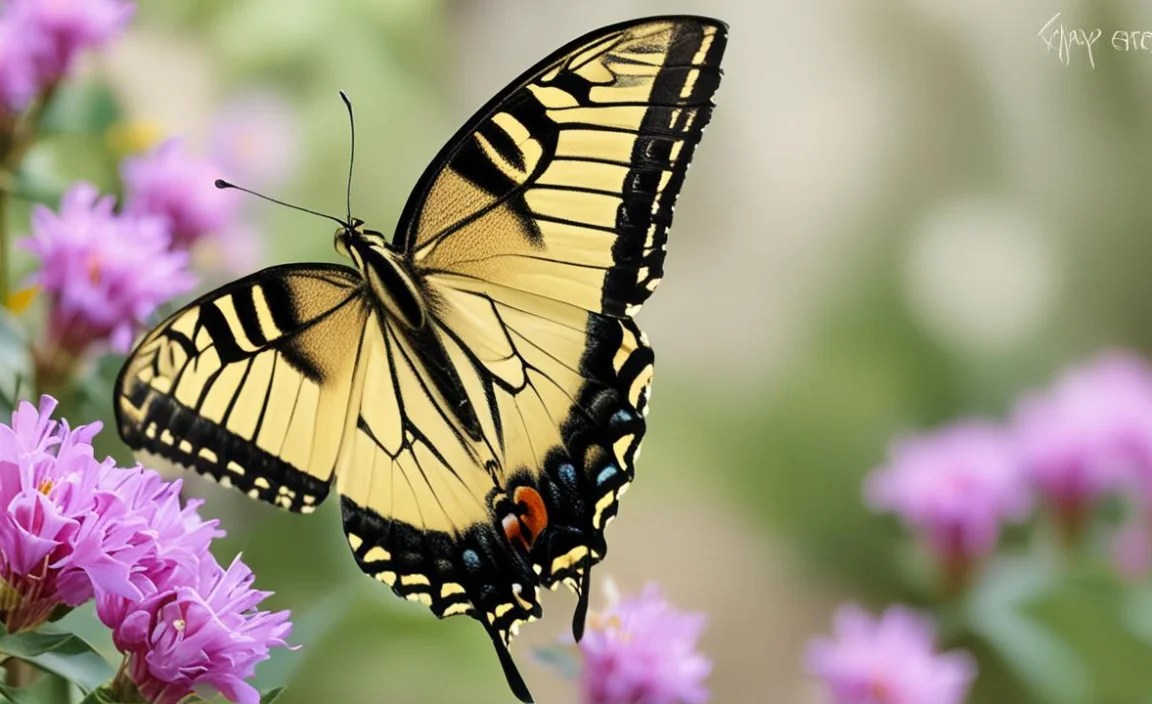
Before diving into garden tips, let’s learn a bit about swallowtail butterflies. Understanding their life cycle and needs will help you create the perfect environment for them.
Swallowtail Life Cycle
Swallowtails go through four stages: egg, larva (caterpillar), pupa (chrysalis), and adult. Each stage has specific needs.
- Egg: Laid on host plants, where the caterpillar will feed.
- Larva: The caterpillar eats and grows, molting several times.
- Pupa: The caterpillar forms a chrysalis, where it transforms.
- Adult: The butterfly emerges, feeds on nectar, and reproduces.
Popular Swallowtail Species
Several swallowtail species are common in North America. Here are a few:
- Eastern Tiger Swallowtail (Papilio glaucus): Yellow with black stripes.
- Black Swallowtail (Papilio polyxenes): Black with colorful spots.
- Giant Swallowtail (Papilio cresphontes): Large, brown, and yellow.
- Spicebush Swallowtail (Papilio troilus): Dark with blue-green hues.
Knowing which species are native to your area will help you choose the right plants.
Step-by-Step Guide to Creating a Swallowtail Garden
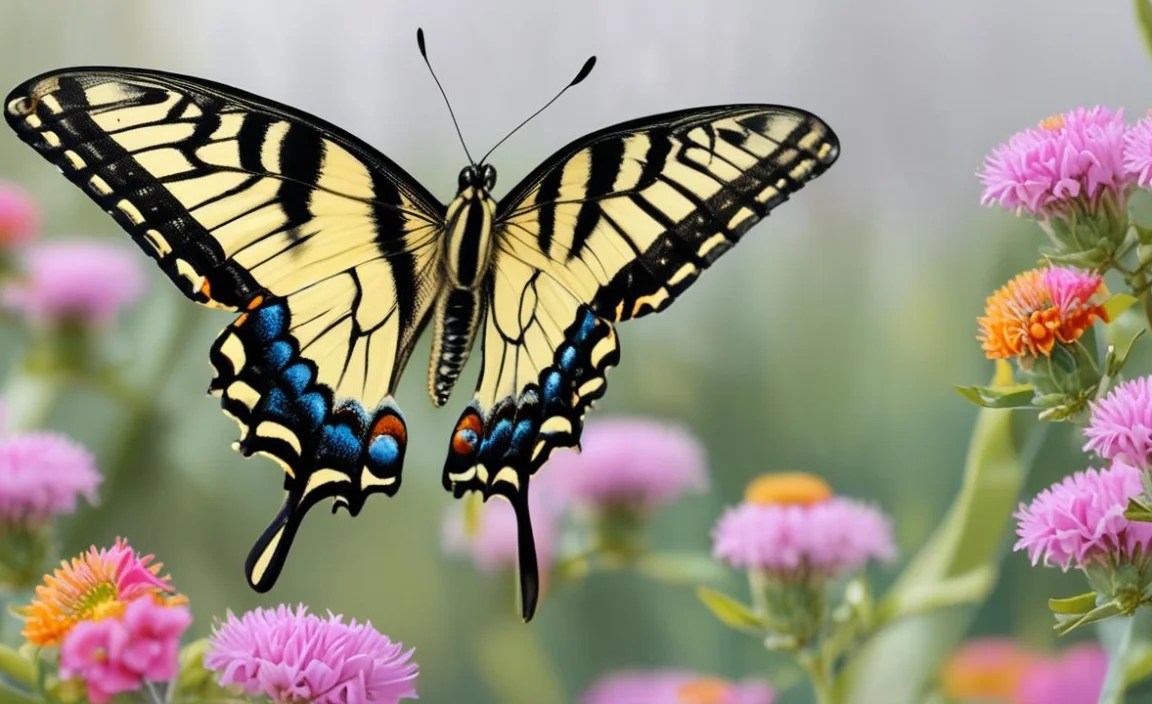
Ready to create your swallowtail paradise? Follow these steps to attract these beautiful butterflies to your garden.
Step 1: Choose the Right Location
Sunlight and shelter are crucial. Butterflies need sunshine to warm their bodies and protection from strong winds.
- Sunlight: Select a spot that gets at least six hours of sun per day.
- Shelter: Plant shrubs or trees to provide windbreaks.
- Accessibility: Make sure the location is easily accessible for you to maintain the garden.
Step 2: Select Host Plants
Host plants are essential for swallowtail caterpillars. These are the plants where the butterflies lay their eggs, and the caterpillars feed on the leaves.
Popular Host Plants
- Black Swallowtail: Dill, parsley, fennel, carrot tops, and rue.
- Eastern Tiger Swallowtail: Wild cherry, tulip tree, sweetbay magnolia.
- Giant Swallowtail: Citrus trees, Hercules’ club, and prickly ash.
- Spicebush Swallowtail: Spicebush and sassafras.
Planting a variety of host plants will attract different swallowtail species. You can often find seeds or starter plants at local nurseries or online. The Xerces Society is a great resource for finding native plant suppliers.
Step 3: Plant Nectar-Rich Flowers
Adult swallowtails feed on nectar. Choose flowers that provide a continuous source of nectar throughout the growing season.
Best Nectar Flowers for Swallowtails
- Zinnias: Bright and colorful, bloom all summer.
- Butterfly Bush (Buddleja davidii): Attracts many butterflies.
- Milkweed (Asclepias): Essential for Monarchs, but also attracts swallowtails.
- Lantana: Heat-tolerant and long-blooming.
- Salvia: Provides nectar for a long period.
- Phlox: Fragrant and attractive to butterflies.
When selecting flowers, choose native varieties whenever possible. Native plants are adapted to your local climate and provide the best food source for native butterflies. The National Wildlife Federation’s Native Plant Finder can help you identify native plants in your area.
Step 4: Provide Water
Butterflies need water, but they can’t drink from deep puddles. Create a shallow water source for them.
Creating a Butterfly Puddle
- Shallow Dish: Use a shallow dish or saucer.
- Pebbles or Marbles: Fill the dish with pebbles or marbles so butterflies can land and drink safely.
- Water: Add water to just below the top of the pebbles.
- Location: Place the dish in a sunny spot.
Keep the water clean and refreshed regularly. You can also create a “mud puddle” by sinking a container into the ground and keeping it moist.
Step 5: Avoid Pesticides
Pesticides can harm or kill butterflies and caterpillars. Avoid using them in your garden.
Natural Pest Control Methods
- Handpicking: Remove pests by hand.
- Insecticidal Soap: Use insecticidal soap for infestations.
- Companion Planting: Plant herbs like marigolds to deter pests.
Encourage natural predators like ladybugs and lacewings to control pests. These beneficial insects will help keep your garden healthy without harming butterflies.
Step 6: Provide Shelter and Resting Spots
Butterflies need places to rest and shelter from the elements.
Shelter Ideas
- Rocks: Place flat rocks in sunny spots for butterflies to bask.
- Shrubs and Trees: Provide shelter from wind and rain.
- Tall Grasses: Offer hiding places for caterpillars.
Creating a layered garden with plants of different heights will provide a variety of shelter options for butterflies.
Step 7: Maintain Your Garden
Regular maintenance will keep your garden thriving and attractive to swallowtails.
Maintenance Tips
- Watering: Water plants regularly, especially during dry periods.
- Weeding: Remove weeds that compete with your butterfly plants.
- Deadheading: Remove spent flowers to encourage more blooms.
- Fertilizing: Use organic fertilizer to nourish your plants.
By following these maintenance tips, you can ensure that your swallowtail garden remains a beautiful and inviting habitat for these amazing creatures.
Planting Guide for Swallowtail Gardens
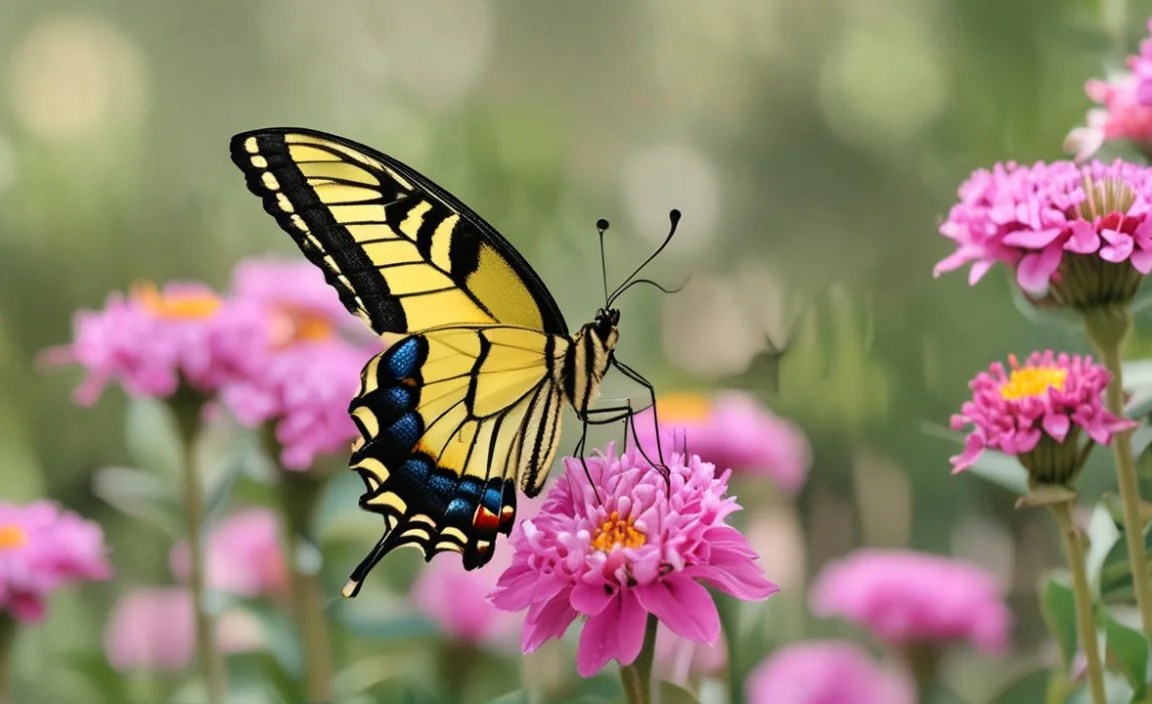
Here’s a quick guide to planting the essential elements of your swallowtail garden:
| Plant Type | Plant Name | Swallowtail Species Attracted | Planting Instructions |
|---|---|---|---|
| Host Plant | Dill | Black Swallowtail | Plant seeds in spring after the last frost. Prefers full sun and well-drained soil. |
| Host Plant | Wild Cherry | Eastern Tiger Swallowtail | Plant saplings in fall or early spring. Requires full sun and moist, well-drained soil. |
| Nectar Plant | Zinnia | Various Swallowtails | Sow seeds directly in the garden after the last frost. Needs full sun and regular watering. |
| Nectar Plant | Butterfly Bush | Various Swallowtails | Plant in spring. Prefers full sun and well-drained soil. Prune in late winter. |
| Water Source | Shallow Dish with Pebbles | All Swallowtails | Place a shallow dish filled with pebbles in a sunny spot. Keep water level just below the top of the pebbles. |
Designing Your Swallowtail Garden
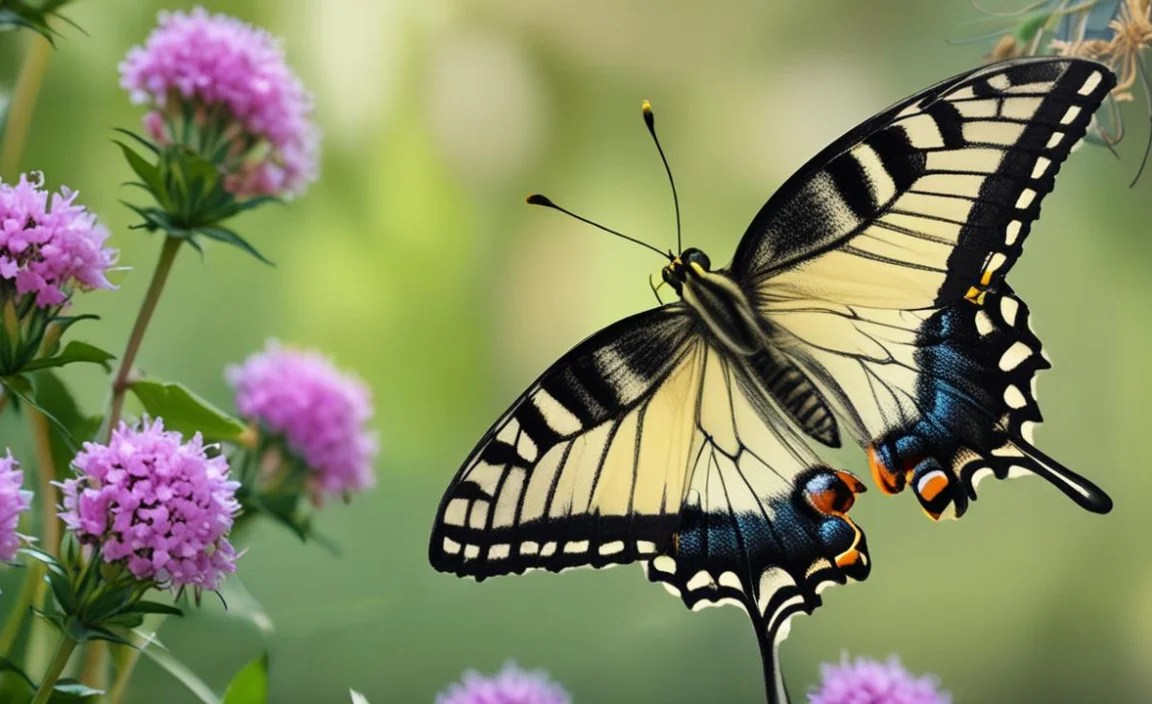
Creating an aesthetically pleasing garden is just as important as providing the right resources for swallowtails. Here are some design tips to consider.
Color Coordination
Butterflies are attracted to bright colors. Plant flowers with a variety of colors to create a visually appealing garden.
- Reds and Oranges: Zinnias, lantana, and butterfly weed.
- Yellows: Marigolds, sunflowers, and coreopsis.
- Purples and Blues: Salvia, lavender, and phlox.
Planting in Clusters
Planting flowers in clusters makes it easier for butterflies to find them. It also creates a more dramatic visual impact.
Succession Planting
Plant flowers that bloom at different times of the year to provide a continuous source of nectar. This will keep swallowtails coming back to your garden throughout the growing season.
Additional Tips for Attracting Swallowtails
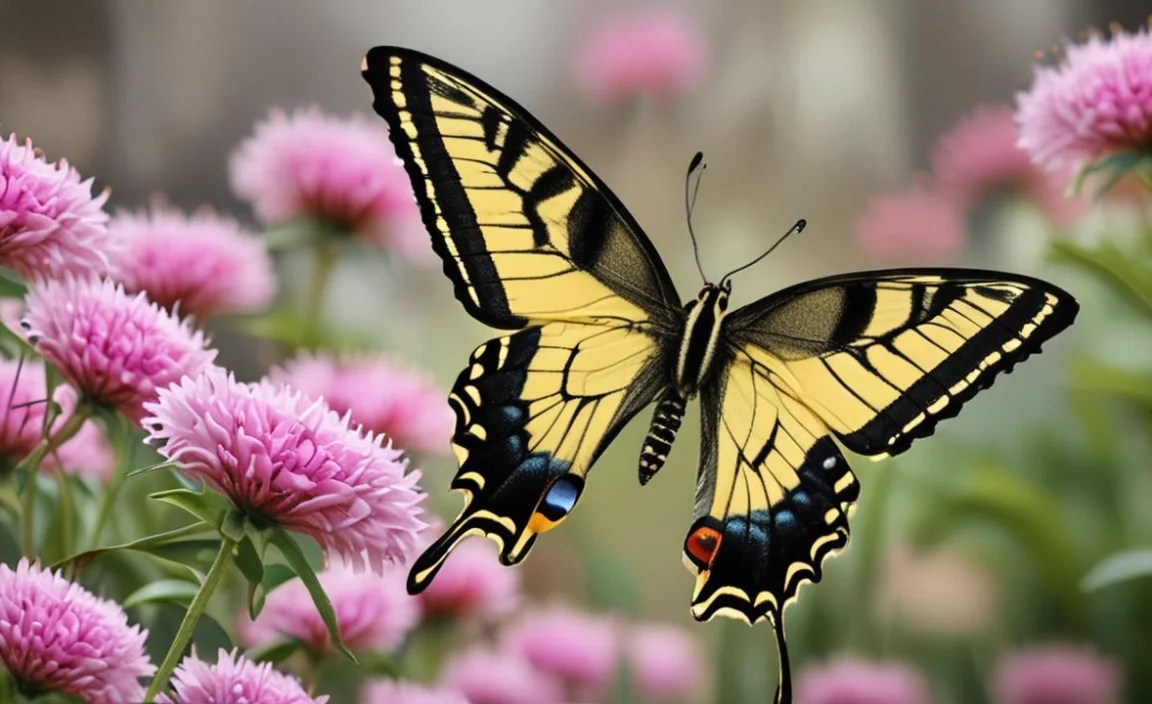
Here are some extra tips to make your garden even more appealing to swallowtail butterflies:
- Provide a Mud Puddle: Butterflies gather at mud puddles to obtain minerals.
- Avoid Herbicides: Herbicides can harm or kill butterfly larvae.
- Leave Leaf Litter: Leaf litter provides overwintering habitat for some butterfly species.
- Observe and Learn: Pay attention to which plants attract the most butterflies and adjust your garden accordingly.
The Benefits of a Swallowtail Garden
Creating a swallowtail garden is not only beautiful, but it also provides numerous benefits.
- Pollination: Butterflies are important pollinators, helping to fertilize plants and produce fruits and vegetables.
- Pest Control: Swallowtail caterpillars feed on plant leaves, helping to control plant growth.
- Educational Opportunity: A butterfly garden provides a wonderful opportunity to learn about nature and the life cycle of butterflies.
- Stress Relief: Spending time in a butterfly garden can be relaxing and therapeutic.
By creating a swallowtail garden, you are contributing to the conservation of these beautiful creatures and enhancing the beauty and health of your environment.
Swallowtail Butterfly Conservation
Swallowtail butterflies, like many other insects, face threats from habitat loss, pesticide use, and climate change. Here are some ways you can help protect them:
- Plant Native Plants: Native plants provide the best food and habitat for swallowtails.
- Avoid Pesticides: Pesticides can harm or kill butterflies and other beneficial insects.
- Support Conservation Organizations: Donate to or volunteer with organizations that work to protect butterfly habitats.
- Educate Others: Share your knowledge about swallowtail butterflies with friends, family, and neighbors.
Every action, no matter how small, can make a difference in the effort to conserve swallowtail butterflies and their habitats. The U.S. Fish and Wildlife Service offers resources and information on conservation efforts.
FAQ About Swallowtail Butterfly Gardens
Here are some frequently asked questions about creating and maintaining a swallowtail butterfly garden:
What is a host plant?
A host plant is a plant that swallowtail butterflies lay their eggs on. The caterpillars then feed on the leaves of this plant.
What is a nectar plant?
A nectar plant is a plant that provides nectar for adult swallowtail butterflies to feed on.
How do I attract swallowtail butterflies to my garden?
Plant host plants and nectar plants, provide a shallow water source, avoid pesticides, and provide shelter.
What if caterpillars are eating all my host plants?
Don’t worry! Caterpillars eating the host plants is a good sign. It means the butterflies are using your garden. If they are eating too much, consider planting more host plants.
How do I protect my plants from pests without harming butterflies?
Use natural pest control methods like handpicking, insecticidal soap, and companion planting.
When is the best time to plant a butterfly garden?
Spring or early fall are the best times to plant a butterfly garden.
How much sun does a butterfly garden need?
A butterfly garden needs at least six hours of sun per day.
Conclusion
Creating a swallowtail butterfly garden is a rewarding experience that brings beauty and life to your outdoor space. By following these tips, you can attract these stunning creatures and enjoy their graceful presence all season long. Remember to provide the right host plants, nectar sources, water, and shelter, and always avoid pesticides. With a little effort, you can transform your garden into a haven for swallowtail butterflies and contribute to their conservation. Happy gardening!


