
How to Identify Giant Swallowtail: Easy Butterfly ID

Have you ever seen a butterfly that looks like a bird? It might have been a giant swallowtail! These butterflies are big and beautiful. They are also fun to watch. But how to identify giant swallowtail butterflies? It is easier than you think. Keep reading to learn more. We will show you what to look for. You will become a butterfly expert.
Key Takeaways
- Giant swallowtail caterpillars look like bird poop to avoid predators.
- Look for a very large size and a wingspan of up to seven inches.
- Giant swallowtails have yellow and black patterns on their wings.
- How to identify giant swallowtail butterflies involves checking for a “tail.”
- These butterflies live in warm places like Florida and California.
How to Identify Giant Swallowtail: Size

The first thing to notice is the size. Giant swallowtails are huge! They are one of the biggest butterflies in North America. Their wings can spread up to seven inches. That is almost as big as your hand. Most other butterflies are much smaller. Monarch butterflies, for example, are smaller. They only have a wingspan of about four inches. So, if you see a very large butterfly, it could be a giant swallowtail. Pay close attention to how it compares to other butterflies you see. Size is an easy way to start figuring out how to identify giant swallowtail butterflies.
- Giant swallowtails are the biggest butterflies.
- Their wings can be seven inches wide.
- Monarch wings are only four inches wide.
- Size helps you know what it is.
- Look for a very large butterfly.
Size is very important when you are trying to identify butterflies. Think about other big insects you know. Maybe you have seen a big moth. Giant swallowtails are bigger than most moths. They are also more colorful. Remember, size is just one clue. You also need to look at the colors and patterns. Combining all the clues will help you know for sure if you have found a giant swallowtail. Learning how to identify giant swallowtail butterflies can be a fun outdoor game.
Fun Fact or Stat: The Giant Swallowtail is the largest butterfly in Canada!
How Big Are the Caterpillars?
Have you ever seen a caterpillar that looks like bird poop? It might have been a giant swallowtail caterpillar! These caterpillars are very clever. They use camouflage to stay safe. They look like something birds would not want to eat. This helps them avoid being eaten. The caterpillars can grow quite large before they become butterflies. They can be two inches long. That is big for a caterpillar! How to identify giant swallowtail caterpillars: look for something that looks like bird droppings on leaves. Check citrus trees and other host plants. You might find one of these cool creatures.
Why Are They So Big?
Why do giant swallowtails get so big? It helps them fly better. Bigger wings mean they can catch more air. They can fly farther and faster. This is important for finding food and escaping danger. Big size also helps them attract mates. Male and female butterflies need to find each other to have babies. Being big and colorful makes them easier to see. Think of it like a big, bright sign that says, “Here I am!” How to identify giant swallowtail butterflies involves noticing their impressive size. It is a key part of what makes them special.
Do Males and Females Differ in Size?
Do boy and girl giant swallowtails look different? Usually, they are about the same size. Both males and females have big wings. Their colors and patterns are also very similar. Sometimes, the females might be a little bit bigger. But it is hard to tell just by looking. The best way to tell them apart is by watching their behavior. Males often fly around looking for females. Females spend more time laying eggs on plants. So, next time you see a giant swallowtail, watch what it is doing! This can help you guess if it is a boy or a girl. Understanding how to identify giant swallowtail butterflies includes knowing their behaviors.
Recognizing the Wing Patterns
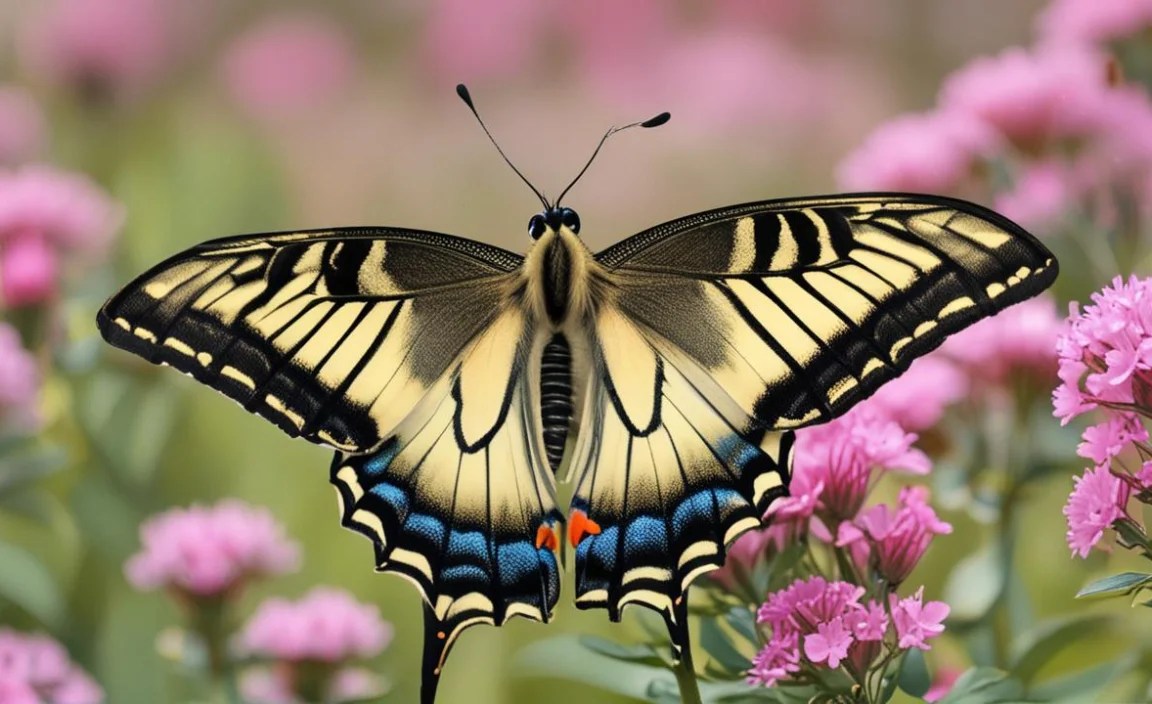
Wing patterns are another clue. Giant swallowtails have beautiful patterns. The wings are mostly black. But they have bright yellow stripes. These stripes run across the wings. On the underside, there is also some blue and orange. The patterns help them hide from predators. They also help them attract mates. No two butterflies have exactly the same pattern. But all giant swallowtails have the basic black and yellow stripes. Look closely at the wings. See if you can spot these patterns. This is a great way to learn how to identify giant swallowtail butterflies. It is like solving a puzzle with colors and shapes!
- They have black wings with yellow stripes.
- The underside has blue and orange.
- Patterns help them hide and attract mates.
- No two butterflies are exactly alike.
- Look closely at the colors and shapes.
- Wing patterns are a helpful clue.
Think about other butterflies you know. Monarchs have orange and black patterns. Swallowtails have different patterns. The black and yellow stripes of the giant swallowtail are unique. They help it stand out from other butterflies. When you see a butterfly with these colors, you will know it is special. How to identify giant swallowtail butterflies becomes easier with practice. The more you look at butterflies, the better you will get. Soon, you will be able to spot a giant swallowtail from far away. It is like learning a secret code of nature.
Fun Fact or Stat: The wing patterns of butterflies help them to camouflage themselves from predators!
What Do the Stripes Look Like?
The yellow stripes on a giant swallowtail are very distinct. They are not just random spots. They form clear lines across the wings. These stripes usually start near the body. They stretch out towards the edges of the wings. The stripes can be different widths. Some are thick, and some are thin. But they are always there. The stripes help the butterfly blend in with its surroundings. When it is resting on a tree, the stripes look like sunlight. This makes it harder for birds to see. How to identify giant swallowtail butterflies means paying attention to these stripes.
Are the Patterns Different on Top and Bottom?
Yes, the patterns on the top and bottom of the wings are different. The top side is mostly black with yellow stripes. The bottom side is more colorful. It has blue and orange markings in addition to the black and yellow. The different patterns might help with different things. The top pattern might help with hiding. The bottom pattern might help with attracting mates. Butterflies can show off the bottom of their wings when they are trying to find a partner. Learning how to identify giant swallowtail butterflies includes knowing these details.
Do the Patterns Change as They Get Older?
Butterfly patterns do not usually change as they get older. Once a butterfly comes out of its chrysalis, its patterns are set. The colors might fade a little over time. But the basic pattern stays the same. This is different from some animals that change color as they grow. For example, some fish change color when they become adults. But butterflies keep the same patterns for their whole lives. This makes it easier to learn how to identify giant swallowtail butterflies. You can rely on the patterns to be consistent.
Checking for the “Tail”
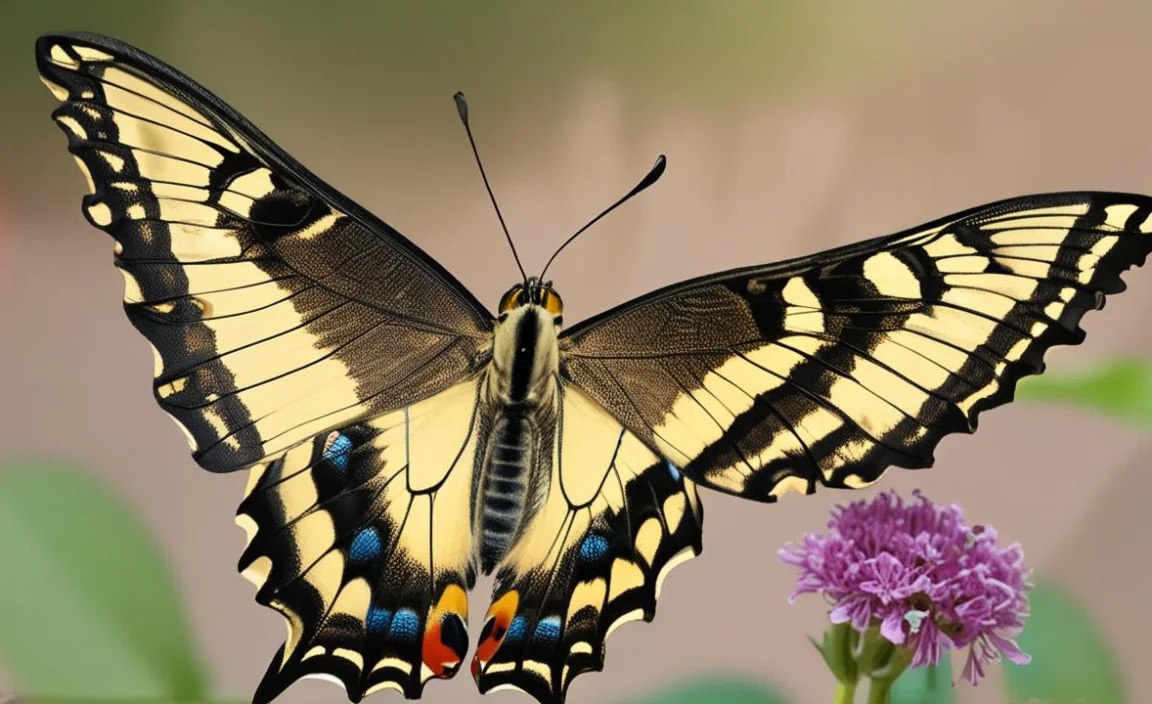
Another important thing to look for is the “tail.” Some butterflies have little extensions on their wings. These look like tails. Giant swallowtails have these tails on their hindwings. The tails are not very long. But they are easy to see. Not all swallowtail butterflies have long tails. Some have short tails, and some have no tails at all. The tails can help the butterfly fly better. They can also distract predators. If a bird tries to grab the tail, the butterfly can escape. So, when you are learning how to identify giant swallowtail butterflies, check for the tail.
- Some butterflies have tails on their wings.
- Giant swallowtails have tails on hindwings.
- The tails are short and easy to see.
- Tails help them fly and escape danger.
- Check for a tail when you look at it.
Think about why butterflies have tails. It is like a trick to fool predators. The bird might go for the tail instead of the body. This gives the butterfly a chance to get away. The tail might also help the butterfly steer while it is flying. It is like a little rudder on a boat. The tails are just one of the many amazing things about butterflies. How to identify giant swallowtail butterflies involves noticing these small details. Each part of the butterfly has a purpose.
Fun Fact or Stat: The “tails” on swallowtail butterflies can help them escape from predators!
Why Are They Called Swallowtails?
The name “swallowtail” comes from the shape of the tails. The tails look like the tails of swallow birds. Swallows are birds with long, forked tails. People thought the butterfly tails looked similar. That is why they called them swallowtails. There are many different kinds of swallowtail butterflies. Some have long tails, and some have short tails. But they all have that basic tail shape. How to identify giant swallowtail butterflies includes knowing where the name comes from.
Do All Swallowtails Have Tails?
No, not all swallowtail butterflies have tails. Some swallowtails have very short tails. Others have no tails at all. The tails can also look different shapes. Some are long and thin. Others are short and wide. The giant swallowtail has a fairly short tail. It is not as long as some other swallowtails. This is one of the things that makes it unique. How to identify giant swallowtail butterflies means knowing what kind of tail to expect.
Can the Tails Grow Back If They Break?
No, butterfly tails cannot grow back if they break. Once a butterfly’s wings are damaged, they cannot repair themselves. This is different from some animals, like lizards, that can regrow their tails. If a butterfly loses part of its tail, it will stay that way for the rest of its life. That is why it is important to be careful when handling butterflies. You do not want to damage their wings. Learning how to identify giant swallowtail butterflies includes respecting their delicate bodies.
Giant Swallowtail Butterfly Habitat

Where do giant swallowtails live? They like warm places. You can find them in the southern United States. They live in states like Florida, Texas, and California. They also live in Mexico and Central America. Giant swallowtails need warm weather to survive. They also need certain kinds of plants to lay their eggs on. These plants are called host plants. Giant swallowtails like citrus trees. They also like other plants in the citrus family. If you live in a warm place with citrus trees, you might see a giant swallowtail. Knowing their habitat helps you know how to identify giant swallowtail butterflies.
- They live in warm places like Florida.
- They also live in Texas and California.
- They like citrus trees to lay eggs.
- They need warm weather to survive.
- Look for them in southern states.
Think about why butterflies need certain plants. The caterpillars eat the leaves of these plants. The mother butterfly lays her eggs on the plant. When the eggs hatch, the caterpillars have food to eat. Different butterflies like different plants. Monarch butterflies like milkweed. Giant swallowtails like citrus. The plants are very important for the butterfly’s life cycle. How to identify giant swallowtail butterflies means knowing what plants they need. It is all connected in nature.
Fun Fact or Stat: Giant Swallowtail butterflies are often found in citrus groves!
Do They Migrate?
Giant swallowtails do not migrate like monarch butterflies. Monarchs fly long distances to find warm weather. Giant swallowtails stay in the same area all year round. They can survive in warm climates. They do not need to move to find food or shelter. This makes them different from many other butterflies. Knowing whether a butterfly migrates can help you identify it. How to identify giant swallowtail butterflies includes knowing they stay in one place.
What Kind of Climate Do They Prefer?
Giant swallowtails prefer warm, humid climates. They like temperatures that are consistently warm. They do not do well in cold weather. That is why they live in the southern United States. They also need plenty of sunshine. Sunshine helps them stay active and find food. A warm climate is essential for their survival. Understanding how to identify giant swallowtail butterflies also means understanding their needs.
Are They Found in Cities or the Country?
Giant swallowtails can be found in both cities and the country. They are often seen in gardens and parks. They also live in citrus groves and forests. As long as there are host plants and warm weather, they can survive. You might see them flying around your neighborhood. Or you might see them in a more natural setting. How to identify giant swallowtail butterflies involves looking in different places.
Giant Swallowtail Caterpillar Identification
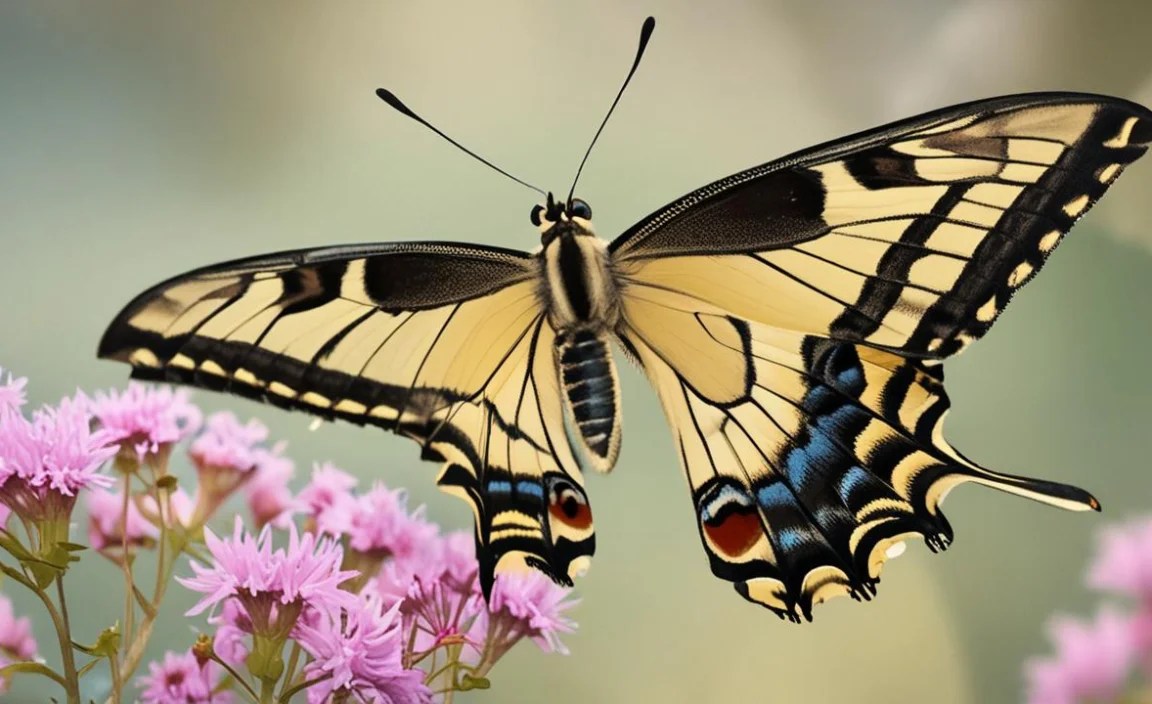
Let’s talk about the caterpillars. Giant swallowtail caterpillars look very different from the butterflies. As we said before, they look like bird poop! This is a clever way to avoid predators. The caterpillars are dark brown and white. They have bumpy skin. They also have a special organ called an osmeterium. This is a forked, orange-colored gland that pops out of their head when they feel threatened. It smells bad to scare away predators. If you see a caterpillar that looks like bird poop, it might be a giant swallowtail. This is a key part of how to identify giant swallowtail butterflies at every stage.
- Caterpillars look like bird droppings.
- They are brown and white with bumpy skin.
- They have an osmeterium to scare predators.
- The osmeterium smells bad to animals.
- Look for them on citrus leaves.
Think about how amazing it is that a caterpillar can look like bird poop. This is called camouflage. Camouflage helps animals hide from predators. It is like wearing a disguise. The caterpillar is trying to trick birds into thinking it is not food. This is a very important survival skill. How to identify giant swallowtail butterflies includes understanding their camouflage. It is a fascinating adaptation.
Fun Fact or Stat: Giant Swallowtail caterpillars mimic bird droppings to avoid being eaten!
What Do They Eat?
Giant swallowtail caterpillars eat the leaves of citrus trees. They also eat other plants in the citrus family. This includes orange, lemon, and lime trees. The caterpillars can eat a lot of leaves. They need to grow big before they become butterflies. If you have citrus trees in your yard, you might find these caterpillars. They can sometimes damage the trees. But they are also a part of nature. Learning how to identify giant swallowtail butterflies includes knowing what they eat.
How Long Do They Stay Caterpillars?
Giant swallowtail caterpillars stay caterpillars for about a month. During this time, they eat a lot and grow bigger. They shed their skin several times as they grow. This is called molting. After about a month, they are ready to turn into a chrysalis. The chrysalis is like a sleeping bag where the caterpillar changes into a butterfly. How to identify giant swallowtail butterflies means knowing how long they spend in each stage.
What Does the Chrysalis Look Like?
The chrysalis of a giant swallowtail is green or brown. It hangs upside down from a branch or leaf. The chrysalis blends in with its surroundings. This helps it hide from predators. Inside the chrysalis, the caterpillar is changing into a butterfly. This process takes about two weeks. Then, the butterfly comes out of the chrysalis. It is a magical transformation. Learning how to identify giant swallowtail butterflies includes knowing what the chrysalis looks like.
Comparing Giant Swallowtail to Other Butterflies
It helps to compare giant swallowtails to other butterflies. This can make it easier to tell them apart. Monarch butterflies are orange and black. Black swallowtails are smaller and have longer tails. Tiger swallowtails have yellow and black stripes, but the pattern is different. Pipevine swallowtails are dark blue or black. By comparing these butterflies, you can learn to recognize the giant swallowtail’s unique features. How to identify giant swallowtail butterflies becomes easier with practice and comparison.
| Butterfly | Size | Color | Tail |
|---|---|---|---|
| Giant Swallowtail | Large (up to 7 inches) | Black and yellow | Short |
| Monarch | Medium (about 4 inches) | Orange and black | None |
| Black Swallowtail | Medium (about 4 inches) | Black and yellow | Long |
| Tiger Swallowtail | Medium (about 4 inches) | Yellow and black stripes | Long |
- Monarchs are orange and black with no tail.
- Black swallowtails are black and have long tails.
- Tiger swallowtails are yellow with stripes.
- Pipevine swallowtails are dark blue or black.
- Compare to learn the differences.
Think about how different each butterfly is. They all have their own special features. These features help them survive in their environment. Some butterflies are brightly colored to attract mates. Others are camouflaged to hide from predators. Each butterfly plays a role in the ecosystem. How to identify giant swallowtail butterflies means appreciating their unique place in nature.
Fun Fact or Stat: There are over 20,000 different species of butterflies in the world!
What Makes Them Unique?
Giant swallowtails are unique because of their size and color. They are the biggest butterflies in North America. Their black and yellow stripes are also very distinctive. The combination of these features makes them easy to recognize. They also have a unique caterpillar that looks like bird poop. All these things together make them special. How to identify giant swallowtail butterflies is about noticing these details.
Which Swallowtails Are Most Similar?
The tiger swallowtail is probably the most similar to the giant swallowtail. Both butterflies have yellow and black stripes. However, the pattern is different. Tiger swallowtails have vertical stripes. Giant swallowtails have horizontal stripes. Also, tiger swallowtails are smaller. By comparing these two butterflies, you can learn to tell them apart. How to identify giant swallowtail butterflies includes knowing their close relatives.
Why Is Comparison Helpful?
Comparison is helpful because it lets you see the differences. When you look at two things side by side, it is easier to notice what makes them unique. This is true for butterflies and many other things. By comparing different types of butterflies, you can learn to identify them more easily. It is like learning a new language. The more you practice, the better you get. How to identify giant swallowtail butterflies is a skill that improves with practice.
Protecting Giant Swallowtail Habitats
We should protect giant swallowtail habitats. These butterflies need places to live and food to eat. We can help by planting citrus trees. We can also avoid using pesticides that can harm them. Protecting their habitats helps ensure they will be around for a long time. It is important to care for these beautiful creatures. How to identify giant swallowtail butterflies is the first step. Then we can take action to help them.
- Plant citrus trees for them to eat.
- Avoid using pesticides in your garden.
- Protect their natural habitats.
- Help them survive and thrive.
- Care about these beautiful creatures.
Think about how our actions affect the environment. Everything is connected. When we use pesticides, we can harm butterflies and other insects. When we destroy habitats, we take away their homes. We need to be mindful of our impact. We can make choices that help protect nature. Even small actions can make a big difference. How to identify giant swallowtail butterflies is a reminder of the beauty we need to protect.
Fun Fact or Stat: Butterflies are important pollinators, helping plants to reproduce!
Why Are Habitats Important?
Habitats are important because they provide food, shelter, and water. Butterflies need these things to survive. If their habitats are destroyed, they will not have a place to live. They will also not have food to eat. This can lead to them dying out. Protecting habitats is essential for protecting butterflies. Learning how to identify giant swallowtail butterflies is part of caring about their future.
How Can We Help?
We can help by planting native plants. Native plants are plants that naturally grow in an area. These plants provide food and shelter for butterflies. We can also avoid using pesticides. Pesticides can harm butterflies and other insects. We can also support organizations that protect habitats. Every little bit helps. How to identify giant swallowtail butterflies is a way to connect with nature.
What Happens If They Disappear?
If giant swallowtails disappear, it would affect the ecosystem. Butterflies are important pollinators. They help plants reproduce. If there are fewer butterflies, there will be fewer plants. This can affect other animals that depend on those plants. Everything in nature is connected. The loss of one species can have a ripple effect. How to identify giant swallowtail butterflies is a way to appreciate their role in nature.
Summary
Giant swallowtail butterflies are amazing creatures. They are the biggest butterflies in North America. They have black and yellow stripes and short tails. Their caterpillars look like bird poop to avoid predators. They live in warm places like Florida and California. How to identify giant swallowtail butterflies involves looking for these features. By learning about them, we can help protect them. We can plant citrus trees and avoid using pesticides. We can also appreciate their beauty and importance in the ecosystem. These butterflies are a treasure to behold.
Conclusion
Learning about butterflies is fun. It helps us appreciate nature. Giant swallowtails are a great example. They are big and beautiful. They have interesting ways to survive. Now you know how to identify giant swallowtail butterflies. Go outside and see if you can find one. Remember to look for the size, patterns, and tail. Protecting their habitats is important. Let’s all do our part to help these butterflies thrive. They make our world a more beautiful place.
Frequently Asked Questions
Question No 1: What is the easiest way to identify a giant swallowtail?
Answer: The easiest way to spot a giant swallowtail is by its size. They are the largest butterflies in North America, with a wingspan up to seven inches. Look for a butterfly that is noticeably bigger than other butterflies you see. Also, check for the black and yellow stripes on its wings. These features will help you quickly identify it. Knowing how to identify giant swallowtail butterflies can start with noticing their size.
Question No 2: What do giant swallowtail caterpillars eat?
Answer: Giant swallowtail caterpillars primarily eat the leaves of citrus trees. This includes orange, lemon, lime, and grapefruit trees. They also eat other plants in the citrus family. If you have citrus trees in your yard, you might find these caterpillars munching on the leaves. Sometimes, they can eat a lot of leaves and cause damage to the trees. However, they are also a part of the natural ecosystem. Learning how to identify giant swallowtail butterflies includes knowing their food source.
Question No 3: Are giant swallowtail butterflies rare?
Answer: Giant swallowtail butterflies are not considered rare. However, their populations can be affected by habitat loss and pesticide use. They are more common in warmer climates where citrus trees grow. In some areas, they might be less frequently seen. This can be due to local environmental factors. Protecting their habitats is important for ensuring they continue to thrive. Understanding how to identify giant swallowtail butterflies helps us appreciate their presence.
Question No 4: Why do giant swallowtail caterpillars look like bird poop?
Answer: Giant swallowtail caterpillars look like bird poop as a form of camouflage. This helps them avoid being eaten by predators like birds. By mimicking bird droppings, they trick predators into thinking they are not a tasty meal. This is a very effective survival strategy. It allows them to grow and eventually transform into beautiful butterflies. This disguise is a key part of how to identify giant swallowtail caterpillars.
Question No 5: Where is the best place to find giant swallowtail butterflies?
Answer: The best place to find giant swallowtail butterflies is in warm climates where citrus trees grow. This includes the southern United States, such as Florida, Texas, and California. They are often seen in gardens, parks, and citrus groves. Look for them flying around flowers or resting on leaves. The presence of citrus trees is a good sign that they might be nearby. Knowing how to identify giant swallowtail butterflies means knowing their favorite spots.
Question No 6: How can I help protect giant swallowtail butterflies?
Answer: There are several ways you can help protect giant swallowtail butterflies. Plant citrus trees in your yard to provide food for their caterpillars. Avoid using pesticides, which can harm or kill them. Support organizations that work to protect butterfly habitats. Educate others about the importance of these beautiful creatures. By taking these steps, you can help ensure they continue to thrive for years to come. Learning how to identify giant swallowtail butterflies is a great first step.


