Best Field Guide: North American Butterflies. Find Yours!

Have you ever seen a butterfly flutter by? They are so pretty and colorful. Butterflies can be hard to tell apart. That is why you might need help. The best field guide north american butterflies can help you learn. It is like a book that shows you all the different kinds.
Field guides have pictures and facts. They tell you what to look for. Using one makes finding butterflies more fun. You can learn their names and where they live. Are you ready to become a butterfly expert?
Key Takeaways
- The best field guide north american butterflies helps identify different species easily.
- Field guides offer detailed pictures and descriptions of butterfly markings.
- Learn about butterfly habitats and where to find them in North America.
- Good field guides include information on butterfly life cycles and food.
- Using a field guide makes butterfly watching more fun and educational.
Finding the Best Field Guide North American Butterflies

Picking the best field guide north american butterflies can feel tricky. Many books show pretty butterfly pictures. Some books have more details than others. Think about what you want to learn. Do you want to know names? Or do you want to know about caterpillars too? A good field guide should be easy to use. It should have clear pictures. It should also have helpful information. Look for a book that fits your needs. Some guides are small enough to carry outside. Others have lots of extra facts for experts. Reading reviews can help you decide. Experts and other kids might share their thoughts. This can help you find a field guide you will love. Happy butterfly hunting!
- Look for clear pictures of butterflies.
- Check if the book is easy to carry.
- Read reviews from other butterfly watchers.
- Think about what you want to learn.
- Choose a guide with helpful details.
When you start looking at guides, compare them. See which one seems easiest for you. Some guides use colors to help you find butterflies. Others use the shape of the wings. The best field guide north american butterflies will make you excited to learn. It will make you want to go outside and find them. Some field guides also have information about butterfly gardens. These gardens attract butterflies. You can plant flowers that butterflies like to eat. This helps butterflies and makes your yard pretty. So, choose carefully and have fun!
What Makes a Good Butterfly Guide?
Have you ever tried to describe something you saw? It can be hard to find the right words. The best field guide north american butterflies uses clear words. It helps you know what to look for. A good guide has pictures that look like real butterflies. The colors should be right. The patterns should be easy to see. It also tells you where to find each butterfly. Does it live in the forest? Or does it like sunny fields? Some guides even tell you when the butterflies fly. Do they come out in the spring? Or do you see them in the summer? All of these things make a field guide great.
Paperback or Digital: Which Is Best?
Imagine you are going on a hike. You want to bring a butterfly guide. Should you bring a book? Or should you use your tablet? A book does not need batteries. You can use it anywhere. But it can be heavy to carry. A tablet can hold many guides. It can also show you videos. But what if it rains? Or what if the battery dies? Some apps can use GPS. This helps you find butterflies near you. Think about where you will be. Also, think about how you like to learn. This will help you pick the right guide.
Why Are Butterfly Guides Important?
Long ago, people did not know much about butterflies. They saw them flying around. But they did not know their names. They did not know where they came from. Butterfly guides helped people learn. They helped people understand nature. Today, butterflies are in trouble. Their homes are disappearing. The weather is changing. By learning about butterflies, we can help them. We can protect their homes. We can plant flowers they need. Butterfly guides help us care for these beautiful creatures. So, they are very important tools.
Fun Fact or Stat: Over 750 butterfly species live in North America!
Important Features for Field Identification
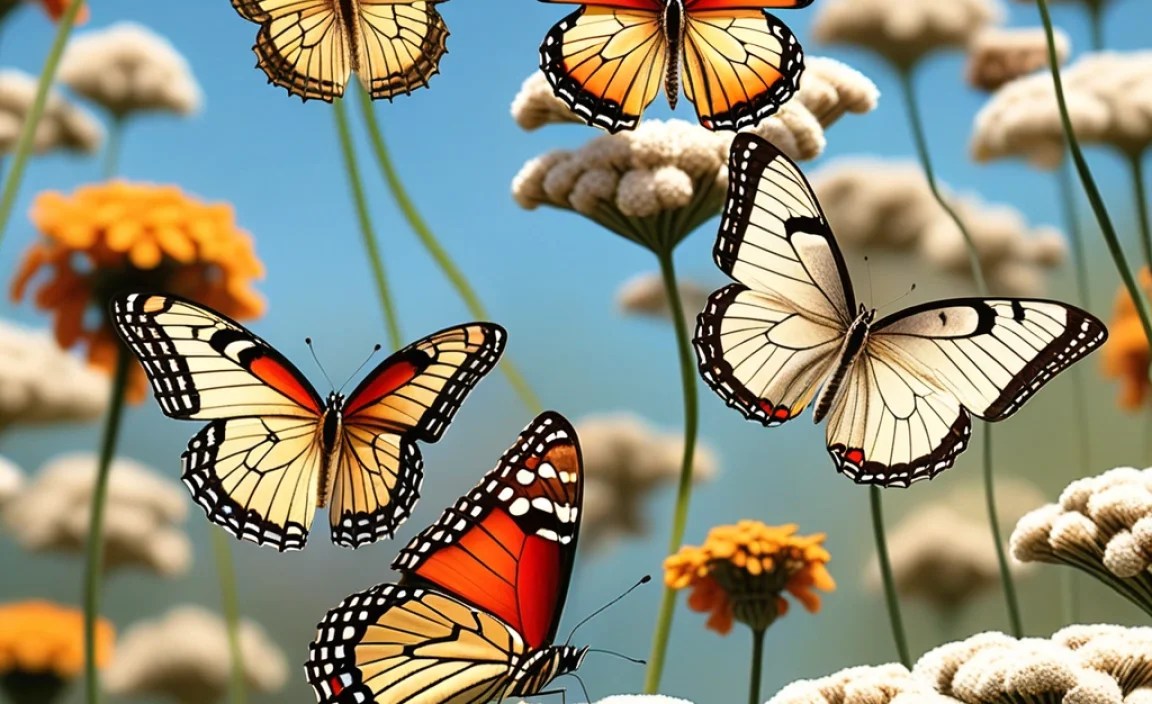
Have you ever tried to tell two things apart that look alike? It can be tough! The best field guide north american butterflies gives you clues. These clues help you identify butterflies. One important feature is color. Look closely at the wings. What colors do you see? Another feature is size. Is it a big butterfly or a small one? Wing shape is also important. Are the wings round or pointy? Some butterflies have tails on their wings. Field guides show you these details. They also tell you about markings. Do you see spots, stripes, or bands? By looking at these features, you can name the butterfly. It is like being a detective!
- Check the color of the butterfly’s wings.
- Note the size of the butterfly.
- Look at the shape of the wings.
- See if there are any tails.
- Identify any spots or stripes.
- Consider any unique markings.
Using these features takes practice. At first, it might seem hard. But keep looking at butterflies. Compare them to the pictures in your guide. Soon, you will become a butterfly expert. Some field guides have special keys. These keys ask you questions. Does the butterfly have blue wings? Does it have a tail? By answering the questions, you can find the name. These keys are very helpful for beginners. The best field guide north american butterflies also tells you where the butterfly lives. This can help you narrow down the choices. If you are in the desert, you won’t find butterflies that live in the forest.
How Do Markings Help Identify Butterflies?
Imagine butterflies are wearing special outfits. Each outfit has different patterns. These patterns are called markings. Some butterflies have spots like polka dots. Others have stripes like a zebra. Some have bands of color. These markings help us tell them apart. The best field guide north american butterflies shows these markings clearly. It explains what they mean. For example, the Monarch butterfly has orange wings with black lines. It also has white spots around the edges. These markings warn birds that it tastes bad. Other butterflies copy these markings to stay safe. So, markings are very important for butterflies.
Why Is Size Important for Identification?
Think about a tiny ant and a big elephant. They are very different in size. Butterflies are also different sizes. Some are as small as your fingernail. Others are as big as your hand. Size can help you identify them. The best field guide north american butterflies tells you the size of each butterfly. It might say the wingspan is two inches. That means the butterfly is two inches wide when its wings are open. If you see a very small butterfly, you know it is not a big one. Size is a simple way to narrow down your choices.
What Is Wingspan and How to Measure It?
Wingspan is how wide a butterfly is. You measure it from one wingtip to the other. Imagine the butterfly is an airplane. The wingspan is like the length of the airplane’s wings. You can use a ruler to measure wingspan. But you have to be careful. Butterflies are fragile. You don’t want to hurt them. The best field guide north american butterflies tells you the wingspan of each butterfly. You don’t have to measure it yourself. But knowing what wingspan means helps you understand the guide.
Fun Fact or Stat: The Queen Alexandra’s birdwing is the largest butterfly. Its wingspan can reach almost 12 inches!
Understanding Butterfly Habitats

Where do butterflies live? They don’t live everywhere. Some like forests. Others like meadows. The place where a butterfly lives is its habitat. The best field guide north american butterflies tells you about habitats. It helps you find butterflies. For example, the Monarch butterfly likes open fields. It needs milkweed plants to lay its eggs. If you want to see a Monarch, look for milkweed. The Swallowtail butterfly likes forests and gardens. It feeds on many different flowers. Knowing the habitat helps you find the right butterflies. It is like knowing where to find hidden treasure!
- Learn about the butterfly’s habitat.
- Look for specific plants they need.
- Visit different places to find different butterflies.
- Check for butterflies in gardens and fields.
- Explore forests and meadows.
- Know what to search for in each habitat.
Habitats can change over time. Forests can be cut down. Fields can be turned into houses. This hurts butterflies. They lose their homes. That is why it is important to protect habitats. You can help by planting native flowers. Native flowers are plants that grow naturally in your area. Butterflies like these flowers. You can also avoid using pesticides. Pesticides can kill butterflies and other insects. The best field guide north american butterflies might tell you how to help. It might give you ideas for protecting habitats. Every little bit helps!
Why Are Habitats Important for Butterflies?
Imagine your home is gone. Where would you live? What would you eat? Butterflies need their habitats to survive. Habitats give them food. They give them shelter. They give them places to lay eggs. Without habitats, butterflies cannot live. The best field guide north american butterflies explains this. It shows you how important it is to protect these places. When we protect habitats, we help butterflies. We also help other animals and plants. Everything in nature is connected.
How Do Different Habitats Affect Butterflies?
Butterflies that live in the desert are different from butterflies that live in the forest. Desert butterflies need to be able to handle the heat. They might be lighter in color to reflect the sun. Forest butterflies need to be able to hide in the shadows. They might be darker in color. The food that butterflies eat also depends on the habitat. Desert butterflies eat desert plants. Forest butterflies eat forest plants. The best field guide north american butterflies tells you about these differences. It helps you understand how amazing nature is.
What Can We Do to Protect Butterfly Habitats?
We can do many things to help butterflies. We can plant native flowers in our yards. We can avoid using pesticides. We can support organizations that protect habitats. We can also educate others about butterflies. The best field guide north american butterflies can help us learn. It can inspire us to take action. Even small things can make a big difference. Every time you plant a flower, you are helping a butterfly. Every time you talk about butterflies, you are raising awareness.
Fun Fact or Stat: Some butterflies migrate thousands of miles each year to find suitable habitats!
Life Cycle Information in Butterfly Guides
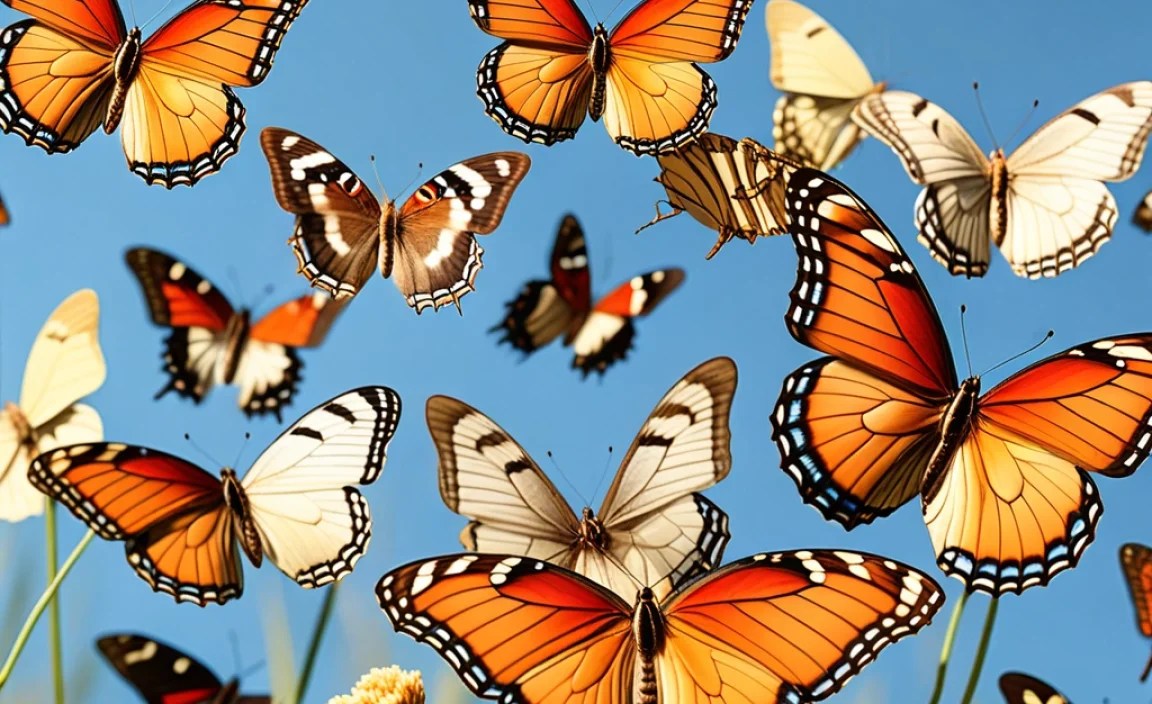
Did you know that butterflies start as caterpillars? It is true! Butterflies go through a big change. This change is called metamorphosis. They start as eggs. Then they become caterpillars. Then they turn into pupas. Finally, they become butterflies. The best field guide north american butterflies tells you about this life cycle. It shows you pictures of each stage. It helps you understand how butterflies grow. It is like reading a story about a magical transformation!
- Learn about the four stages of a butterfly’s life.
- See pictures of eggs, caterpillars, pupas, and butterflies.
- Understand how butterflies change over time.
- Find out what caterpillars eat.
- Discover how long each stage lasts.
- Learn about butterfly migration.
Understanding the life cycle helps you find butterflies. If you want to see a caterpillar, look for its favorite plant. If you want to see a pupa, look on branches and leaves. If you want to see a butterfly, look for flowers. The best field guide north american butterflies will give you clues. It will help you become a butterfly detective. You can follow the clues and find amazing creatures. Learning about the life cycle makes butterfly watching even more fun.
What Are the Four Stages of a Butterfly’s Life?
The four stages are egg, caterpillar, pupa, and butterfly. First, the butterfly lays an egg. The egg is usually on a leaf. Then, the egg hatches into a caterpillar. The caterpillar eats and grows. It sheds its skin many times. Next, the caterpillar turns into a pupa. The pupa is also called a chrysalis. It is like a sleeping bag. Inside the pupa, the butterfly is changing. Finally, the pupa opens and the butterfly comes out. The best field guide north american butterflies explains each stage in detail.
How Do Caterpillars Transform into Butterflies?
The transformation is amazing. Inside the pupa, the caterpillar’s body breaks down. Then, it rebuilds itself into a butterfly. New wings grow. New legs form. New eyes develop. It is like magic. But it is real science. The best field guide north american butterflies might have diagrams. These diagrams show you how it works. It is one of the most amazing things in nature.
Why Is Milkweed Important for Monarchs?
Monarch butterflies need milkweed to survive. Monarch caterpillars only eat milkweed. Milkweed has a special poison. The poison does not hurt the caterpillars. But it makes them taste bad to birds. This protects them from being eaten. When the caterpillar turns into a butterfly, it still has the poison. The best field guide north american butterflies will tell you about this special relationship. If you want to help Monarchs, plant milkweed in your yard.
Fun Fact or Stat: A caterpillar can eat so much that it increases its weight by thousands of times!
Butterfly Behavior and Ecology
Butterflies do more than just fly around. They have special behaviors. They also play a role in nature. This is called ecology. The best field guide north american butterflies tells you about these things. Some butterflies like to gather together. This is called puddling. They drink water and get minerals. Other butterflies are very territorial. They chase away other butterflies. Butterflies also help plants. They carry pollen from flower to flower. This helps plants make seeds. Learning about behavior and ecology makes butterfly watching more interesting.
- Learn about butterfly feeding habits.
- Discover how butterflies find mates.
- Understand how butterflies avoid predators.
- Find out about butterfly migration patterns.
- Learn about butterfly social behavior.
- See how butterflies interact with their environment.
Butterflies are important to the environment. They are food for birds and other animals. They also help plants reproduce. If butterflies disappeared, it would hurt the whole ecosystem. The best field guide north american butterflies helps you understand this. It teaches you why it is important to protect butterflies. It also shows you how you can help. You can learn about butterfly gardens. You can learn about conservation efforts. Every action makes a difference.
What Is Puddling Behavior in Butterflies?
Puddling is when butterflies gather around puddles of water. They drink the water. But they are not just thirsty. The water has minerals and salts. These minerals help them grow and reproduce. Male butterflies often puddle more than females. They need the minerals to make sperm. The best field guide north american butterflies might show you pictures of puddling butterflies. It is a cool thing to see in nature.
How Do Butterflies Attract Mates?
Butterflies use different ways to attract mates. Some use bright colors. The males might have special patterns on their wings. Others use scents. They release chemicals called pheromones. These pheromones attract females. Some butterflies do dances. They fly around each other in special patterns. The best field guide north american butterflies might tell you about these courtship rituals. It is like watching a butterfly love story.
What Role Do Butterflies Play in Pollination?
Butterflies are pollinators. They carry pollen from flower to flower. Pollen is needed for plants to make seeds. When a butterfly lands on a flower, pollen sticks to its body. When it flies to another flower, some of the pollen rubs off. This helps the plant reproduce. Butterflies are not as important as bees for pollination. But they still play a role. The best field guide north american butterflies helps you understand this. It shows you how everything in nature is connected.
Fun Fact or Stat: Some butterflies can taste with their feet!
Comparing Different Field Guides
There are many butterfly field guides. How do you choose the right one? It can be hard to decide. Some guides are big and heavy. Others are small and light. Some have lots of pictures. Others have more text. The best field guide north american butterflies for you depends on your needs. Think about what you want to learn. Think about where you will be using the guide. Read reviews from other butterfly watchers. This can help you find the perfect guide.
| Guide Name | Pros | Cons | Best For |
|---|---|---|---|
| National Audubon Society Field Guide to North American Butterflies | Comprehensive, good photos | Heavy, lots of detail | Serious butterfly enthusiasts |
| Butterflies of North America (Kaufman Field Guides) | Easy to use, good for beginners | Fewer species covered | Beginners and casual observers |
| Peterson Field Guide to Eastern Butterflies | Detailed illustrations, range maps | Can be overwhelming for beginners | Intermediate butterfly watchers |
| Swift Guide to Butterflies of North America | Up-to-date, range maps, lots of info | Bit bulky for the field | Advanced butterfly enthusiasts |
- Consider the size and weight of the guide.
- Look at the quality of the pictures.
- Read reviews from other users.
- Think about your level of expertise.
- Check if the guide covers your region.
- See if it has information you need.
Some field guides focus on specific regions. For example, there might be a guide to butterflies of California. Or a guide to butterflies of Florida. These guides will have more details about the butterflies in that area. The best field guide north american butterflies might be a regional guide. It depends on where you live and where you plan to go butterfly watching. Also, consider the price. Some guides are more expensive than others. But a more expensive guide is not always better. Choose the one that fits your needs and your budget.
What Are the Key Differences Between Guides?
Some guides use photographs. Others use illustrations. Photographs show you what the butterfly looks like in real life. Illustrations can highlight important details. Some guides have range maps. These maps show you where the butterfly lives. Other guides have information about host plants. Host plants are the plants that caterpillars eat. The best field guide north american butterflies will have the features that are most important to you.
Which Guide Is Best for Beginners?
If you are a beginner, look for a guide that is easy to use. It should have clear pictures and simple language. It should not be too overwhelming. A smaller guide might be better. You don’t want to carry a heavy book around. The best field guide north american butterflies for beginners will help you learn the basics. It will make you excited to keep exploring.
What Should Advanced Butterfly Watchers Look For?
If you are an advanced butterfly watcher, you might want a more detailed guide. It should have information about rare species. It should have detailed descriptions of markings. It should have information about behavior and ecology. The best field guide north american butterflies for advanced watchers will challenge you. It will help you learn even more about these amazing creatures.
Fun Fact or Stat: Some field guides now have apps that can help you identify butterflies using your smartphone!
Summary
Butterflies are beautiful and interesting creatures. Learning about them can be a lot of fun. The best field guide north american butterflies can help you identify different species. It can teach you about their life cycles and habitats. When choosing a field guide, consider your needs and level of expertise. Look for clear pictures, helpful information, and easy-to-use features. A good field guide will make butterfly watching more enjoyable and educational.
Remember to respect butterflies and their habitats. Avoid using pesticides and plant native flowers. By learning about butterflies, you can help protect them. Every little bit makes a difference. So, grab a field guide and start exploring the world of butterflies!
Conclusion
Butterflies are amazing. They flutter around and make the world prettier. Learning about them is fun. The best field guide north american butterflies can help you. It gives you the tools to identify them. It shows you where they live. It teaches you how they grow. So, go outside and start looking for butterflies. Enjoy the beauty of nature. Protect these wonderful creatures.
Frequently Asked Questions
Question No 1: What is a field guide for butterflies?
Answer: A field guide is like a book that helps you identify butterflies. It has pictures and descriptions of different kinds of butterflies. It tells you what to look for. It might tell you where they live. The best field guide north american butterflies will be easy to use. It will help you learn about these amazing creatures. You can take it with you when you go outside. You can use it to identify butterflies you see.
Question No 2: How do I use a butterfly field guide?
Answer: First, look at the butterfly you want to identify. Notice its colors and patterns. Look at its size and shape. Then, open your field guide. Look for pictures that look like your butterfly. Read the descriptions to see if they match. The best field guide north american butterflies will have clear pictures and helpful descriptions. It will also tell you where the butterfly lives. This can help you narrow down your choices. Keep practicing and you will become an expert!
Question No 3: What should I look for in a butterfly field guide?
Answer: Look for clear pictures. The pictures should look like real butterflies. Look for helpful descriptions. The descriptions should tell you about the butterfly’s colors, patterns, and size. Look for information about the butterfly’s habitat. Where does it live? Look for information about its life cycle. How does it grow? The best field guide north american butterflies will have all of these things. It will be easy to use and fun to read.
Question No 4: Are there different field guides for different regions?
Answer: Yes, there are. Some field guides cover all of North America. Others focus on specific regions. For example, there might be a guide to butterflies of California. Or a guide to butterflies of Florida. These guides will have more details about the butterflies in that area. If you live in a specific region, a regional guide might be the best field guide north american butterflies for you. It will have more information about the butterflies you are likely to see.
Question No 5: Can I use a smartphone app instead of a field guide?
Answer: Yes, you can. There are many butterfly identification apps. These apps can be very helpful. You can take a picture of a butterfly with your phone. The app will try to identify it. Some apps use GPS to tell you what butterflies live near you. However, apps are not always perfect. They might not be able to identify every butterfly. A good field guide can be more reliable. Some people like to use both a field guide and an app.
Question No 6: How can I help butterflies?
Answer: There are many things you can do. Plant native flowers in your yard. Butterflies like these flowers. Avoid using pesticides. Pesticides can kill butterflies and other insects. Protect butterfly habitats. Support organizations that protect nature. Educate others about butterflies. Tell your friends and family how important they are. Even small actions can make a big difference. The best field guide north american butterflies can teach you more about how to help.