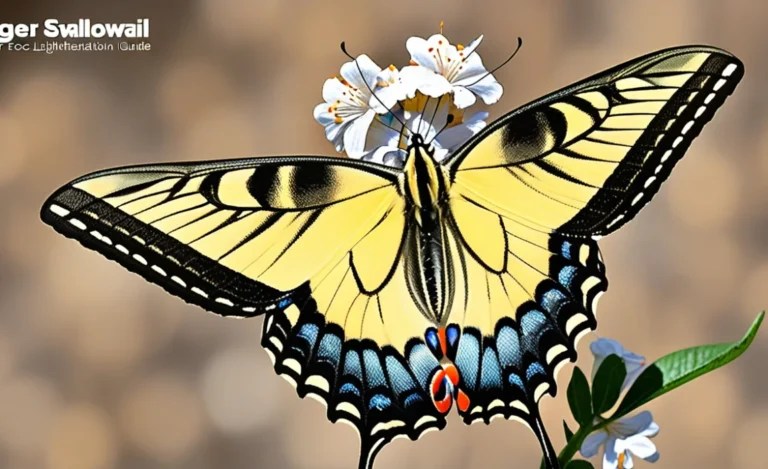
Symbiotic Butterfly Species: Discover Nature’s Secrets

Symbiotic relationships in butterflies involve mutually beneficial interactions with other organisms like plants, ants, and even fungi. These partnerships provide butterflies with food, protection, and assistance in crucial life stages, while the other organisms often benefit from pollination, seed dispersal, or protection from pests.
Have you ever wondered how butterflies manage to thrive in such diverse environments? The secret lies in their fascinating relationships with other living things! Sometimes, it seems like nature has a way of creating the most unexpected friendships. Butterflies, those delicate creatures we all adore, are often involved in some amazing symbiotic partnerships. These aren’t just casual encounters; they’re deep-rooted relationships that help both the butterfly and its partner survive and flourish.
In this article, we’ll explore the enchanting world of symbiotic butterfly species. We’ll discover how these partnerships work, who the key players are, and why they’re so vital for the health of our ecosystems. Get ready to be amazed by the intricate web of life that connects these beautiful insects to the world around them!
Frequently Asked Questions About Symbiotic Butterfly Species
Here are some of the most common questions people ask about symbiotic relationships involving butterflies:
What exactly is a symbiotic relationship?
A symbiotic relationship is a close and long-term interaction between two different species. This interaction can be mutually beneficial (both species benefit), commensal (one benefits, and the other is unaffected), or parasitic (one benefits at the expense of the other). In the context of butterflies, we’re primarily interested in the mutually beneficial relationships.
Why do butterflies need symbiotic relationships?
Butterflies, particularly in their larval stage (caterpillars), often rely on specific host plants for food. These relationships can evolve into more complex symbiotic interactions, where the butterfly might also receive protection from predators or assistance in nutrient acquisition. These relationships enhance their survival and reproductive success.
Which plants do butterflies have symbiotic relationships with?
Many butterflies have specific relationships with their host plants. For example, Monarch butterflies depend on milkweed plants for their caterpillars to feed on. Other plants, like legumes, can host butterflies that benefit from the nutrients the plant provides, and in return, the butterfly might aid in pollination.
How do ants help butterflies?
Certain butterfly caterpillars secrete a sugary substance that ants love. In return for this honeydew, the ants protect the caterpillars from predators like wasps and other insects. This is a classic example of mutualism, where both species benefit from the interaction.
Are symbiotic relationships important for conservation?
Yes, absolutely! Understanding these relationships is crucial for conservation efforts. If a butterfly species depends on a specific host plant or ant species, protecting those partners is essential for the butterfly’s survival. Habitat preservation and restoration efforts should consider these symbiotic links.
Can I create a symbiotic environment in my garden?
You certainly can! By planting native host plants for butterflies and avoiding the use of pesticides, you can create a garden that supports these symbiotic relationships. Encouraging ant populations (without letting them become pests) can also benefit certain butterfly species.
What happens if a symbiotic relationship is disrupted?
Disrupting a symbiotic relationship can have serious consequences for both species involved. For example, if the host plant of a butterfly is destroyed, the butterfly population can decline. Similarly, if the ant species that protects a caterpillar is eliminated, the caterpillar becomes more vulnerable to predators.
Understanding Symbiosis
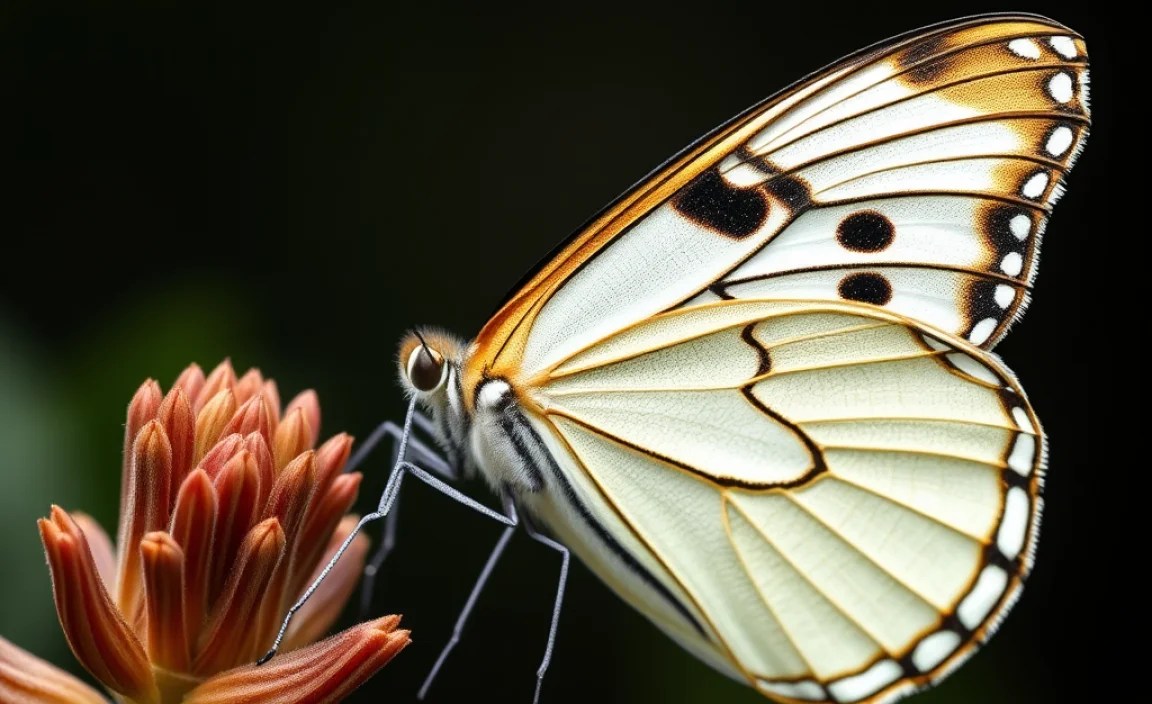
Symbiosis, at its core, is about living together. It’s a biological interaction where two or more organisms live in close proximity. These relationships can take many forms, but for butterflies, we’re particularly interested in those that are mutually beneficial. It’s like having a best friend who always has your back, and you have theirs!
Think of it this way: A butterfly caterpillar munches on a plant, but that’s just the beginning. The plant might offer more than just food; it could provide shelter or even a chemical defense against predators. In return, the butterfly might pollinate the plant or help disperse its seeds. It’s a win-win situation, a partnership forged in the crucible of evolution.
Types of Symbiotic Relationships
There are several types of symbiotic relationships, but the main ones include:
- Mutualism: Both species benefit.
- Commensalism: One species benefits, and the other is neither harmed nor helped.
- Parasitism: One species benefits at the expense of the other.
For butterflies, mutualism is the most common and fascinating. Let’s dive into some specific examples.
Mutualistic Relationships of Butterflies

Mutualism is where the magic happens. It’s the ultimate “you scratch my back, I’ll scratch yours” scenario. Butterflies engage in several types of mutualistic relationships, each playing a crucial role in their survival and the health of their ecosystems.
Butterfly-Plant Interactions
The most well-known butterfly symbiosis is with plants. Butterflies, in their caterpillar stage, are often very picky eaters, relying on specific host plants for sustenance. These relationships can be incredibly specialized. For example, the Monarch butterfly (Danaus plexippus) exclusively lays its eggs on milkweed plants (Asclepias spp.). The caterpillars then feed on the milkweed leaves, which contain toxins that make the caterpillars (and later, the butterflies) unpalatable to predators.
In return for providing food and protection, butterflies often pollinate the plants they visit. While not all butterflies are efficient pollinators (some are just nectar robbers, taking the nectar without transferring pollen), many species do play a vital role in plant reproduction. They flit from flower to flower, carrying pollen on their bodies, ensuring the plants can produce seeds and continue their lifecycle.
Examples of Butterfly-Plant Mutualism
| Butterfly Species | Host Plant | Benefit to Butterfly | Benefit to Plant |
|---|---|---|---|
| Monarch Butterfly | Milkweed | Food and protection from predators | Pollination (incidental) |
| Pipevine Swallowtail | Pipevine | Food and protection (caterpillars ingest toxins) | Pollination (incidental) |
| Karner Blue Butterfly | Wild Lupine | Food and habitat for larvae | Pollination (incidental) |
Butterfly-Ant Interactions (Myrmecophily)
Now, this is where things get really interesting. Some butterflies have developed intricate relationships with ants, a phenomenon known as myrmecophily (ant-loving). These relationships can be incredibly complex and involve chemical signals, specialized organs, and even manipulation on the part of the butterfly.
Many butterfly caterpillars possess a special organ called the dorsal nectary organ (DNO), which secretes a sugary substance called honeydew. Ants are highly attracted to this honeydew and will protect the caterpillars from predators in exchange for this sweet treat. It’s like having a tiny army of bodyguards!
But the relationship doesn’t end there. Some caterpillars also produce acoustic signals, vibrations that communicate with the ants. These signals can attract ants from a distance or even manipulate their behavior. In some cases, the caterpillars can mimic the sounds of ant brood, tricking the ants into carrying them back to their nest for protection.
The benefits to the butterfly are clear: protection from predators, access to resources, and even transportation. But what do the ants get out of it? Besides the honeydew, some ants may also consume waste products from the caterpillars, keeping their environment clean. In some cases, the presence of the caterpillars may even benefit the ant colony by attracting other insects that the ants can prey upon.
Examples of Butterfly-Ant Mutualism
| Butterfly Species | Ant Species | Benefit to Butterfly | Benefit to Ant |
|---|---|---|---|
| Lycaenidae (various species) | Various ant species | Protection from predators, transportation | Honeydew secretion, waste consumption |
| Acacia Blue Butterfly | Crematogaster ants | Protection within ant nests | Nutrient-rich secretions |
| Large Blue Butterfly | Myrmica sabuleti ants | Caterpillars are carried into ant nests and fed by the ants | Predation on other ant larvae |
Butterfly-Fungi Interactions
While less common and less studied, some butterflies also engage in symbiotic relationships with fungi. These relationships are often more indirect, involving the butterfly, the plant, and the fungus in a three-way interaction.
For example, some plants form mycorrhizal associations with fungi, where the fungi help the plant absorb nutrients from the soil. Butterflies that feed on these plants may indirectly benefit from the fungus’s presence. In some cases, the fungi may also produce compounds that deter herbivores, further protecting the plant and indirectly benefiting the butterfly.
Research into butterfly-fungi interactions is still in its early stages, but it’s clear that these relationships play a more significant role in butterfly ecology than previously thought. As we continue to explore the hidden connections in nature, we’re sure to uncover even more fascinating examples of butterfly symbiosis.
Specific Examples of Symbiotic Butterfly Species

Let’s take a closer look at some specific butterfly species and their symbiotic relationships:
The Karner Blue Butterfly (Lycaeides melissa samuelis)
The Karner Blue is a federally endangered butterfly that relies almost exclusively on wild lupine (Lupinus perennis) as its host plant. The caterpillars feed on the lupine leaves, and the butterfly lays its eggs on or near the plant. The survival of the Karner Blue is directly tied to the availability of wild lupine, making habitat preservation crucial for its conservation.
In addition to its relationship with lupine, the Karner Blue also engages in myrmecophily. The caterpillars secrete honeydew, which attracts ants that protect them from predators. This two-way symbiosis highlights the complex ecological interactions that support this endangered species.
The Large Blue Butterfly (Phengaris arion)
The Large Blue butterfly has one of the most complex and fascinating symbiotic relationships in the insect world. The caterpillars initially feed on the flowers of wild thyme (Thymus serpyllum) but then undergo a remarkable transformation. After a few weeks, they drop to the ground and wait to be discovered by Myrmica sabuleti ants.
The caterpillars mimic the scent and sound of ant larvae, tricking the ants into carrying them back to their nest. Once inside the nest, the caterpillars become predators, feeding on ant larvae. This parasitic phase lasts for about two years, during which the caterpillar grows significantly. Eventually, the caterpillar pupates, and the adult butterfly emerges from the ant nest.
This intricate relationship highlights the delicate balance of nature and the importance of understanding the complex interactions between species. The Large Blue butterfly’s survival depends on the presence of both wild thyme and Myrmica sabuleti ants, making it a vulnerable species in fragmented habitats.
The Acacia Blue Butterfly (Azanus jesous)
The Acacia Blue butterfly has a close relationship with acacia trees and Crematogaster ants. The caterpillars feed on acacia leaves and flowers, and the ants protect them from predators. The ants also nest within the acacia trees, creating a mutualistic relationship where both species benefit.
The caterpillars secrete a sugary substance that the ants feed on, and in return, the ants provide constant protection. This relationship is so strong that the caterpillars are often found within the ant nests, safe from harm. The Acacia Blue butterfly is a perfect example of how symbiosis can lead to highly specialized and mutually beneficial relationships.
The Ecological Importance of Symbiotic Relationships

Symbiotic relationships are not just interesting quirks of nature; they play a vital role in maintaining the health and stability of ecosystems. These interactions can influence population dynamics, community structure, and even ecosystem processes.
For example, the relationship between butterflies and their host plants can affect plant distribution and abundance. Butterflies that are specialized on a particular host plant can help regulate its population, preventing it from becoming too dominant. In turn, the availability of the host plant can influence the butterfly population, creating a feedback loop that maintains balance within the ecosystem.
Myrmecophily can also have significant ecological effects. Ants are important predators and scavengers, and their presence can influence the abundance of other insects and invertebrates. By protecting butterfly caterpillars, ants can indirectly affect the populations of other herbivores and predators in the ecosystem.
Furthermore, symbiotic relationships can enhance ecosystem resilience, making ecosystems more resistant to disturbances such as climate change and habitat loss. By diversifying the interactions between species, symbiosis can create a more complex and interconnected web of life, making the ecosystem more stable and adaptable.
Conserving Symbiotic Butterfly Species

Conserving symbiotic butterfly species requires a holistic approach that considers the needs of all the species involved in the relationship. This means protecting not only the butterflies themselves but also their host plants, ant partners, and the habitats they depend on.
Here are some key strategies for conserving symbiotic butterfly species:
- Habitat Preservation: Protecting and restoring natural habitats is crucial for providing butterflies with the resources they need to survive. This includes preserving forests, grasslands, and wetlands, as well as creating corridors that connect fragmented habitats.
- Host Plant Conservation: Ensuring the availability of host plants is essential for butterfly survival. This can involve planting native host plants in gardens and parks, as well as managing natural areas to promote host plant growth.
- Ant Conservation: Protecting ant populations is important for butterfly species that engage in myrmecophily. This can involve avoiding the use of pesticides that harm ants and creating habitats that support ant colonies.
- Climate Change Mitigation: Climate change can disrupt symbiotic relationships by altering the timing of life cycles and shifting species distributions. Reducing greenhouse gas emissions and adapting to the impacts of climate change are essential for conserving symbiotic butterfly species.
- Education and Outreach: Raising awareness about the importance of symbiotic relationships is crucial for promoting conservation efforts. This can involve educating the public about the ecological roles of butterflies and their partners, as well as encouraging them to take actions to protect these species.
How to Attract Symbiotic Butterfly Species to Your Garden
Creating a butterfly-friendly garden is a great way to support symbiotic butterfly species and enjoy their beauty up close. Here are some tips for attracting these fascinating creatures to your backyard:
- Plant Native Host Plants: Choose native host plants that are specific to the butterfly species you want to attract. For example, if you want to attract Monarch butterflies, plant milkweed. If you want to attract Pipevine Swallowtails, plant pipevine.
- Provide Nectar Sources: Plant a variety of nectar-rich flowers that bloom throughout the growing season. Choose flowers with different colors and shapes to attract a wide range of butterfly species.
- Avoid Pesticides: Pesticides can harm butterflies and their symbiotic partners. Avoid using pesticides in your garden, or choose organic alternatives that are less harmful to beneficial insects.
- Provide Water: Butterflies need water to survive. Provide a shallow dish of water with pebbles or stones for them to land on.
- Create Shelter: Butterflies need shelter from the elements. Plant trees and shrubs to provide shade and protection from wind.
- Encourage Ants (Responsibly): If you want to attract butterfly species that engage in myrmecophily, encourage ant populations in your garden. Avoid using ant traps or pesticides that harm ants.
Further Research and Resources
Want to learn more about symbiotic butterfly species? Here are some resources to explore:
- The Xerces Society: A non-profit organization that protects wildlife through the conservation of invertebrates and their habitats.
- The Butterfly Conservation Society: A UK-based charity dedicated to saving butterflies, moths, and their habitats.
- Local Native Plant Societies: These societies can provide information on native host plants and how to create butterfly-friendly gardens in your area.
- Scientific Journals: Search for articles on butterfly ecology and symbiosis in scientific journals such as “Ecology,” “Evolution,” and “Oecologia.”
Conclusion
The world of symbiotic butterfly species is a testament to the intricate and interconnected nature of life on Earth. These fascinating relationships highlight the importance of biodiversity and the need to protect not only individual species but also the complex ecological interactions that support them.
By understanding and appreciating these symbiotic relationships, we can become better stewards of our planet and work towards a future where butterflies and all their partners continue to thrive. So, go out there, explore the natural world, and marvel at the amazing connections that bind us all together. As you wander through gardens and meadows, keep an eye out for these tiny miracles of nature, and remember that every butterfly tells a story of partnership, resilience, and the beauty of symbiosis.