
Swallowtail Butterfly Life Cycle Stages: Easy Guide

The swallowtail butterfly life cycle includes four distinct stages: egg, larva (caterpillar), pupa (chrysalis), and adult. Each stage plays a vital role in the butterfly’s development, with unique characteristics and behaviors. Understanding these stages helps you appreciate the butterfly’s transformation and support its conservation.
Have you ever watched a butterfly flit through your garden and wondered about its incredible journey? It’s amazing how these delicate creatures transform from tiny eggs into colorful, winged adults. Understanding the swallowtail butterfly life cycle isn’t just fascinating—it’s key to helping them thrive. Many gardeners and nature lovers find it tricky to identify each stage and provide the right support. But don’t worry! I’ll walk you through each phase, so you can easily recognize and nurture these beautiful butterflies.
In this guide, you’ll learn how to spot swallowtail eggs, identify different caterpillar instars, recognize the chrysalis, and understand the needs of adult butterflies. Let’s dive in and uncover the secrets of the swallowtail’s life cycle together!
Frequently Asked Questions About Swallowtail Butterflies
What do swallowtail caterpillars eat?
Swallowtail caterpillars have specific host plants. For example, Black Swallowtails love plants in the carrot family like dill, parsley, and fennel.
How long does it take for a swallowtail egg to hatch?
Swallowtail eggs typically hatch in about 3 to 7 days, depending on the temperature and species.
How can I protect swallowtail caterpillars in my garden?
Avoid using pesticides, plant host plants, and consider using netting to protect caterpillars from predators.
What does a swallowtail chrysalis look like?
A swallowtail chrysalis is usually green or brown and blends in with its surroundings. It’s often attached to a stem or leaf.
How long does a swallowtail stay in the chrysalis stage?
The pupa stage lasts from a few weeks to two years, depending on the species and environmental conditions.
How do I attract swallowtail butterflies to my garden?
Plant host plants for caterpillars and nectar-rich flowers for adult butterflies. Provide a water source and avoid pesticides.
What is the lifespan of an adult swallowtail butterfly?
Adult swallowtail butterflies typically live for about two weeks to two months, depending on the species and availability of food and water.
Understanding the Swallowtail Butterfly Life Cycle Stages

The swallowtail butterfly, with its graceful flight and vibrant colors, undergoes a fascinating transformation known as metamorphosis. This process involves four distinct stages: egg, larva (caterpillar), pupa (chrysalis), and adult. Each stage is crucial to the butterfly’s development and survival. Let’s explore each stage in detail.
Stage 1: The Egg
The life cycle begins with the egg. Female swallowtail butterflies carefully lay their eggs on specific host plants, which will serve as food for the hatching caterpillars. These host plants are essential because the caterpillars are very picky eaters!
Characteristics of Swallowtail Eggs
- Appearance: Swallowtail eggs are typically small, round, and can range in color from pale yellow to green or cream.
- Location: They are usually laid singly on the leaves or stems of host plants.
- Host Plant Specificity: Different swallowtail species have different host plant preferences. For example, the Black Swallowtail (Papilio polyxenes) prefers plants in the carrot family, while the Eastern Tiger Swallowtail (Papilio glaucus) uses a variety of trees.
How to Identify Swallowtail Eggs
Identifying swallowtail eggs can be a fun challenge. Here’s what to look for:
- Check Host Plants: Regularly inspect the leaves and stems of known host plants in your garden.
- Look Closely: The eggs are small, so you’ll need to look carefully. A magnifying glass can be helpful.
- Note the Shape and Color: Look for small, round eggs with a smooth surface. The color can vary, so be aware of the possibilities.
Caring for Swallowtail Eggs
If you find swallowtail eggs in your garden, here are some tips to help them survive:
- Protect from Predators: Monitor the eggs for signs of predation by insects or other animals.
- Avoid Pesticides: Never use pesticides on or near host plants, as these can harm or kill the eggs.
- Provide a Safe Environment: Ensure the host plants are healthy and free from diseases.
Stage 2: The Larva (Caterpillar)
Once the egg hatches, the larva, or caterpillar, emerges. This is the growth phase where the caterpillar eats voraciously to store energy for the next stages.
Characteristics of Swallowtail Caterpillars
- Appearance: Swallowtail caterpillars come in various colors and patterns, often changing as they grow.
- Instars: Caterpillars go through several stages of growth called instars. Each instar is marked by a molting of the skin.
- Osmeterium: Swallowtail caterpillars have a unique defense mechanism called an osmeterium, a forked, gland-like structure that emits a foul odor when threatened.
Identifying Different Instars
Identifying the different instars can give you insight into the caterpillar’s age and development. Here’s a table to help you:
| Instar | Appearance | Size | Duration |
|---|---|---|---|
| 1st Instar | Small, dark, often resembling bird droppings | 2-5 mm | 3-5 days |
| 2nd Instar | Slightly larger, with more distinct markings | 5-10 mm | 3-5 days |
| 3rd Instar | More vibrant colors, developing patterns | 10-15 mm | 3-5 days |
| 4th Instar | Larger, with fully developed patterns | 15-25 mm | 4-6 days |
| 5th Instar | Largest size, ready to pupate | 25-40 mm | 5-7 days |
Caring for Swallowtail Caterpillars
Caring for swallowtail caterpillars involves providing them with the right food and protection:
- Host Plants: Ensure a constant supply of fresh host plant leaves. Replace them as needed.
- Protection: Protect caterpillars from predators like birds and wasps. You can use netting or move caterpillars to a protected enclosure.
- Cleanliness: Keep the caterpillar’s environment clean to prevent diseases. Remove frass (caterpillar droppings) regularly.
Stage 3: The Pupa (Chrysalis)
Once the caterpillar has grown through all its instars, it enters the pupa stage, also known as the chrysalis. This is a period of transformation where the caterpillar’s body undergoes significant changes.
Characteristics of Swallowtail Chrysalises
- Appearance: Swallowtail chrysalises can be green or brown, depending on the species and the surrounding environment.
- Attachment: The caterpillar attaches itself to a stem or leaf using silk before molting into a chrysalis.
- Camouflage: The chrysalis is often camouflaged to blend in with its surroundings, providing protection from predators.
How to Identify a Swallowtail Chrysalis
Identifying a swallowtail chrysalis involves looking for specific features:
- Shape: Look for a smooth, curved shape that tapers at both ends.
- Color: The color can vary, but green and brown are the most common.
- Location: Check stems, leaves, and nearby structures for the chrysalis.
Caring for a Swallowtail Chrysalis
The chrysalis stage is delicate, and it’s essential to provide a safe environment:
- Protection: Protect the chrysalis from physical disturbance and predators.
- Humidity: Maintain a moderate humidity level to prevent the chrysalis from drying out.
- Observation: Observe the chrysalis for signs of emergence. You’ll notice the chrysalis becoming transparent as the butterfly develops inside.
Stage 4: The Adult Butterfly
The final stage of the swallowtail butterfly life cycle is the emergence of the adult butterfly. This is a moment of beauty and wonder as the butterfly unfolds its wings and prepares to fly.
Characteristics of Adult Swallowtail Butterflies
- Appearance: Adult swallowtail butterflies are known for their large size, vibrant colors, and distinctive “tails” on their hindwings.
- Wings: The wings are covered in scales that create intricate patterns and colors.
- Feeding: Adult butterflies feed on nectar from flowers, using their long proboscis to extract the sweet liquid.
How to Identify Different Swallowtail Species
Identifying different swallowtail species can be a rewarding experience. Here are some common species and their characteristics:
| Species | Appearance | Habitat | Host Plants |
|---|---|---|---|
| Black Swallowtail (Papilio polyxenes) | Black wings with yellow spots and blue iridescent scales | Gardens, fields, and open woodlands | Dill, parsley, fennel, and other plants in the carrot family |
| Eastern Tiger Swallowtail (Papilio glaucus) | Yellow wings with black stripes and a “tiger” pattern | Deciduous forests, gardens, and parks | Wild cherry, tulip tree, and other deciduous trees |
| Giant Swallowtail (Papilio cresphontes) | Large size with brown and yellow wings | Citrus groves, gardens, and woodlands | Citrus trees, rue, and other plants in the citrus family |
| Spicebush Swallowtail (Papilio troilus) | Black wings with green and blue iridescent scales | Woodlands and forests | Spicebush and sassafras |
Caring for Adult Swallowtail Butterflies
To support adult swallowtail butterflies, provide them with the resources they need to thrive:
- Nectar Sources: Plant nectar-rich flowers like butterfly bush, zinnias, and coneflowers.
- Water Source: Provide a shallow dish of water with pebbles for butterflies to land on.
- Shelter: Offer shelter from wind and rain with trees and shrubs.
Creating a Butterfly-Friendly Garden
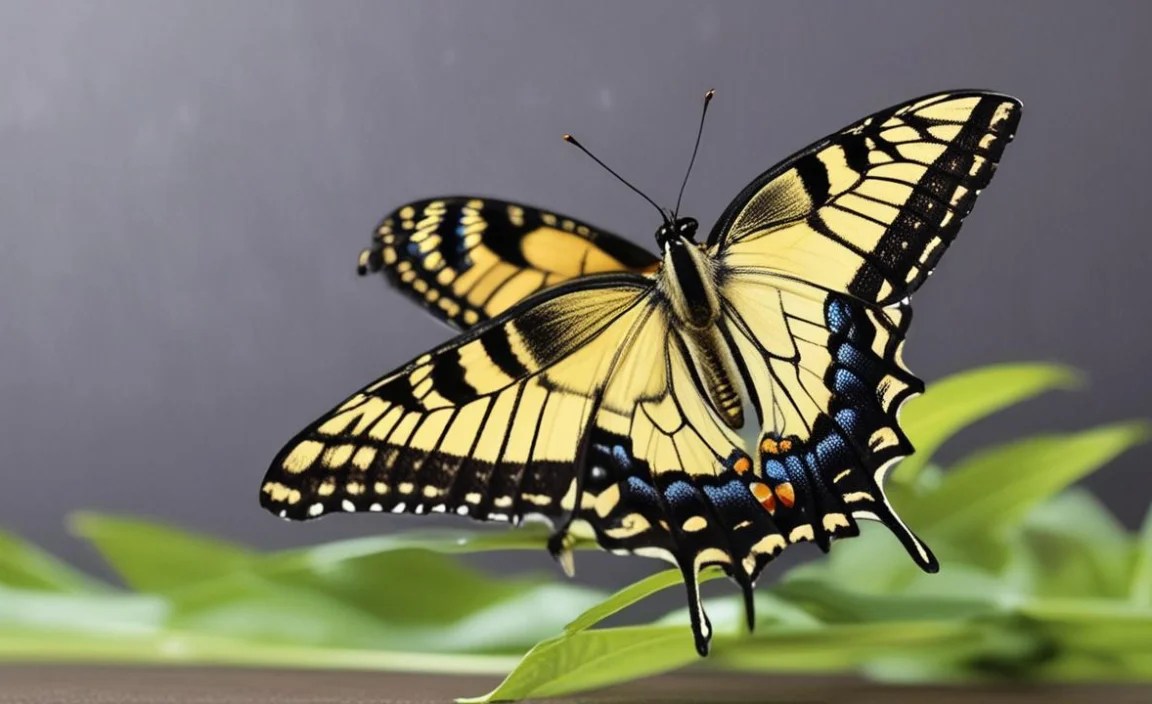
To fully support the swallowtail butterfly life cycle, consider creating a butterfly-friendly garden. This involves planting host plants for caterpillars and nectar plants for adult butterflies. Here are some tips to get started:
- Choose the Right Plants: Select host plants that are specific to the swallowtail species in your area. Also, include a variety of nectar-rich flowers that bloom throughout the growing season.
- Avoid Pesticides: Never use pesticides in your garden, as these can harm or kill butterflies and caterpillars.
- Provide Water: Offer a shallow dish of water with pebbles or a damp patch of sand for butterflies to drink from.
- Offer Shelter: Plant trees and shrubs to provide shelter from wind and rain.
- Sunlight: Butterflies need sunlight to warm their bodies, so make sure your garden has plenty of sunny spots.
By creating a butterfly-friendly garden, you can provide a haven for swallowtail butterflies and other pollinators. This not only enhances the beauty of your garden but also supports the health of the ecosystem. According to the Xerces Society, providing native plants and reducing pesticide use are crucial steps in butterfly conservation.
The Importance of Conservation

Swallowtail butterflies, like many other butterfly species, face numerous threats, including habitat loss, pesticide use, and climate change. Conservation efforts are essential to protect these beautiful creatures and the ecosystems they inhabit.
- Habitat Preservation: Protecting and restoring natural habitats is crucial for butterfly conservation. This includes preserving forests, meadows, and wetlands.
- Sustainable Practices: Adopting sustainable gardening and farming practices can reduce the impact of human activities on butterfly populations. This includes reducing pesticide use, planting native plants, and conserving water.
- Citizen Science: Participating in citizen science projects can help monitor butterfly populations and track their movements. This information can be used to inform conservation efforts. The National Wildlife Federation offers resources and programs for butterfly enthusiasts to get involved.
Swallowtail Butterfly Symbolism and Cultural Significance

Butterflies, including swallowtails, have long held symbolic and cultural significance in various societies. They are often seen as symbols of transformation, rebirth, and hope.
- Transformation: The butterfly’s metamorphosis from a caterpillar to a winged adult is a powerful symbol of personal growth and transformation.
- Rebirth: In many cultures, butterflies are associated with the soul and are seen as symbols of rebirth and renewal.
- Hope: The delicate beauty of butterflies can inspire hope and joy, reminding us of the beauty and fragility of life.
In literature and art, butterflies often represent freedom, beauty, and the ephemeral nature of life. Understanding the symbolism of butterflies can deepen our appreciation for these remarkable creatures and their role in our world.
Conclusion
The swallowtail butterfly life cycle is a remarkable journey of transformation, from a tiny egg to a vibrant, winged adult. By understanding each stage of this process, we can better appreciate and support these beautiful creatures. Whether you’re a gardener, a nature enthusiast, or simply someone who loves butterflies, there are many ways to get involved in their conservation. Plant host plants and nectar flowers, avoid pesticides, and spread awareness about the importance of protecting butterfly habitats. Every small effort contributes to ensuring that future generations can enjoy the beauty and wonder of swallowtail butterflies.


