
Graphium: Discover This Stunning Swallowtail Genus

Quick Summary: The genus Graphium includes some of the most striking swallowtail butterflies, known for their vibrant colors and swift flight. Found mainly in tropical and subtropical regions of Asia, Africa, and Oceania, these butterflies are easily recognized by their characteristic stripes and tails. Attracting them to your garden involves planting host plants like Michelia and Artabotrys, providing a source of nectar, and ensuring a pesticide-free environment.
Have you ever gazed in awe at a butterfly flitting through your garden, its wings adorned with intricate patterns and vibrant hues? Identifying these beauties can sometimes feel like a daunting task. One group of butterflies that often captures attention is the Graphium genus, a fascinating collection of swallowtails. Many people struggle to distinguish them from other swallowtails, but don’t worry! This guide will walk you through everything you need to know about Graphium butterflies, from their unique features to how you can attract them to your own backyard.
What Makes Graphium Butterflies Special?
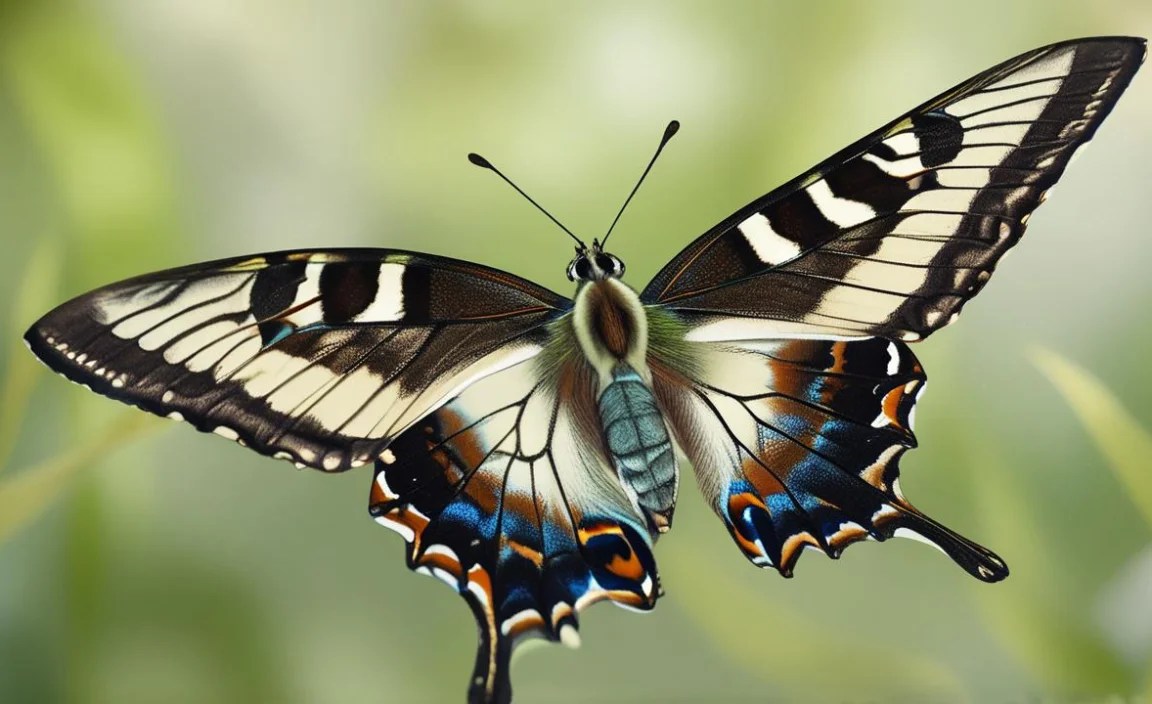
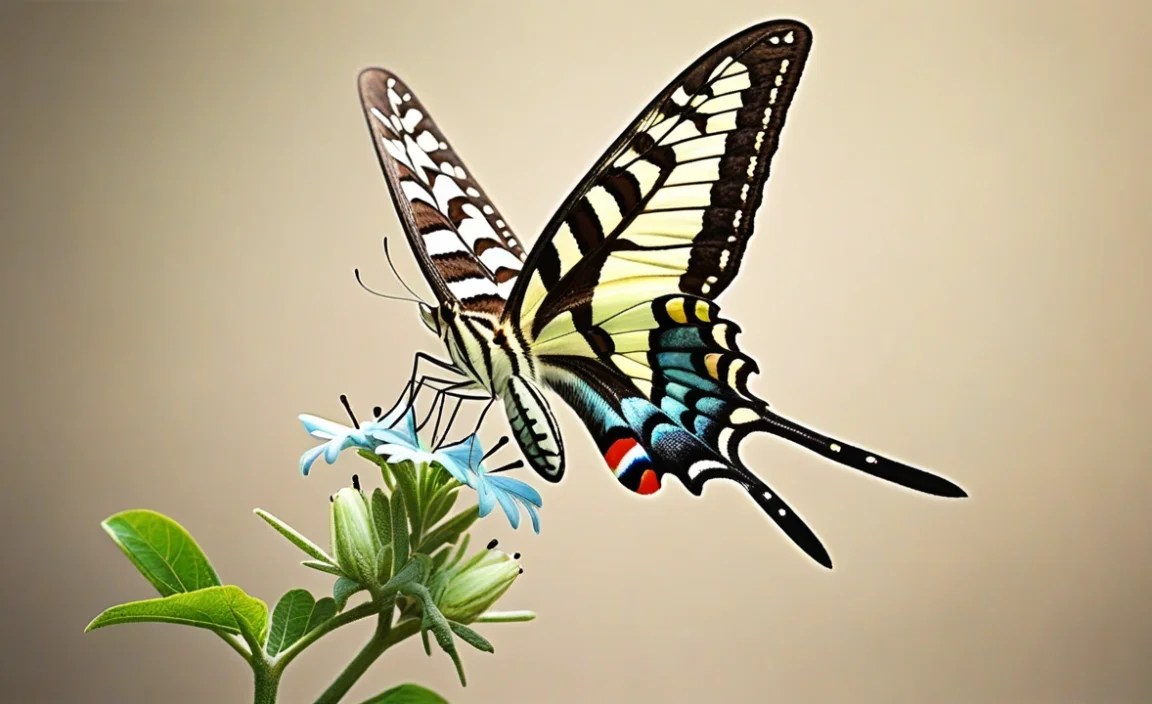
Graphium is a genus of swallowtail butterflies that belongs to the family Papilionidae. These butterflies are known for their striking appearance and swift flight. They are primarily found in tropical and subtropical regions of Asia, Africa, and Oceania.
Key Characteristics of Graphium Butterflies
Identifying Graphium butterflies involves looking for several key characteristics:
- Size: Typically medium to large, with wingspans ranging from 2.5 to 5 inches.
- Coloration: Often features a combination of black, white, green, and blue, arranged in distinctive stripes or patterns.
- Wing Shape: Elongated wings with a characteristic “tail” on the hindwings, typical of swallowtails.
- Flight Pattern: Known for their rapid and erratic flight, making them a joy to watch.
Distinguishing Graphium from Other Swallowtails
While Graphium butterflies share similarities with other swallowtails, there are key differences:
- Stripes vs. Spots: Many Graphium species have prominent stripes rather than the spots commonly found in other swallowtail genera like Papilio.
- Tail Shape: The tails on Graphium butterflies tend to be more slender and elongated.
- Geographic Location: Graphium are predominantly found in Asia, Africa, and Oceania, while other swallowtails might be more common in the Americas or Europe.
Popular Graphium Butterfly Species

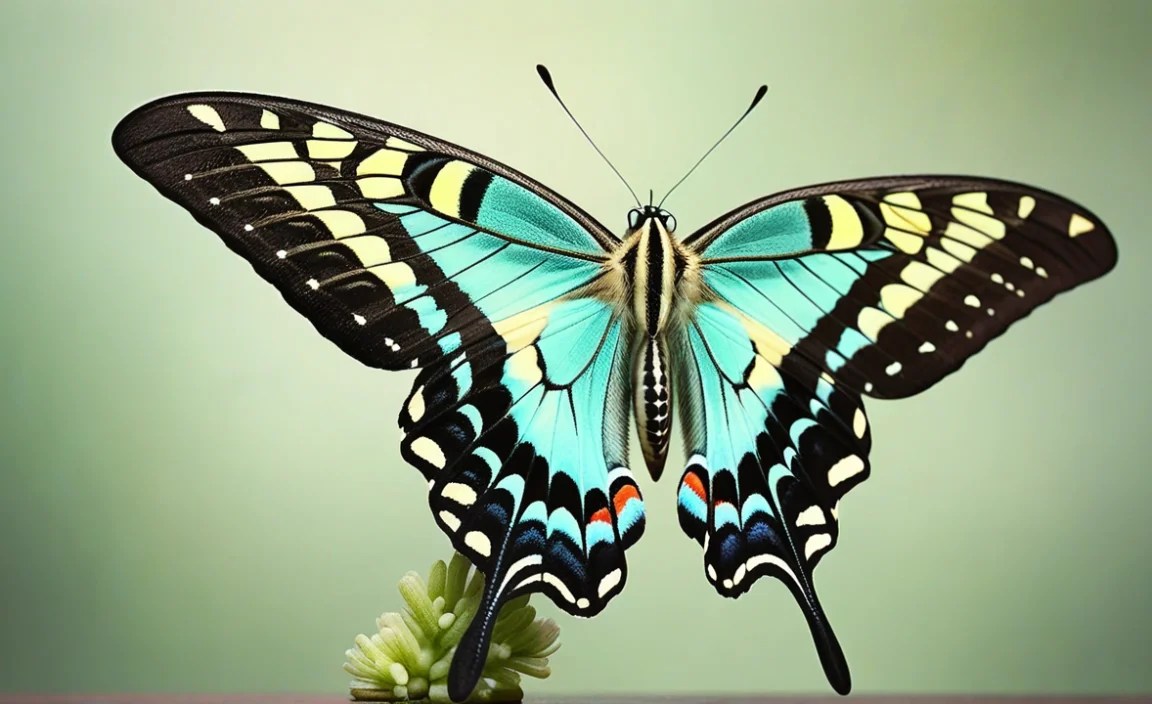
Let’s explore some of the most well-known species within the Graphium genus.
1. Common Jay (Graphium doson)
The Common Jay is a widespread species found across South and Southeast Asia. It is known for its striking blue stripes on a black background.
- Appearance: Black wings with iridescent blue stripes.
- Habitat: Forests, gardens, and urban areas.
- Host Plants: Plants from the Annonaceae family, such as Polyalthia longifolia.
2. Five-Bar Swordtail (Graphium antiphates)
This butterfly is named for the sword-like extensions on its hindwings. It is found in India, Southeast Asia, and parts of Australia.
- Appearance: White or pale green with black stripes and long, sword-like tails.
- Habitat: Tropical forests and woodlands.
- Host Plants: Miliusa tomentosa and other Annonaceae species.
3. Tailed Jay (Graphium agamemnon)
The Tailed Jay is known for its vibrant green markings and is found in South and Southeast Asia, as well as Australia.
- Appearance: Black wings with bright green spots and stripes.
- Habitat: Forests, gardens, and coastal areas.
- Host Plants: Annona reticulata and other Annonaceae species.
4. Zebra Butterfly (Graphium policenes)
The Zebra Butterfly is an African species characterized by its bold black and white stripes, reminiscent of a zebra.
- Appearance: Black and white stripes running across its wings.
- Habitat: Forests and woodlands in Africa.
- Host Plants: Various species of Annonaceae.
Life Cycle of Graphium Butterflies
Understanding the life cycle of Graphium butterflies is crucial for conservation and attracting them to your garden.
Egg Stage
Graphium butterflies lay their eggs on the leaves of their host plants. The eggs are typically small and spherical, often green or yellowish in color.
Larva (Caterpillar) Stage
Once the eggs hatch, the larvae emerge. These caterpillars feed voraciously on the host plant. They go through several instars (stages of growth), shedding their skin as they grow larger. Graphium caterpillars often have distinctive markings and colors that help them blend in with their surroundings.
Pupa (Chrysalis) Stage
After reaching their full size, the caterpillars transform into pupae, also known as chrysalises. The pupa is usually green or brown and camouflaged to resemble a leaf or twig. Inside the pupa, the caterpillar undergoes a complete metamorphosis.
Adult Butterfly Stage
After a period of time (usually a week or two), the adult butterfly emerges from the pupa. The newly emerged butterfly will pump fluid into its wings to expand them. Once the wings are dry and hardened, the butterfly is ready to fly and reproduce.
Attracting Graphium Butterflies to Your Garden
Creating a butterfly-friendly garden is a rewarding experience. Here’s how you can attract Graphium butterflies:
1. Plant Host Plants
Host plants are essential for the survival of Graphium butterflies. These plants provide food for the caterpillars. Some popular host plants include:
- Michelia champaca (Magnoliaceae family)
- Artabotrys hexapetalus (Ylang-Ylang Vine)
- Annona squamosa (Sugar Apple)
- Polyalthia longifolia (False Ashoka Tree)
2. Provide Nectar Sources
Adult butterflies feed on nectar from flowers. Planting a variety of nectar-rich flowers will attract Graphium butterflies to your garden. Some good choices include:
- Lantana
- Hibiscus
- Pentas
- Zinnia
3. Create a Butterfly-Friendly Habitat
Butterflies need more than just food; they also need shelter and water. Here are some tips for creating a butterfly-friendly habitat:
- Provide Shelter: Plant shrubs and trees to provide shelter from wind and predators.
- Offer Water: Place a shallow dish of water with pebbles or marbles for butterflies to land on while drinking.
- Avoid Pesticides: Pesticides can harm or kill butterflies and other beneficial insects. Use organic gardening methods instead.
4. Sunning Areas
Butterflies are cold-blooded and need sunlight to warm their bodies. Provide flat stones or surfaces in sunny spots where butterflies can bask.
Conservation Status and Efforts
While many Graphium species are not currently endangered, habitat loss and pesticide use pose significant threats. Supporting conservation efforts is crucial for protecting these beautiful creatures.
Threats to Graphium Butterflies
- Habitat Loss: Deforestation and urbanization reduce the availability of host plants and nectar sources.
- Pesticide Use: Pesticides can directly kill butterflies or contaminate their food sources.
- Climate Change: Changes in temperature and rainfall patterns can disrupt butterfly life cycles and habitats.
Conservation Strategies
- Habitat Preservation: Protecting and restoring natural habitats is essential for butterfly conservation.
- Sustainable Agriculture: Promoting organic farming practices reduces pesticide use and protects butterfly populations.
- Butterfly Gardening: Creating butterfly-friendly gardens provides habitat and food for butterflies in urban and suburban areas.
- Education and Awareness: Educating the public about the importance of butterflies and their conservation needs can inspire action.
Interesting Facts About Graphium Butterflies
Here are some fascinating facts about Graphium butterflies that you might find interesting:
- Fast Flyers: Graphium butterflies are known for their rapid and erratic flight, which helps them evade predators.
- Mimicry: Some Graphium species mimic poisonous butterflies to deter predators.
- Cultural Significance: In some cultures, butterflies are symbols of transformation and rebirth.
Resources for Further Learning
If you want to learn more about Graphium butterflies and butterfly conservation, here are some valuable resources:
- The Xerces Society: A non-profit organization dedicated to protecting invertebrates and their habitats.
- National Geographic: Offers articles and information about butterflies and other wildlife.
- Smithsonian Institution: Provides educational resources and exhibits on butterflies and insects.
Graphium Butterfly Identification Table
This table summarizes the key identification features of the Graphium butterflies discussed earlier:
| Species | Appearance | Habitat | Host Plants |
|---|---|---|---|
| Common Jay (Graphium doson) | Black wings with iridescent blue stripes | Forests, gardens, urban areas | Polyalthia longifolia (and other Annonaceae) |
| Five-Bar Swordtail (Graphium antiphates) | White/pale green with black stripes, sword-like tails | Tropical forests, woodlands | Miliusa tomentosa (and other Annonaceae) |
| Tailed Jay (Graphium agamemnon) | Black wings with bright green spots and stripes | Forests, gardens, coastal areas | Annona reticulata (and other Annonaceae) |
| Zebra Butterfly (Graphium policenes) | Black and white stripes | Forests, woodlands in Africa | Various Annonaceae species |
Nectar Plant Guide for Graphium Butterflies
This table lists some of the best nectar plants for attracting Graphium butterflies to your garden:
| Plant Name | Flower Color | Bloom Time | Additional Notes |
|---|---|---|---|
| Lantana | Various (yellow, orange, pink, red) | Year-round in warm climates | Attracts many butterfly species |
| Hibiscus | Various (red, pink, yellow, white) | Summer to fall | Provides nectar and shelter |
| Pentas | Pink, red, white, lavender | Year-round in warm climates | Easy to grow |
| Zinnia | Various (red, orange, yellow, pink) | Summer to fall | Attracts butterflies and bees |
FAQ About Graphium Butterflies
1. What do Graphium caterpillars eat?
Graphium caterpillars primarily feed on the leaves of plants in the Annonaceae family, such as Michelia and Artabotrys.
2. How can I tell if a butterfly is a Graphium?
Look for key features like medium to large size, distinctive stripes, elongated wings with tails, and a rapid flight pattern.
3. Are Graphium butterflies endangered?
While many Graphium species are not currently endangered, habitat loss and pesticide use pose significant threats to their populations.
4. What is the lifespan of a Graphium butterfly?
The lifespan of an adult Graphium butterfly is typically a few weeks to a few months, depending on the species and environmental conditions.
5. How do I attract Graphium butterflies to my garden?
Plant host plants like Michelia and nectar-rich flowers like Lantana, provide a water source, and avoid using pesticides.
6. Where are Graphium butterflies found?
Graphium butterflies are mainly found in tropical and subtropical regions of Asia, Africa, and Oceania.
7. What is the pupa stage of a Graphium butterfly?
The pupa, or chrysalis, is a transitional stage where the caterpillar transforms into a butterfly. It’s usually green or brown and camouflaged.
Conclusion
Exploring the world of Graphium butterflies opens up a realm of beauty and ecological significance. By understanding their unique characteristics, life cycle, and habitat needs, you can play a part in conserving these magnificent creatures. Whether you’re planting a butterfly garden, educating others, or simply appreciating their presence in nature, your efforts contribute to a healthier, more vibrant world. So, step outside, observe closely, and let the enchanting flight of the Graphium butterflies inspire you!


