Small Heath Butterfly: Easy ID Guide!

The Small Heath butterfly is a small, delicate butterfly with orange wings and distinctive dark spots. To identify one, look for its small size (under 2 inches), orange wings with a greyish underside, and a single eyespot on the forewing. They prefer grassy habitats and are most active on sunny days.
Have you ever been strolling through a meadow and spotted a tiny, orange butterfly flitting among the grasses? Chances are, you’ve encountered the charming Small Heath butterfly. These little beauties, though not as flashy as some of their cousins, are a vital part of our ecosystem. But identifying them can sometimes be tricky, especially with so many similar-looking butterflies around.
In this guide, we’ll explore everything you need to know about the Small Heath butterfly, from its unique markings to its favorite habitats. By the end of this article, you’ll be able to confidently identify these delightful creatures and appreciate their role in the natural world. Let’s dive in and discover the secrets of the Small Heath!
What is a Small Heath Butterfly?
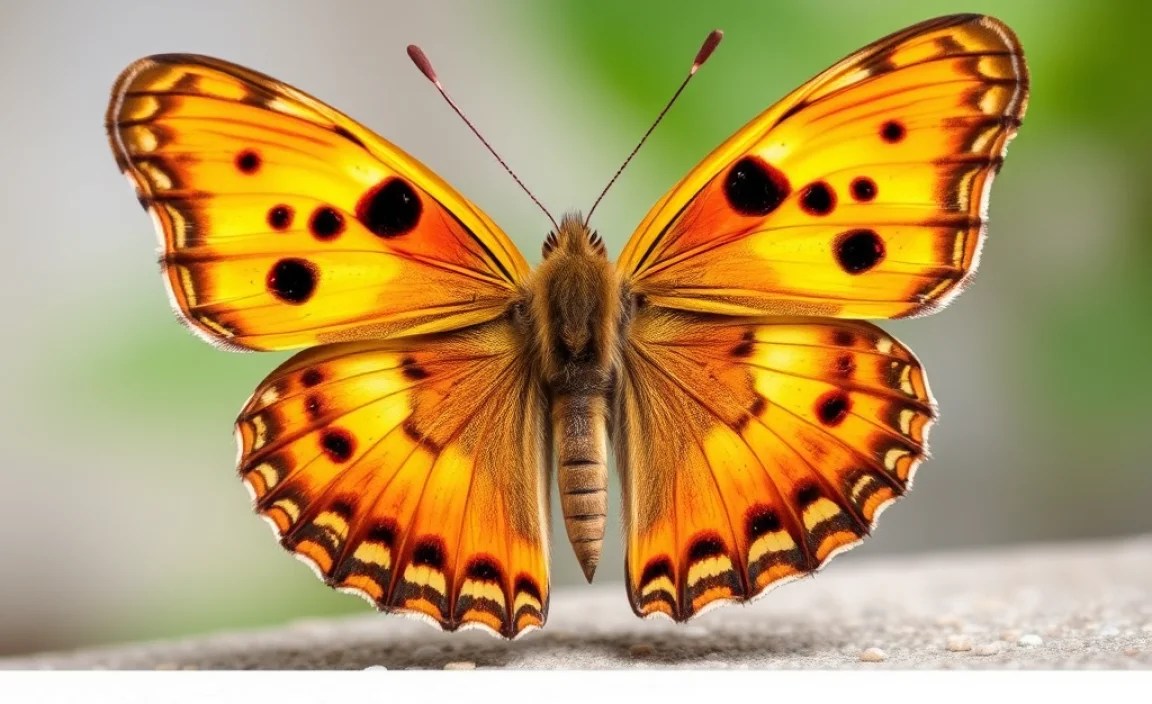
The Small Heath butterfly (Coenonympha pamphilus) is a member of the Nymphalidae family, often called the brush-footed butterflies. It’s a widespread species found throughout Europe, North Africa, and parts of Asia. These butterflies are known for their small size and subtle beauty, often blending seamlessly into their grassy surroundings.
Key Characteristics
- Size: Wingspan typically ranges from 1.2 to 1.6 inches (30-40 mm).
- Color: Predominantly orange wings with a greyish or brownish underside.
- Markings: A single eyespot on the forewing is a key identifying feature.
- Habitat: Prefers grassy areas, meadows, and heathlands.
- Flight: A weak, fluttering flight pattern.
Why Study Small Heath Butterflies?
Studying Small Heath butterflies offers several benefits:
- Ecological Indicator: Their presence and population size can indicate the health of grassland habitats.
- Biodiversity: They contribute to the biodiversity of their ecosystems, serving as both pollinators and prey.
- Educational Value: Their relatively common presence makes them an excellent subject for educational studies on butterfly life cycles and ecology.
- Conservation: Monitoring their populations can help inform conservation efforts aimed at preserving their habitats.
Identifying a Small Heath Butterfly: A Step-by-Step Guide
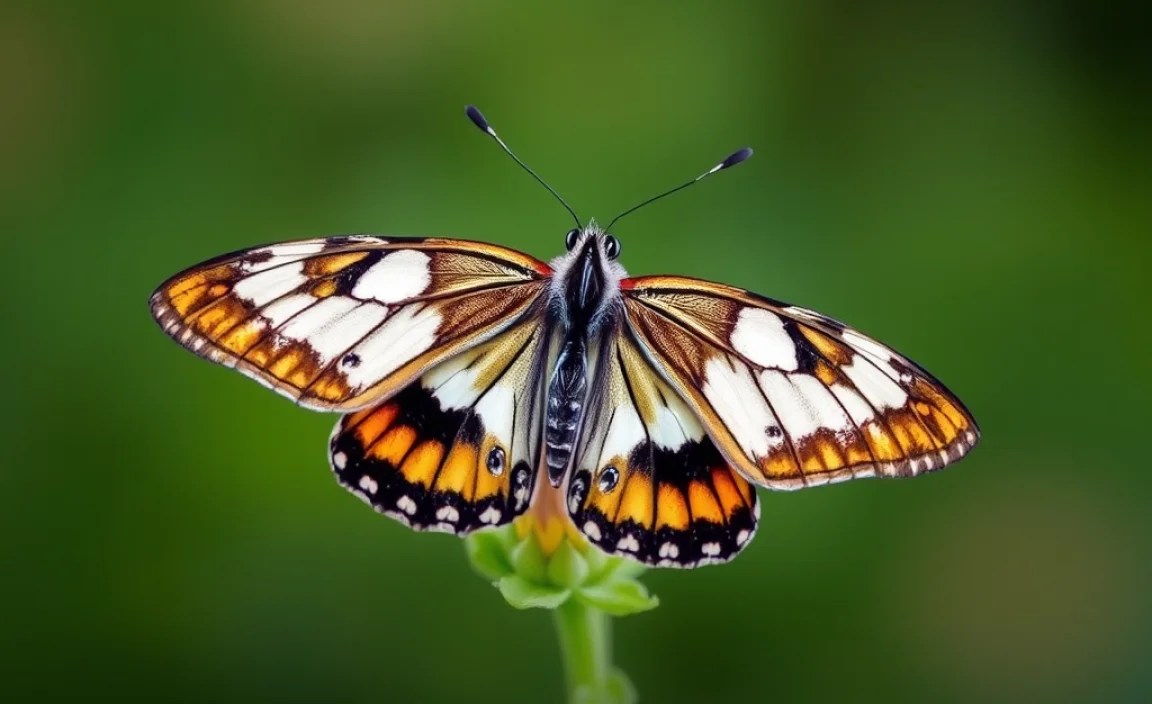
Identifying a Small Heath butterfly involves observing several key characteristics. Here’s a step-by-step guide to help you distinguish them from other similar species.
Step 1: Observe the Size
Small Heath butterflies are, well, small! Their wingspan is typically between 1.2 and 1.6 inches (30-40 mm). Compared to larger butterflies like Monarchs or Swallowtails, they are noticeably smaller. This petite size is one of the first clues in identifying them.
Step 2: Examine the Wing Color
The upper side of the wings is usually a vibrant orange. The intensity of the orange can vary slightly depending on the individual and location, but it’s generally a warm, noticeable hue. However, the underside of the wings is where you’ll find more distinctive markings.
Step 3: Check the Underside Markings
The underside of the wings is typically greyish or brownish. The key feature to look for is a single, distinct eyespot on the forewing. This eyespot is usually black with a white center. The hindwing may have faint spots or be unmarked. These subtle differences are crucial for distinguishing the Small Heath from other similar butterflies.
Step 4: Note the Habitat
Small Heath butterflies prefer grassy habitats. You’ll often find them in meadows, heathlands, and open grasslands. They are less likely to be found in dense forests or heavily cultivated areas. Observing the habitat can provide additional clues about the butterfly’s identity.
Step 5: Observe the Flight Pattern
Small Heath butterflies have a characteristic flight pattern. Their flight is often described as weak and fluttering. They tend to fly low to the ground, moving from one grass stem to another. This fluttering flight is quite different from the strong, soaring flight of larger butterfly species.
Step 6: Compare with Similar Species
Several other butterfly species can be mistaken for the Small Heath. Here are a few common look-alikes and how to tell them apart:
- Meadow Brown (Maniola jurtina): Larger than the Small Heath with more prominent eyespots on both the forewing and hindwing.
- Small Copper (Lycaena phlaeas): Brighter orange with distinct dark spots on the upper side of the wings.
- Gatekeeper (Pyronia tithonus): Has two white pupils within the eyespot on the forewing.
Step 7: Use a Field Guide or App
If you’re still unsure, consult a reliable field guide or butterfly identification app. These resources often provide detailed descriptions and images that can help you confirm your identification. Some popular apps include iNaturalist and Picture Insect. The Xerces Society also offers excellent regional guides.
Small Heath Butterfly Habitat and Distribution

Understanding the habitat and distribution of the Small Heath butterfly can further assist in its identification and appreciation.
Preferred Habitats
Small Heath butterflies thrive in specific types of environments. These include:
- Grasslands: Open, grassy areas are their primary habitat.
- Heathlands: Areas with low-growing shrubs and grasses.
- Meadows: Uncultivated grasslands with a variety of wildflowers and grasses.
- Roadsides and Verges: Often found along roadsides where grasses are allowed to grow.
- Coastal Areas: Sometimes found in coastal grasslands and dunes.
Geographical Distribution
The Small Heath butterfly has a wide distribution across several regions:
- Europe: Found throughout most of Europe, from Scandinavia to the Mediterranean.
- North Africa: Present in some North African countries.
- Asia: Extends into parts of Asia, including temperate regions.
- Introduced Locations: Has been introduced to some areas outside its native range.
Factors Affecting Habitat
Several factors can impact the suitability of a habitat for Small Heath butterflies:
- Grassland Management: Overgrazing or excessive mowing can reduce the availability of host plants and nectar sources.
- Pesticide Use: Insecticides can directly harm butterflies and their larvae.
- Habitat Fragmentation: The division of large habitats into smaller, isolated patches can limit dispersal and gene flow.
- Climate Change: Changes in temperature and rainfall patterns can alter the distribution and abundance of suitable habitats.
Life Cycle of the Small Heath Butterfly

Understanding the life cycle of the Small Heath butterfly provides valuable insights into its behavior and ecology.
Egg Stage
The life cycle begins with the egg. Female Small Heath butterflies lay their eggs on or near the larval host plants, which are typically grasses. The eggs are small and pale green or white. They are usually laid singly, rather than in clusters.
Larval Stage (Caterpillar)
Once the egg hatches, the larval stage begins. The caterpillar feeds on various grasses. The caterpillar is typically green with a darker stripe along its back. It goes through several instars (stages of growth), shedding its skin as it grows larger. The larval stage is crucial for accumulating the energy needed for the pupal and adult stages.
Pupal Stage (Chrysalis)
After the final instar, the caterpillar enters the pupal stage. It forms a chrysalis, which is usually attached to a grass stem or other vegetation. The chrysalis is typically green or brown, providing camouflage. Inside the chrysalis, the caterpillar undergoes metamorphosis, transforming into a butterfly.
Adult Stage (Butterfly)
After a period of time, the adult butterfly emerges from the chrysalis. The newly emerged butterfly will pump fluid into its wings to expand them. Once the wings are dry and hardened, the butterfly is ready to fly and reproduce. Adult Small Heath butterflies feed on nectar from various flowers, providing them with energy. The adult stage is focused on reproduction, with females laying eggs to start the cycle anew.
| Stage | Description | Duration |
|---|---|---|
| Egg | Small, pale green or white eggs laid on or near host plants. | 4-10 days |
| Larva (Caterpillar) | Green caterpillar with a dark stripe, feeds on grasses. | 4-6 weeks |
| Pupa (Chrysalis) | Green or brown chrysalis attached to vegetation. | 2-4 weeks |
| Adult (Butterfly) | Orange wings with a greyish underside and a single eyespot. Feeds on nectar. | 2-3 weeks |
Attracting Small Heath Butterflies to Your Garden

If you’d like to attract Small Heath butterflies to your garden, there are several things you can do to create a suitable habitat.
Plant Host Plants
Provide host plants for the caterpillars. Small Heath caterpillars feed on various grasses, so planting native grasses in your garden can be very effective. Some suitable grass species include:
- Red Fescue (Festuca rubra)
- Sheep’s Fescue (Festuca ovina)
- Crested Dog’s-tail (Cynosurus cristatus)
Provide Nectar Sources
Plant nectar-rich flowers to provide food for the adult butterflies. Choose flowers that bloom at different times of the year to ensure a continuous supply of nectar. Some good nectar sources for Small Heath butterflies include:
- Wild Thyme (Thymus serpyllum)
- Bird’s-foot Trefoil (Lotus corniculatus)
- Selfheal (Prunella vulgaris)
- Knapweed (Centaurea nigra)
Avoid Pesticides
Avoid using pesticides in your garden, as they can harm butterflies and other beneficial insects. If you need to control pests, consider using natural or organic methods.
Create a Sunny Spot
Butterflies are cold-blooded and need sunlight to warm up. Create a sunny spot in your garden where they can bask. A south-facing slope or a sheltered area can be ideal.
Provide Shelter
Provide shelter from wind and rain. Plant shrubs or trees to create a sheltered area where butterflies can take refuge.
Maintain a Wild Area
Leave a patch of your garden wild and uncultivated. This will provide a habitat for various insects and other wildlife, including Small Heath butterflies. Allow grasses to grow long and wildflowers to bloom.
Conservation Status and Threats
Understanding the conservation status and threats facing Small Heath butterflies is essential for protecting these delicate creatures.
Conservation Status
The Small Heath butterfly is generally considered to be a common and widespread species. However, in some regions, populations have declined due to habitat loss and other factors. Monitoring their populations and implementing conservation measures is important to ensure their long-term survival.
Threats
Several factors threaten Small Heath butterfly populations:
- Habitat Loss: The destruction and fragmentation of grassland habitats due to agriculture, development, and afforestation.
- Intensive Agriculture: The use of pesticides and herbicides, as well as the conversion of grasslands to arable land.
- Overgrazing: Excessive grazing can reduce the availability of host plants and nectar sources.
- Climate Change: Changes in temperature and rainfall patterns can alter the distribution and abundance of suitable habitats.
- Lack of Management: Abandonment of traditional grassland management practices can lead to the encroachment of scrub and woodland, reducing the suitability of the habitat.
Conservation Measures
Several conservation measures can help protect Small Heath butterflies:
- Habitat Protection: Protecting and managing existing grassland habitats through conservation designations and sustainable management practices.
- Habitat Restoration: Restoring degraded grasslands by re-introducing native grasses and wildflowers.
- Sustainable Agriculture: Promoting sustainable farming practices that minimize the use of pesticides and herbicides.
- Grazing Management: Implementing appropriate grazing regimes that maintain a diverse sward structure.
- Public Awareness: Raising awareness about the importance of grassland habitats and the threats facing Small Heath butterflies.
Small Heath Butterfly: Fun Facts and Cultural Significance
Beyond their ecological importance, Small Heath butterflies also have some interesting facts and cultural associations.
Fun Facts
- Camouflage Masters: Their greyish-brown underwings provide excellent camouflage, helping them blend in with their grassy surroundings.
- Sun Lovers: They are most active on sunny days and tend to remain hidden during cloudy or rainy weather.
- Multiple Generations: In warmer regions, they can have multiple generations per year.
- Weak Flyers: Their fluttering flight is not just a characteristic but also a reflection of their relatively weak flight muscles.
Cultural Significance
While not as prominently featured in culture as some of the more flamboyant butterfly species, the Small Heath still holds a place in the natural tapestry that inspires art and literature.
- Symbol of Simplicity: Its unassuming appearance can be seen as a symbol of simplicity and the beauty of the natural world.
- Indicator of Healthy Ecosystems: Its presence is often associated with healthy, well-managed grasslands, making it an indicator of environmental well-being.
- Inspiration for Art: Artists and nature enthusiasts often find inspiration in the delicate beauty of these butterflies, incorporating them into paintings, photographs, and other creative works.
Frequently Asked Questions (FAQ)
What do Small Heath caterpillars eat?
Small Heath caterpillars primarily feed on various grasses, such as Red Fescue and Sheep’s Fescue. They are not typically found feeding on broadleaf plants.
How can I tell the difference between a male and female Small Heath butterfly?
It can be difficult to distinguish between male and female Small Heath butterflies. Generally, females are slightly larger and have more rounded wings, but these differences are subtle.
Are Small Heath butterflies migratory?
No, Small Heath butterflies are not migratory. They typically stay within a relatively small area throughout their lives.
What is the lifespan of a Small Heath butterfly?
The lifespan of an adult Small Heath butterfly is typically around 2-3 weeks. The entire life cycle, from egg to adult, takes several months.
Are Small Heath butterflies endangered?
While not currently considered endangered, Small Heath populations have declined in some areas due to habitat loss. Conservation efforts are important to ensure their long-term survival.
What kind of habitat do Small Heath butterflies need?
Small Heath butterflies need open, grassy habitats with a variety of wildflowers and grasses. They prefer areas that are not heavily cultivated or treated with pesticides.
How can I help conserve Small Heath butterflies?
You can help conserve Small Heath butterflies by protecting and restoring grassland habitats, avoiding the use of pesticides, and planting native grasses and nectar-rich flowers in your garden.
Conclusion
The Small Heath butterfly, with its delicate orange wings and preference for grassy havens, offers a subtle yet captivating glimpse into the natural world. By learning to identify these charming creatures, understanding their life cycle, and supporting their conservation, we can all play a part in preserving the biodiversity of our ecosystems. So, the next time you’re wandering through a meadow, keep an eye out for the fluttering flight of the Small Heath – a tiny ambassador of the beauty and resilience of nature.