
Blue Morpho Caterpillar Stages: The Ultimate Guide

Have you ever seen a bright blue butterfly? It might have been a Blue Morpho! These butterflies are big and beautiful. But they start as tiny caterpillars. The Blue Morpho caterpillar stages are very interesting. They change a lot as they grow.
Did you know caterpillars shed their skin? It’s like taking off a tight shirt. They do this many times as they get bigger. The Blue Morpho caterpillar stages are full of surprises. Let’s learn more about them!
Key Takeaways
- Blue Morpho caterpillars go through several stages called instars.
- These caterpillars eat a lot to grow big and strong.
- They have special defenses to protect themselves from predators.
- Each of the Blue Morpho caterpillar stages looks different.
- The final stage is the pupa, where it becomes a butterfly.
Understanding Blue Morpho Caterpillar Stages
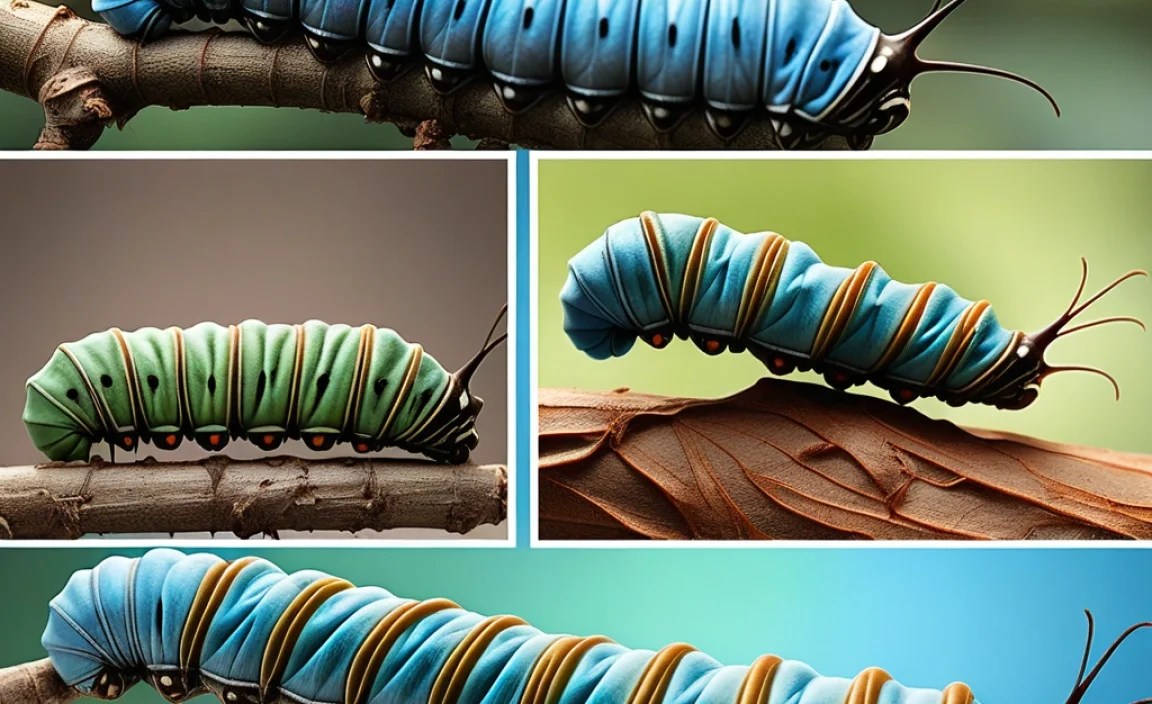
The Blue Morpho butterfly is known for its amazing blue color. But before it becomes a butterfly, it is a caterpillar. The Blue Morpho caterpillar stages are called instars. An instar is the time between each shedding of the skin. These caterpillars eat a lot. They need energy to grow. They eat plants like pea and mango leaves. Each instar looks different. They change in size and color. Some have bristles or spines. These help protect them. They can scare away predators. The Blue Morpho caterpillar is a fascinating creature. Watching it grow is like seeing a magic trick unfold. Each stage brings it closer to becoming a beautiful butterfly.
- Instars are the stages between shedding skin.
- Caterpillars eat a lot of leaves.
- They grow bigger with each instar.
- Some have bristles for protection.
- Their color can change over time.
Understanding the Blue Morpho caterpillar stages helps us appreciate nature. These little creatures play a big role in the ecosystem. They turn leaves into energy. This energy helps them transform. The transformation is from a crawling caterpillar to a flying butterfly. It’s a process that takes time and care. The caterpillars face many dangers. Birds, insects, and other animals want to eat them. That is why they have defenses. Their colors and bristles help keep them safe. Learning about these stages teaches us about life. It teaches us about growth and change. It shows us how even small creatures can do amazing things.
What Do Caterpillars Eat?
Have you ever wondered what caterpillars eat? Blue Morpho caterpillars have a favorite food. They love to munch on pea and mango leaves. These leaves give them the nutrients they need. They need to grow big and strong. Imagine eating all day long! That’s what these caterpillars do. They eat and eat and eat. This helps them get ready for the next stage. The Blue Morpho caterpillar stages require lots of energy. Eating the right food is very important. Without it, they cannot transform into butterflies. So, next time you see a caterpillar, think about its yummy meal!
How Do Caterpillars Grow?
Ever wonder how a tiny caterpillar becomes a big one? It’s all about shedding! As Blue Morpho caterpillars grow, their skin gets too tight. So, they shed it like taking off a small shirt. Underneath is a new, bigger skin. They repeat this process several times. Each time they shed, they enter a new instar. The Blue Morpho caterpillar stages involve multiple instars. Each stage brings changes in size and appearance. It’s like they are getting a new outfit each time they grow. Shedding helps them get bigger and stronger. It prepares them for their amazing transformation.
Why Are Caterpillars Different Colors?
Have you noticed that caterpillars come in many colors? Some are green, others are brown, and some are even bright and colorful. The Blue Morpho caterpillar stages can involve different colors. These colors help them in different ways. Green helps them blend in with leaves. Brown helps them hide on branches. Bright colors can warn predators that they are poisonous. The color of a caterpillar depends on its species and its environment. It’s like they have a special camouflage. This camouflage helps them survive in the wild. So, next time you see a caterpillar, look closely at its color!
Fun Fact or Stat: A Blue Morpho caterpillar can eat twice its weight in one day!
Identifying the First Instar Caterpillar
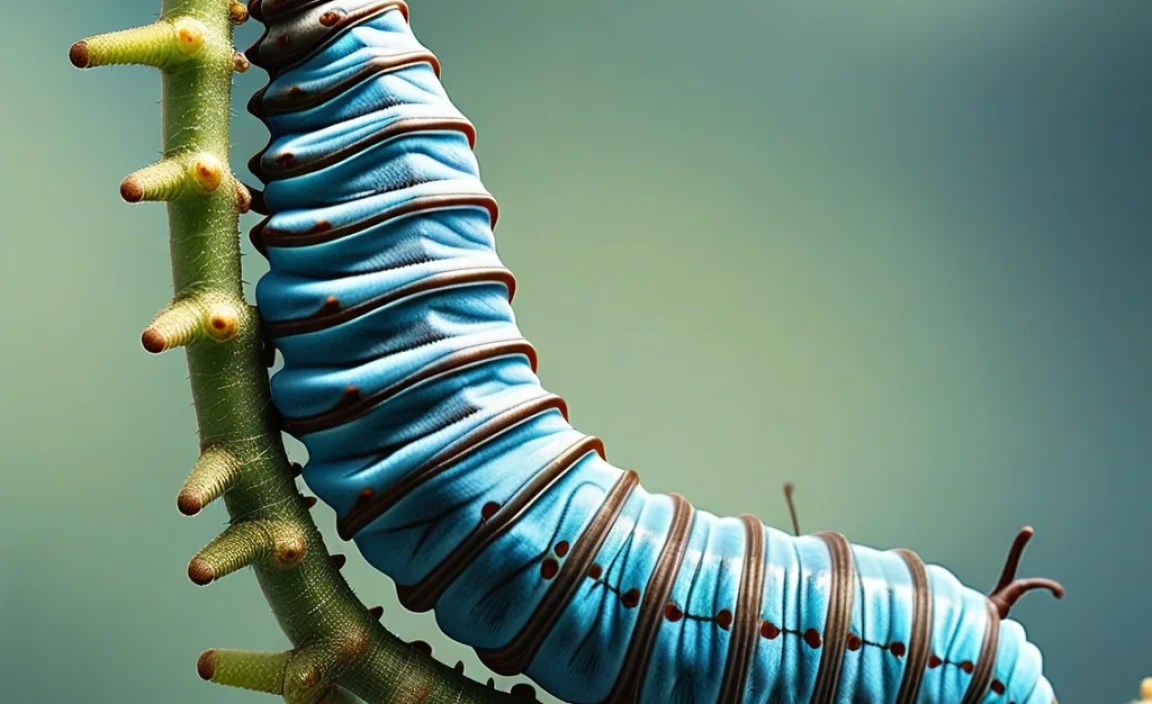
The first instar is the beginning of the Blue Morpho caterpillar stages. This is when the caterpillar first hatches from its egg. It is very small and delicate. The first instar caterpillar often has a dark color. It might be black or brown. It starts eating right away. It munches on the leaf where it hatched. This gives it the energy to grow. The first instar is a time of rapid growth. The caterpillar needs to get bigger quickly. It faces many dangers. Small insects and spiders might try to eat it. So, it needs to be careful. Identifying the first instar is important. It helps us understand the life cycle of the Blue Morpho butterfly. It shows us how even the smallest creatures can have a big impact.
- The first instar is the first stage after hatching.
- Caterpillars are very small at this stage.
- They often have a dark color.
- They start eating right away.
- They need to grow quickly.
- They face many dangers.
Watching a first instar caterpillar is fascinating. It’s like watching a tiny baby learn to walk. The caterpillar is exploring its world. It’s learning how to find food. It’s learning how to stay safe. The Blue Morpho caterpillar stages begin with this small, vulnerable creature. It is amazing to think that it will one day become a beautiful butterfly. The first instar is a reminder that every big journey starts with a small step. It teaches us about patience and perseverance. It shows us that even the smallest creatures can achieve great things.
What Does the First Instar Look Like?
Imagine a tiny, dark worm on a leaf. That might be a first instar Blue Morpho caterpillar. These caterpillars are very small. They are usually black or brown. They have tiny hairs on their bodies. These hairs help them sense their surroundings. They also have small jaws. These jaws are strong enough to chew on leaves. The first instar looks different from later stages. It’s like a baby compared to a teenager. The Blue Morpho caterpillar stages show big changes. The first instar is just the beginning. It’s the first step in a long and amazing journey.
Where Do They Live?
The first instar caterpillars live on leaves. They stay close to where they hatched. This is usually on a plant that they can eat. They like plants like pea and mango. These plants give them the food they need. The caterpillars hide under the leaves. This helps them stay safe from predators. They also need a place that is not too hot or too cold. The Blue Morpho caterpillar stages depend on the right environment. If the temperature is too extreme, they might not survive. So, they find a cozy spot on a leaf to call home.
How Long Does the First Instar Last?
The first instar doesn’t last very long. It usually lasts only a few days. During this time, the caterpillar eats a lot. It grows quickly. Then, it sheds its skin. This marks the end of the first instar. The Blue Morpho caterpillar stages are all different lengths. Some stages are longer than others. The first instar is a quick but important stage. It sets the foundation for the rest of the caterpillar’s life. It’s like the first chapter in a book. It gets the story started.
Fun Fact or Stat: First instar Blue Morpho caterpillars are usually less than 1/4 inch long!
Recognizing the Second Instar Caterpillar
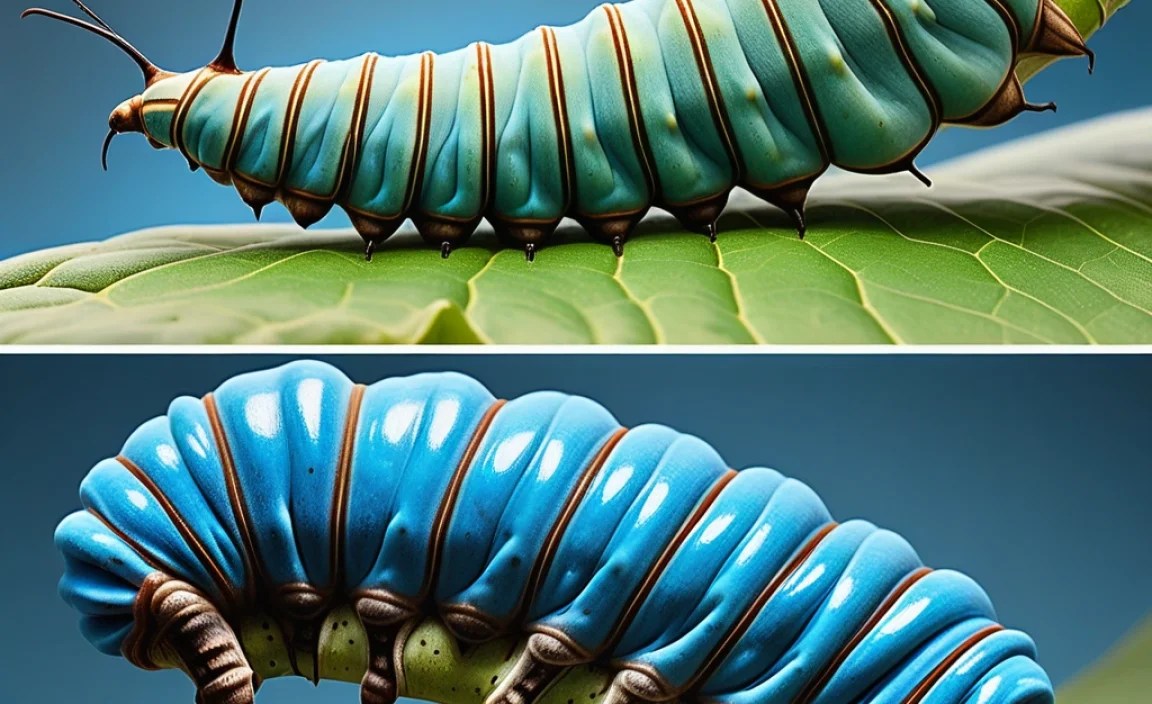
After the first shed, the caterpillar enters the second instar. This is another of the Blue Morpho caterpillar stages. The second instar caterpillar is bigger than the first. It also looks a bit different. Its color might change slightly. It might become a lighter shade of brown or green. It continues to eat a lot. It needs to fuel its growing body. The second instar is a time of more growth and development. The caterpillar is getting stronger. It is also learning more about its environment. Recognizing the second instar is important. It helps us track the progress of the caterpillar. It shows us how it is changing and growing.
- The second instar comes after the first shed.
- Caterpillars are bigger in this stage.
- Their color might change slightly.
- They continue to eat a lot.
- They are getting stronger.
- They are learning about their environment.
Imagine watching a caterpillar go through its second instar. It’s like watching a child learn to ride a bike. They might wobble at first, but they quickly gain confidence. The Blue Morpho caterpillar stages involve learning and adapting. The caterpillar is learning how to find the best leaves. It is learning how to avoid predators. The second instar is a reminder that growth takes time and practice. It teaches us about resilience. It shows us that even small creatures can overcome challenges.
What Does the Second Instar Look Like?
The second instar Blue Morpho caterpillar is a bit bigger. It is more colorful than the first instar. It might have stripes or spots. These markings help it blend in with its surroundings. It also has stronger jaws. These jaws allow it to eat tougher leaves. The second instar is starting to look more like a caterpillar. It’s like a toddler compared to a baby. The Blue Morpho caterpillar stages show gradual changes. The second instar is another step closer to becoming a butterfly.
What Do They Eat?
Second instar caterpillars still love to eat leaves. They eat a lot of pea and mango leaves. These leaves give them the nutrients they need. They eat more than the first instar caterpillars. They need more energy to grow. They are also getting ready for the next shed. The Blue Morpho caterpillar stages require a lot of food. Eating is one of the most important things they do. It helps them transform into beautiful butterflies.
How Do They Protect Themselves?
Second instar caterpillars have some defenses. They can blend in with leaves. This helps them hide from predators. They also have bristles on their bodies. These bristles can irritate the mouths of predators. Some caterpillars can even release a bad smell. This smell can scare away predators. The Blue Morpho caterpillar stages involve different defense mechanisms. Each stage has its own way of staying safe. These defenses help them survive in the wild.
Fun Fact or Stat: Second instar caterpillars can grow up to half an inch long!
Describing the Third Instar Caterpillar
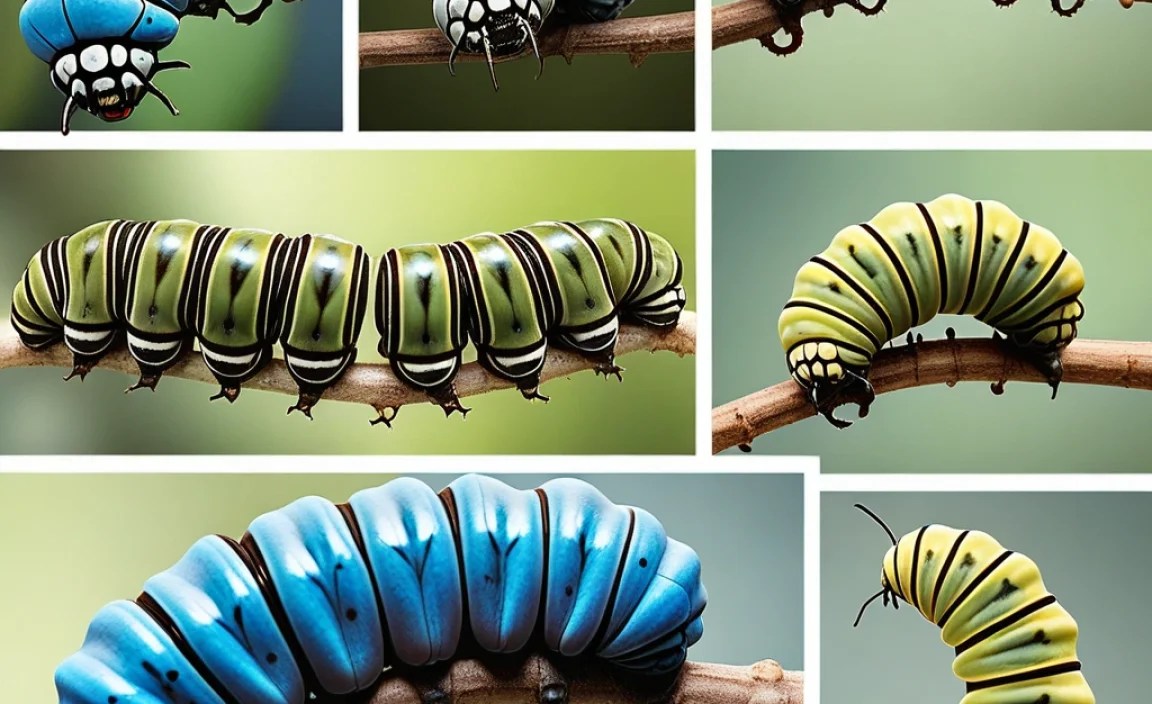
The third instar is another important stage. It is part of the Blue Morpho caterpillar stages. In this stage, the caterpillar grows even bigger. It starts to look more like the final caterpillar form. Its colors become more vibrant. It might have brighter stripes or spots. It also eats even more than before. It needs to store up energy. The energy is for the next stages. The third instar is a time of rapid development. The caterpillar is preparing for its transformation. Describing the third instar helps us understand this process. It shows us how the caterpillar is changing. It is changing and growing into a butterfly.
- The third instar is a stage of rapid growth.
- Caterpillars grow even bigger.
- Their colors become more vibrant.
- They eat even more than before.
- They need to store up energy.
- They are preparing for transformation.
Imagine watching a caterpillar in its third instar. It’s like watching a student study for a big test. They are putting in a lot of effort. They are preparing for something important. The Blue Morpho caterpillar stages involve hard work and preparation. The caterpillar is working hard to grow and develop. It is preparing for its transformation into a butterfly. The third instar is a reminder that hard work pays off. It teaches us about dedication. It shows us that with effort, we can achieve our goals.
What Color Are They?
The third instar Blue Morpho caterpillar is often brightly colored. It can be green, brown, or even reddish. It might have stripes or spots of different colors. These colors help it blend in with its surroundings. They also might warn predators that it is poisonous. The colors of the Blue Morpho caterpillar stages are very important. They help the caterpillar survive. They also make it beautiful to look at.
How Big Are They?
Third instar caterpillars are bigger than the first and second instars. They can grow up to an inch or more. They are getting closer to their final size. They are growing quickly. They need to eat a lot to support their growth. The size of the Blue Morpho caterpillar stages changes with each instar. The third instar is a significant step up in size. It’s like a middle schooler compared to an elementary student.
Where Can You Find Them?
Third instar caterpillars can be found on their favorite food plants. They like pea and mango leaves. They might also be found on other plants. They need a safe place to eat and grow. They often hide under the leaves. This helps them avoid predators. The Blue Morpho caterpillar stages require the right habitat. If you want to find them, look for their favorite plants. Look closely under the leaves. You might just spot one!
Fun Fact or Stat: Third instar caterpillars can double in size in just a few days!
Examining the Fourth Instar Caterpillar
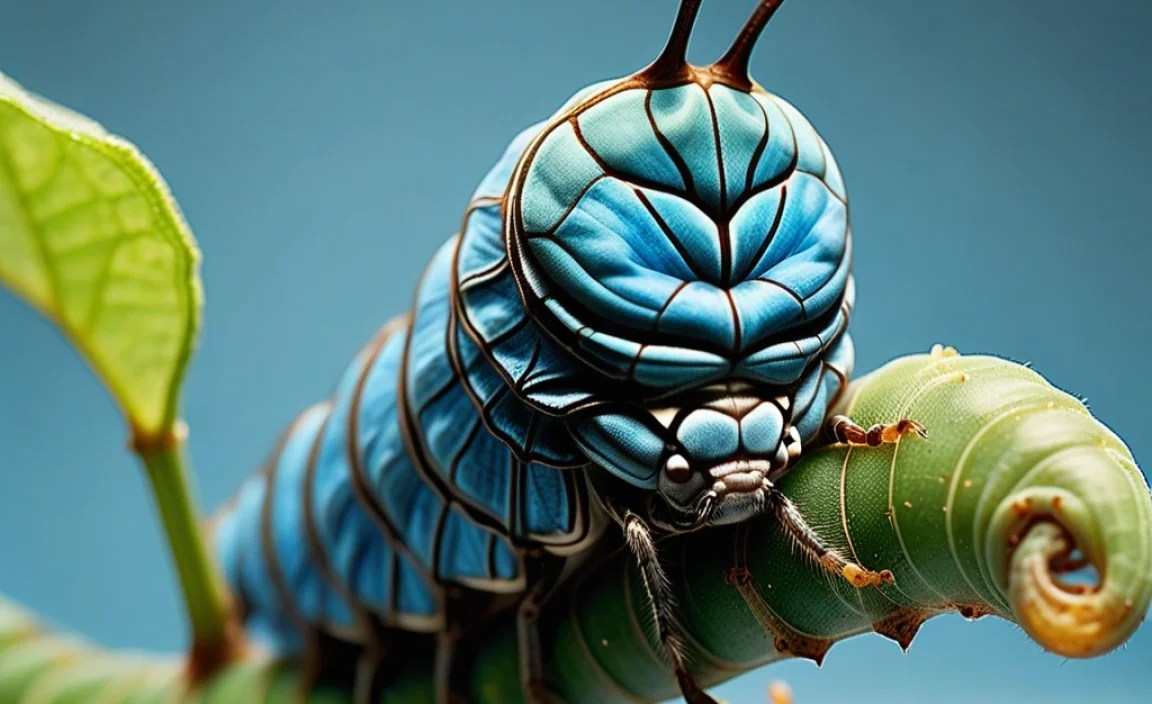
The fourth instar is another key point. It’s one of the Blue Morpho caterpillar stages. By now, the caterpillar is quite large. It is getting closer to its final size. Its colors are more defined. It may have spines or bristles on its body. These help protect it from predators. The fourth instar caterpillar eats a lot. It needs to store up energy for pupation. Pupation is when it turns into a chrysalis. The fourth instar is a time of intense preparation. The caterpillar is getting ready for a big change. Examining this stage helps us appreciate the complexity. It helps us appreciate the beauty of nature.
- The fourth instar is a late stage of growth.
- Caterpillars are quite large by now.
- Their colors are more defined.
- They may have spines or bristles.
- They eat a lot to store energy.
- They are preparing for pupation.
Imagine watching a caterpillar in its fourth instar. It’s like watching an athlete train for a big competition. They are pushing themselves to their limits. They are getting ready for a challenge. The Blue Morpho caterpillar stages require dedication and effort. The caterpillar is working hard to grow and develop. It is preparing for its transformation into a butterfly. The fourth instar is a reminder that success requires hard work. It teaches us about perseverance. It shows us that with dedication, we can achieve our goals.
What Are Their Defenses?
Fourth instar Blue Morpho caterpillars have several defenses. They can blend in with their surroundings. This helps them hide from predators. They also have spines or bristles on their bodies. These can irritate predators. Some caterpillars can even release a bad smell. This smell scares away predators. The Blue Morpho caterpillar stages involve different defense mechanisms. Each stage has its own way of staying safe. These defenses help them survive in the wild.
How Much Do They Eat?
Fourth instar caterpillars eat a lot. They need to store up energy for pupation. They can eat their weight in leaves every day. They prefer pea and mango leaves. These leaves give them the nutrients they need. The Blue Morpho caterpillar stages require a lot of food. Eating is one of the most important things they do. It helps them transform into beautiful butterflies.
When Do They Start Pupating?
Fourth instar caterpillars start preparing for pupation. They stop eating. They find a safe place to pupate. This might be on a branch or under a leaf. They then shed their skin one last time. This time, they form a chrysalis. The chrysalis is a hard shell. It protects the caterpillar as it transforms. The Blue Morpho caterpillar stages end with pupation. This is when the caterpillar becomes a butterfly.
Fun Fact or Stat: Fourth instar caterpillars can grow up to two inches long!
The Pupa Stage: Transformation Time
After the final caterpillar stage, the pupa stage begins. This is a big change in the Blue Morpho caterpillar stages. The caterpillar forms a pupa, also known as a chrysalis. It’s like a little sleeping bag. Inside, the caterpillar changes into a butterfly. This transformation takes time. It can last from a few weeks to a few months. The pupa is often green or brown. It blends in with its surroundings. This helps protect it from predators. The pupa stage is a time of quiet but amazing change. The Blue Morpho caterpillar is transforming into a beautiful butterfly. It’s a magical process to witness.
- The pupa stage is when the caterpillar transforms.
- It forms a chrysalis.
- The transformation takes time.
- The pupa is often green or brown.
- It blends in with its surroundings.
- It is a time of amazing change.
Imagine watching a pupa hanging from a branch. It’s like watching a present waiting to be opened. You know something amazing is inside. The Blue Morpho caterpillar stages lead to this moment. The pupa is a reminder that change is possible. It teaches us about patience. It shows us that even when things seem still, great things can be happening inside. The pupa stage is a beautiful example of nature’s magic.
What Does the Pupa Look Like?
The pupa of a Blue Morpho butterfly is usually green. It can also be brown. It is smooth and hard. It hangs upside down from a branch. It blends in with the leaves. This helps it stay safe from predators. The pupa looks very different from the caterpillar. It’s like a cocoon for the butterfly. The Blue Morpho caterpillar stages end with this transformation. The pupa is a protective shell. It allows the butterfly to develop inside.
How Long Does the Pupa Stage Last?
The pupa stage can last from two weeks to a month. It depends on the temperature and other conditions. During this time, the butterfly is developing inside. It is growing its wings and legs. It is changing its body shape. The Blue Morpho caterpillar stages culminate in this transformation. The pupa stage is a time of quiet but intense activity. The butterfly is getting ready to emerge.
What Happens Inside the Pupa?
Inside the pupa, the caterpillar is changing completely. Its body is breaking down. It is reforming into a butterfly. This process is called metamorphosis. It is a complex and amazing transformation. The Blue Morpho caterpillar stages lead to this incredible change. The pupa is a protected environment. It allows the butterfly to develop fully. It is a miracle of nature.
Fun Fact or Stat: The pupa of a Blue Morpho butterfly is often mistaken for a leaf!
Emergence: The Blue Morpho Butterfly
Finally, the butterfly emerges! This is the last part of the Blue Morpho caterpillar stages. The pupa cracks open. A beautiful butterfly comes out. Its wings are wet and crumpled. It takes a few hours for them to dry and expand. Once its wings are dry, the butterfly can fly. It flies off to find food and a mate. The Blue Morpho butterfly is a sight to behold. Its bright blue wings are stunning. The emergence of the butterfly is a symbol of hope. It is a symbol of transformation. It is a reminder that even small creatures can achieve great things.
- The butterfly emerges from the pupa.
- Its wings are wet and crumpled.
- It takes a few hours for them to dry.
- Once dry, the butterfly can fly.
- It flies off to find food and a mate.
- The Blue Morpho is a stunning butterfly.
Imagine watching a butterfly emerge from its pupa. It’s like watching a star being born. The butterfly is a symbol of beauty and grace. The Blue Morpho caterpillar stages all lead to this moment. The emergence is a reminder that change is possible. It teaches us about hope. It shows us that even after difficult times, we can emerge stronger and more beautiful.
What Does the Butterfly Look Like?
The Blue Morpho butterfly is known for its bright blue wings. The wings are iridescent. This means they change color in the light. The underside of the wings is brown with eyespots. These eyespots help protect it from predators. The butterfly has a long, thin body. It has antennae on its head. It uses these to sense its environment. The Blue Morpho caterpillar stages result in this beautiful creature. The butterfly is a symbol of transformation and beauty.
What Do They Eat?
Blue Morpho butterflies eat nectar from flowers. They also eat fruit juice. They use their long proboscis to drink. The proboscis is like a straw. They unroll it to drink. Then, they roll it back up. The butterflies need energy to fly and reproduce. The Blue Morpho caterpillar stages prepared them for this. Now, they can enjoy the sweet nectar of flowers.
Where Do They Live?
Blue Morpho butterflies live in rainforests. They live in Central and South America. They need warm, humid environments. They also need plenty of flowers and plants. The rainforest provides everything they need. The Blue Morpho caterpillar stages began in this environment. Now, the butterfly can thrive in its natural habitat. The rainforest is its home.
Fun Fact or Stat: The Blue Morpho butterfly’s wings can span up to eight inches!
Table: Blue Morpho Caterpillar Stages Comparison
| Stage | Size | Color | Food | Duration |
|---|---|---|---|---|
| First Instar | Less than 1/4 inch | Dark (black or brown) | Leaf where they hatched | Few days |
| Second Instar | Up to 1/2 inch | Lighter brown or green | Pea and mango leaves | Few days |
| Third Instar | Up to 1 inch | Brightly colored | Pea and mango leaves | Several days |
| Fourth Instar | Up to 2 inches | Defined colors, spines | Pea and mango leaves | About a week |
| Pupa | About 1 inch | Green or brown | None (transforms inside) | 2 weeks to 1 month |
Summary
The Blue Morpho butterfly is an amazing creature. It starts as a tiny caterpillar. It goes through several stages. These stages are called instars. Each instar is a time of growth and change. The caterpillar eats a lot. It sheds its skin. It gets bigger and stronger. The final stage is the pupa. Inside the pupa, the caterpillar transforms. It becomes a butterfly. The Blue Morpho caterpillar stages are a journey. It’s a journey from a small caterpillar to a beautiful butterfly. Understanding these stages helps us appreciate nature. It helps us appreciate the magic of transformation.
Conclusion
The Blue Morpho butterfly is a symbol of beauty. It is also a symbol of transformation. The Blue Morpho caterpillar stages show us how change is possible. Even a small, crawling caterpillar can become a magnificent, flying butterfly. These stages are a reminder that we can all grow and change. We can all achieve great things. Nature is full of wonders. The Blue Morpho is just one example. So, next time you see a butterfly, remember its amazing journey!
Frequently Asked Questions
Question No 1: What do Blue Morpho caterpillars eat?
Answer: Blue Morpho caterpillars are big eaters! They love munching on leaves. Their favorite foods are pea and mango leaves. These leaves give them the energy they need to grow big and strong. They eat a lot during each of the Blue Morpho caterpillar stages. It’s like they are always hungry. The food helps them get ready for their amazing transformation into beautiful butterflies. Without these leaves, they cannot complete their journey.
Question No 2: How many stages are there in the Blue Morpho caterpillar’s life?
Answer: The Blue Morpho caterpillar goes through several stages. These stages are called instars. There are usually four or five instars. After the instars, it becomes a pupa. The pupa is also called a chrysalis. The pupa is where the caterpillar transforms into a butterfly. Each of the Blue Morpho caterpillar stages is different. Each stage is important for the caterpillar’s growth and development. It’s a fascinating process to watch unfold.
Question No 3: How do Blue Morpho caterpillars protect themselves from predators?
Answer: Blue Morpho caterpillars have some cool ways to stay safe. Some have bristles or spines on their bodies. These can irritate predators. They also have camouflage. They can blend in with their surroundings. This makes it hard for predators to see them. Some can even release a bad smell. This smell can scare away predators. During the Blue Morpho caterpillar stages, survival is key. These defenses help them live long enough to become butterflies.
Question No 4: What happens inside the pupa?
Answer: Inside the pupa, something amazing happens. The caterpillar transforms into a butterfly. This process is called metamorphosis. The caterpillar’s body breaks down. It reforms into a butterfly. It grows wings, legs, and antennae. The Blue Morpho caterpillar stages culminate in this transformation. It’s a complete change. The pupa is like a safe cocoon. It allows the butterfly to develop fully. It’s a true miracle of nature.
Question No 5: How long does it take for a Blue Morpho caterpillar to become a butterfly?
Answer: The time it takes varies. It depends on the temperature and other conditions. The Blue Morpho caterpillar stages can last for a few weeks. The pupa stage can last from two weeks to a month. So, it can take a few months in total. It is a long process. But the result is worth the wait. The butterfly is a beautiful reward for all the time and effort.
Question No 6: Where do Blue Morpho butterflies live?
Answer: Blue Morpho butterflies live in rainforests. They are found in Central and South America. They need warm, humid environments. They also need plenty of plants and flowers. The rainforest provides everything they need. The Blue Morpho caterpillar stages prepare them for this life. They are well-suited to their rainforest home. It’s a perfect place for them to thrive and reproduce.


