
Butterfly Ecology Studies: Discover Powerful Secrets

Quick Summary:
Butterfly ecology studies explore how butterflies interact with their environment. This includes understanding their life cycles, food sources, habitats, and relationships with other organisms. By studying butterfly ecology, we can learn how to protect these beautiful creatures and the ecosystems they depend on. It’s all about understanding their world to help them thrive!
Have you ever wondered how butterflies find their food or why they choose certain plants to lay their eggs on? It’s all part of the fascinating field of butterfly ecology! Understanding how butterflies live, grow, and interact with their surroundings is super important, especially now when their habitats are changing so quickly.
In this guide, we’ll explore simple ways to learn about butterfly ecology, from observing them in your backyard to joining citizen science projects. We will show you how to understand their behavior, their needs, and how to help them survive and thrive. Get ready to dive into the colorful world of butterflies!
What is Butterfly Ecology?
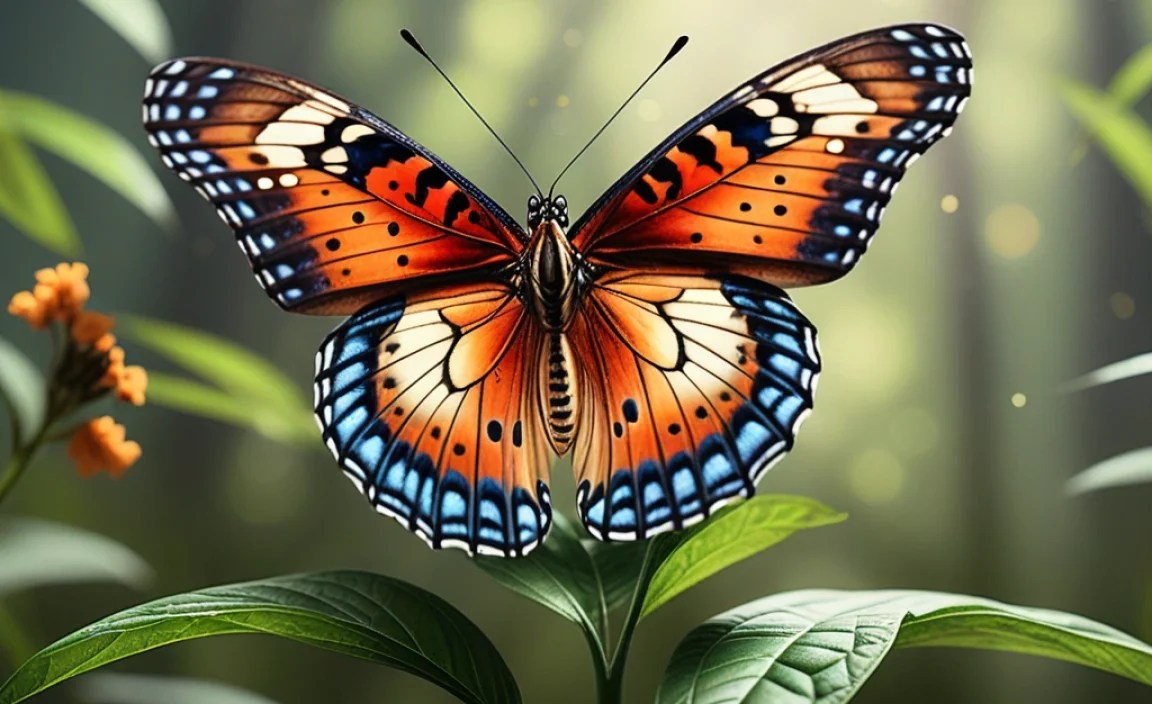
Butterfly ecology is the study of how butterflies interact with their environment. It includes understanding their:
- Life cycles: From egg to caterpillar to pupa to adult.
- Food sources: What caterpillars and adult butterflies eat.
- Habitats: Where they live and breed.
- Relationships with other organisms: How they interact with plants, predators, and other insects.
By studying these aspects, we can learn how to protect butterflies and their habitats. This field helps us understand the impact of environmental changes on butterfly populations.
Why Study Butterfly Ecology?
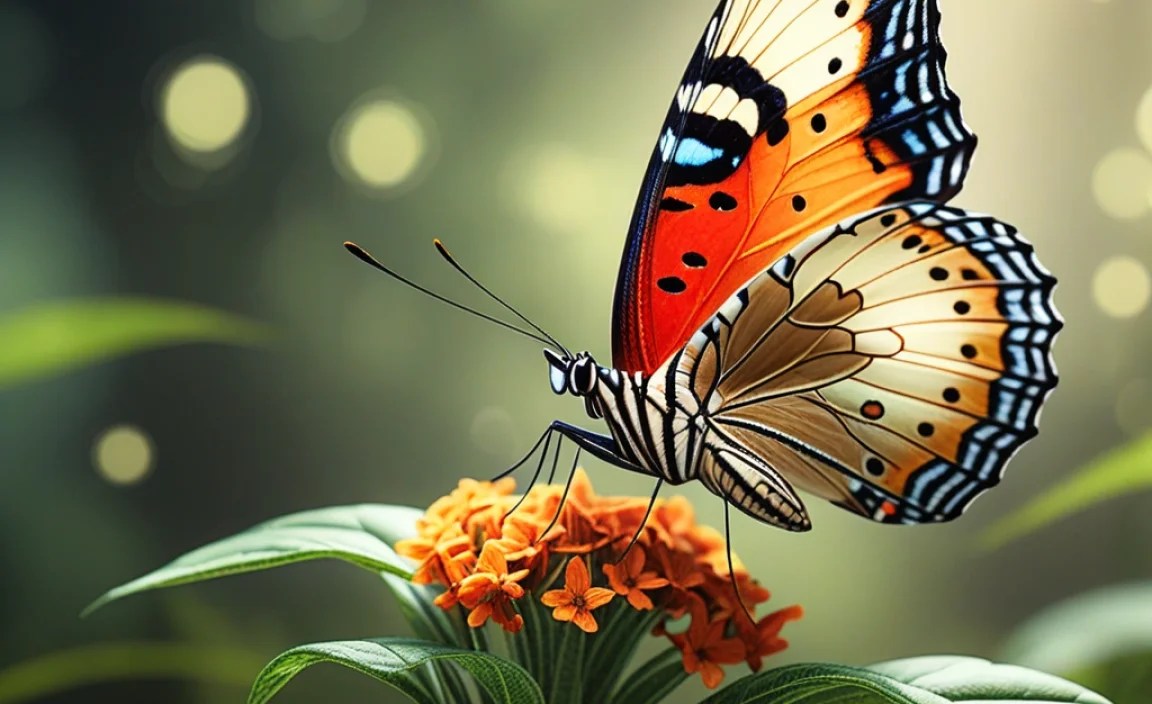
Studying butterfly ecology is crucial for several reasons:
- Conservation: Understanding their needs helps us protect them.
- Ecosystem health: Butterflies are indicators of a healthy environment.
- Pollination: They play a vital role in pollinating plants.
- Education: Learning about butterflies can inspire a love for nature.
Butterflies are sensitive to environmental changes, making them excellent indicators of ecosystem health. By monitoring butterfly populations, we can gain insights into broader environmental issues. Plus, learning about these creatures can inspire a love for nature and encourage conservation efforts.
Getting Started with Butterfly Ecology Studies
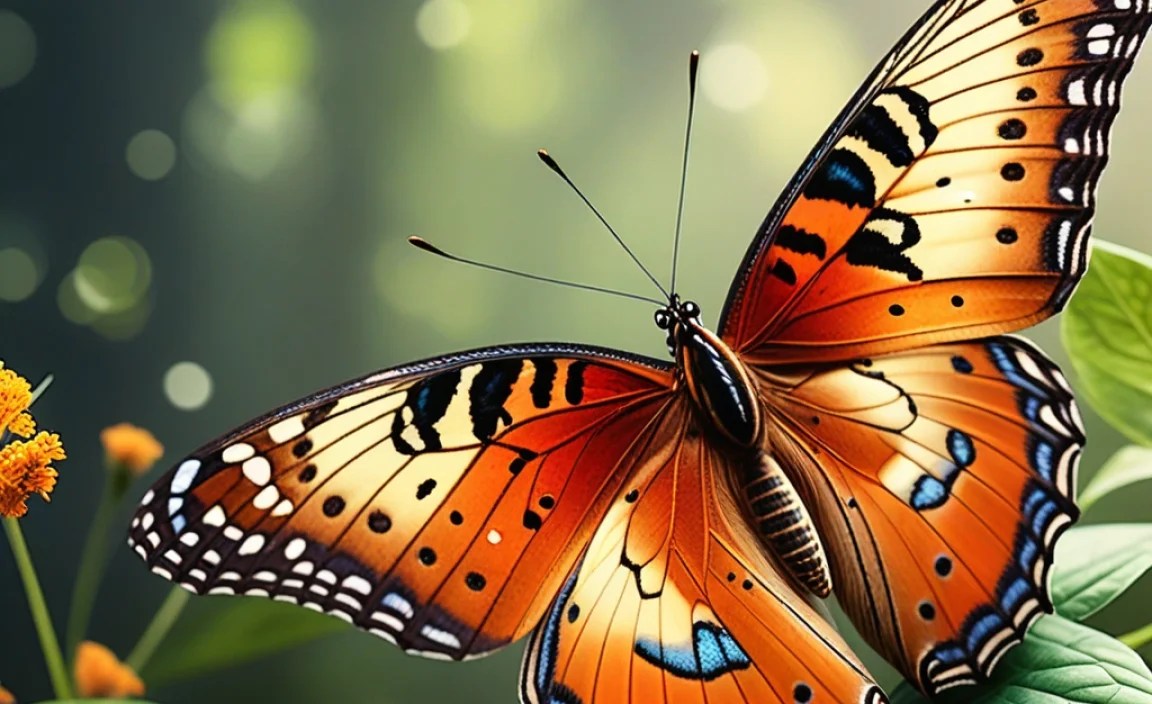
Here are some simple ways to begin studying butterfly ecology:
- Observe butterflies in your backyard: Notice what plants they visit and how they behave.
- Read books and articles: Learn about different butterfly species and their habitats.
- Join a local butterfly club: Connect with other enthusiasts and experts.
- Participate in citizen science projects: Contribute to real research efforts.
Starting with simple observations in your backyard can spark a lifelong interest in butterfly ecology. There are also many resources available, from books and articles to local clubs and citizen science projects, that can help you deepen your understanding.
Essential Tools for Butterfly Ecology Studies
To effectively study butterfly ecology, consider using these tools:
- Binoculars: For observing butterflies from a distance.
- Camera: To document your observations.
- Field guides: To identify different butterfly species.
- Notebook and pen: To record your findings.
- Butterfly net: For capturing butterflies for closer examination (handle with care!).
Having the right tools can enhance your ability to observe and document butterfly behavior. A good pair of binoculars and a camera are essential for capturing detailed observations, while field guides help you identify different species. Always handle butterflies with care if you choose to capture them for closer examination.
Step-by-Step Guide to Butterfly Observation
Follow these steps to conduct your own butterfly observations:
Step 1: Choose a Location
Select a spot where butterflies are likely to be present, such as a garden, meadow, or woodland edge. Look for areas with plenty of flowering plants that attract butterflies. Sunny spots are often best, as butterflies are most active in warm weather.
Step 2: Gather Your Equipment
Bring your binoculars, camera, field guide, notebook, and pen. Wear appropriate clothing for the weather and terrain. Consider bringing a water bottle and sunscreen.
Step 3: Observe and Record
Spend time observing the butterflies in your chosen location. Note the following:
- Species: Use your field guide to identify the butterflies you see.
- Behavior: Record what the butterflies are doing (e.g., feeding, flying, mating).
- Habitat: Note the plants and other features of the environment.
- Date and time: Keep track of when you made your observations.
Be patient and observant. Butterflies can be elusive, but with practice, you’ll become better at spotting them and understanding their behavior. Record as much detail as possible in your notebook.
Step 4: Take Photos
Capture photos of the butterflies you observe. These can be helpful for identification and for sharing your findings with others. Try to get clear shots of the butterfly’s wings and body.
Step 5: Identify the Butterflies
Use your field guide to confirm the identification of the butterflies you photographed. Pay attention to key features such as wing patterns, size, and color. Compare your photos with the illustrations or photos in the field guide.
Step 6: Share Your Findings
Share your observations with others by posting them on social media, submitting them to citizen science projects, or sharing them with local butterfly clubs. Your data can help researchers track butterfly populations and understand their ecology.
Understanding Butterfly Life Cycles
Butterflies undergo a complete metamorphosis, which includes four stages:
- Egg: Butterflies lay their eggs on specific host plants.
- Larva (caterpillar): The caterpillar eats and grows, molting several times.
- Pupa (chrysalis): The caterpillar transforms into a pupa, where it undergoes metamorphosis.
- Adult: The adult butterfly emerges from the pupa, ready to reproduce.
Each stage of the butterfly life cycle is crucial for its survival. Understanding these stages helps us appreciate the complexity of butterfly ecology and the importance of providing suitable habitats for each stage.
Butterfly Habitats and Host Plants
Butterflies need specific habitats and host plants to survive. Here’s a breakdown:
- Habitats: Meadows, gardens, woodlands, and other areas with flowering plants.
- Host plants: Plants that caterpillars feed on. Examples include milkweed for Monarchs and parsley for Swallowtails.
Providing suitable habitats and host plants is essential for supporting butterfly populations. By planting native species and avoiding the use of pesticides, you can create a butterfly-friendly environment in your own backyard.
Attracting Butterflies to Your Garden
Here are some tips for attracting butterflies to your garden:
- Plant nectar-rich flowers: Choose a variety of colors and shapes to attract different species.
- Provide host plants: Plant the specific plants that caterpillars need to feed on.
- Offer a water source: A shallow dish of water with pebbles can provide a place for butterflies to drink.
- Avoid pesticides: Pesticides can harm or kill butterflies and other beneficial insects.
- Provide shelter: Plant shrubs and trees to provide shelter from wind and predators.
Creating a butterfly-friendly garden is a rewarding way to contribute to butterfly conservation. By providing food, water, shelter, and host plants, you can attract a variety of butterfly species to your yard.
Butterfly Migration
Some butterfly species, like the Monarch, undertake long migrations. Here’s what you need to know:
- Monarch migration: Monarchs migrate thousands of miles from Canada and the United States to Mexico and California.
- Navigation: They use a combination of environmental cues, including the sun’s position and the Earth’s magnetic field, to navigate.
- Conservation: Protecting their overwintering habitats and providing milkweed along their migratory routes is crucial for their survival.
Monarch migration is one of the most spectacular natural events in the world. By understanding the challenges that Monarchs face during their migration, we can take steps to protect them and ensure that future generations can witness this incredible phenomenon.
Butterfly Camouflage and Mimicry
Butterflies use camouflage and mimicry to protect themselves from predators. Here’s how:
- Camouflage: Some butterflies have wing patterns that blend in with their surroundings, making them difficult to spot.
- Mimicry: Some butterflies mimic the appearance of other, more toxic species to deter predators.
Camouflage and mimicry are fascinating adaptations that help butterflies survive in a world full of predators. By studying these adaptations, we can gain insights into the complex relationships between butterflies and their environment.
Butterfly Symbolism and Cultural Meanings
Butterflies have been symbols of transformation, hope, and beauty in many cultures. Here are some examples:
- Transformation: The butterfly’s metamorphosis from caterpillar to adult symbolizes personal growth and change.
- Hope: Butterflies are often seen as symbols of hope and new beginnings.
- Beauty: Their delicate wings and vibrant colors make them symbols of beauty and grace.
Butterflies have captured the human imagination for centuries. Their beauty and symbolism continue to inspire artists, writers, and nature lovers around the world.
The Impact of Climate Change on Butterflies
Climate change is affecting butterfly populations in several ways:
- Habitat loss: Changes in temperature and precipitation patterns can alter butterfly habitats.
- Altered migration patterns: Climate change can disrupt butterfly migration patterns, making it difficult for them to find suitable breeding and overwintering grounds.
- Changes in host plant availability: Climate change can affect the availability of host plants, making it difficult for caterpillars to find food.
Addressing climate change is essential for protecting butterfly populations. By reducing our carbon footprint and supporting conservation efforts, we can help ensure that butterflies continue to thrive in a changing world.
Conservation Efforts for Butterflies
There are many ways to get involved in butterfly conservation:
- Create butterfly-friendly habitats: Plant native flowers and host plants in your garden.
- Avoid pesticides: Use natural pest control methods instead of pesticides.
- Support conservation organizations: Donate to or volunteer with organizations that work to protect butterflies and their habitats.
- Educate others: Share your knowledge about butterflies with friends, family, and community members.
- Participate in citizen science projects: Contribute to research efforts by monitoring butterfly populations and habitats.
Every action, big or small, can make a difference in butterfly conservation. By working together, we can protect these beautiful creatures and the ecosystems they depend on.
Citizen Science Projects for Butterfly Enthusiasts
Get involved in these citizen science initiatives:
- North American Butterfly Association (NABA) Butterfly Counts: Participate in annual butterfly counts to monitor populations.
- Journey North: Track Monarch butterfly migration.
- iNaturalist: Share your butterfly observations and help identify species.
Participating in citizen science projects is a great way to contribute to butterfly research and conservation. Your observations can help scientists track butterfly populations, monitor their habitats, and understand the impact of environmental changes.
Resources for Further Learning
Explore these resources to deepen your understanding of butterfly ecology:
- Books: “Butterflies of North America” by Jim P. Brock and Kenn Kaufman.
- Websites: The Xerces Society for Invertebrate Conservation (https://xerces.org/).
- Organizations: North American Butterfly Association (NABA).
There are many excellent resources available to help you learn more about butterfly ecology. Whether you prefer books, websites, or organizations, you’ll find a wealth of information to expand your knowledge and deepen your appreciation for these fascinating creatures.
Butterfly Ecology Studies: Ethical Considerations
When studying butterflies, it’s important to consider ethical guidelines:
- Minimize disturbance: Observe butterflies from a distance and avoid disturbing their habitats.
- Handle with care: If you need to capture a butterfly, do so gently and release it as soon as possible.
- Respect private property: Obtain permission before entering private land.
- Follow local regulations: Be aware of and comply with any local regulations regarding butterfly collection or conservation.
Ethical considerations are paramount when studying butterflies. By minimizing disturbance, handling butterflies with care, respecting private property, and following local regulations, you can ensure that your research is conducted in a responsible and sustainable manner.
Butterfly Ecology Studies: Data Collection Techniques
Effective data collection is essential for butterfly ecology studies. Here are some common techniques:
| Technique | Description | Pros | Cons |
|---|---|---|---|
| Transect Walks | Walking a predetermined path and recording all butterflies observed within a certain distance. | Simple, cost-effective, and provides consistent data over time. | Can be affected by weather conditions and observer bias. |
| Mark-Recapture | Capturing, marking, and releasing butterflies to estimate population size and movement patterns. | Provides valuable data on butterfly abundance and dispersal. | Time-consuming and requires specialized equipment and expertise. |
| Habitat Surveys | Assessing the quality and availability of butterfly habitats, including host plants and nectar sources. | Provides insights into the factors that influence butterfly distribution and abundance. | Can be subjective and require detailed knowledge of butterfly ecology. |
| Photography | Using photographs to identify and document butterflies, as well as to record their behavior and habitat. | Non-invasive and can be used to create a visual record of butterfly diversity. | Requires high-quality equipment and can be challenging in the field. |
Choosing the right data collection techniques depends on the specific research question and the resources available. By using a combination of techniques, researchers can gain a comprehensive understanding of butterfly ecology.
Butterfly Ecology Studies: Analyzing Your Data
Once you’ve collected your data, it’s time to analyze it. Here are some common methods:
- Descriptive statistics: Calculate summary statistics such as mean, median, and standard deviation to describe your data.
- Graphical analysis: Create graphs and charts to visualize your data and identify patterns.
- Statistical tests: Use statistical tests to determine whether there are significant differences between groups or relationships between variables.
Analyzing your data is a crucial step in the research process. By using appropriate statistical methods, you can draw meaningful conclusions and communicate your findings effectively.
FAQ About Butterfly Ecology Studies
What is the main focus of butterfly ecology studies?
Butterfly ecology studies focus on how butterflies interact with their environment, including their life cycles, food sources, habitats, and relationships with other organisms.
Why are butterflies considered good indicators of ecosystem health?
Butterflies are sensitive to environmental changes, so their presence or absence can indicate the health of an ecosystem. A decline in butterfly populations may signal broader environmental problems.
How can I attract more butterflies to my garden?
You can attract butterflies by planting nectar-rich flowers and host plants, providing a water source, avoiding pesticides, and offering shelter from wind and predators.
What is a host plant for butterflies?
A host plant is a specific plant that a butterfly caterpillar feeds on. For example, milkweed is a host plant for Monarch caterpillars.
What is butterfly migration and why is it important?
Butterfly migration is the seasonal movement of butterflies from one region to another. It’s important because it allows butterflies to find suitable breeding and overwintering grounds.
How does climate change affect butterfly populations?
Climate change can affect butterfly populations by altering their habitats, disrupting their migration patterns, and changing the availability of host plants.
What are some citizen science projects I can participate in to study butterflies?
You can participate in projects like the North American Butterfly Association (NABA) Butterfly Counts, Journey North, and iNaturalist to monitor butterfly populations and contribute to research efforts.
Conclusion
Exploring butterfly ecology is a journey into a world of beauty, complexity, and interconnectedness. By understanding how butterflies live, grow, and interact with their environment, we can gain a deeper appreciation for these amazing creatures and the importance of protecting them. Whether you’re observing butterflies in your backyard, participating in citizen science projects, or supporting conservation organizations, every action you take can make a difference. So, let’s continue to learn, explore, and protect the wonderful world of butterflies!


