
DIY Butterfly Habitat: Easy Steps to Attract Butterflies

Quick Summary: Want to create a beautiful space for butterflies right in your backyard? Building a DIY butterfly habitat is easier than you think! You’ll need a sunny spot, nectar-rich flowers for adults, host plants for caterpillars, a water source, and shelter from the wind. With a few simple steps, you can attract these amazing creatures and help their populations thrive.
Butterflies are more than just pretty insects flitting around your garden. They’re important pollinators, just like bees, and they play a vital role in our ecosystem. Unfortunately, butterfly populations are declining due to habitat loss and pesticide use. But don’t worry! You can make a real difference by creating your own butterfly haven. It’s a rewarding project that brings beauty and life to your yard. You’ll be amazed at how quickly butterflies find your new habitat!
This guide will walk you through every step of building a DIY butterfly habitat, from choosing the right plants to providing essential resources. Get ready to welcome these colorful visitors and enjoy the magic of butterflies up close!
Why Build a DIY Butterfly Habitat?

Creating a butterfly habitat is beneficial for both butterflies and you! Here’s why it’s a great idea:
- Supports Butterfly Conservation: You’re providing a safe place for butterflies to feed, lay eggs, and complete their life cycle.
- Enhances Your Garden’s Beauty: Butterfly gardens are filled with colorful flowers and the graceful flight of butterflies.
- Provides Educational Opportunities: It’s a fantastic way to learn about nature and teach children about the importance of insects.
- Attracts Pollinators: A butterfly garden also attracts other beneficial pollinators like bees and hummingbirds.
- Reduces Stress: Spending time in nature is known to lower stress levels and improve overall well-being.
Planning Your Butterfly Habitat

Before you start planting, take some time to plan your butterfly habitat. Consider these factors:
1. Location, Location, Location!
Butterflies need sunshine to warm their bodies and fly. Choose a spot that gets at least six hours of sunlight per day. It should also be sheltered from strong winds, which can make it difficult for butterflies to feed and fly. A south-facing location is often ideal.
2. Size Matters (Sort Of)
You don’t need a huge yard to create a butterfly habitat. Even a small garden or a few container plants can make a difference. The key is to provide the right resources in a concentrated area. Start small and expand as you learn what works best in your area.
3. Know Your Butterflies
Research which butterfly species are native to your area. This will help you choose the right host plants and nectar sources. Local nurseries and extension offices are great resources for this information. The Xerces Society also provides excellent regional guides.
Choosing the Right Plants
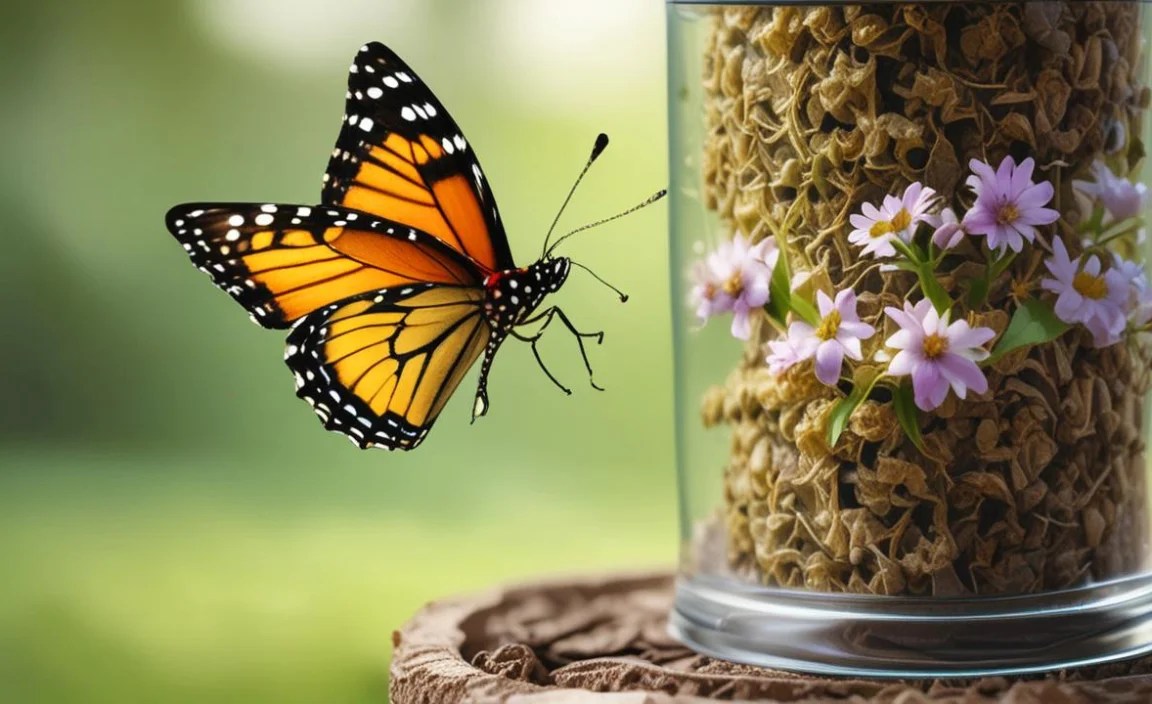
The most important part of a butterfly habitat is the plants! You need two types of plants: nectar plants for adult butterflies and host plants for caterpillars.
Nectar Plants: Food for Adult Butterflies
Nectar plants provide the energy that adult butterflies need to fly, mate, and lay eggs. Choose plants with bright, colorful flowers that are rich in nectar. Native plants are often the best choice because they are adapted to your local climate and attract local butterfly species.
Here are some popular nectar plants:
- Butterfly Bush (Buddleja davidii): A classic choice that attracts many butterfly species. (Note: Can be invasive in some areas, so consider a sterile cultivar.)
- Purple Coneflower (Echinacea purpurea): A beautiful and easy-to-grow native plant.
- Zinnia (Zinnia elegans): A colorful annual that blooms all summer long.
- Lantana (Lantana camara): A heat-tolerant plant with clusters of colorful flowers.
- Salvia (Salvia spp.): A wide variety of salvia species attract butterflies and hummingbirds.
- Asters (Symphyotrichum spp.): Late-blooming flowers that provide nectar for migrating butterflies.
Host Plants: Food for Caterpillars
Host plants are essential for the butterfly life cycle. These are the plants that caterpillars eat. Without host plants, butterflies cannot reproduce. It’s important to remember that caterpillars *will* eat these plants, so don’t be alarmed by some leaf damage! That’s a sign your habitat is working.
Here are some popular host plants and the butterflies they support:
| Host Plant | Butterfly Species |
|---|---|
| Milkweed (Asclepias spp.) | Monarch Butterfly |
| Dill, Fennel, Parsley (Anethum graveolens, Foeniculum vulgare, Petroselinum crispum) | Swallowtail Butterflies |
| Spicebush (Lindera benzoin) | Spicebush Swallowtail |
| Violet (Viola spp.) | Fritillary Butterflies |
| Oak Trees (Quercus spp.) | Various Hairstreak Butterflies |
| Cabbage, Broccoli, Kale (Brassica oleracea) | Cabbage White Butterfly |
Important Note: Avoid using pesticides in your butterfly habitat! Pesticides can kill caterpillars and butterflies. Choose organic gardening methods instead.
Building Your DIY Butterfly Habitat: Step-by-Step

Now that you’ve planned your habitat and chosen your plants, it’s time to get your hands dirty! Here’s a step-by-step guide to building your DIY butterfly paradise:
Step 1: Prepare the Soil
Most butterfly-friendly plants prefer well-drained soil. Amend your soil with compost or other organic matter to improve drainage and fertility. Remove any weeds or grass from the planting area.
Step 2: Plant Your Flowers and Host Plants
Follow the planting instructions for each plant. Group plants with similar needs together. Place nectar plants in sunny areas and host plants in areas where caterpillars can munch in peace. Consider planting in clumps of the same species; this makes it easier for butterflies to find their preferred plants.
Step 3: Provide a Water Source
Butterflies need water, but they can’t drink from deep puddles. Create a shallow water source by filling a shallow dish with water and adding pebbles or marbles for the butterflies to land on. Keep the dish filled with fresh water.
Step 4: Add Shelter
Butterflies need shelter from the wind and rain. Plant shrubs or tall grasses around the perimeter of your habitat to provide protection. You can also create a butterfly house by drilling holes in a log or piece of wood. While butterfly houses are more for decoration, they can provide a bit of shelter.
Step 5: Add a Sunning Spot
Butterflies are cold-blooded and need to bask in the sun to warm up. Place flat rocks or dark-colored pavers in your habitat for butterflies to sun themselves on. Dark colors absorb heat more efficiently.
Step 6: Mulch Your Garden
Apply a layer of mulch around your plants to help retain moisture, suppress weeds, and regulate soil temperature. Use organic mulch such as shredded bark or straw.
Step 7: Observe and Enjoy!
Now that your butterfly habitat is complete, it’s time to sit back and enjoy the show! Watch as butterflies visit your garden to feed, lay eggs, and flutter about. Take notes on which plants are most popular and adjust your habitat accordingly.
Maintaining Your Butterfly Habitat

A little maintenance will keep your butterfly habitat thriving. Here are some tips:
- Water Regularly: Water your plants regularly, especially during dry spells.
- Weed Your Garden: Remove weeds regularly to prevent them from competing with your butterfly plants.
- Deadhead Flowers: Deadhead spent flowers to encourage more blooms.
- Prune Plants: Prune plants as needed to keep them healthy and attractive.
- Avoid Pesticides: Never use pesticides in your butterfly habitat.
- Leave the Leaves: In the fall, leave some leaf litter in your garden to provide overwintering habitat for butterflies and other insects.
Advanced Butterfly Gardening Tips
Ready to take your butterfly gardening to the next level? Here are some advanced tips:
1. Create a Butterfly Puddling Station
Butterflies need minerals and salts in addition to nectar. Create a puddling station by burying a container filled with sand and water. Add a pinch of sea salt or wood ashes to the water to provide essential minerals. Keep the sand moist.
2. Plant a Succession of Blooms
To attract butterflies throughout the growing season, plant a succession of blooms. Choose plants that bloom at different times of the year to provide a continuous source of nectar.
3. Grow Native Plants
Native plants are often the best choice for butterfly gardens because they are adapted to your local climate and attract local butterfly species. Contact your local native plant society for recommendations.
4. Provide Overwintering Habitat
Many butterflies overwinter as caterpillars, pupae, or adults. Provide overwintering habitat by leaving leaf litter in your garden, allowing plants to stand over the winter, and providing brush piles.
5. Participate in Citizen Science
Contribute to butterfly conservation by participating in citizen science projects. Report your butterfly sightings to organizations like the North American Butterfly Association (NABA) or Journey North.
Troubleshooting Common Problems
Even with the best planning, you may encounter some problems in your butterfly habitat. Here are some common issues and how to address them:
| Problem | Solution |
|---|---|
| Lack of Butterflies | Make sure you have both nectar plants and host plants. Ensure your plants are getting enough sunlight and water. Avoid using pesticides. |
| Caterpillars Eating Everything! | That’s a good sign! Remember, caterpillars need to eat. If they are decimating a plant, consider planting more of that species. |
| Pests on Plants | Use organic pest control methods such as insecticidal soap or neem oil. Attract beneficial insects like ladybugs to control pests. |
| Plants Not Thriving | Check the soil pH and nutrient levels. Amend the soil with compost or fertilizer as needed. Make sure your plants are getting enough sunlight and water. |
DIY Butterfly Feeder Project
Want to give butterflies an extra treat? You can easily make a DIY butterfly feeder using simple materials.
Materials You’ll Need:
- Shallow dish or plate
- Sponge or cotton balls
- Sugar
- Water
- String or wire
Instructions:
- Mix one part sugar with four parts water to create a sugar solution.
- Soak the sponge or cotton balls in the sugar solution.
- Place the soaked sponge or cotton balls in the shallow dish or plate.
- Hang the feeder from a tree branch or post using string or wire.
- Refill the feeder with fresh sugar solution every few days.
FAQ About DIY Butterfly Habitats
Q: What’s the best time of year to start a butterfly habitat?
A: Spring is the ideal time to start, as you can plant seedlings and watch them grow throughout the summer. However, you can plant in the fall as well, giving plants a head start before winter.
Q: How do I attract Monarch butterflies to my garden?
A: Plant milkweed! Milkweed is the only host plant for Monarch caterpillars. Choose native milkweed species for your area.
Q: Do butterfly houses really work?
A: Butterfly houses are more decorative than functional. While butterflies may use them for shelter, they are not essential for a butterfly habitat. Focus on providing the right plants and resources first.
Q: How can I protect caterpillars from predators?
A: Providing dense foliage and shrubs can offer caterpillars some protection from birds and other predators. You can also create a caterpillar cage using netting to protect them.
Q: What do I do if my butterfly plants get aphids?
A: Aphids can be controlled with insecticidal soap or a strong spray of water. Attract beneficial insects like ladybugs and lacewings, which feed on aphids.
Q: How much does it cost to build a butterfly habitat?
A: The cost varies depending on the size of your habitat and the plants you choose. You can start small with a few inexpensive plants and gradually expand your garden over time. Using seeds instead of established plants can also save money.
Q: Can I create a butterfly habitat in containers?
A: Absolutely! Container gardening is a great option for small spaces. Choose large containers and fill them with well-draining potting mix. Select dwarf or compact varieties of butterfly-friendly plants.
Conclusion
Creating a DIY butterfly habitat is a rewarding experience that connects you with nature and helps support these beautiful creatures. By providing the right plants, water, and shelter, you can transform your yard into a butterfly haven. Remember to avoid pesticides, choose native plants whenever possible, and enjoy the magic of butterflies in your own backyard. Every small effort makes a big difference!
So get out there, start planting, and watch your garden come alive with the flutter of wings. You’ll not only be creating a beautiful space for butterflies, but also contributing to their conservation and bringing joy to your own life. Happy gardening!


