
Easy Gatekeeper Butterfly Identification: Spot it!

Quick Summary: Identifying a Gatekeeper butterfly is easy! Look for its bright orange wings with a distinctive dark brown border and one or two white-centered black spots (ocelli) on the forewing tips. These butterflies are common in grasslands and hedgerows in the UK and Europe, often seen basking in the sun. Size and flight patterns also aid identification.
Have you ever spotted a vibrant orange butterfly flitting among the hedgerows and wondered what it was? Many butterflies look similar, and it can be tricky to tell them apart! Identifying butterflies is a rewarding skill that connects you more deeply with nature. This guide will help you confidently identify the Gatekeeper butterfly, a beautiful and common species. We’ll break down the key features, habitats, and behaviors that make this butterfly unique. Get ready to impress your friends and family with your newfound butterfly knowledge!
Gatekeeper Butterfly Identification: A Step-by-Step Guide
The Gatekeeper butterfly (Pyronia tithonus) is a delightful sight in grasslands and gardens across the UK and parts of Europe. With its warm orange hues and distinctive markings, it’s a relatively easy butterfly to identify. Let’s dive into the key characteristics that will help you distinguish it from other similar species.
Step 1: Observe the Wing Color and Markings
The most striking feature of the Gatekeeper butterfly is its wing coloration. Pay close attention to the following:
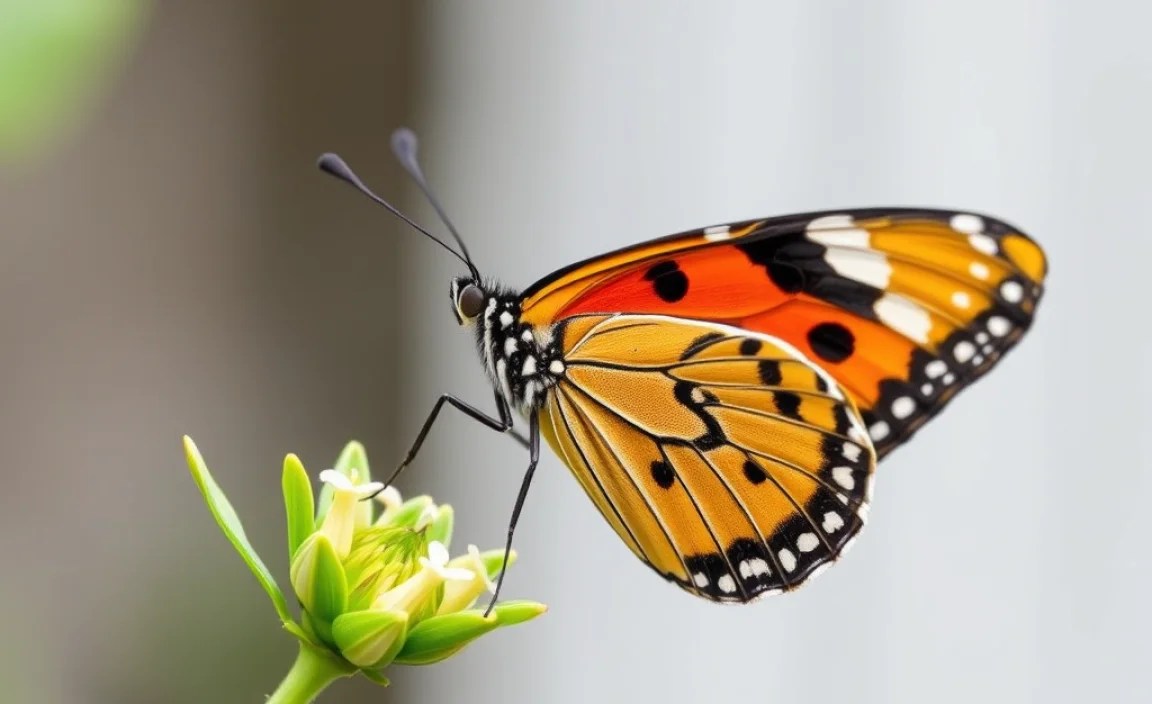
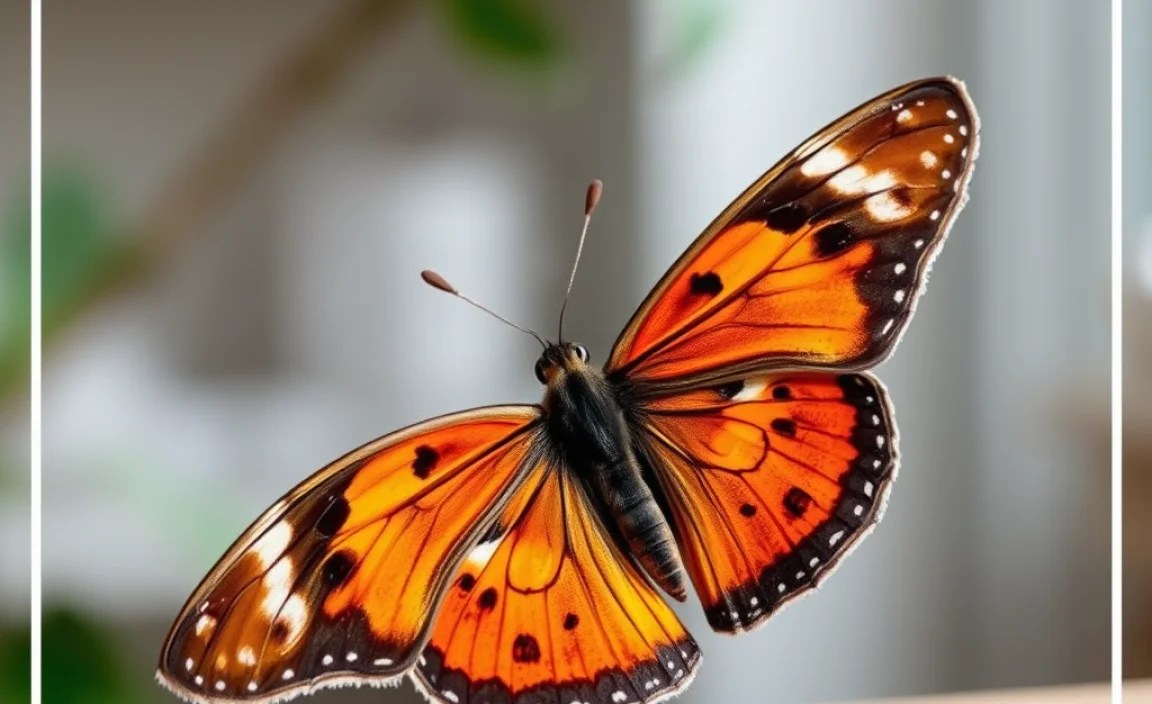
- Upperside: The wings are predominantly bright orange. The males have a noticeable dark brown border, which is wider and more pronounced than in females.
- Underside: The underside of the hindwing is a mottled brown with faint dark markings. This provides excellent camouflage when the butterfly is at rest.
- Ocelli (Eyespots): The most important identifying mark is the presence of one or two white-pupilled black spots (ocelli) near the tip of the forewing. Usually, there are two spots, but occasionally, one may be missing.
Step 2: Check the Size and Shape
Size can be a helpful clue, although there can be some variation within the species. Note the following:
- Wingspan: Gatekeeper butterflies typically have a wingspan of 38-47 mm (1.5-1.9 inches).
- Wing Shape: The wings are relatively rounded, not as angular as some other butterfly species.
Step 3: Note the Habitat and Location
Knowing where you spotted the butterfly can narrow down the possibilities. Consider these habitat preferences:
- Habitat: Gatekeepers are most commonly found in grasslands, hedgerows, woodland edges, and gardens. They prefer areas with long grasses and plenty of nectar sources.
- Location: They are widespread in southern Britain and Ireland, becoming less common further north. They are also found in parts of mainland Europe. Check range maps for your specific region on websites like Butterfly Conservation.
Step 4: Observe the Behavior and Flight Pattern
A butterfly’s behavior can also provide clues to its identity:
- Flight: The Gatekeeper has a rapid, darting flight. They often fly low to the ground, close to vegetation.
- Basking: They are frequently seen basking in the sun with their wings open, especially in the morning.
- Nectaring: Gatekeepers are attracted to a variety of nectar-rich flowers, such as brambles, thistles, and knapweed.
Step 5: Distinguishing Gatekeepers from Similar Butterflies
The Gatekeeper can sometimes be confused with other orange butterflies, especially the Meadow Brown and Small Heath. Here’s how to tell them apart:
- Meadow Brown (Maniola jurtina): Meadow Browns are generally larger and have a more uniform brown color. They typically have only one eyespot on the forewing, and it’s often less distinct. The underside of the hindwing is less mottled than in the Gatekeeper.
- Small Heath (Coenonympha pamphilus): Small Heaths are much smaller than Gatekeepers and have a paler orange color. They have a single, small eyespot on the forewing, and the underside of the hindwing is a pale greyish-brown with a faint pale band.
| Feature | Gatekeeper (Pyronia tithonus) | Meadow Brown (Maniola jurtina) | Small Heath (Coenonympha pamphilus) |
|---|---|---|---|
| Size | 38-47 mm wingspan | 45-55 mm wingspan | 30-34 mm wingspan |
| Upperside Color | Bright orange with dark brown border | Uniform brown | Pale orange |
| Ocelli (Eyespots) | One or two, white-pupilled | Usually one, less distinct | One, small |
| Habitat | Grasslands, hedgerows, woodland edges | Grasslands, meadows | Dry grasslands, heaths |
Digging Deeper: More About the Gatekeeper Butterfly
Once you’ve mastered the basics of identifying Gatekeeper butterflies, you might be curious to learn more about their life cycle, behavior, and ecological role.
Life Cycle
Like all butterflies, the Gatekeeper undergoes complete metamorphosis. Here’s a brief overview of its life cycle:
- Egg: The female lays small, pale green eggs on grasses, usually near the base of the plant.
- Larva (Caterpillar): The caterpillar is green with pale stripes and feeds on various grasses. It overwinters as a small larva.
- Pupa (Chrysalis): The pupa is green or brown and hangs from a grass stem or other vegetation.
- Adult: The adult butterfly emerges from the pupa and begins its brief life of feeding and reproduction.
Diet and Nectar Sources
Adult Gatekeeper butterflies feed on nectar from a variety of flowers. They are particularly fond of:
- Brambles (Rubus fruticosus)
- Thistles (Cirsium spp.)
- Knapweed (Centaurea nigra)
- Wild Marjoram (Origanum vulgare)
- Ragwort (Jacobaea vulgaris)
Caterpillars feed on various grasses, including:
- Cock’s-foot (Dactylis glomerata)
- Fescues (Festuca spp.)
- Bents (Agrostis spp.)
Conservation Status and Threats
While the Gatekeeper is currently a common butterfly in many areas, it’s important to be aware of the threats it faces and how we can help protect it. Habitat loss due to agricultural intensification, development, and inappropriate management of grasslands are major concerns. Climate change may also be impacting their distribution and abundance. You can support butterfly conservation efforts by:
- Creating butterfly-friendly gardens with nectar-rich flowers and larval food plants.
- Supporting organizations like Butterfly Conservation that work to protect butterfly habitats.
- Reducing your use of pesticides and herbicides, which can harm butterflies and other insects.
- Participating in citizen science projects, such as butterfly surveys, to help monitor populations.
Attracting Gatekeeper Butterflies to Your Garden

Want to see more Gatekeeper butterflies in your backyard? Here’s how to create a butterfly-friendly habitat:
Plant Nectar-Rich Flowers
Choose a variety of flowers that bloom at different times of the year to provide a continuous source of nectar. Some excellent choices include:
- Buddleja (Butterfly Bush)
- Lavender
- Sedum (Stonecrop)
- Verbena
- Echinacea (Coneflower)
Provide Larval Food Plants
Don’t forget to include grasses for the caterpillars to feed on. Allow some areas of your lawn to grow longer or create a dedicated wildflower meadow area.
Avoid Pesticides
Pesticides can be harmful to butterflies and other beneficial insects. Choose organic gardening methods whenever possible.
Provide Shelter
Butterflies need shelter from wind and rain. Plant shrubs and trees to create a sheltered environment.
Offer a Water Source
Butterflies also need water. Provide a shallow dish of water with pebbles or marbles for them to land on.
Gatekeeper Butterfly: Fun Facts
Here are some interesting facts about the Gatekeeper butterfly:
- The Gatekeeper gets its name from its habit of being seen near field gates and hedgerows.
- The number of spots on the forewing can vary. Some individuals have one spot, while others have two.
- Gatekeepers are most active on warm, sunny days.
- They are relatively short-lived, with adults typically living for only a few weeks.
- The Gatekeeper is an important pollinator, helping to fertilize wildflowers and crops.
Gatekeeper Butterfly Identification: Visual Aids

Sometimes, a visual aid can be incredibly helpful. Here’s a table highlighting key visual characteristics:
| Characteristic | Description | Why It Helps |
|---|---|---|
| Wing Color (Upper) | Bright orange with dark brown border (males have a wider border) | Distinguishes from similar brown butterflies. |
| Ocelli (Eyespots) | One or two white-pupilled black spots on forewing tip | Key identifier; differentiates from Meadow Brown. |
| Hindwing Underside | Mottled brown with faint dark markings | Camouflage pattern when wings are closed. |
| Size | 38-47 mm wingspan | Helps rule out significantly smaller or larger species. |
Gatekeeper Butterfly Identification: Tools and Resources
There are several tools and resources available to help you identify butterflies:
- Butterfly Identification Guides: Field guides with detailed descriptions and illustrations are invaluable.
- Online Resources: Websites like Butterfly Conservation and UK Butterflies offer a wealth of information and photos.
- Butterfly Identification Apps: Several smartphone apps can help you identify butterflies based on photos or descriptions.
- Local butterfly Groups: Joining a local butterfly group is a great way to learn from experienced enthusiasts and participate in butterfly surveys.
FAQ: Gatekeeper Butterfly Identification
What is the best time of year to see Gatekeeper butterflies?
Gatekeeper butterflies are typically seen from July to September, with peak activity in August.
Where is the Gatekeeper butterfly found?
Gatekeeper butterflies are found in southern Britain and Ireland, becoming less common further north. They are also found in parts of mainland Europe.
What do Gatekeeper caterpillars eat?
Gatekeeper caterpillars feed on various grasses, including Cock’s-foot, Fescues, and Bents.
How many generations of Gatekeeper butterflies are there per year?
There is usually one generation of Gatekeeper butterflies per year.
Are Gatekeeper butterflies endangered?
While not currently endangered, Gatekeeper populations are facing threats from habitat loss and climate change. Conservation efforts are important to ensure their continued survival.
What is the difference between a male and female Gatekeeper butterfly?
The main difference is the width of the dark brown border on the upperside of the wings. Males have a wider, more pronounced border than females.
Can I identify a Gatekeeper butterfly by its flight pattern?
Yes, the Gatekeeper has a rapid, darting flight and often flies low to the ground, which can help distinguish it from other species.
Conclusion
Identifying the Gatekeeper butterfly is a wonderful way to connect with the natural world. By paying attention to wing color, markings, size, habitat, and behavior, you can confidently distinguish this beautiful butterfly from other similar species. Remember to support butterfly conservation efforts by creating butterfly-friendly habitats and reducing your use of pesticides. With a little practice and observation, you’ll be spotting Gatekeepers and other butterflies like a pro in no time. Happy butterflying!


