
How to Identify Fritillary by Spots: Easy Guide

Have you ever seen a butterfly with cool spots? Some butterflies, called fritillaries, have spots on their wings. These spots help us know which fritillary it is. Learning how to identify fritillary by spots is fun. It is like being a butterfly detective!
Fritillaries are pretty butterflies. They fly in gardens and fields. Each kind has different spots. Let’s learn how to identify fritillary by spots. We can then tell them apart. It’s like learning a secret code.
Do you want to know a secret about butterflies? The spots are not just for show. They also help the butterflies hide. The spots can confuse birds. This helps the fritillary stay safe. That is one reason how to identify fritillary by spots is helpful.
Key Takeaways
- Knowing how to identify fritillary by spots helps you name different butterflies.
- Fritillary spots come in many shapes, sizes, and colors.
- Spot patterns help butterflies hide from predators in their habitats.
- Look closely at the wing patterns to tell fritillaries apart.
- Different fritillary types live in specific places, aiding identification.
How to Identify Fritillary by Spots on Wings

Fritillary butterflies are known for their beautiful and intricate wing patterns. The spots on their wings are a key feature. These spots help us tell the different types of fritillaries apart. To start, pay close attention to the size, shape, and color of the spots. Some fritillaries have round spots. Others have oval or irregular spots. The color can range from black to orange to silver. Also, check where the spots are located on the wings. Some may be near the edges. Others might be closer to the body. The arrangement of the spots is also important. Are they in a straight line? Are they scattered randomly? All these details will give you clues. Identifying fritillary by spots requires a keen eye. It also requires some patience. But with practice, you’ll become an expert!
- Note the spot size (small, medium, large).
- Observe the spot shape (round, oval, irregular).
- Check the spot color (black, orange, silver).
- See where spots are on the wing (edge, center).
- Note if spots form lines or random patterns.
Remember that lighting can affect how the spots look. Bright sunlight can make colors appear more vibrant. Shade can make them look darker. Always try to observe the butterflies in different lighting conditions. This will help you get a better sense of their true colors and patterns. Also, keep in mind that the upper and lower sides of the wings might have different patterns. So, be sure to look at both sides if possible. With careful observation, identifying fritillary by spots becomes an enjoyable and rewarding activity. You are learning about nature and its amazing diversity. You’re also honing your observation skills.
Fun Fact or Stat: Some fritillary butterflies have spots that look like tiny eyes. These “eye spots” help to scare away predators!
What Spot Colors Are Common?
Have you ever wondered why butterflies have different colored spots? Spot color is important for identifying fritillary by spots. The most common colors are black, orange, and silver. Black spots often appear as bold markings. They create a strong contrast against the wing color. Orange spots can range from bright and fiery to soft and subtle. Silver spots give the butterfly a shimmering effect. The colors are made by tiny scales on the wings. These scales reflect light in different ways. Some fritillaries have spots that change color depending on the angle of light. This is called iridescence. Spot colors can also vary based on the butterfly’s diet and environment. So, the next time you see a fritillary, take a close look at the spot colors. They can tell you a lot about the butterfly.
Do Spot Patterns Change?
Imagine if your fingerprints changed every day! For fritillary butterflies, spot patterns are usually consistent. But there can be some small changes. These changes depend on things like temperature and food. In colder areas, fritillaries may have darker spots. Darker colors help them absorb more heat from the sun. If a caterpillar eats different plants, the adult butterfly’s spots may look a bit different. Spot patterns are mostly the same. Spot patterns are a reliable way to tell different fritillary types apart. Remember, nature always has surprises. So, keep your eyes open for unique variations.
How Do Spots Help Fritillaries Survive?
Why do fritillaries have spots in the first place? Spots help them survive! The spots act like camouflage. Camouflage helps the butterflies blend in with their surroundings. When a butterfly is resting on a plant, the spots make it harder to see. This protects them from predators like birds. Some spots look like eyes. These “eye spots” can startle predators. This gives the butterfly a chance to escape. Spots also help fritillaries attract mates. Male and female butterflies may have different spot patterns. They use these patterns to recognize each other. So, the next time you see a fritillary, remember that those spots are important for survival. Spots help them hide, scare predators, and find partners.
Comparing Spot Patterns Across Fritillary Species
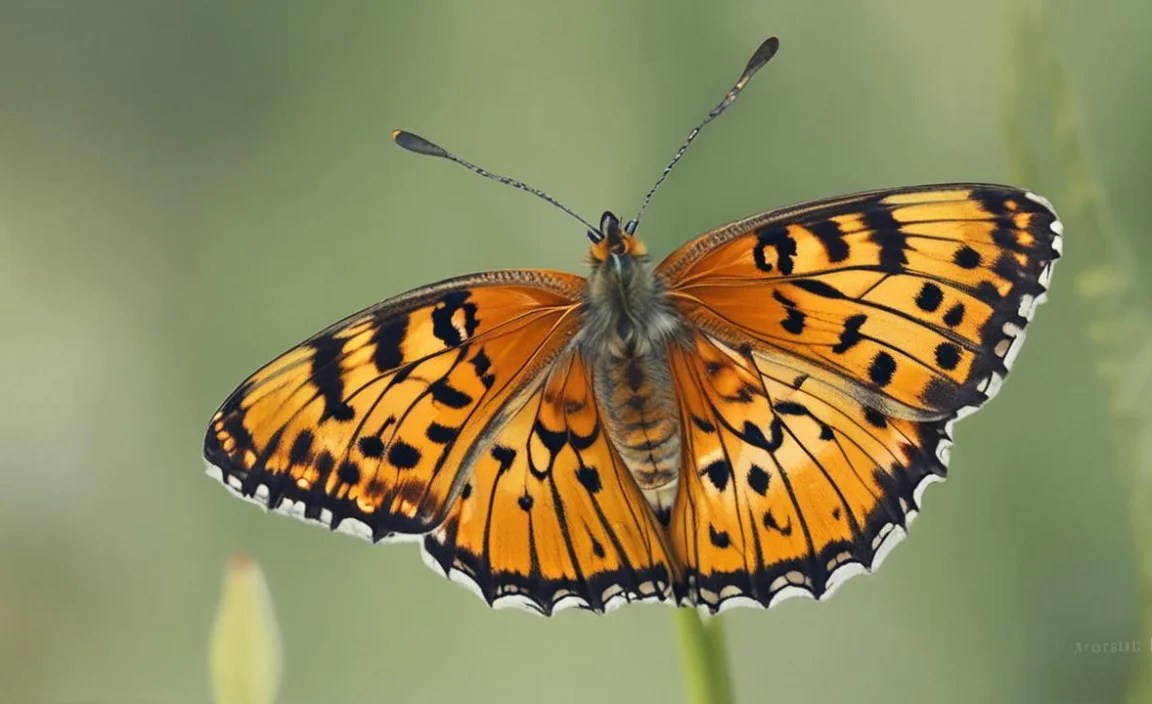
Comparing spot patterns is key to how to identify fritillary by spots. Different species have unique markings. The Great Spangled Fritillary has large, bold black spots. The Aphrodite Fritillary has smaller, more delicate spots. The Atlantis Fritillary has a mix of both. Look at the arrangement of the spots too. Some species have spots in neat rows. Others have spots scattered randomly. Also, consider the color of the spots. Some fritillaries have orange spots. Others have silver or white spots. Using these features, you can compare and contrast different species. This will help you learn how to tell them apart. Remember to use a field guide or online resources. These guides can show you pictures of different fritillary species. They can also describe their unique spot patterns.
- Great Spangled: Large, bold black spots.
- Aphrodite: Smaller, delicate black spots.
- Atlantis: Mix of sizes, black spots.
- Silver-bordered: Silver spots on wing edges.
- Variegated: Irregular spot patterns.
It’s helpful to create a chart or table to compare the spot patterns. Include columns for spot size, shape, color, and arrangement. You can then fill in the details for each species. This will make it easier to see the differences. Also, remember that there can be some variation within a species. Not every individual will look exactly the same. But the general pattern will usually be consistent. By practicing your observation skills, you’ll become more confident in your ability to identify fritillary by spots. You’ll also gain a deeper appreciation for the diversity of these beautiful butterflies. Keep a notebook to record your observations. This will help you track your progress. It will also provide a valuable resource for future reference.
Fun Fact or Stat: Some fritillary species can be identified by the number of spots they have on their wings!
What is a Great Spangled Fritillary?
The Great Spangled Fritillary is a large, beautiful butterfly. It is known for its bright orange wings and bold black spots. These spots are large and round. They stand out against the orange background. This butterfly is common in meadows and fields. It likes to feed on nectar from flowers. Great Spangled Fritillaries are important pollinators. They help plants make seeds. The caterpillars eat violet leaves. This is why you often find these butterflies near violet plants. When identifying fritillary by spots, remember the large, spangled appearance of this species. It is a true gem of the butterfly world. Its presence brightens up any summer day.
What is an Aphrodite Fritillary?
Have you ever seen a butterfly with a goddess’s name? The Aphrodite Fritillary is named after the Greek goddess of love. This butterfly is smaller than the Great Spangled Fritillary. Its spots are also smaller and more delicate. They are black and round. They are arranged in a neat pattern on the wings. The Aphrodite Fritillary is found in woodlands and forests. It prefers shady areas. The caterpillars feed on violet leaves. Just like the Great Spangled Fritillary. The Aphrodite Fritillary is a symbol of beauty and grace. Its delicate spots make it a joy to behold. Spot patterns are essential for recognizing them.
What is a Variegated Fritillary?
Imagine a butterfly with an artistic flair! The Variegated Fritillary has irregular spot patterns. The spots vary in size and shape. They are black and brown. They are scattered across the wings. This butterfly is found in open areas. It can be seen near roadsides and gardens. The Variegated Fritillary is a fast flyer. It zips from flower to flower. The caterpillars eat a variety of plants. Unlike other fritillaries. The Variegated Fritillary is a unique and interesting butterfly. Its irregular spot patterns make it stand out. It’s easy to see how to identify fritillary by spots when you know the patterns.
Using Field Guides to Identify Fritillary by Spots

Field guides are essential tools for how to identify fritillary by spots. These guides provide pictures and descriptions of different fritillary species. They often include detailed information about spot patterns. When using a field guide, start by comparing your butterfly to the pictures. Pay close attention to the size, shape, and color of the spots. Read the description to learn more about the butterfly’s habitat and behavior. Some field guides also include range maps. These maps show where each species is found. This can help you narrow down the possibilities. Remember to use multiple sources. No single field guide is perfect. By consulting several guides, you can get a more complete picture. With practice, you’ll become a skilled butterfly identifier.
- Look at pictures of different species.
- Read descriptions of spot patterns.
- Check range maps to see where it lives.
- Compare your butterfly to the guide.
- Use multiple field guides for accuracy.
Field guides are not just for experts. They are also great for beginners. Many field guides are designed to be easy to use. They use simple language and clear illustrations. Some guides even include identification keys. These keys ask a series of questions. The questions help you narrow down the possibilities. For example, a key might ask: “Are the spots black or orange?” By answering the questions, you can eventually identify your butterfly. Field guides can also help you learn about butterfly conservation. Many species are threatened by habitat loss and climate change. By learning about these threats, you can take action to protect butterflies. You can plant native flowers in your garden. You can also support organizations that work to conserve butterfly habitats.
Fun Fact or Stat: Some field guides are available as apps for your phone or tablet. This makes it even easier to identify fritillary butterflies on the go!
What Features Do Good Guides Have?
What makes a good butterfly field guide? Good guides have clear pictures. The pictures should show the butterflies from different angles. The pictures should show both the upper and lower sides of the wings. Good guides also have detailed descriptions. The descriptions should include information about spot patterns. They should also include information about size, color, and habitat. A good guide has a simple key. It should be easy to use. Good guides also have range maps. These maps show where the butterflies live. A good guide is up-to-date. It has the latest information. Look for guides written by experts. Experts understand how to identify fritillary by spots. They know what to look for.
How Can I Use a Guide Effectively?
Using a butterfly field guide can be easy. Start by looking at the pictures. Find a picture that looks like your butterfly. Then, read the description. See if the description matches your butterfly. Pay attention to the spot patterns. Do the spots match? Check the size and color. Does the size and color match? Look at the habitat. Does your butterfly live in the same place? Use the key. Follow the questions. Answer them carefully. Check the range map. Does your butterfly live in that area? Compare your butterfly to other species. Make sure you have the right one. Keep practicing. The more you use the guide, the better you will get. Soon you will know how to identify fritillary by spots.
Are There Online Guides I Can Use?
The internet has many resources for learning about butterflies. There are many online guides. These guides have pictures and descriptions. Some guides even have videos. Online guides can be helpful. But be careful. Make sure the information is correct. Look for guides from trusted sources. Universities and museums often have good online guides. Butterfly organizations also have good guides. Use multiple sources. Do not rely on just one guide. Compare the information. Make sure it is consistent. Online guides can be a great way to learn about butterflies. But you need to be careful. Always double-check the information. That way you will learn how to identify fritillary by spots the right way.
Spot Size and Shape as Identification Clues
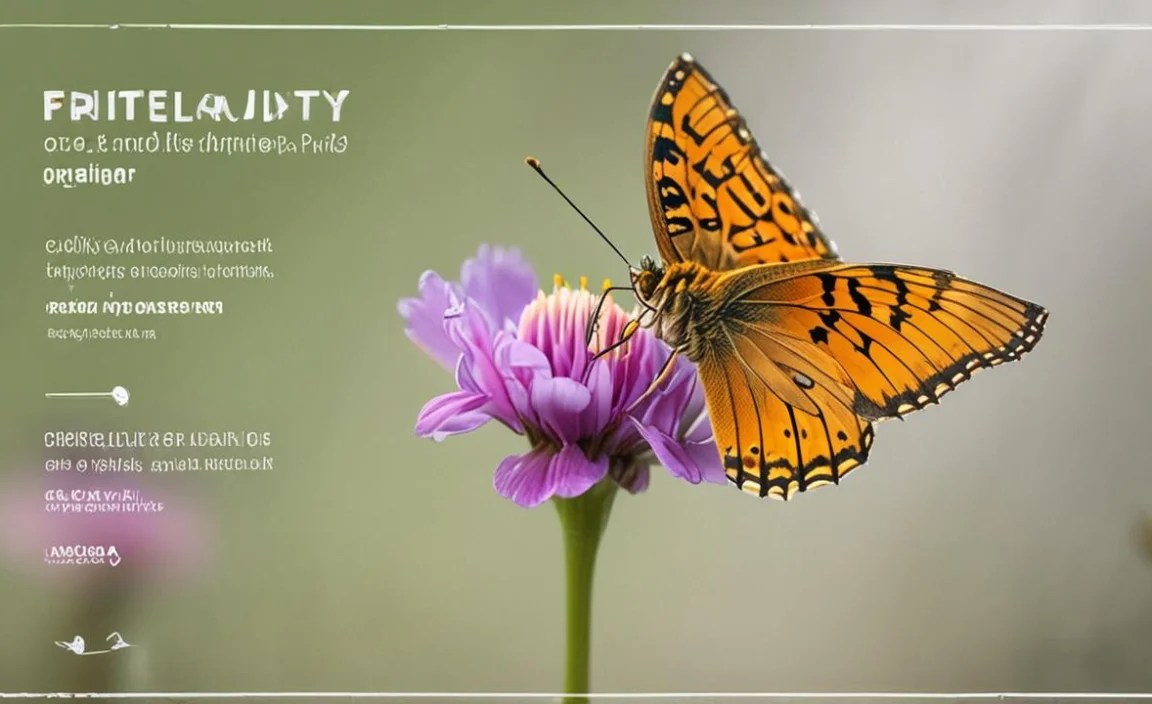
Spot size and shape are important clues for how to identify fritillary by spots. Some fritillaries have large spots. Others have small spots. Some have round spots. Others have oval or irregular spots. The size and shape of the spots can vary depending on the species. For example, the Great Spangled Fritillary has large, round spots. The Aphrodite Fritillary has smaller, more oval spots. The Variegated Fritillary has irregular spots. When identifying a fritillary, pay close attention to the size and shape of the spots. This can help you narrow down the possibilities. Also, consider the location of the spots. Are they located near the edge of the wing? Are they located near the body? The location of the spots can also be a helpful clue.
- Large spots: Great Spangled Fritillary.
- Small spots: Aphrodite Fritillary.
- Round spots: Common in many species.
- Oval spots: Aphrodite, Atlantis.
- Irregular spots: Variegated Fritillary.
- Spot location: Edge, center, base.
It’s helpful to create a visual guide to spot sizes and shapes. You can draw pictures of different spot types. Label each picture with the name of the species. This will help you remember the different patterns. Also, remember that there can be some variation within a species. Not every individual will look exactly the same. But the general pattern will usually be consistent. By practicing your observation skills, you’ll become more confident in your ability to identify fritillary by spots. You’ll also gain a deeper appreciation for the diversity of these beautiful butterflies. Carry a small notebook with you when you go butterfly watching. This will allow you to record your observations. You can also sketch the spot patterns that you see.
Fun Fact or Stat: Some fritillary butterflies have spots that are shaped like crescents or triangles!
How Do Spots Vary in Size?
The size of spots is another key factor. Some fritillaries have very large spots. The spots can cover a large portion of the wing. Other fritillaries have tiny spots. The spots are barely visible. The size of the spots can be affected by the environment. Butterflies that live in colder areas may have larger spots. Larger spots help them absorb more heat from the sun. The size of the spots can also be affected by genetics. Some species are simply programmed to have larger or smaller spots. When you are looking at butterflies, note their size.
What Shapes Are Common for Spots?
Have you ever noticed the different shapes of butterfly spots? Spots can be round, oval, or irregular. Round spots are common. Oval spots are longer than they are wide. Irregular spots are not a definite shape. Some spots look like triangles. Some spots look like crescents. The shape of the spots can help you tell them apart. It’s important to note the shapes when learning how to identify fritillary by spots. The shapes vary. This is what makes each butterfly unique. The shapes help with survival. Some shapes are better at camouflage. Some shapes scare away predators.
Can Spots Change Shape Over Time?
Imagine if your spots changed shape every day! Fritillary butterfly spots usually stay the same shape. But there can be slight variations. These variations are due to things like temperature and food. If a caterpillar eats different plants, the adult butterfly’s spots may look a bit different. The spots won’t change drastically. Spot shapes are generally a reliable way to identify species. Remember, nature always has surprises. So, keep your eyes open for unique variations. These variations are part of the fun. They will help you learn how to identify fritillary by spots.
Fritillary Habitats and Their Impact on Spot Patterns

Fritillary habitats can affect their spot patterns. Butterflies that live in sunny meadows may have brighter spots. Butterflies that live in shady forests may have darker spots. The environment can influence the colors. Temperature and humidity can play a role. The food the caterpillars eat can also affect the spots. The spots help the butterflies blend in with their surroundings. This is called camouflage. The spots protect them from predators. Identifying fritillary by spots is easier when you know their habitat. Different species prefer different habitats. The habitats are important to their survival. They provide food and shelter. The habitats also affect their appearance.
- Sunny meadows: Brighter spots.
- Shady forests: Darker spots.
- Temperature: Affects spot color.
- Humidity: Influences spot size.
- Caterpillar diet: Changes spots.
It’s helpful to learn about the different habitats where fritillaries live. Visit local parks and nature reserves. Observe the butterflies in their natural environment. Take notes on the types of plants that grow there. Also, pay attention to the temperature and humidity. This will help you understand how the environment affects the spot patterns. Remember that some species are more adaptable than others. They can survive in a variety of habitats. Others are very specialized. They can only survive in specific environments. By learning about the habitat preferences of different species, you’ll become a more skilled butterfly identifier. You’ll also gain a deeper appreciation for the interconnectedness of nature. Every element plays a role. Learning how to identify fritillary by spots connects you to nature.
Fun Fact or Stat: Some fritillary butterflies migrate long distances to find suitable habitats!
How Does Sunlight Affect Spots?
Sunlight plays a big role in the lives of butterflies. Sunlight can affect the color of butterfly spots. Butterflies that live in sunny areas may have brighter spots. The bright spots help them attract mates. Sunlight helps them stay warm. Sunlight is important for their survival. Too much sunlight can be harmful. Butterflies can overheat. They need to find shade. They need to protect themselves from the sun. They have to balance light and dark. This impacts how to identify fritillary by spots.
Does Forest Shade Change Patterns?
Forest shade creates a cool, dark environment. Fritillary butterflies living in forests may have darker spots. Darker spots help them absorb more heat. They can stay warm in the shade. Shade also affects the colors of the spots. The colors may appear less vibrant. They may blend in with the surroundings. This helps the butterflies hide from predators. The shade helps them survive. It changes their spot patterns. When looking how to identify fritillary by spots, look to their surroundings.
How Does Food Affect Spot Development?
The food that caterpillars eat can affect their spots. Caterpillars eat leaves. Different plants have different chemicals. These chemicals can affect the color and size of the spots. If a caterpillar eats a lot of one plant, the spots may be brighter. If a caterpillar eats a variety of plants, the spots may be more diverse. The food that caterpillars eat is important for their development. It affects their appearance. The food can change how to identify fritillary by spots. That’s why it is important to know what the caterpillars eat.
Spot Arrangement and Symmetry in Fritillary Identification
Spot arrangement and symmetry are also important for how to identify fritillary by spots. Some fritillaries have spots arranged in neat rows. Others have spots scattered randomly. Some have symmetrical patterns. Symmetrical means the pattern is the same on both wings. Others have asymmetrical patterns. Asymmetrical means the pattern is different on each wing. The arrangement and symmetry of the spots can vary. Arrangement and symmetry depends on the species. For example, the Aphrodite Fritillary has spots arranged in neat rows. The Variegated Fritillary has spots scattered randomly. When identifying a fritillary, pay attention to the arrangement and symmetry. It will help narrow down the possibilities. It’s all about seeing patterns.
| Feature | Great Spangled Fritillary | Aphrodite Fritillary | Variegated Fritillary | Atlantis Fritillary |
|---|---|---|---|---|
| Spot Size | Large | Small | Variable | Medium |
| Spot Shape | Round | Oval | Irregular | Round/Oval |
| Spot Arrangement | Rows | Rows | Scattered | Rows |
| Spot Symmetry | Symmetrical | Symmetrical | Asymmetrical | Symmetrical |
It’s helpful to practice observing spot arrangements and symmetry. Look at pictures of different fritillary species. Draw diagrams of the spot patterns. Label each diagram with the name of the species. This will help you remember the different patterns. Also, remember that there can be some variation. Not every individual will look exactly the same. But the general pattern will usually be consistent. By practicing your observation skills, you’ll become more confident. You will be able to identify fritillary by spots. You’ll also gain a deeper appreciation for the beauty of nature. Carry a magnifying glass with you when you go butterfly watching. This will help you see the spots more clearly. Also, bring a friend. Two sets of eyes are better than one!
Fun Fact or Stat: Some fritillary butterflies have spots that are arranged in a spiral pattern!
Are Spots Arranged in Rows or Randomly?
Spot arrangement is important. Some fritillaries have spots in rows. The spots line up neatly. Other fritillaries have spots randomly. The spots are scattered. There is no pattern. The arrangement helps identify them. Spot patterns help the butterflies. Patterns hide them from predators. Patterns attract mates. Spots in rows can confuse predators. Random spots can blend with surroundings. Look closely at the spots. The arrangement gives clues. The arrangement helps with how to identify fritillary by spots. Notice if the spots are neat or scattered.
Is the Pattern Symmetrical on Both Wings?
Symmetry is when both sides match. Some fritillary wings are symmetrical. The spots on both wings are alike. They are mirror images. Other wings are asymmetrical. The spots are different on each wing. The symmetry helps with identification. Symmetrical wings look balanced. Asymmetrical wings look unique. The symmetry helps butterflies survive. Symmetrical patterns can attract mates. Asymmetrical patterns can confuse predators. Look at both wings. See if they match. Notice the symmetry. Symmetry can change how to identify fritillary by spots.
How Do Spots Relate to Wing Veins?
Wing veins are like tiny roads on the wings. The veins support the wings. The veins carry blood. Spots are often near the veins. The spots may line up with the veins. The spots may avoid the veins. The veins and spots work together. The veins help the spots stand out. The spots help the veins stay hidden. The relationship is important. Look at the veins and spots. Notice how they connect. Pay attention to the patterns. Wing veins are key in how to identify fritillary by spots. This relationship impacts the butterfly.
Advanced Techniques for Spot-Based Fritillary ID
To really master how to identify fritillary by spots, we can use advanced techniques. These techniques involve looking at very small details. We can use a magnifying glass to see the spots more clearly. We can also take pictures of the spots. Then, we can compare the pictures to reference images. Another technique is to measure the spots. We can use a ruler or calipers to measure the size and shape of the spots. We can also analyze the colors of the spots. We can use a color chart or spectrometer to measure the colors accurately. These advanced techniques require practice. But they can help you become an expert at identifying fritillary butterflies. They also help you appreciate the beauty of nature.
- Use a magnifying glass for details.
- Take photos for comparison.
- Measure spot size with a ruler.
- Analyze spot color with a chart.
- Study wing vein patterns.
- Compare to reference images.
Remember that even with advanced techniques, some fritillary species can be difficult to tell apart. Some species are very similar in appearance. They may have only subtle differences in their spot patterns. In these cases, you may need to consider other factors, such as habitat and behavior. Also, keep in mind that butterfly identification is not always an exact science. There can be some variation within a species. Not every individual will look exactly the same. But the more you practice, the better you will become. You’ll develop a keen eye for detail. You’ll also learn to appreciate the subtle differences that make each fritillary species unique. You are learning how to identify fritillary by spots.
Fun Fact or Stat: Scientists use advanced imaging techniques to study the microscopic structure of butterfly spots!
How Do Experts Identify Subspecies?
Subspecies are kinds within a species. Subspecies are similar. But they have small differences. Experts use advanced techniques. They look at spot patterns. They measure spot size. They analyze spot color. They study wing veins. They compare DNA. They look at habitat. They study behavior. They use all the clues. Experts are very careful. They take lots of notes. They compare many butterflies. They have lots of practice. With the right techniques, you too can learn how to identify fritillary by spots.
What Tools Are Useful for Advanced ID?
Advanced butterfly ID requires tools. A magnifying glass helps. It shows small details. A ruler measures spots. Calipers measure accurately. A color chart compares colors. A camera takes pictures. A computer analyzes images. A microscope magnifies. Field guides help too. Experts use these tools. The tools help them see more. The tools help them measure. The tools help them compare. The tools help them learn. With these tools, how to identify fritillary by spots becomes easier.
How Can Citizen Scientists Help?
Citizen scientists are everyday people. They help scientists collect data. They observe butterflies. They take pictures. They record information. They share their data. Scientists use the data. Scientists learn about butterflies. Scientists learn about habitats. Scientists learn about conservation. Citizen scientists are important. They help protect butterflies. They help us learn more. They help us understand nature. They can help with how to identify fritillary by spots. Anyone can be a citizen scientist.
Summary
Fritillary butterflies are beautiful insects. Each type has unique spot patterns. Knowing how to identify fritillary by spots helps us tell them apart. Spot size, shape, color, and arrangement are all clues. Field guides and online resources can help. Habitats also influence spot patterns. Sunny areas lead to brighter spots. Shady areas lead to darker spots. Advanced techniques can help with difficult species. Magnifying glasses and color charts are helpful. Practice and patience are key. With careful observation, anyone can learn to identify these butterflies. Learning about these butterflies is fun. It helps us appreciate the natural world. It also helps us protect these beautiful creatures.
Conclusion
Learning about fritillary butterflies is a fun adventure. You can discover the secrets of their spots. Spot patterns are like codes. They help you name each butterfly. Look closely at spot size, shape, and color. Use field guides and online tools. Explore different habitats. Practice your observation skills. How to identify fritillary by spots is like being a nature detective. You can help protect these beautiful insects. Now, go outside and start exploring!
Frequently Asked Questions
Question No 1: How can I start learning to identify fritillary butterflies?
Answer: Start with a good field guide. Look at pictures of different species. Read the descriptions carefully. Pay attention to the spot patterns. Also, visit local parks and nature reserves. Observe the butterflies in their natural habitat. Take notes on what you see. Practice how to identify fritillary by spots. The more you practice, the better you will get. Start with common species. Then, move on to more difficult ones. Ask experts for help. Join a butterfly club. Have fun learning about these beautiful insects.
Question No 2: What are some common mistakes people make when identifying fritillaries?
Answer: One common mistake is not looking closely enough at the spots. People may only glance at the butterfly. They don’t see the details. Another mistake is relying too much on color. Color can vary. It depends on the light and the butterfly’s age. A third mistake is not considering the habitat. Different species live in different places. A fourth mistake is not using a field guide. Field guides are essential tools. A final mistake is not practicing enough. Identifying butterflies takes time and effort. If you avoid these mistakes, you will better learn how to identify fritillary by spots.
Question No 3: How do I use spot patterns to tell apart similar-looking fritillary species?
Answer: When species look alike, focus on small differences. Look at spot size, shape, and arrangement. Use a magnifying glass to see the details. Compare the spots to pictures in a field guide. Pay attention to the location of the spots. Are they near the edge of the wing? Are they near the body? Also, consider the habitat. Do the butterflies live in the same place? If you are still unsure, take a picture. Then, ask an expert for help. Learning how to identify fritillary by spots takes time and patience.
Question No 4: Can weather or season affect fritillary spot patterns?
Answer: Weather and season can have some effect. Extreme temperatures can change spot colors. In colder areas, spots may be darker. Darker colors absorb more heat. The season can affect spot size. Butterflies that emerge in the spring may have smaller spots. Butterflies that emerge in the summer may have larger spots. These effects are usually small. Spot patterns are still a good way to identify butterflies. The food that caterpillars eat impacts development. These factors influence how to identify fritillary by spots.
Question No 5: Are there any fritillary species that don’t have spots?
Answer: Most fritillary species have spots. But some species have very faint spots. The spots may be hard to see. Some species have spots that are only visible on the underside of the wings. If a fritillary appears to have no spots, look closely. Use a magnifying glass. Check the underside of the wings. Also, consider other features, such as size and color. Spot patterns are a key characteristic. They are essential for learning how to identify fritillary by spots.
Question No 6: What should I do if I find a fritillary that doesn’t match any of the descriptions in my field guide?
Answer: If you find a butterfly that doesn’t match your field guide, don’t panic. First, double-check your identification. Make sure you have considered all the features. Look at the spots, size, color, and habitat. If you are still unsure, take a picture. Then, share the picture with experts. Post the picture on a butterfly forum. Contact a local butterfly club. It is possible that you have found a rare species. It is also possible that you have found a new species. Your discovery could help scientists learn more about butterflies. Spot details are key in how to identify fritillary by spots.


