
Butterfly Tracker App: Spot Beautiful Butterflies!

Want to keep track of the butterflies you see? A butterfly tracker app is your answer! These apps help you identify butterflies, record your sightings, and learn about these beautiful creatures. They often include features like photo identification, location tracking, and access to butterfly databases. Start exploring the world of butterflies today with a handy tracker app!
Have you ever been mesmerized by a butterfly flitting through your garden, wondering what kind it was? Or wished you could remember where you saw that stunning Monarch last summer? As a lifelong butterfly enthusiast, I know how frustrating it can be to keep track of all the amazing butterfly species around us. But don’t worry, there’s a simple solution!
Butterfly tracker apps are a fantastic way to identify butterflies, record your sightings, and learn more about these incredible insects. In this guide, I’ll show you how to use these apps to enhance your butterfly adventures. Get ready to discover the wonderful world of butterfly tracking!
Why Use a Butterfly Tracker App?
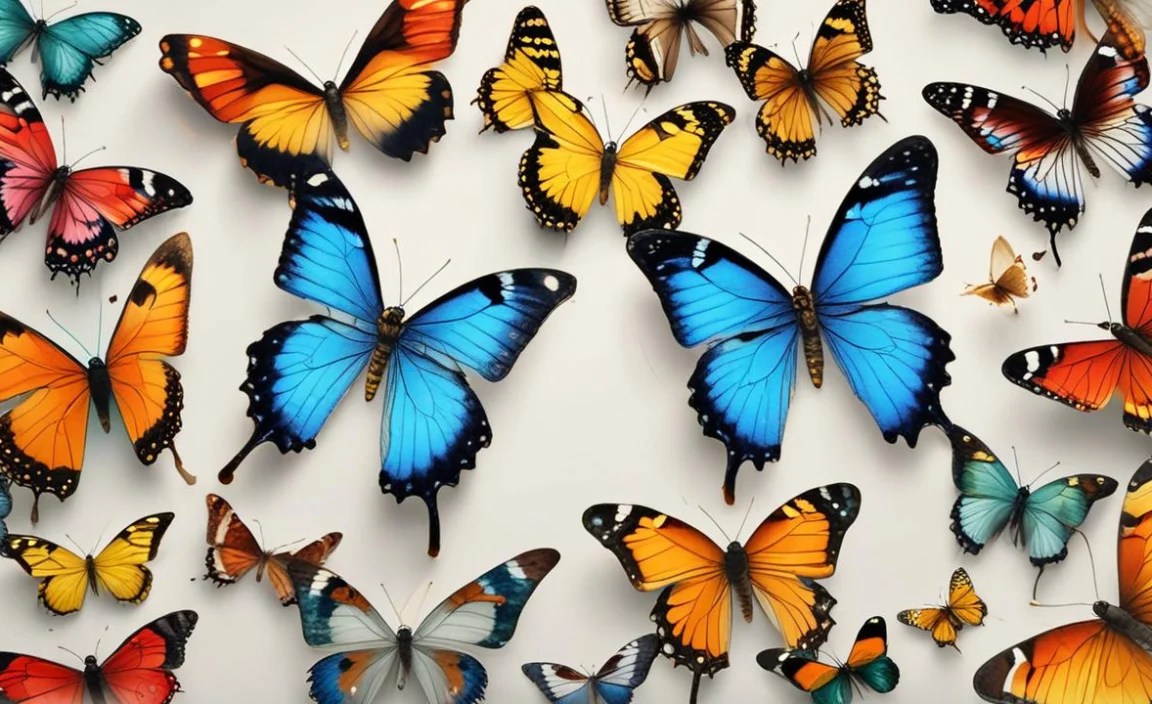
Butterfly tracker apps offer numerous benefits for both casual observers and serious butterfly enthusiasts. Here are some key reasons to consider using one:
- Easy Identification: Quickly identify butterfly species using photo recognition or identification keys.
- Record Sightings: Keep a detailed log of when and where you spotted different butterflies.
- Learn About Butterflies: Access information about butterfly life cycles, habitats, and behaviors.
- Contribute to Citizen Science: Share your data with researchers and conservation organizations.
- Connect with Other Enthusiasts: Join online communities and share your butterfly sightings with fellow nature lovers.
Choosing the Right Butterfly Tracker App
With so many butterfly tracker apps available, it’s important to choose one that meets your needs. Here are some factors to consider:
- Butterfly Database: Does the app have a comprehensive database of butterfly species in your region?
- Identification Tools: Does it offer photo identification, identification keys, or expert assistance?
- Mapping and Location Tracking: Can you record the location of your sightings using GPS?
- Data Recording: Can you record details such as date, time, habitat, and behavior?
- User Interface: Is the app easy to use and navigate?
- Community Features: Does it allow you to connect with other butterfly enthusiasts?
- Cost: Is the app free or does it require a subscription?
Top Butterfly Tracker Apps
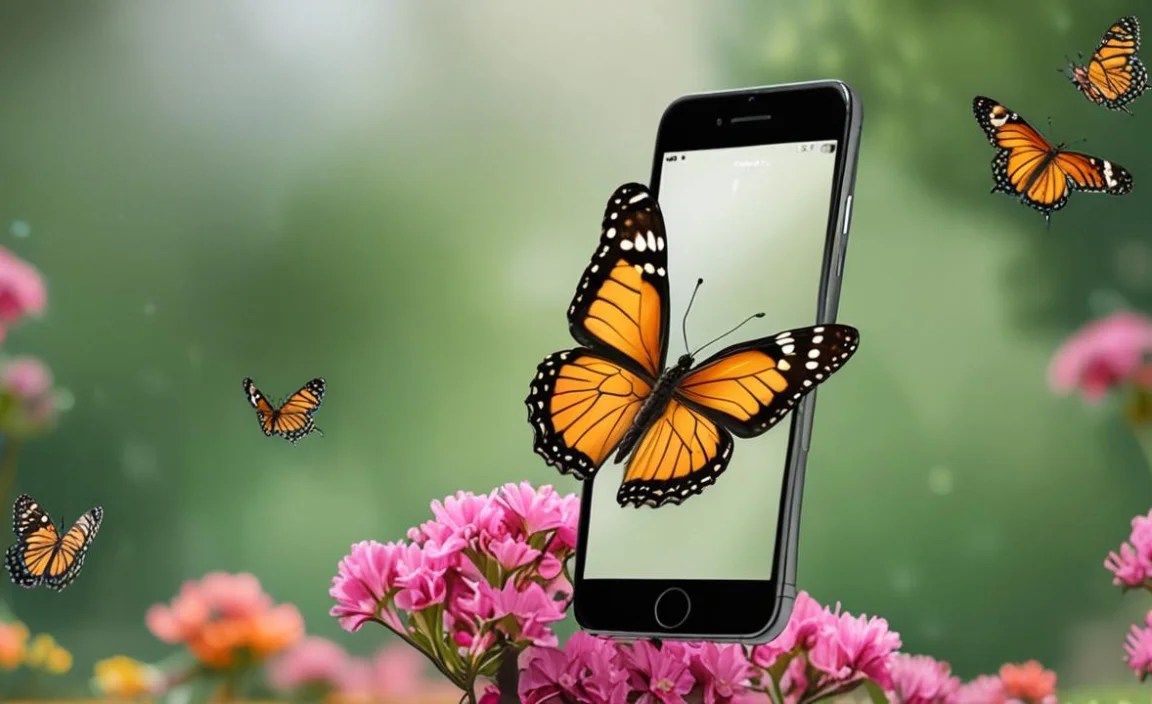
Here are some of the most popular and highly-rated butterfly tracker apps:
1. iNaturalist
iNaturalist is a joint initiative by the California Academy of Sciences and the National Geographic Society. It’s a comprehensive platform for identifying and recording observations of all kinds of plants and animals, including butterflies.
- Pros:
- Large and active community of users
- Photo identification powered by AI
- Ability to contribute to citizen science projects
- Available on iOS and Android
- Cons:
- Can be overwhelming for beginners due to its broad scope
- Identification accuracy depends on the quality of your photos
2. Picture Insect
Picture Insect is designed specifically for insect identification, including butterflies. It uses advanced image recognition technology to quickly identify species from photos.
- Pros:
- Fast and accurate photo identification
- Detailed information about each species
- User-friendly interface
- Available on iOS and Android
- Cons:
- Requires a subscription for full access to all features
- May not be as accurate for rare or unusual species
3. Butterflies of North America
Butterflies of North America is a specialized app focused on butterflies found in North America. It includes detailed information, photos, and range maps for each species.
- Pros:
- Comprehensive coverage of North American butterflies
- High-quality photos and illustrations
- Identification keys and comparison tools
- Available on iOS and Android
- Cons:
- Limited to North American species
- May be less useful for users outside of North America
4. Project Noah
Project Noah is another citizen science platform that allows you to record and share your wildlife sightings, including butterflies. It’s a great way to contribute to conservation efforts and learn about biodiversity.
- Pros:
- Easy to use for recording sightings
- Connect with a global community of nature enthusiasts
- Contribute to real-world research projects
- Available on iOS and Android
- Cons:
- Identification may require community input
- Less focused on butterflies compared to specialized apps
5. Butterfly Identification
This app is designed to help you quickly identify butterflies using a variety of methods, including image recognition and manual comparison. It offers a wealth of information about different species.
- Pros:
- User-friendly interface
- Detailed species information
- Image recognition technology
- Cons:
- May require a subscription for full access
- Accuracy can vary
Step-by-Step Guide to Using a Butterfly Tracker App
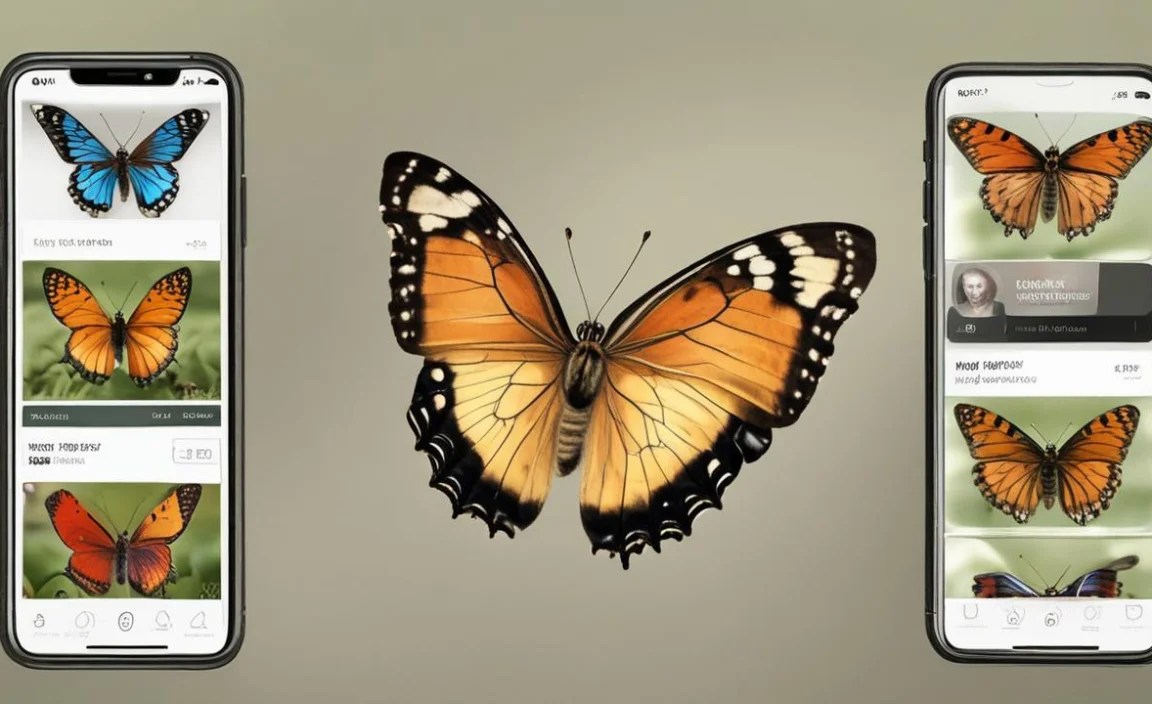
Here’s a general guide to using a butterfly tracker app, using iNaturalist as an example:
Step 1: Download and Install the App
Visit the App Store (iOS) or Google Play Store (Android) and download your chosen butterfly tracker app. Install the app on your smartphone or tablet.
Step 2: Create an Account
Open the app and create an account. You may need to provide your email address, username, and password. Some apps may also allow you to sign in using your Google or Facebook account.
Step 3: Explore the App’s Features
Take some time to explore the app’s features and settings. Familiarize yourself with the identification tools, mapping features, and data recording options.
Step 4: Find a Butterfly!
Head outside to a butterfly-friendly habitat, such as a garden, meadow, or forest. Look for butterflies feeding on flowers, basking in the sun, or flying around.
Step 5: Take a Photo
When you spot a butterfly, try to take a clear photo of it. Focus on capturing key features such as the wings, body, and antennae. The better the photo, the more accurate the identification will be.
Step 6: Identify the Butterfly
Open the butterfly tracker app and use the photo identification feature to identify the butterfly. The app will analyze your photo and suggest possible species matches. Review the suggestions and compare them to your observation.
Step 7: Record Your Sighting
Once you’ve identified the butterfly, record your sighting in the app. Include the date, time, location, habitat, and any other relevant details. You can also add notes about the butterfly’s behavior or any interesting observations.
Step 8: Share Your Data (Optional)
Many butterfly tracker apps allow you to share your data with other users or contribute to citizen science projects. Consider sharing your sightings to help researchers track butterfly populations and distributions.
Tips for Accurate Butterfly Identification
Identifying butterflies can be challenging, especially for beginners. Here are some tips to improve your identification skills:
- Get a Good Photo: Take clear, well-lit photos that show key features of the butterfly.
- Observe Key Features: Pay attention to the butterfly’s size, shape, color, and markings.
- Use Identification Keys: Use identification keys or field guides to narrow down the possibilities.
- Compare to Similar Species: Compare your observation to photos and descriptions of similar species.
- Consult Experts: If you’re unsure about an identification, ask for help from experienced butterfly enthusiasts or experts.
- Consider Location and Time of Year: Knowing the butterfly’s location and the time of year can help narrow down the possibilities, as some species are only found in certain areas or are active during specific seasons.
Enhancing Your Butterfly Tracking Experience
Here are some additional tips to make your butterfly tracking experience more rewarding:
- Create a Butterfly Garden: Plant native flowers and host plants to attract butterflies to your yard. Native plants provide the best source of nectar and food for caterpillars.
- Join a Butterfly Club: Connect with other butterfly enthusiasts in your area.
- Attend Butterfly Events: Participate in butterfly walks, workshops, and festivals.
- Read Butterfly Books: Learn more about butterfly biology, ecology, and conservation.
- Contribute to Citizen Science: Participate in butterfly monitoring programs and conservation projects.
Butterfly Tracker App Features: A Comparison Table
| App Name | Photo Identification | Mapping & Location Tracking | Data Recording | Community Features | Cost |
|---|---|---|---|---|---|
| iNaturalist | Yes (AI-powered) | Yes | Yes | Yes | Free |
| Picture Insect | Yes | Yes | Yes | No | Subscription |
| Butterflies of North America | Yes (Comparison Tools) | Yes | Yes | No | Paid |
| Project Noah | Yes (Community-based) | Yes | Yes | Yes | Free |
| Butterfly Identification | Yes | Yes | Yes | No | Freemium |
The Impact of Citizen Science
Butterfly tracker apps often incorporate features that allow users to contribute to citizen science projects. This means that every observation you record can potentially help scientists and conservationists better understand butterfly populations, migration patterns, and the impacts of climate change. By using these apps, you’re not just tracking butterflies; you’re also contributing to a larger effort to protect these beautiful creatures and their habitats. Consider your role as a citizen scientist and the valuable data you can provide.
Understanding Butterfly Habitats
When using a butterfly tracker app, take note of the habitat where you find each butterfly. Is it a sunny meadow, a shady forest, or a suburban garden? Understanding the types of habitats that different butterfly species prefer can help you predict where you’re likely to find them. It also highlights the importance of preserving a variety of habitats to support diverse butterfly populations. You can even contribute to habitat restoration projects in your local area.
Butterfly Conservation and Your Role
Many butterfly species are facing threats from habitat loss, pesticide use, and climate change. By using a butterfly tracker app, you can become more aware of these threats and take action to protect butterflies. Support organizations that are working to conserve butterfly habitats, advocate for policies that reduce pesticide use, and educate others about the importance of butterfly conservation. Every small action can make a big difference in ensuring that future generations can enjoy the beauty of butterflies.
Frequently Asked Questions (FAQ)
1. What is a butterfly tracker app?
A butterfly tracker app is a mobile application that helps you identify, record, and learn about butterflies. It often includes features like photo identification, location tracking, and access to butterfly databases.
2. How accurate are butterfly tracker apps?
The accuracy of butterfly tracker apps depends on several factors, including the quality of your photos and the comprehensiveness of the app’s database. Some apps use AI-powered identification, which can be very accurate, while others rely on community input.
3. Can I use a butterfly tracker app offline?
Some butterfly tracker apps offer offline functionality, allowing you to record sightings even when you don’t have an internet connection. However, you may need an internet connection to access certain features, such as photo identification or community forums.
4. Are butterfly tracker apps free?
Some butterfly tracker apps are free, while others require a subscription or a one-time purchase. Free apps may offer limited features or include advertisements. Paid apps typically offer more comprehensive features and a better user experience.
5. How can I contribute to butterfly conservation using a tracker app?
Many butterfly tracker apps allow you to share your sightings with researchers and conservation organizations. This data can help scientists track butterfly populations, migration patterns, and the impacts of climate change.
6. Which butterfly tracker app is best for beginners?
iNaturalist is a great option for beginners due to its user-friendly interface and large community of users. It’s also free to use and offers a wide range of features.
7. Do these apps work for butterfly caterpillars too?
Yes, many butterfly tracker apps also help identify butterfly caterpillars. The iNaturalist app is particularly good for this, as it encourages observations of all life stages.
Conclusion
Butterfly tracker apps are a wonderful tool for anyone interested in learning more about these fascinating insects. Whether you’re a casual observer or a dedicated butterfly enthusiast, these apps can help you identify butterflies, record your sightings, and contribute to citizen science. By using a butterfly tracker app, you’ll not only enhance your own butterfly adventures but also help protect these beautiful creatures for future generations. So, download an app today and start exploring the wonderful world of butterflies!


