Swallowtail Butterfly Migration Behavior: The Secret?

Swallowtail butterflies don’t typically migrate in the same way as monarchs. Some species, like the Two-tailed Swallowtail, may undertake short dispersal flights to find new habitats or resources. Factors like temperature, food availability, and breeding opportunities influence these movements. While not true migration, these behaviors help swallowtails adapt to changing environments.
Have you ever wondered if those beautiful swallowtail butterflies you see flitting around your garden embark on epic journeys like monarch butterflies? It’s a question many butterfly lovers ask! While swallowtails don’t engage in the long-distance, multi-generational migrations of monarchs, they do exhibit fascinating movement behaviors. Understanding these behaviors helps us appreciate the adaptability and resilience of these stunning insects. Let’s explore the world of swallowtail butterfly movement together!
Understanding Swallowtail Butterfly Movement
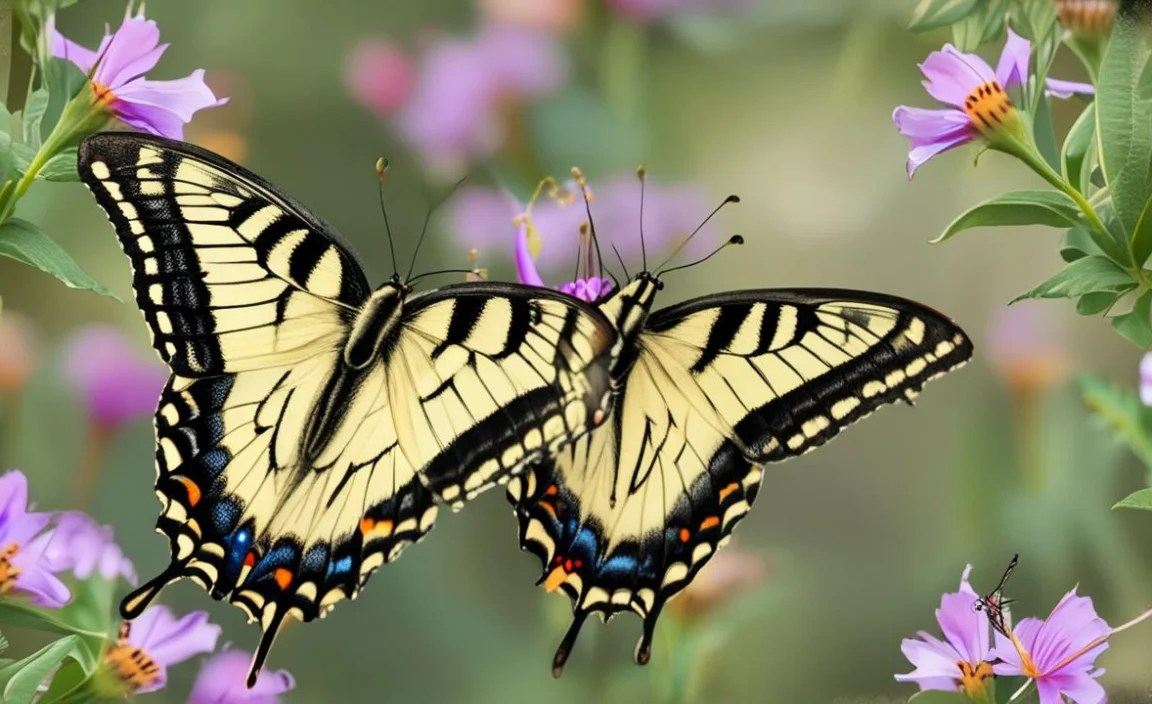
Swallowtail butterflies are a diverse group, and their movement behaviors vary significantly depending on the species and their environment. While not all swallowtails migrate in the traditional sense, many species undertake shorter dispersal flights or seasonal movements to optimize their chances of survival and reproduction.
What is Migration, Exactly?
Before diving into swallowtail movements, let’s define what we mean by “migration.” True migration typically involves:
- Long-distance travel: Movement over considerable distances.
- Return journey: Often, a return trip to the original starting point.
- Specific timing: Usually linked to seasonal changes.
- Multi-generational aspect: In some species, like monarchs, the migration is completed over several generations.
While some swallowtails display some of these characteristics, they rarely exhibit all of them in the same way as monarch butterflies.
Swallowtail Dispersal vs. Migration
Instead of true migration, many swallowtail species exhibit dispersal behavior. Dispersal involves:
- Shorter distances: Movement within a region rather than across continents.
- Searching for resources: Driven by the need to find food sources, breeding sites, or suitable habitats.
- One-way movement: Often, there is no return journey to the original location.
Factors Influencing Swallowtail Movement

Several factors play a crucial role in determining whether a swallowtail butterfly will move and how far it will go.
Temperature and Climate
Temperature is a primary driver of butterfly activity. Swallowtails are cold-blooded, meaning their body temperature depends on the external environment. As temperatures drop, their activity slows down. In colder regions, some swallowtail species may overwinter as pupae, while others may move to warmer areas.
Food Availability
The availability of nectar sources for adults and host plants for caterpillars is critical. If a particular area experiences a decline in these resources, swallowtails may move to find more suitable locations. For example, a drought that reduces the availability of nectar-rich flowers could prompt butterflies to seek out areas with more abundant blooms.
Breeding Opportunities
Swallowtails need access to host plants where they can lay their eggs. If a particular area becomes overpopulated, or if the host plants are depleted, the butterflies may disperse to find new breeding grounds. This helps to ensure that their offspring have access to the resources they need to survive.
Habitat Quality
The overall quality of the habitat, including the presence of shelter from predators and suitable roosting sites, can also influence swallowtail movement. Degraded habitats may not provide the resources that butterflies need, leading them to seek out healthier environments.
Examples of Swallowtail Movement Behavior
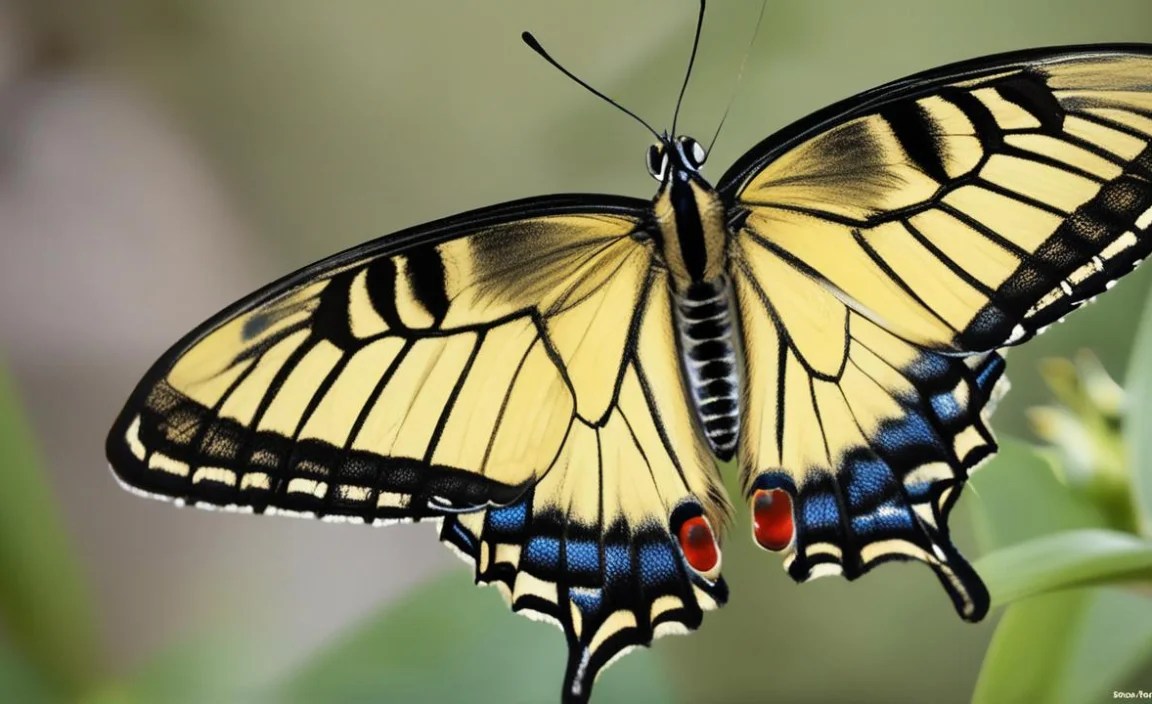
Let’s look at some specific examples of how different swallowtail species exhibit movement behavior.
Two-Tailed Swallowtail (Papilio multicaudata)
The Two-tailed Swallowtail is one of the largest and most striking swallowtails in North America. While not a true migrant, it exhibits dispersal behavior, particularly in response to resource availability.
- Range: Western North America, from Canada to Mexico.
- Movement: May undertake local flights to find nectar sources or host plants.
- Triggers: Drought or habitat degradation can prompt dispersal.
Eastern Tiger Swallowtail (Papilio glaucus)
The Eastern Tiger Swallowtail is a common and well-studied species found throughout eastern North America. Its movement patterns are influenced by seasonal changes and food availability.
- Range: Eastern North America.
- Movement: Primarily local dispersal, with some southward movement in the fall.
- Triggers: Temperature changes and the availability of host plants.
Black Swallowtail (Papilio polyxenes)
The Black Swallowtail is another widespread species found across North America. It is known for its adaptability and ability to colonize new areas.
- Range: North America.
- Movement: Dispersal flights to find host plants like parsley, dill, and fennel.
- Triggers: The availability of suitable host plants in gardens and fields.
Giant Swallowtail (Papilio cresphontes)
The Giant Swallowtail is the largest butterfly in North America, and it is known for its impressive size and striking appearance. It exhibits dispersal behavior, particularly in response to the availability of its host plants, which include citrus trees.
- Range: Southern North America, Central America.
- Movement: Dispersal flights to find citrus trees and other host plants.
- Triggers: The availability of citrus trees in gardens and orchards.
How to Support Swallowtail Butterflies in Your Area

Even though swallowtails don’t migrate like monarchs, they still need our help to thrive. Here are some ways you can support swallowtail butterflies in your area:
Plant Host Plants
Providing host plants is one of the most effective ways to support swallowtail butterflies. Different species prefer different host plants, so research which species are common in your area and plant their preferred hosts. Some popular host plants include:
- Black Swallowtail: Parsley, dill, fennel, carrot tops
- Eastern Tiger Swallowtail: Tulip tree, cherry, willow
- Giant Swallowtail: Citrus trees, rue
Provide Nectar Sources
Adult swallowtails need nectar to fuel their activities. Plant a variety of nectar-rich flowers that bloom throughout the growing season. Some good choices include:
- Butterfly bush
- Zinnia
- Lantana
- Salvia
- Milkweed
Avoid Pesticides
Pesticides can be harmful to butterflies and other beneficial insects. Avoid using pesticides in your garden, or choose organic options that are less harmful.
Create a Butterfly-Friendly Habitat
Provide a safe and welcoming habitat for butterflies by offering shelter from wind and predators, a source of water, and a place to bask in the sun. You can create a butterfly garden by planting a variety of flowering plants, shrubs, and trees.
Swallowtail Butterfly Conservation
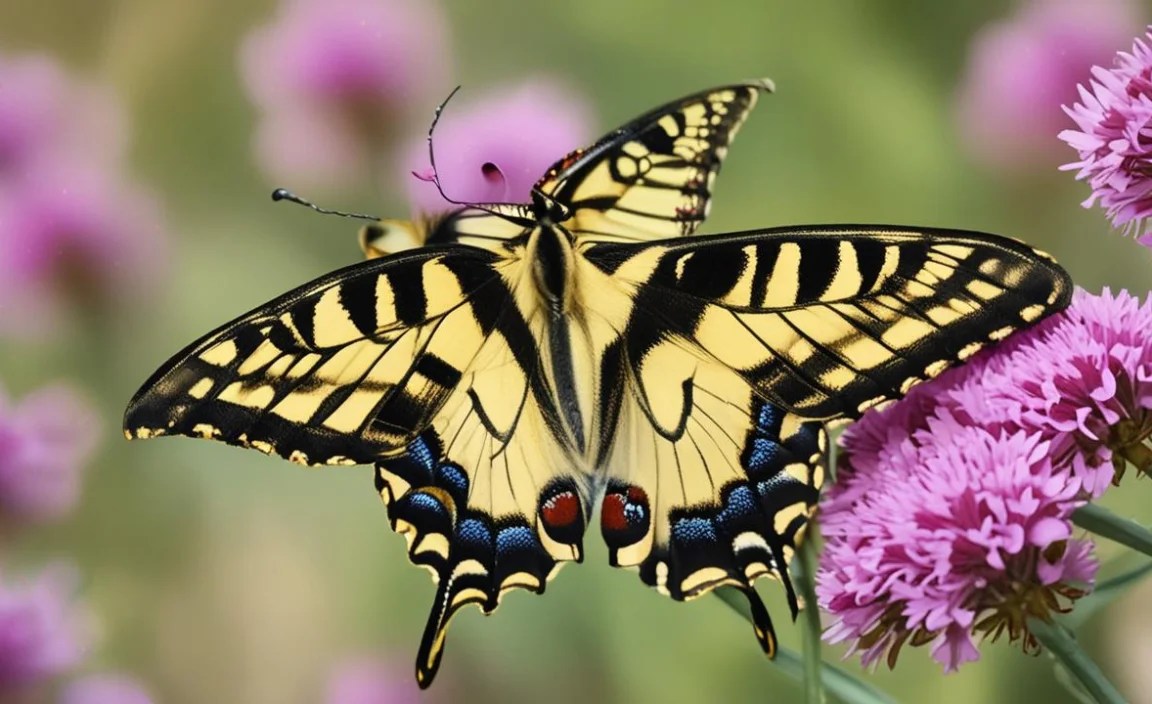
While many swallowtail species are not currently threatened, habitat loss and climate change pose potential risks to their populations. Supporting butterfly conservation efforts can help to ensure that these beautiful insects continue to thrive for generations to come.
Habitat Preservation
Protecting and restoring natural habitats is crucial for butterfly conservation. This can involve supporting conservation organizations, advocating for responsible land use policies, and creating butterfly-friendly habitats in your own backyard.
Citizen Science
Participating in citizen science projects can help researchers track butterfly populations and monitor their movements. This information can be used to inform conservation efforts and protect butterfly habitats.
Education and Outreach
Raising awareness about the importance of butterflies and their role in the ecosystem is essential for conservation. Share your love of butterflies with others and encourage them to take action to protect these fascinating creatures.
Swallowtail Butterfly Identification
Identifying swallowtail butterflies can be a rewarding experience. Here are some tips to help you identify common swallowtail species:
Observe Size and Shape
Swallowtails vary in size from medium to large. Pay attention to the overall shape of the wings and body. Some species have long tails on their hindwings, while others have shorter tails or no tails at all.
Note Color Patterns
Swallowtails come in a variety of colors and patterns. Look for distinctive markings, such as stripes, spots, and bands. Use a field guide or online resources to compare your observations with known species.
Consider Location and Habitat
The location and habitat where you observe the butterfly can provide clues to its identity. Some species are more common in certain regions or habitats than others.
Use a Field Guide
A field guide is an invaluable tool for butterfly identification. Look for a guide that includes detailed descriptions, illustrations, and range maps.
Swallowtail Butterfly Symbolism
Butterflies have long been symbols of transformation, hope, and new beginnings. In many cultures, they are associated with the soul and the afterlife. Swallowtail butterflies, with their graceful flight and striking appearance, are particularly potent symbols.
Transformation
The butterfly’s life cycle, from egg to caterpillar to pupa to adult, is a powerful metaphor for transformation. Swallowtail butterflies remind us that change is possible and that we can all evolve and grow.
Hope
Butterflies are often seen as symbols of hope and resilience. Their ability to emerge from a chrysalis and take flight is a testament to the power of hope and the potential for renewal.
New Beginnings
Butterflies are associated with new beginnings and fresh starts. They remind us that every day is a new opportunity to pursue our dreams and create the life we want.
Spiritual Meaning
In some spiritual traditions, butterflies are seen as messengers from the spirit world. They may represent loved ones who have passed away or guides who are watching over us.
Swallowtail Butterfly Life Cycle
Understanding the swallowtail butterfly life cycle can deepen your appreciation for these amazing creatures.
Egg Stage
Swallowtail butterflies lay their eggs on or near their host plants. The eggs are typically small and round, and they may be white, yellow, or green.
Larva (Caterpillar) Stage
Once the egg hatches, the larva, or caterpillar, emerges. The caterpillar feeds on the host plant and grows rapidly, molting its skin several times as it gets larger. Swallowtail caterpillars come in a variety of colors and patterns, and some have distinctive features, such as osmeteria (scent glands) that they can evert when threatened.
Pupa (Chrysalis) Stage
When the caterpillar is fully grown, it enters the pupa stage. The pupa, or chrysalis, is a hardened shell that protects the developing butterfly. Inside the chrysalis, the caterpillar undergoes a remarkable transformation, as its body is broken down and reorganized into the adult butterfly.
Adult Stage
After a period of time, the adult butterfly emerges from the chrysalis. The butterfly’s wings are initially soft and crumpled, but they quickly expand as the butterfly pumps fluid into them. Once the wings are fully expanded and hardened, the butterfly is ready to fly and begin its adult life.
Swallowtail Butterfly Habitats
Swallowtail butterflies can be found in a variety of habitats, including forests, meadows, gardens, and wetlands. They are most common in areas with abundant nectar sources and host plants.
Forests
Some swallowtail species, such as the Eastern Tiger Swallowtail, are common in forests. They may be found in both deciduous and coniferous forests, and they often prefer areas with open canopy that allow sunlight to reach the forest floor.
Meadows
Meadows are another important habitat for swallowtail butterflies. They provide a variety of nectar sources and host plants, and they offer open space for butterflies to fly and bask in the sun.
Gardens
Gardens can be excellent habitats for swallowtail butterflies, especially if they are planted with nectar-rich flowers and host plants. Butterfly gardens can provide a valuable source of food and shelter for butterflies in urban and suburban areas.
Wetlands
Wetlands, such as marshes and swamps, can also be important habitats for swallowtail butterflies. They provide a variety of aquatic plants that serve as host plants for some species, and they offer a source of water for butterflies to drink.
Swallowtail Butterfly Predators and Threats
Swallowtail butterflies face a variety of predators and threats, including:
Birds
Birds are a major predator of butterflies. They capture butterflies in flight and feed them to their young.
Spiders
Spiders are another common predator of butterflies. They build webs to trap butterflies or ambush them from hiding places.
Insect Predators
Various insect predators, such as praying mantises and assassin bugs, also prey on butterflies.
Habitat Loss
Habitat loss is a major threat to butterfly populations. As natural habitats are destroyed or degraded, butterflies lose their food sources, breeding sites, and shelter.
Pesticides
Pesticides can be harmful to butterflies and other beneficial insects. They can kill butterflies directly or disrupt their development and reproduction.
Climate Change
Climate change poses a growing threat to butterfly populations. Changes in temperature and precipitation patterns can disrupt butterfly life cycles and alter the distribution of their host plants.
| Butterfly Species | Host Plants | Nectar Sources | Habitat |
|---|---|---|---|
| Eastern Tiger Swallowtail | Tulip tree, cherry, willow | Butterfly bush, zinnia, milkweed | Forests, gardens |
| Black Swallowtail | Parsley, dill, fennel | Butterfly bush, zinnia, salvia | Gardens, fields |
| Giant Swallowtail | Citrus trees, rue | Lantana, milkweed | Southern gardens, citrus groves |
| Two-Tailed Swallowtail | Cherry, ash, willow | Thistle, milkweed | Western forests, canyons |
FAQ About Swallowtail Butterfly Movement
Here are some frequently asked questions about swallowtail butterfly movement.
Do swallowtail butterflies migrate like monarch butterflies?
No, swallowtail butterflies do not typically migrate in the same way as monarch butterflies. While some species may undertake short dispersal flights, they do not engage in the long-distance, multi-generational migrations of monarchs.
What factors influence swallowtail butterfly movement?
Several factors influence swallowtail butterfly movement, including temperature, food availability, breeding opportunities, and habitat quality.
How can I support swallowtail butterflies in my area?
You can support swallowtail butterflies by planting host plants and nectar sources, avoiding pesticides, and creating a butterfly-friendly habitat in your garden.
What are some common host plants for swallowtail butterflies?
Some common host plants for swallowtail butterflies include parsley, dill, fennel, tulip tree, cherry, willow, citrus trees, and rue.
What are some common nectar sources for swallowtail butterflies?
Some common nectar sources for swallowtail butterflies include butterfly bush, zinnia, lantana, salvia, and milkweed.
Are swallowtail butterflies endangered?
While many swallowtail species are not currently threatened, habitat loss and climate change pose potential risks to their populations. Supporting butterfly conservation efforts can help to ensure that these beautiful insects continue to thrive.
How can I identify swallowtail butterflies?
You can identify swallowtail butterflies by observing their size, shape, color patterns, location, and habitat. Using a field guide can also be helpful.
Conclusion
While swallowtail butterflies may not be long-distance migrants like monarchs, their movement behaviors are still fascinating and essential for their survival. By understanding the factors that influence their movements and taking steps to support their habitats, we can help ensure that these beautiful creatures continue to grace our gardens and landscapes for years to come. So, next time you see a swallowtail flitting by, take a moment to appreciate its resilience and adaptability, and consider how you can contribute to its conservation. Every small action, from planting a host plant to avoiding pesticides, can make a big difference in the life of a butterfly.