
Diurnal Butterfly Species: Spot the Beauty!

Diurnal butterfly species are those that are active during the day. These butterflies are often brightly colored and are a joy to watch as they flutter around gardens and meadows. Identifying them involves looking at their size, color patterns, and behavior. Many diurnal butterflies play important roles in pollination and are vital to our ecosystems.
Have you ever wondered about the beautiful butterflies you see flitting around your garden during the day? Identifying these lovely creatures can seem tricky, but it’s easier than you think! Diurnal butterflies, the ones active in daylight, come in a stunning variety of colors and patterns. Knowing how to spot the differences between them can turn a simple walk in the park into an exciting adventure.
In this article, we’ll explore how to identify common diurnal butterflies. We’ll cover everything from their unique markings to their favorite plants, making you a butterfly expert in no time. Get ready to discover the fascinating world of daytime butterflies!
What Are Diurnal Butterflies?

Diurnal butterflies are those species that are active and visible during the daytime. Unlike their nocturnal cousins, moths, diurnal butterflies are adapted to thrive in sunlight. This affects their appearance, behavior, and ecological roles.
Daytime Activity
Diurnal butterflies are most active when the sun is shining. They use the sun’s warmth to regulate their body temperature and power their flight. On cloudy or cool days, you’ll often find them resting on leaves or flowers, conserving energy.
Physical Characteristics
These butterflies often have bright, vivid colors and intricate patterns. These colors serve multiple purposes, including attracting mates, camouflaging from predators, and even absorbing sunlight for warmth. Their wings are typically held upright when resting, a key difference from moths, which usually fold their wings flat.
Ecological Roles
Diurnal butterflies are essential pollinators. As they move from flower to flower, sipping nectar, they carry pollen that helps plants reproduce. This process is crucial for the health of ecosystems and agriculture. Butterflies also serve as food for birds, lizards, and other animals, playing a vital role in the food chain.
Identifying Common Diurnal Butterfly Species

Identifying diurnal butterflies can be a rewarding experience. By paying attention to a few key features, you can learn to distinguish between different species. Let’s explore some common types and how to recognize them.
Monarch (Danaus plexippus)
The Monarch is perhaps the most recognizable butterfly in North America, known for its incredible migration. Spotting one is usually quite easy due to its distinct coloration.
- Appearance: Bright orange wings with black borders and white spots.
- Size: Wingspan of 3.5 to 4 inches.
- Habitat: Open fields, meadows, and gardens, especially where milkweed grows.
- Fun Fact: Monarchs migrate thousands of miles each year, from Canada and the US to Mexico and California.
Swallowtail (Papilio spp.)
Swallowtails are among the largest and most striking butterflies, with distinctive tails on their hindwings. There are many different species of swallowtails, each with unique colors and patterns.
- Appearance: Varies by species, but often features black and yellow patterns with long tails. Some species have iridescent blue or green markings.
- Size: Wingspan ranges from 2.5 to 6 inches, depending on the species.
- Habitat: Gardens, woodlands, and fields.
- Fun Fact: The Eastern Tiger Swallowtail is the state butterfly of several US states.
Painted Lady (Vanessa cardui)
Painted Ladies are widespread and can be found on almost every continent. They are known for their migratory behavior and adaptability.
- Appearance: Orange and brown wings with black spots and white markings.
- Size: Wingspan of 2 to 2.9 inches.
- Habitat: Open areas, gardens, and disturbed habitats.
- Fun Fact: Painted Ladies can travel long distances, sometimes migrating thousands of miles.
Cabbage White (Pieris rapae)
Cabbage Whites are common garden butterflies, often seen fluttering around vegetable patches. While they are pretty, their caterpillars can be pests on cabbage and other cruciferous plants.
- Appearance: White wings with small black spots.
- Size: Wingspan of 1.5 to 2 inches.
- Habitat: Gardens, fields, and urban areas.
- Fun Fact: Cabbage Whites were introduced to North America in the 19th century and have since become one of the most common butterflies.
Red Admiral (Vanessa atalanta)
Red Admirals are striking butterflies with bold red and black patterns. They are often seen basking in the sun on tree trunks or fences.
- Appearance: Black wings with bright red bands and white spots.
- Size: Wingspan of 1.75 to 3 inches.
- Habitat: Woodlands, parks, and gardens.
- Fun Fact: Red Admirals are known for their fast and erratic flight.
Common Blue (Polyommatus icarus)
The Common Blue is a small, delicate butterfly found in Europe and Asia. The males have bright blue wings, while the females are often brown with blue scales.
- Appearance: Males have bright blue wings, while females are brown with blue scales and orange spots.
- Size: Wingspan of 1 to 1.5 inches.
- Habitat: Grasslands, meadows, and gardens.
- Fun Fact: The Common Blue has a complex life cycle, with its caterpillars often cared for by ants.
Key Features for Butterfly Identification
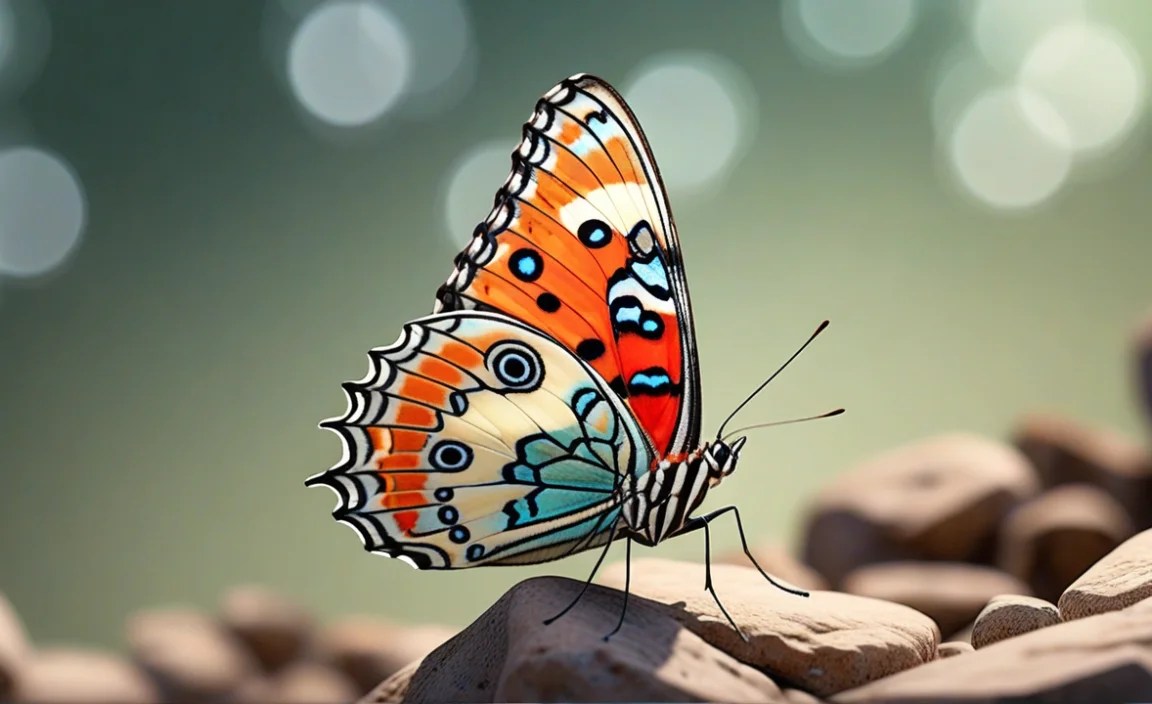
To accurately identify diurnal butterflies, focus on these key characteristics:
Color and Pattern
The color and pattern of a butterfly’s wings are the most obvious features to observe. Note the dominant colors, the presence of spots, stripes, or bands, and any unique markings. Use a butterfly field guide or online resource to compare your observations with known species.
Size and Shape
Butterfly size can vary greatly between species. Measure or estimate the wingspan to narrow down the possibilities. Also, pay attention to the shape of the wings. Some butterflies have rounded wings, while others have pointed or elongated wings.
Habitat and Location
The type of habitat where you find a butterfly can provide clues to its identity. Some species are specific to certain environments, such as woodlands, meadows, or gardens. Also, consider your geographic location, as some butterflies are only found in certain regions.
Behavior
Observe how the butterfly behaves. Does it fly quickly or slowly? Does it prefer to bask in the sun or stay in the shade? What types of flowers does it visit? These behaviors can help you identify the butterfly.
Tools for Butterfly Identification
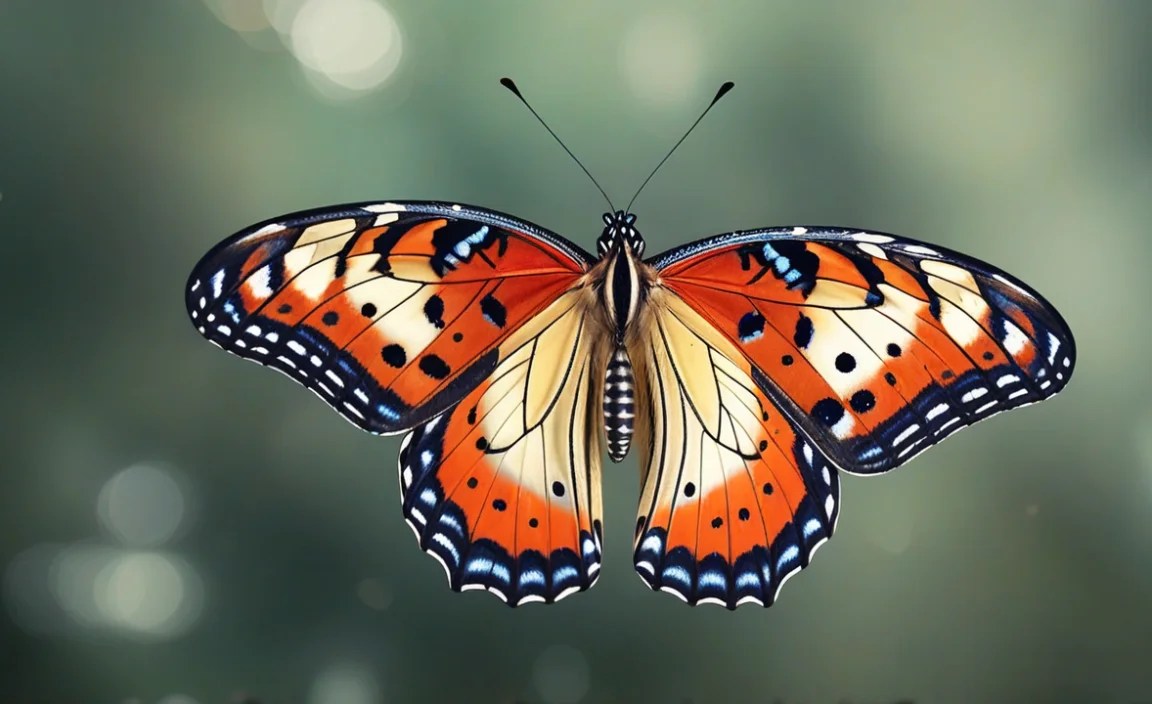
Several tools can assist you in identifying butterflies. Here are some of the most useful:
- Butterfly Field Guides: Books with detailed descriptions and illustrations of different butterfly species.
- Online Butterfly Databases: Websites with photos, descriptions, and range maps of butterflies.
- Butterfly Identification Apps: Mobile apps that use image recognition to identify butterflies from photos.
- Binoculars: Useful for getting a closer look at butterflies without disturbing them.
- Camera: Taking photos of butterflies allows you to study them in more detail later.
Attracting Diurnal Butterflies to Your Garden

One of the best ways to observe and enjoy diurnal butterflies is to attract them to your garden. Here’s how you can create a butterfly-friendly habitat:
Plant Host Plants
Host plants are those that butterfly caterpillars feed on. Planting these will encourage butterflies to lay their eggs in your garden. Some popular host plants include:
- Milkweed: Essential for Monarch butterflies.
- Dill and Parsley: Host plants for Swallowtail butterflies.
- Cabbage and Mustard Greens: Host plants for Cabbage White butterflies.
Provide Nectar Sources
Nectar-rich flowers provide food for adult butterflies. Choose a variety of flowers that bloom at different times of the year to provide a continuous food source. Some great nectar plants include:
- Butterfly Bush (Buddleja davidii): Attracts many different butterfly species.
- Zinnia: Colorful and easy to grow.
- Lantana: Provides a long-lasting nectar source.
- Salvia: Attracts butterflies and hummingbirds.
Offer Water and Shelter
Butterflies need water and shelter to thrive. Provide a shallow dish of water with pebbles or sand for them to land on. Plant shrubs and trees to provide shelter from wind and predators.
Avoid Pesticides
Pesticides can harm or kill butterflies and other beneficial insects. Avoid using pesticides in your garden, or choose organic options that are less harmful.
The Importance of Butterfly Conservation
Butterfly populations are declining in many parts of the world due to habitat loss, pesticide use, and climate change. Conserving butterflies is important for maintaining biodiversity and ecosystem health. Here are some ways you can help:
- Create Butterfly-Friendly Habitats: Plant host plants and nectar sources in your garden or community.
- Support Conservation Organizations: Donate to or volunteer with organizations that work to protect butterflies and their habitats. The Xerces Society is a great place to start.
- Reduce Pesticide Use: Avoid using pesticides in your garden and support organic farming practices.
- Educate Others: Share your knowledge about butterflies with friends, family, and neighbors.
Diurnal Butterfly Species: Detailed Identification Table
This table provides a detailed overview of some common diurnal butterfly species, including their key characteristics, habitat, and host plants.
| Species | Appearance | Size (Wingspan) | Habitat | Host Plants |
|---|---|---|---|---|
| Monarch (Danaus plexippus) | Bright orange with black borders and white spots | 3.5 – 4 inches | Open fields, meadows, gardens | Milkweed |
| Swallowtail (Papilio spp.) | Varies by species; often black and yellow with long tails | 2.5 – 6 inches | Gardens, woodlands, fields | Dill, parsley, citrus trees |
| Painted Lady (Vanessa cardui) | Orange and brown with black spots and white markings | 2 – 2.9 inches | Open areas, gardens, disturbed habitats | Thistle, mallow |
| Cabbage White (Pieris rapae) | White with small black spots | 1.5 – 2 inches | Gardens, fields, urban areas | Cabbage, mustard greens |
| Red Admiral (Vanessa atalanta) | Black with bright red bands and white spots | 1.75 – 3 inches | Woodlands, parks, gardens | Nettles |
| Common Blue (Polyommatus icarus) | Males: bright blue; Females: brown with blue scales and orange spots | 1 – 1.5 inches | Grasslands, meadows, gardens | Clover, bird’s-foot trefoil |
Diurnal Butterfly Species: Lifecycle Stages
Understanding the lifecycle of diurnal butterflies helps appreciate their beauty and ecological roles. Here’s a look at the four stages:
- Egg: Butterflies lay their eggs on host plants. These eggs can vary in color and shape depending on the species.
- Larva (Caterpillar): The larva hatches from the egg and spends its time eating and growing. Caterpillars molt several times as they grow larger.
- Pupa (Chrysalis): The larva transforms into a pupa, also known as a chrysalis. Inside the chrysalis, the caterpillar undergoes metamorphosis.
- Adult Butterfly: The adult butterfly emerges from the chrysalis. It will fly, feed on nectar, and reproduce, continuing the cycle.
Diurnal Butterfly Species: Camouflage and Mimicry
Butterflies use various strategies to protect themselves from predators. Two common strategies are camouflage and mimicry.
Camouflage
Camouflage involves blending in with the environment. Some butterflies have wing patterns that resemble leaves, bark, or other natural objects. This helps them avoid detection by predators.
Mimicry
Mimicry involves resembling another species, often one that is toxic or unpalatable to predators. For example, the Viceroy butterfly mimics the Monarch butterfly, which is poisonous to many predators due to its diet of milkweed. This mimicry provides the Viceroy with protection.
Diurnal Butterfly Species: Migration Patterns
Some diurnal butterflies undertake long-distance migrations, traveling hundreds or even thousands of miles. The most famous example is the Monarch butterfly, which migrates from Canada and the United States to Mexico and California each year.
Monarch Migration
Monarchs migrate to overwintering sites in warmer climates. The journey is completed by multiple generations, with each generation traveling a portion of the distance. The overwintering sites provide a stable environment where the butterflies can conserve energy and reproduce.
Other Migratory Butterflies
Other butterflies, such as the Painted Lady and Red Admiral, also undertake migrations, although their patterns are less well-defined than those of the Monarch. These migrations can be influenced by weather patterns, food availability, and other environmental factors.
FAQ: Diurnal Butterfly Species
Here are some frequently asked questions about diurnal butterfly species:
- What does “diurnal” mean?
- Diurnal means active during the daytime. Diurnal butterflies are those that fly and feed during the day, as opposed to nocturnal butterflies (moths) that are active at night.
- How can I tell a butterfly from a moth?
- Butterflies typically have bright colors, thin antennae with clubbed tips, and hold their wings upright when resting. Moths, on the other hand, often have dull colors, feathery antennae, and fold their wings flat.
- What do butterflies eat?
- Adult butterflies primarily feed on nectar from flowers. They use a long, straw-like proboscis to sip nectar. Caterpillars, the larval stage of butterflies, feed on the leaves of host plants.
- Why are butterflies important?
- Butterflies are important pollinators, helping to fertilize plants and maintain healthy ecosystems. They also serve as food for other animals and are indicators of environmental health.
- How can I attract butterflies to my garden?
- Plant host plants and nectar sources, provide water and shelter, and avoid using pesticides. This will create a butterfly-friendly habitat in your garden.
- What is a host plant?
- A host plant is a plant that butterfly caterpillars feed on. Different butterfly species have different host plant preferences. Planting these plants will attract butterflies to lay their eggs in your garden.
- Are butterflies endangered?
- Some butterfly species are endangered due to habitat loss, pesticide use, and climate change. Supporting conservation efforts and creating butterfly-friendly habitats can help protect these beautiful creatures.
Conclusion
Identifying diurnal butterfly species is a delightful way to connect with nature. By learning to recognize their unique colors, patterns, and behaviors, you can deepen your appreciation for these incredible insects. Whether you’re planting a butterfly garden, using a field guide, or simply observing them in the wild, the world of diurnal butterflies offers endless opportunities for discovery. Remember, every effort to conserve butterflies, no matter how small, contributes to the health of our planet. So, get outside, explore, and enjoy the beauty of these daytime wonders!


