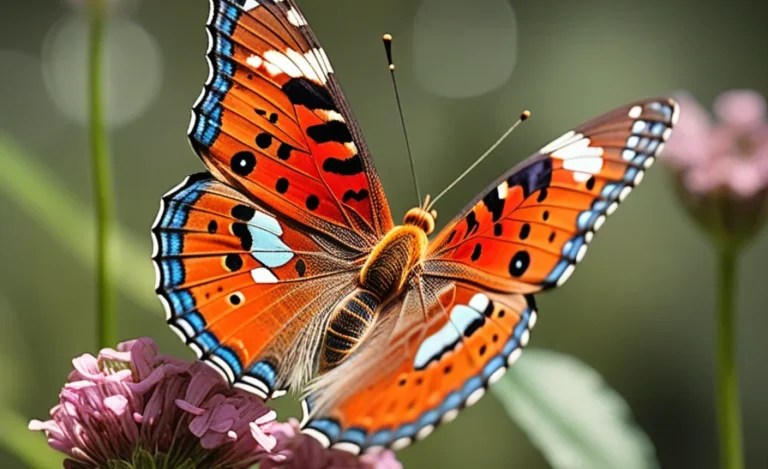
Butterfly Identification Mountain Regions: Quick Guide

Have you ever seen a colorful butterfly flitting by? Maybe you were in the mountains. Mountain regions are full of amazing creatures. One fun thing to do is butterfly identification. It can be like a treasure hunt. You get to discover all sorts of beautiful insects.
Imagine you are hiking with your family. You spot a bright orange butterfly. It has black stripes on its wings. You wonder what kind it is. This is where learning about butterfly identification mountain regions comes in handy. Let’s learn how to find and name these pretty bugs!
Butterflies are more than just pretty. They help flowers grow. They move pollen from one flower to another. This helps plants make seeds. Learning about butterfly identification helps us understand nature better. It also makes our hikes more fun.
Key Takeaways
- Butterfly identification in mountain regions helps us learn about nature.
- Look at wing colors, patterns, and sizes to identify butterflies.
- Use a butterfly field guide or app to help with identification.
- Different mountain habitats host unique butterfly species.
- Respect butterflies and their habitats when observing them.
Butterfly Identification in Mountain Regions
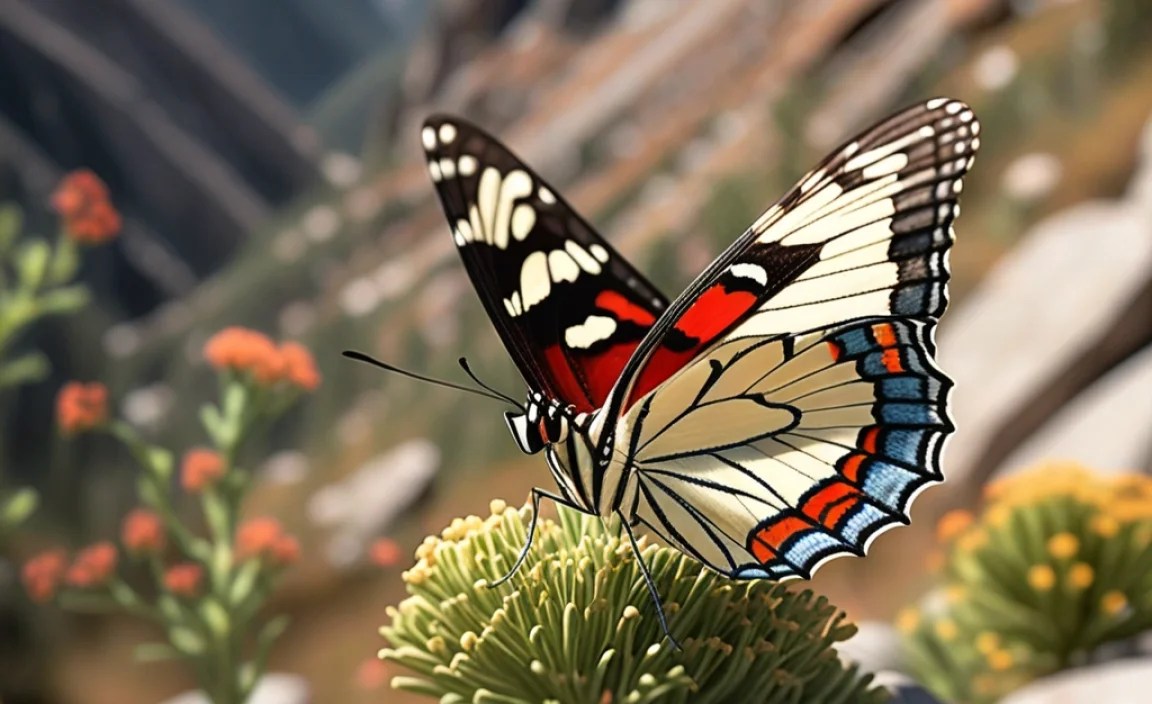
Butterfly identification in mountain regions can be a very fun hobby. The mountains are home to many different kinds of butterflies. These butterflies often have bright colors and patterns. These unique colors and patterns help them survive. Some colors help them hide from predators. Other colors help them attract mates. When you start to learn about butterfly identification, you will see how each butterfly is special. You’ll begin to notice the small details. These details help you tell them apart. Bring a notebook and a camera to record your findings. Remember to be patient. Butterflies can be quick, so take your time and enjoy the process. With practice, you will become a butterfly identification expert in no time! Always be careful not to disturb their habitat. Remember to leave the mountain as you found it, so others can enjoy the butterflies, too.
- Use a field guide for your region.
- Note the size and shape of the wings.
- Pay attention to the colors and patterns.
- Observe the butterfly’s behavior.
- Check what plants the butterfly visits.
Butterfly identification is not just about knowing names. It also teaches us about the environment. Mountain regions have special ecosystems. These ecosystems support unique butterfly species. By learning to identify these butterflies, we can understand how they depend on their environment. We can also learn how to protect them. Butterflies are sensitive to changes in their habitat. Pollution and climate change can hurt them. When we study butterflies, we can track these changes. This helps scientists and conservationists. They can then work to protect these important insects. Butterfly identification is a great way to connect with nature. It helps us to become better stewards of our planet.
Fun Fact or Stat: Some mountain butterflies can only be found above 10,000 feet!
What Equipment Do You Need?
Do you want to start butterfly identification? You might wonder what you need. The good news is, you don’t need much. A good pair of eyes is the most important thing. But a few tools can make it easier. A field guide is very helpful. It has pictures and descriptions of butterflies. A magnifying glass can help you see small details. Binoculars can help you spot butterflies that are far away. A camera lets you take pictures. You can use the pictures to identify the butterflies later. A notebook and pencil are useful for taking notes. Write down where you saw the butterfly. Note what it was doing. All of these tools can help you become a better butterfly identifier. Remember, the most important thing is to be curious and have fun.
Where is the Best Place to Observe?
Are you ready to find some butterflies? You might wonder where to go. Mountain regions offer many great spots. Look for sunny meadows. Butterflies love warm, sunny places. Visit gardens with lots of flowers. Butterflies need nectar from flowers to eat. Check near streams and ponds. Some butterflies like to drink water there. Hike along trails through the woods. You might find butterflies hiding in the shade. Pay attention to the plants around you. Some butterflies only live near certain plants. The best place to observe is where butterflies feel safe and have food. Remember to be quiet and respectful. This will help you see more butterflies. Happy butterfly hunting!
What is the Best Time of the Year?
When is the best time to see butterflies? The answer depends on where you live. In most mountain regions, summer is the best time. The weather is warm, and flowers are blooming. This means there is plenty of food for butterflies. Spring can also be a good time. Some butterflies emerge early in the year. Fall can be okay, but many butterflies have already gone. Winter is usually too cold for butterflies. They either migrate or hibernate. Pay attention to the weather. Butterflies are more active on sunny days. They don’t like cold, windy, or rainy weather. So, plan your butterfly watching trips for warm, sunny days in the spring or summer. This will give you the best chance of seeing lots of butterflies.
Identifying Butterfly Wing Patterns
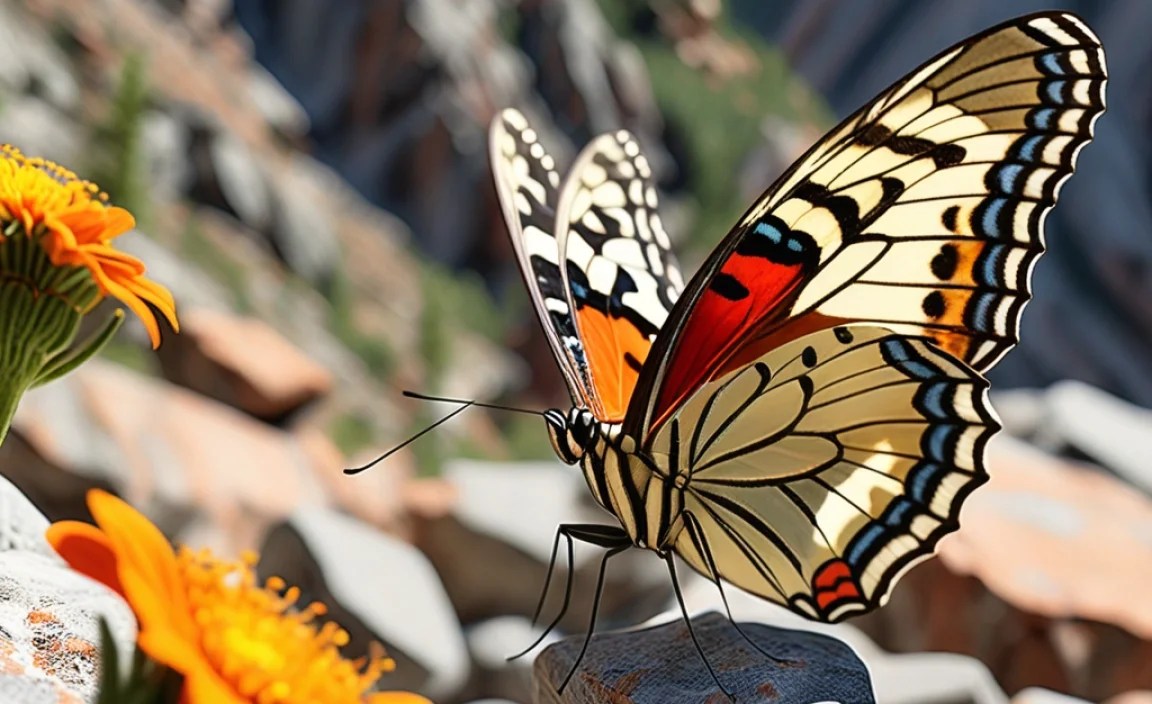
Butterfly wings are like tiny works of art. Each species has its own unique pattern. Learning to identify these patterns is key for butterfly identification. Look closely at the colors. Are they bright or dull? Are there spots, stripes, or bands? Notice the shapes on the wings. Are they round, jagged, or smooth? Pay attention to the edges of the wings. Are they straight or scalloped? Some butterflies have tails on their wings. These tails can be long or short. They can be single or multiple. The patterns on the upper side of the wing can be different from the underside. So, be sure to look at both sides. Wing patterns help butterflies attract mates. They also help them hide from predators. The more you practice, the better you will get at identifying butterfly wing patterns. Butterfly identification mountain regions becomes easier when you understand these patterns.
- Note the main colors of the wings.
- Look for any spots or stripes.
- Check the shape of the wing edges.
- See if there are any tails on the wings.
- Compare the top and bottom of the wings.
Butterfly wing patterns are not just pretty. They also tell us about the butterfly’s life. For example, some butterflies have patterns that look like eyes. These “eyes” can scare away predators. Other butterflies have patterns that blend in with their surroundings. This helps them hide from predators. Some butterflies mimic the patterns of poisonous butterflies. This protects them from being eaten. The wing patterns can also tell us about the butterfly’s habitat. Butterflies that live in forests might have darker colors. Butterflies that live in meadows might have brighter colors. By studying butterfly wing patterns, we can learn a lot about their lives and their environment. This information is very useful for butterfly identification mountain regions and conservation efforts.
Fun Fact or Stat: Some butterflies have wing patterns that change depending on the season!
What Do the Colors Indicate?
Have you ever wondered what butterfly colors mean? Colors play a big role in a butterfly’s life. Bright colors can attract mates. They can also warn predators. Dull colors can help butterflies hide. For example, orange and yellow often mean danger. These colors tell predators that the butterfly might be poisonous. Brown and green colors help butterflies blend in with leaves and bark. Blue and purple colors can attract mates. Some colors change depending on the light. This is called iridescence. Iridescent colors can be very beautiful. The colors of a butterfly can also tell us about its habitat. Butterflies that live in sunny areas often have brighter colors. Butterflies that live in shady areas often have duller colors. So, the next time you see a butterfly, pay attention to its colors. They can tell you a lot about the butterfly.
What About Spots and Stripes?
Butterfly wings are covered in spots and stripes. What do these markings mean? Spots can help butterflies scare away predators. Some spots look like eyes. These “eyes” can startle predators and give the butterfly time to escape. Stripes can help butterflies blend in with their surroundings. Stripes can also break up the butterfly’s outline. This makes it harder for predators to see them. Some butterflies have spots and stripes that mimic other butterflies. This can protect them from being eaten. The size, shape, and color of spots and stripes can vary. These differences can help us identify different species. When you’re trying butterfly identification mountain regions, pay close attention to the spots and stripes. They are important clues.
How Do Patterns Aid Camouflage?
Camouflage is very important for butterflies. It helps them hide from predators. Butterfly patterns play a big role in camouflage. Some butterflies have patterns that look like leaves. This helps them blend in with trees and bushes. Other butterflies have patterns that look like bark. This helps them hide on tree trunks. Some butterflies have patterns that disrupt their outline. This makes it harder for predators to see their shape. The colors of the patterns also help with camouflage. Brown and green colors are common. These colors blend in with the environment. Camouflage is especially important for butterflies that are resting. It helps them avoid being seen by birds and other predators. So, when you’re looking at butterflies, remember that their patterns are not just pretty. They also help them survive.
Mountain Butterfly Habitats
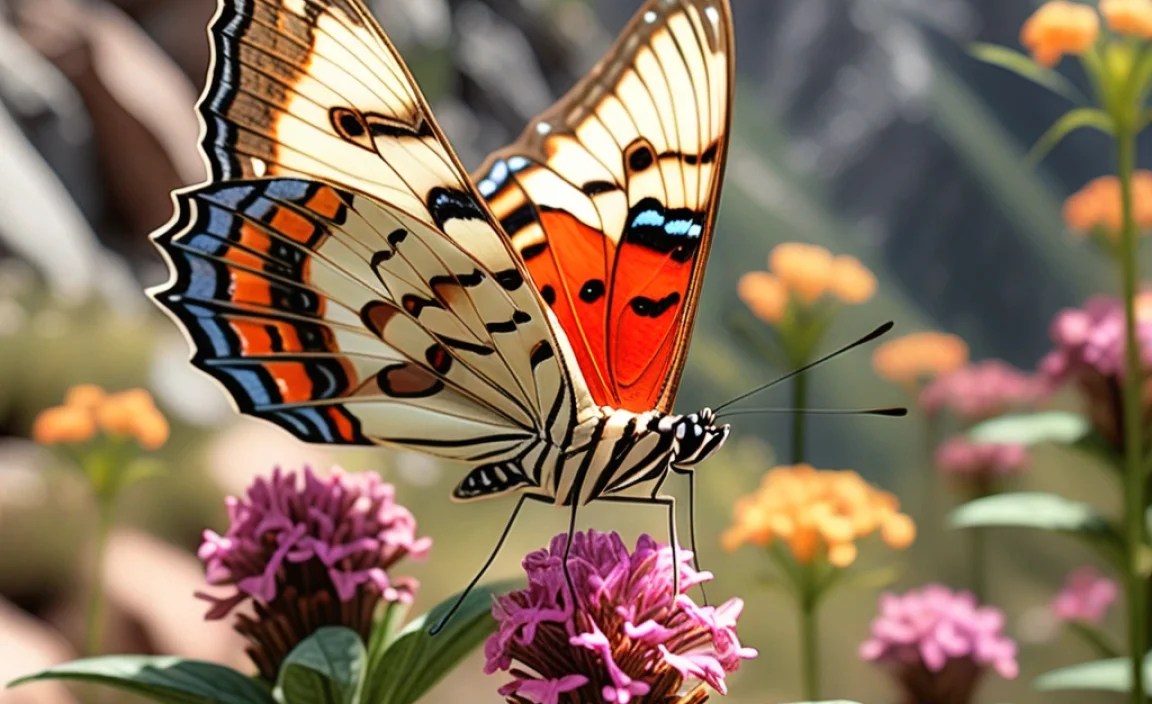
Mountain regions have many different habitats. Each habitat supports different kinds of butterflies. Some butterflies live in meadows. These meadows are full of wildflowers. Other butterflies live in forests. These forests provide shade and shelter. Some butterflies live near streams and ponds. These areas provide water for drinking. The type of habitat affects the butterflies that live there. For example, butterflies that live in meadows often have bright colors. This helps them attract mates in the open sunlight. Butterflies that live in forests often have duller colors. This helps them blend in with the shade. Understanding butterfly habitats is important for butterfly identification. When you know what kind of habitat a butterfly prefers, it can help you narrow down the possibilities. This makes butterfly identification mountain regions much easier.
- Meadows are full of wildflowers.
- Forests offer shade and shelter.
- Streams provide water for butterflies.
- Alpine areas have unique species.
- Rock outcrops offer basking spots.
Mountain habitats are changing. Climate change is affecting the plants and animals that live there. This can also affect butterflies. As temperatures rise, some butterflies may move to higher elevations. This can change the distribution of butterfly species. Pollution can also harm butterflies. Pesticides can kill butterflies and their caterpillars. Habitat destruction can also be a problem. When forests are cut down or meadows are developed, butterflies lose their homes. It’s important to protect mountain habitats. This will help ensure that butterflies continue to thrive. Learning about butterfly identification mountain regions can encourage people to care more about conservation. We must do our part to conserve these special places and the butterflies that live there.
Fun Fact or Stat: Some mountain butterflies migrate to lower elevations in the winter!
How Do Elevations Affect Butterfly Species?
Did you know that elevation affects which butterflies you find? Different butterfly species live at different elevations. Some butterflies can only survive at high altitudes. These butterflies are adapted to cold temperatures and strong winds. Other butterflies prefer lower elevations. These butterflies need warmer temperatures. As you climb a mountain, you might see different butterfly species. This is because the temperature and vegetation change with elevation. For example, you might find alpine butterflies near the summit. These butterflies are often small and dark colored. You might find forest butterflies lower down. These butterflies are often larger and more colorful. Understanding how elevation affects butterfly species is important for butterfly identification. It can help you predict which butterflies you are likely to see. Butterfly identification mountain regions is more fun when you know what to expect.
What Plants Do Mountain Butterflies Prefer?
Butterflies need plants to survive. Caterpillars eat plants. Adult butterflies drink nectar from flowers. Different butterflies prefer different plants. Some butterflies are very picky. They only eat one type of plant. Other butterflies are less picky. They will eat many different plants. Mountain butterflies have special relationships with mountain plants. For example, some butterflies lay their eggs on specific mountain wildflowers. The caterpillars then eat the leaves of those flowers. Adult butterflies drink nectar from the same flowers. When you’re looking for butterflies, pay attention to the plants around you. You might find butterflies feeding on their favorite flowers. Learning about butterfly plant preferences can help you find more butterflies. It can also help you identify them. Butterfly identification mountain regions is easier when you know the local flora.
Why are Some Habitats More Popular?
Have you noticed that some places have more butterflies than others? Some habitats are more popular with butterflies. These habitats offer everything butterflies need to survive. They have plenty of food, water, and shelter. Sunny meadows are very popular with butterflies. These meadows are full of wildflowers. The flowers provide nectar for adult butterflies. They also provide food for caterpillars. Areas near water are also popular. Butterflies need water to drink. Sheltered areas are important too. These areas protect butterflies from wind and rain. Areas with a variety of habitats are often the best. These areas offer something for everyone. When you’re looking for butterflies, try to find these popular habitats. You’re more likely to see lots of butterflies there. You can then learn about butterfly identification mountain regions better.
How to Use Butterfly Field Guides
A butterfly field guide is a great tool for butterfly identification. It has pictures and descriptions of different butterfly species. It can help you identify butterflies that you see in the field. To use a field guide, first look at the butterfly closely. Note its size, shape, and color. Pay attention to any patterns on its wings. Then, flip through the field guide. Look for a picture that matches the butterfly you saw. Read the description of the butterfly. Does the description match what you saw? If so, you have probably identified the butterfly correctly. Field guides often have information about the butterfly’s habitat and behavior. This can also help you identify the butterfly. Remember to bring your field guide with you when you go butterfly watching. It will help you learn about butterfly identification mountain regions. Keep in mind that some species can look very similar, so double-check your identification.
- Look for a guide specific to your region.
- Compare your butterfly to the pictures.
- Read the descriptions carefully.
- Consider the butterfly’s habitat.
- Check the distribution maps.
Butterfly field guides are not perfect. Some butterflies can be hard to identify. This is because they can look very similar to other species. Also, butterflies can vary in color and pattern. This can make it hard to match them to the pictures in the field guide. However, field guides are still a very useful tool. They can help you narrow down the possibilities. They can also teach you about butterfly biology and ecology. When using a field guide, it’s important to be patient. Take your time and compare the butterfly carefully to the pictures and descriptions. Don’t be afraid to ask for help from other butterfly enthusiasts. With practice, you will become better at using field guides. You’ll be able to improve your butterfly identification mountain regions skills.
Fun Fact or Stat: The first butterfly field guides were hand-drawn and very rare!
What Features Should a Good Guide Have?
What makes a good butterfly field guide? A good field guide should have clear pictures. The pictures should show the butterflies from different angles. The pictures should also show the butterflies in different poses. A good field guide should have detailed descriptions. The descriptions should include information about the butterfly’s size, shape, and color. The descriptions should also include information about the butterfly’s habitat and behavior. A good field guide should have distribution maps. The maps should show where the butterfly lives. A good field guide should be easy to use. It should be organized in a logical way. It should also be lightweight and durable. These features will help you identify butterflies more easily. When you’re choosing a field guide, look for these features. They will make your butterfly identification mountain regions experience more enjoyable.
How Can You Compare Similar Species?
Some butterflies look very similar. How can you tell them apart? This can be tricky. But there are some things you can do. First, look closely at the details. Pay attention to the size, shape, and color of the spots and stripes. Look at the edges of the wings. Are they smooth or jagged? Check the underside of the wings. The patterns on the underside can be different from the patterns on the upperside. Read the descriptions in the field guide carefully. The descriptions will often point out subtle differences between similar species. Consider the butterfly’s habitat. Some species prefer different habitats. Look at the distribution maps. Some species live in different areas. With practice, you will become better at telling similar species apart. Butterfly identification mountain regions is a skill that improves over time.
Are There Digital Apps That Help?
Do you prefer using your phone or tablet? There are many digital apps that can help with butterfly identification. These apps have pictures and descriptions of butterflies. They also have features that can help you identify butterflies in the field. Some apps allow you to take a picture of a butterfly. The app will then try to identify the butterfly for you. Other apps have interactive keys. These keys ask you questions about the butterfly you saw. Based on your answers, the app will suggest possible identifications. Digital apps can be very convenient. They can also be more up-to-date than printed field guides. However, it’s important to use them carefully. The identifications suggested by the apps are not always correct. Always double-check the identifications with a field guide or other resource. When used correctly, digital apps can be a valuable tool for butterfly identification mountain regions.
Respecting Butterfly Habitats
When we go out to observe butterflies, it’s important to respect their habitats. Butterflies are delicate creatures. Their habitats are easily disturbed. We should try to minimize our impact on the environment. Stay on trails. Avoid trampling plants. Do not collect butterflies. Leave them for others to enjoy. Do not disturb their eggs or caterpillars. Do not use pesticides or herbicides in butterfly habitats. These chemicals can harm butterflies and other wildlife. Pack out all your trash. Leave the area as you found it. By following these simple guidelines, we can help protect butterfly habitats. This will ensure that butterflies continue to thrive. This is especially important in mountain regions, where habitats can be fragile. We want to enjoy butterfly identification mountain regions for years to come.
- Stay on marked trails.
- Avoid disturbing plants.
- Do not collect butterflies.
- Pack out all your trash.
- Educate others about conservation.
- Minimize your impact on the area.
Respecting butterfly habitats is not just about protecting butterflies. It’s also about protecting the entire ecosystem. Butterflies are an important part of the food web. They are a food source for birds, lizards, and other animals. They also help pollinate plants. When we protect butterfly habitats, we are also protecting these other species. We are also helping to maintain the health of the ecosystem. By being responsible visitors, we can help ensure that mountain regions remain beautiful and healthy places for butterflies and other wildlife. This allows future generations to enjoy butterfly identification mountain regions as well.
Fun Fact or Stat: Some butterfly species are endangered due to habitat loss.
How Can You Minimize Your Impact?
There are many ways to minimize your impact on butterfly habitats. One way is to stay on trails. This helps prevent soil erosion and damage to plants. Another way is to avoid disturbing plants. Do not pick flowers or break branches. These plants provide food and shelter for butterflies. Do not leave trash behind. Pack out everything you pack in. This includes food wrappers, water bottles, and other waste. Avoid using pesticides or herbicides. These chemicals can harm butterflies and other wildlife. Be mindful of your noise level. Loud noises can scare butterflies and other animals. By following these simple tips, you can help protect butterfly habitats. This allows us all to continue enjoying butterfly identification mountain regions in a responsible manner.
What Should You Do If You See Someone Disturbing Butterflies?
What should you do if you see someone disturbing butterflies? It can be upsetting to see someone harming butterflies or their habitat. If you feel comfortable, you can politely ask the person to stop. Explain why it’s important to protect butterflies. You can also educate them about responsible butterfly watching. If you don’t feel comfortable confronting the person directly, you can report the incident to park rangers or other authorities. Be sure to provide as much detail as possible. This will help them investigate the situation. You can also set a good example by following responsible butterfly watching practices yourself. This will show others how to respect butterflies and their habitat. By working together, we can help protect butterflies. We can promote responsible butterfly identification mountain regions.
Why is Education Important?
Education is very important for butterfly conservation. When people understand the importance of butterflies, they are more likely to protect them. Education can teach people about butterfly biology, ecology, and conservation. It can also teach people about responsible butterfly watching practices. Education can take many forms. It can include nature walks, workshops, and presentations. It can also include books, articles, and websites. By educating people about butterflies, we can help create a more sustainable future. A future where butterflies and other wildlife can thrive. We can also encourage more people to participate in butterfly identification mountain regions and citizen science projects.
Recording and Sharing Butterfly Sightings
Recording your butterfly sightings is a great way to contribute to science. It can also help you learn more about butterflies. When you see a butterfly, note the date, time, and location. Record the species of butterfly, if you know it. If you don’t know the species, take a picture. You can try to identify it later. Note the butterfly’s behavior. Was it feeding, flying, or resting? Record any other interesting observations. You can share your sightings with other butterfly enthusiasts. There are many online websites where you can submit your data. This data can be used by scientists to track butterfly populations. It can also be used to study the effects of climate change. By recording and sharing your butterfly sightings, you can make a real difference. You can help protect butterflies for future generations. This is important for preserving the joy of butterfly identification mountain regions.
- Note the date and time of your sighting.
- Record the location as accurately as possible.
- Identify the butterfly species if you can.
- Describe the butterfly’s behavior.
- Share your sightings online.
Sharing your butterfly sightings can also be a great way to connect with other nature lovers. You can join online forums or groups. You can share your pictures and stories. You can learn from other people’s experiences. You can also get help identifying butterflies. Sharing your sightings can also inspire others to get involved in butterfly conservation. It can show them how easy and rewarding it is to make a difference. By sharing our knowledge and enthusiasm, we can create a community of butterfly advocates. This community can work together to protect butterflies and their habitats. This contributes to the ongoing enjoyment of butterfly identification mountain regions.
Fun Fact or Stat: Citizen scientists contribute valuable data to butterfly research!
What Data Should You Record?
What data should you record when you see a butterfly? The most important information is the date, time, and location. Record the date and time of the sighting. This will help track changes in butterfly populations. Record the location as accurately as possible. Use a GPS device or a map to pinpoint the location. Identify the butterfly species if you can. If you’re not sure, take a picture. Describe the butterfly’s behavior. Was it feeding, flying, or resting? Note the weather conditions. Was it sunny, cloudy, or rainy? Record any other interesting observations. This data can be used by scientists to study butterflies. By collecting detailed data, you can make a valuable contribution to science. You can also improve your skills in butterfly identification mountain regions.
How Can Online Platforms Help?
Online platforms can be very helpful for recording and sharing butterfly sightings. There are many websites and apps that allow you to submit your data. These platforms often have features that make it easy to record and share your sightings. Some platforms allow you to upload pictures of butterflies. Other platforms have interactive maps. These maps allow you to pinpoint the location of your sightings. Online platforms can also connect you with other butterfly enthusiasts. You can share your sightings and learn from others. You can also get help identifying butterflies. By using online platforms, you can contribute to a global network of butterfly observers. You can also help scientists track butterfly populations. This is invaluable for supporting butterfly identification mountain regions and broader conservation efforts.
Why is Citizen Science Important?
Citizen science is very important for butterfly research. Citizen scientists are volunteers who help collect data. They can record butterfly sightings, monitor butterfly populations, and help with other research projects. Citizen science is important because it allows scientists to collect data over a large area. Scientists can’t be everywhere at once. They need the help of volunteers to collect data in different locations. Citizen science also helps educate the public about butterflies. It can inspire people to get involved in butterfly conservation. By participating in citizen science projects, you can make a real difference. You can help protect butterflies and their habitats. You can also contribute to our understanding of butterfly identification mountain regions.
Butterfly Conservation Efforts
Butterflies are facing many threats. Habitat loss, climate change, and pollution are all harming butterfly populations. It’s important to support butterfly conservation efforts. There are many things you can do to help. You can plant a butterfly garden. This will provide food and shelter for butterflies. You can avoid using pesticides and herbicides. These chemicals can harm butterflies and other wildlife. You can support organizations that are working to protect butterfly habitats. You can also educate others about the importance of butterfly conservation. By working together, we can help ensure that butterflies continue to thrive. This preserves the opportunity to enjoy butterfly identification mountain regions.
| Threat | Impact | Solution |
|---|---|---|
| Habitat Loss | Reduced food and shelter | Plant butterfly gardens |
| Climate Change | Shifting ranges, disrupted cycles | Reduce carbon footprint |
| Pollution | Harm to butterflies and caterpillars | Avoid pesticides and herbicides |
| Disease | Kills butterflies | Maintain healthy ecosystem |
Butterfly conservation is not just about protecting butterflies. It’s also about protecting the entire ecosystem. Butterflies are an important part of the food web. They are a food source for birds, lizards, and other animals. They also help pollinate plants. When we protect butterflies, we are also protecting these other species. We are also helping to maintain the health of the ecosystem. By supporting butterfly conservation efforts, we can create a more sustainable future. A future where butterflies and other wildlife can thrive. This also supports the ongoing pursuit of butterfly identification mountain regions.
Fun Fact or Stat: Some butterfly conservation programs use captive breeding to boost populations!
How Can You Create a Butterfly Garden?
Creating a butterfly garden is a great way to help butterflies. To create a butterfly garden, you need to provide food, water, and shelter. Plant a variety of flowering plants. Choose plants that bloom at different times of the year. This will ensure that butterflies have a constant source of nectar. Provide a source of water. A shallow dish of water with pebbles will work. Provide shelter from the wind and rain. Plant trees and shrubs. Avoid using pesticides and herbicides. These chemicals can harm butterflies. By creating a butterfly garden, you can provide a haven for butterflies. You can also enjoy watching them in your own backyard. You can also learn more about butterfly identification mountain regions.
What Role Do Native Plants Play?
Native plants play a very important role in butterfly conservation. Native plants are plants that naturally occur in a particular area. Butterflies have evolved to depend on native plants for food and shelter. Native plants provide the best source of nectar for adult butterflies. They also provide the best source of food for caterpillars. When you’re planting a butterfly garden, choose native plants. This will ensure that you’re providing the best possible habitat for butterflies. Native plants are also more resistant to pests and diseases. They require less water and fertilizer. By planting native plants, you can create a more sustainable butterfly garden. You can also learn more about the local ecosystem and butterfly identification mountain regions.
How Can You Support Conservation Organizations?
There are many ways to support butterfly conservation organizations. You can donate money. This will help them fund their conservation projects. You can volunteer your time. They need volunteers to help with a variety of tasks. You can become a member. This will give you access to exclusive information. You can also help them spread the word about butterfly conservation. Tell your friends and family about the importance of protecting butterflies. You can also write letters to your elected officials. Urge them to support butterfly conservation efforts. By supporting conservation organizations, you can help protect butterflies. You can ensure that they continue to thrive for future generations. You can also support the continued pursuit of butterfly identification mountain regions and ecological research.
Summary
Butterfly identification in mountain regions is a fun and educational hobby. It helps us learn about these beautiful insects. We can understand their habitats and behaviors. We can identify butterflies by looking at their wing patterns. Colors, spots, and stripes are important clues. Field guides and digital apps can help us. It’s also important to respect butterfly habitats. We should minimize our impact on the environment. Recording and sharing our sightings can help scientists. Conservation efforts are crucial for protecting butterflies. We can create butterfly gardens and support conservation organizations. By working together, we can ensure that butterflies continue to thrive. This allows future generations to enjoy butterfly identification mountain regions.
Conclusion
Butterfly identification in mountain regions is a rewarding activity. It connects us with nature. It teaches us about the environment. It encourages us to protect these amazing creatures. By learning about butterflies, we can become better stewards of our planet. We can support conservation efforts. We can educate others about the importance of butterflies. Let’s all do our part to ensure that butterflies continue to thrive in mountain regions and beyond.
Frequently Asked Questions
Question No 1: What is the best time of day to look for butterflies?
Answer: The best time of day to look for butterflies is usually in the late morning or early afternoon. This is when the sun is out, and the air is warm. Butterflies are cold-blooded. They need the sun’s warmth to be active. On cool or cloudy days, butterflies may be less active. They might be hiding in the shade. They need the sun’s