
Small Tortoiseshell Butterfly: Ultimate ID Guide

The Small Tortoiseshell butterfly (Aglais urticae) is a vibrant, orange-and-black butterfly common across Europe and Asia. Easily recognized by its scalloped wing edges and blue spots, it’s a frequent visitor to gardens and meadows. These butterflies are important pollinators and a joy to observe, making them a welcome sight in any butterfly-friendly habitat.
Have you ever caught a flash of bright orange in your garden, only to see it flit away before you could get a good look? Chances are, you’ve spotted a Small Tortoiseshell butterfly! These beauties are common, but their numbers have been declining in recent years, making them even more precious.
Identifying them can be tricky for beginners, and understanding their life cycle is key to helping them thrive. Don’t worry, I’m here to guide you! Together, we’ll explore everything from identification tips to creating a haven for these butterflies in your own backyard. Get ready to deepen your connection with nature and contribute to butterfly conservation, one step at a time.
Identifying the Small Tortoiseshell Butterfly
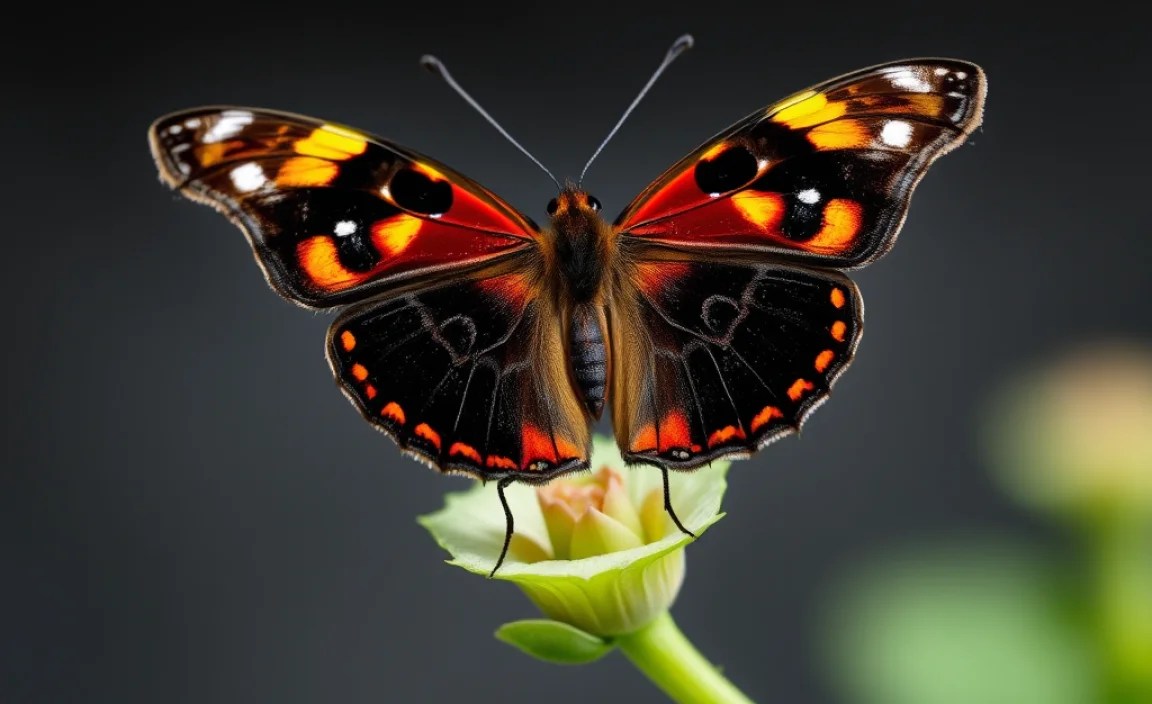
Distinguishing the Small Tortoiseshell from other similar butterflies is easier than you might think! Here’s what to look for:
Key Features
- Wingspan: Typically ranges from 4.5 to 5.6 cm (1.8 to 2.2 inches).
- Wing Color: Predominantly orange with black spots and patches.
- Wing Edges: Distinctive scalloped edges with a row of blue spots.
- Underwings: Mottled brown, providing excellent camouflage when the butterfly is at rest.
Distinguishing from Similar Species
The Small Tortoiseshell is often confused with other orange butterflies. Here’s how to tell them apart:
| Species | Key Identification Marks | Distinguishing Features |
|---|---|---|
| Small Tortoiseshell (Aglais urticae) | Orange wings with black spots, blue spots along scalloped edges. | Smaller size, distinct blue spots. |
| Large Tortoiseshell (Nymphalis polychloros) | Orange-brown wings with black spots, yellow spots along wing edges. | Larger size, yellow spots instead of blue. Rarer than the Small Tortoiseshell. |
| Comma (Polygonia c-album) | Orange and brown wings with jagged edges, small white ‘comma’ on the underwing. | Jagged wing edges, comma-shaped mark on the underwing. |
| Painted Lady (Vanessa cardui) | Orange and brown wings with black spots, white spots on the wingtips. | More mottled pattern, prominent white spots on the wingtips. |
Observing Behavior
Pay attention to how the butterfly behaves. Small Tortoiseshells are often seen basking in the sun with their wings open, or flitting around nectar-rich flowers. Their flight pattern is quick and erratic.
The Life Cycle of a Small Tortoiseshell

Understanding the Small Tortoiseshell’s life cycle is crucial for conservation efforts. Here’s a detailed look:
Egg Stage
The life cycle begins with the eggs, which are laid in clusters on the underside of nettle leaves (Urtica dioica). These eggs are typically pale green.
Larval Stage (Caterpillar)
Once hatched, the caterpillars are dark and spiky, feeding voraciously on nettle leaves. They go through several molts as they grow. You can often find groups of caterpillars feeding together.
Pupal Stage (Chrysalis)
The caterpillar then transforms into a chrysalis, which is usually brown or grey and hangs upside down from a nettle stem or nearby plant. This stage lasts for a couple of weeks.
Adult Stage (Butterfly)
Finally, the adult butterfly emerges from the chrysalis. It will then mate, lay eggs, and continue the cycle. Adult Small Tortoiseshells can live for several months, especially if they hibernate through the winter.
Where to Find Small Tortoiseshell Butterflies

Small Tortoiseshells are widespread, but knowing their preferred habitats will increase your chances of spotting them:
Habitats
- Gardens: Especially those with nectar-rich flowers and nettles.
- Meadows: Open areas with plenty of wildflowers.
- Woodland edges: Where they can find shelter and food.
- Urban areas: Parks and even roadside verges can provide suitable habitats.
Geographical Distribution
These butterflies are common throughout Europe and temperate Asia. They can be found as far east as Japan.
Seasonal Variations
You’ll typically see Small Tortoiseshells from spring to autumn. Some adults hibernate over winter in sheltered locations such as sheds or hollow trees, emerging again in the spring.
Attracting Small Tortoiseshells to Your Garden

Want to bring these beautiful butterflies to your backyard? Here’s how:
Planting the Right Flowers
Adult butterflies feed on nectar, so planting nectar-rich flowers is essential. Here are some favorites:
- Buddleja (Butterfly Bush): A classic butterfly magnet.
- Lavender: Provides nectar and a lovely scent.
- Sedum: Late-blooming flowers that provide a valuable food source in autumn.
- Thistles: A favorite of many butterfly species.
- Verbena: Long-lasting blooms that attract a variety of pollinators.
Providing Host Plants
Remember, caterpillars need food too! Plant nettles in a secluded corner of your garden. Don’t worry, they won’t take over if you manage them.
Creating a Butterfly-Friendly Environment
Butterflies need more than just food. Consider these factors:
- Sunlight: Butterflies need sunny spots to bask and warm up.
- Shelter: Provide shrubs or trees to offer protection from wind and rain.
- Water: A shallow dish of water with pebbles for butterflies to land on can be very helpful.
- Avoid Pesticides: Pesticides can harm or kill butterflies and other beneficial insects. Opt for organic gardening methods.
Conservation Status and Efforts
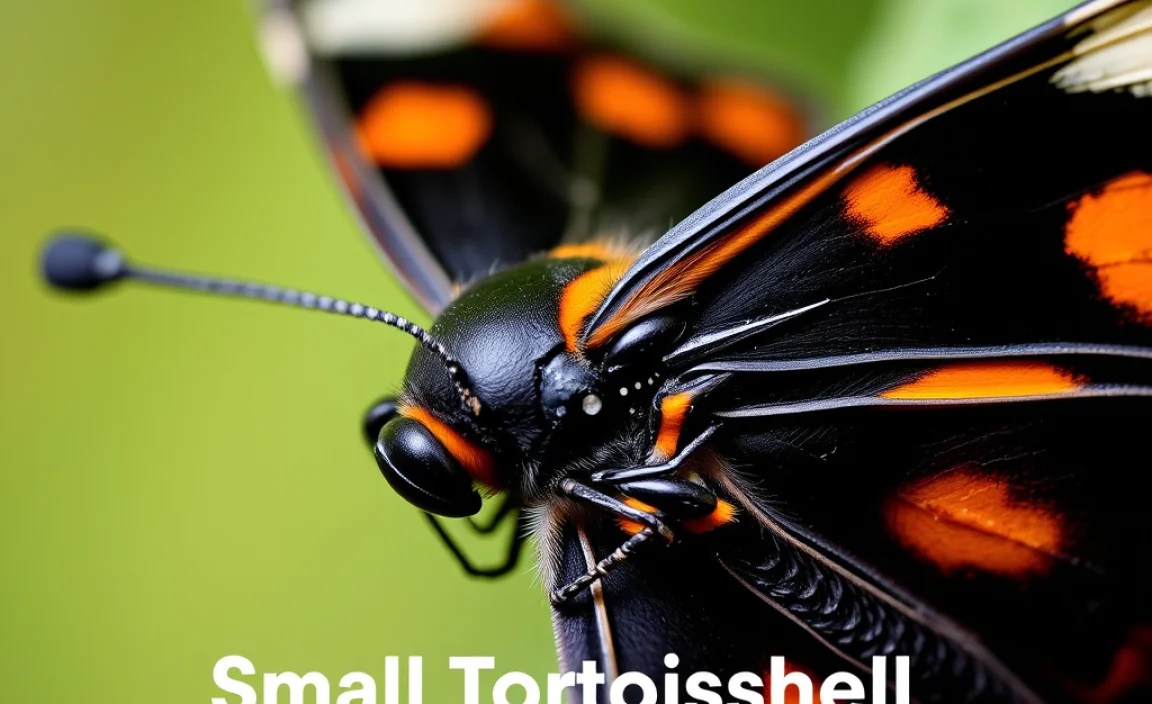
While the Small Tortoiseshell is still relatively common, its numbers have declined significantly in recent decades. Understanding the threats they face is crucial for effective conservation.
Threats to Small Tortoiseshells
- Habitat Loss: Development and changes in agricultural practices have reduced suitable habitats.
- Climate Change: Changes in weather patterns can disrupt butterfly life cycles.
- Pesticide Use: Pesticides can directly kill butterflies and their caterpillars, as well as reduce their food sources.
- Parasites and Diseases: Like all living things, butterflies are susceptible to parasites and diseases.
Conservation Efforts
Many organizations are working to protect butterflies and their habitats. Here are some ways you can get involved:
- Support Conservation Organizations: Donate to or volunteer with organizations like Butterfly Conservation in the UK or The Xerces Society in North America.
- Create Butterfly-Friendly Habitats: Plant nectar-rich flowers and host plants in your garden.
- Reduce Pesticide Use: Opt for organic gardening methods.
- Educate Others: Share your knowledge and passion for butterflies with friends, family, and your community.
- Citizen Science: Participate in butterfly monitoring programs to help track populations and identify trends.
The UK Butterfly Monitoring Scheme, for example, relies on volunteers to collect data on butterfly populations across the UK, providing valuable insights into their conservation status (UKBMS).
Small Tortoiseshell Butterfly in Culture and Symbolism
Butterflies have captivated humans for centuries, and the Small Tortoiseshell is no exception. They often appear in art, literature, and folklore, carrying rich symbolism.
Symbolism
Butterflies are often seen as symbols of:
- Transformation: Representing personal growth and change.
- Hope: Symbolizing optimism and new beginnings.
- Beauty: Appreciating the delicate beauty of nature.
- Soul: In some cultures, butterflies are believed to represent the human soul.
Cultural Significance
In many cultures, butterflies are seen as messengers from the spirit world or symbols of good luck. Their presence is often considered a positive omen.
Photographing Small Tortoiseshell Butterflies
Capturing stunning photos of Small Tortoiseshells can be a rewarding experience. Here are some tips:
Equipment
- Camera: A DSLR or mirrorless camera with a macro lens is ideal, but even a smartphone can capture decent shots.
- Lens: A macro lens allows you to get close-up details.
- Tripod: Helps to stabilize your camera for sharp images, especially in low light.
Techniques
- Patience: Butterflies are fast-moving, so be patient and wait for the right moment.
- Timing: Early morning or late afternoon, when butterflies are less active, can be a good time to photograph them.
- Composition: Pay attention to the background and foreground to create a visually appealing image.
- Focus: Ensure your subject is sharp and in focus.
- Lighting: Soft, natural light is best. Avoid harsh sunlight.
Ethical Considerations
Always respect the butterflies and their habitat. Avoid disturbing them or damaging their environment. Never capture or handle butterflies unless you have a valid scientific reason.
Frequently Asked Questions
What do Small Tortoiseshell caterpillars eat?
Small Tortoiseshell caterpillars primarily eat nettle leaves. They are often found in groups on nettle plants.
How long do Small Tortoiseshell butterflies live?
Adult Small Tortoiseshells can live for several months, especially if they hibernate over winter. Those that emerge in the spring can live until the autumn.
Are Small Tortoiseshell butterflies endangered?
While not currently endangered, their numbers have declined in recent decades. Conservation efforts are important to protect their populations.
How can I attract Small Tortoiseshells to my garden?
Plant nectar-rich flowers like buddleja and lavender, and provide host plants like nettles. Also, avoid using pesticides and provide a source of water.
What is the difference between a Small Tortoiseshell and a Large Tortoiseshell?
The Small Tortoiseshell is smaller and has blue spots along the edges of its wings. The Large Tortoiseshell is larger and has yellow spots.
Do Small Tortoiseshell butterflies migrate?
Some Small Tortoiseshells migrate, but most hibernate locally. Those that migrate may travel relatively short distances compared to other butterfly species like the Monarch.
When is the best time to see Small Tortoiseshell butterflies?
You can typically see Small Tortoiseshells from spring to autumn. They are most active on warm, sunny days.
Conclusion
The Small Tortoiseshell butterfly, with its vibrant colors and fascinating life cycle, is a true gem of the natural world. While these butterflies face challenges, there are many ways we can help them thrive. By planting the right flowers, providing host plants, and creating a butterfly-friendly environment, we can make our gardens havens for these beautiful creatures.
By supporting conservation efforts and educating others, we can contribute to the long-term survival of the Small Tortoiseshell and other butterfly species. Let’s work together to ensure that future generations can enjoy the beauty and wonder of these incredible insects.


