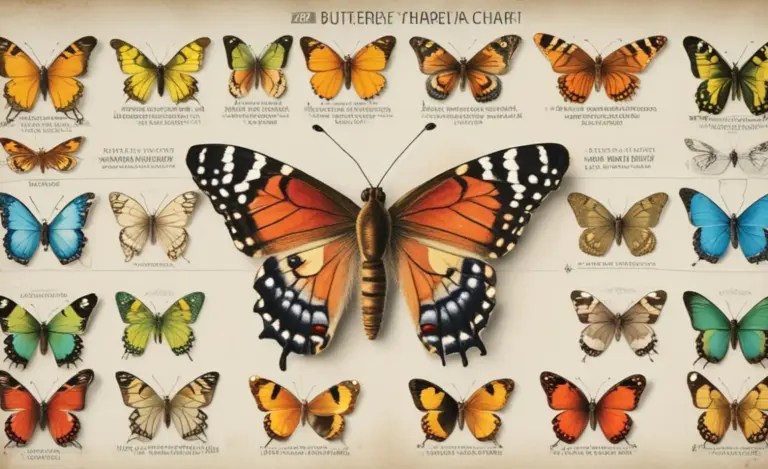
Emerald Swallowtail Species: The Ultimate Guide

The Emerald Swallowtail butterflies are known for their striking iridescent green bands on their wings. To identify one, look for those vibrant green markings on a black background, along with their distinctive swallow-like tails. These butterflies are found in Southeast Asia and Australia, often fluttering around tropical forests and gardens. Attracting them to your garden involves planting their favorite nectar-rich flowers and host plants for their caterpillars.
Have you ever been captivated by a butterfly so stunning it seemed to shimmer in the sunlight? Many people find butterfly identification tricky, especially when dealing with such vibrant and diverse species like the Emerald Swallowtails. It can be frustrating to know where to start when you want to learn more about these beauties and maybe even attract them to your garden.
Don’t worry, you’re not alone! In this guide, we’ll explore everything about Emerald Swallowtails, from identifying different species to creating a butterfly-friendly garden. Get ready to discover the enchanting world of these butterflies and how you can play a part in their conservation. First, let’s dive into what makes these butterflies so special.
Frequently Asked Questions About Emerald Swallowtails
What is an Emerald Swallowtail butterfly?
An Emerald Swallowtail is a type of swallowtail butterfly known for its bright, iridescent green markings on its wings. These butterflies belong to the Papilionidae family and are found in various regions of Southeast Asia and Australia.
Where can I find Emerald Swallowtail butterflies?
Emerald Swallowtails are typically found in tropical and subtropical regions of Southeast Asia and Australia. Look for them in forests, gardens, and near flowering plants that provide nectar.
What do Emerald Swallowtail caterpillars eat?
Emerald Swallowtail caterpillars primarily feed on the leaves of citrus plants and other plants in the Rutaceae family. These plants provide the nutrients necessary for their growth and development.
How can I attract Emerald Swallowtails to my garden?
To attract Emerald Swallowtails, plant nectar-rich flowers like lantana, hibiscus, and milkweed. Also, include host plants such as citrus trees for the caterpillars to feed on.
Are Emerald Swallowtail butterflies endangered?
While some Emerald Swallowtail species are not currently endangered, habitat loss and pesticide use can threaten their populations. Supporting conservation efforts and creating butterfly-friendly habitats can help protect them.
What is the lifespan of an Emerald Swallowtail butterfly?
The lifespan of an Emerald Swallowtail butterfly is typically a few weeks to several months, depending on the species and environmental conditions. During this time, they focus on reproduction and nectar feeding.
How do I identify different species of Emerald Swallowtails?
Identifying different species of Emerald Swallowtails involves looking at the specific patterns and shapes of the green markings on their wings, as well as their size and geographical location. Consulting field guides and online resources can also be helpful.
Understanding Emerald Swallowtail Butterflies
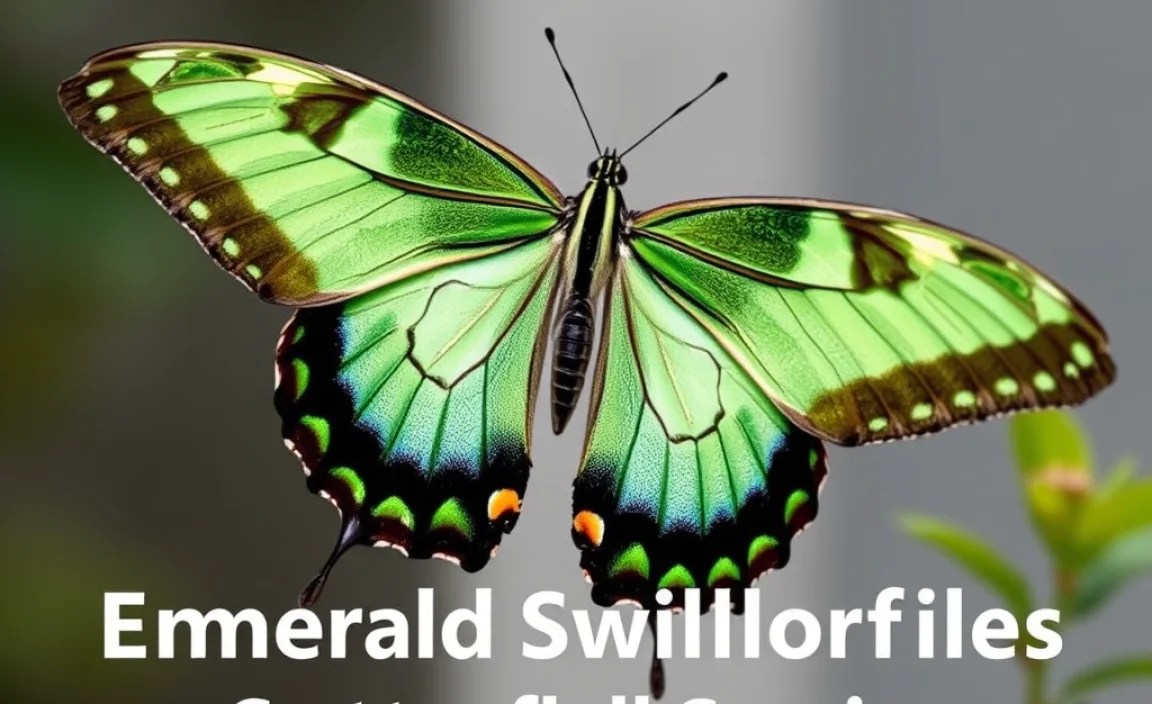
Emerald Swallowtail butterflies are a group of stunning insects known for their vibrant, iridescent green markings. As an enthusiast, I find their beauty truly captivating, and understanding their biology and behavior only deepens my appreciation for these creatures.
What are Emerald Swallowtail Butterflies?
Emerald Swallowtails belong to the family Papilionidae, which includes some of the largest and most beautiful butterflies in the world. What sets Emerald Swallowtails apart is the striking iridescent green scales on their wings, which create a shimmering effect that is truly mesmerizing. These butterflies are found in various regions of Southeast Asia and Australia, where they play important roles in their ecosystems as pollinators and indicators of environmental health.
Key Characteristics
Here are some key characteristics that define Emerald Swallowtail butterflies:
- Iridescent Green Markings: The most distinctive feature, the bright green scales on their wings, varies in pattern and intensity among different species.
- Swallow-like Tails: Like other swallowtail butterflies, they have elongated tails on their hindwings, giving them their name.
- Size: They are generally medium to large butterflies, with wingspans ranging from 3 to 5 inches (7.6 to 12.7 cm).
- Flight Pattern: Their flight is typically strong and erratic, making them a joy to watch as they move through the air.
Habitat and Distribution
Emerald Swallowtails are primarily found in the tropical and subtropical regions of Southeast Asia and Australia. They thrive in diverse habitats, including:
- Tropical Forests: These butterflies are often seen in the understory and along the edges of tropical forests.
- Gardens and Parks: They also frequent gardens and parks, especially those with flowering plants that provide nectar.
- Coastal Areas: Some species can be found in coastal habitats, where they feed on nectar from coastal vegetation.
Their distribution varies depending on the specific species. For example, some species are exclusive to certain islands or regions within Southeast Asia, while others have a broader range across Australia.
Life Cycle
The life cycle of Emerald Swallowtail butterflies is similar to that of other butterflies, consisting of four main stages:
- Egg: The female butterfly lays her eggs on the leaves of host plants, which are typically citrus or related species.
- Larva (Caterpillar): The caterpillar hatches from the egg and feeds on the host plant’s leaves. It grows through several instars, shedding its skin as it gets larger.
- Pupa (Chrysalis): Once the caterpillar is fully grown, it forms a pupa or chrysalis. Inside the pupa, the caterpillar undergoes metamorphosis.
- Adult Butterfly: After a period of time, the adult butterfly emerges from the pupa. It then flies off to feed on nectar and reproduce.
Identifying Different Emerald Swallowtail Species
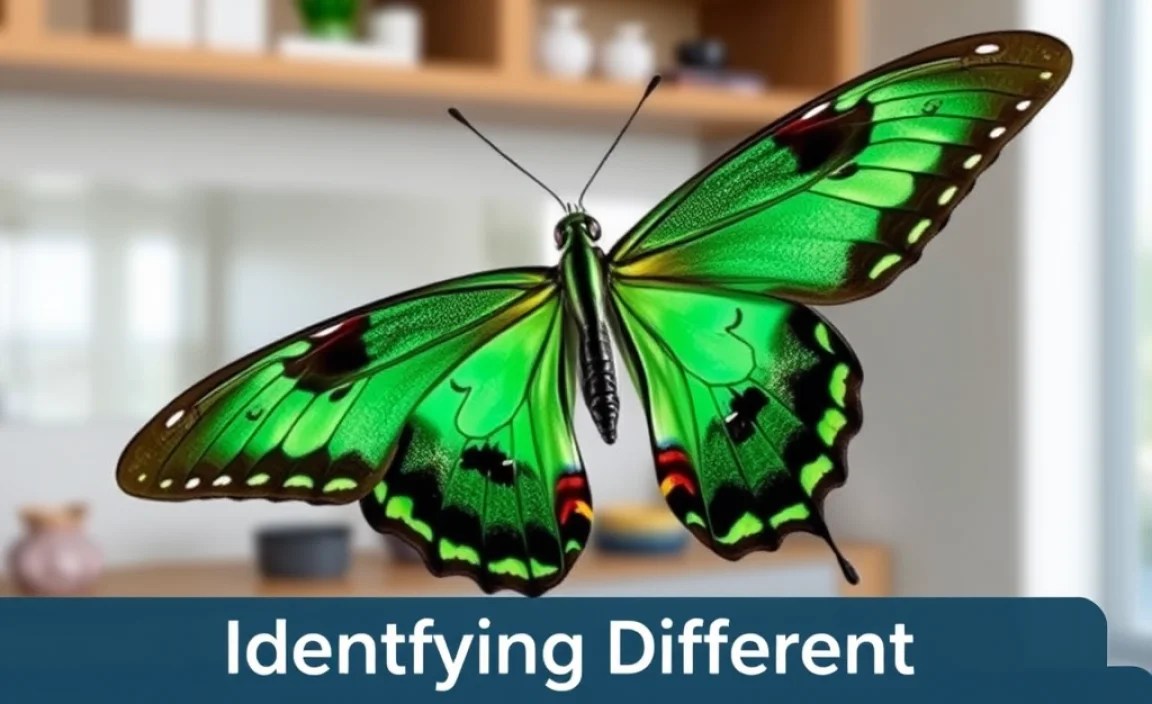
One of the most exciting aspects of studying Emerald Swallowtails is learning to identify the different species. Each species has its unique markings and characteristics, making the identification process both challenging and rewarding. Here’s a guide to help you distinguish between some of the more common Emerald Swallowtail species.
Common Species and Their Distinguishing Features
Here are some of the most well-known Emerald Swallowtail species and how to identify them:
1. *Papilio palinurus* (The Emerald Swallowtail)
This is perhaps the most iconic of the Emerald Swallowtails. It is known for its bright green bands that stretch across the wings. These bands are quite broad and vibrant, making it relatively easy to identify.
- Wings: The wings are black with broad, iridescent green bands.
- Tail: It has distinctive swallow-like tails.
- Size: Medium-sized, with a wingspan of about 3 to 4 inches (7.6 to 10.2 cm).
- Habitat: Found in Southeast Asia, including Malaysia, Indonesia, and the Philippines.
2. *Papilio blumei* (The Green Swallowtail)
*Papilio blumei* is another stunning species with vivid green and blue markings. The iridescent areas on its wings are more extensive compared to *Papilio palinurus*, covering a larger portion of the wing surface.
- Wings: Predominantly black with large, iridescent green and blue areas.
- Tail: It also features prominent swallow-like tails.
- Size: Medium-sized, similar to *Papilio palinurus*.
- Habitat: Native to Indonesia, particularly Sulawesi and surrounding islands.
3. *Papilio peranthus* (The Peranthus Swallowtail)
*Papilio peranthus* is characterized by its more subtle green markings. The green areas are typically less intense and may appear more yellowish-green compared to the other species.
- Wings: Black wings with less intense, yellowish-green markings.
- Tail: Swallow-like tails are present.
- Size: Slightly smaller than *Papilio palinurus* and *Papilio blumei*.
- Habitat: Found in Indonesia, including Java and Sumatra.
4. *Papilio nireus* (The Green-banded Swallowtail)
While not as intensely green as some of its relatives, *Papilio nireus* features a distinctive green band on its wings. This species is more common in Africa but shares similar characteristics with its Asian counterparts.
- Wings: Black with a noticeable green band.
- Tail: Has swallow-like tails.
- Size: Medium-sized.
- Habitat: Primarily found in Africa.
Tips for Identification
Here are some tips to help you accurately identify Emerald Swallowtail species:
- Observe Wing Markings: Pay close attention to the pattern, intensity, and extent of the green markings on the wings.
- Check the Tail Shape: Note the shape and length of the swallow-like tails.
- Consider Size: Keep in mind the overall size of the butterfly, as some species are larger than others.
- Note the Location: The geographical location can be a key indicator, as some species are only found in specific regions.
- Use Field Guides: Consult field guides and online resources with detailed descriptions and images.
Comparative Table
To further assist you in identifying these beautiful butterflies, here’s a comparative table:
| Species | Wings | Tail | Size | Habitat |
|---|---|---|---|---|
| *Papilio palinurus* | Black with broad, iridescent green bands | Distinctive swallow-like tails | Medium (3-4 inches) | Southeast Asia |
| *Papilio blumei* | Black with large, iridescent green and blue areas | Prominent swallow-like tails | Medium (3-4 inches) | Indonesia (Sulawesi) |
| *Papilio peranthus* | Black with less intense, yellowish-green markings | Swallow-like tails | Slightly smaller | Indonesia (Java, Sumatra) |
| *Papilio nireus* | Black with a noticeable green band | Swallow-like tails | Medium | Africa |
Attracting Emerald Swallowtails to Your Garden

Creating a butterfly-friendly garden is a rewarding experience. By providing the right plants and conditions, you can attract Emerald Swallowtails and enjoy their beauty up close. Here’s how to make your garden a haven for these stunning creatures.
Planting the Right Flowers
Emerald Swallowtails, like all butterflies, need nectar-rich flowers for food. Here are some of their favorite nectar sources:
- Lantana: These colorful flowers are a favorite among butterflies and provide a continuous source of nectar.
- Hibiscus: The large, vibrant flowers of hibiscus plants are irresistible to Emerald Swallowtails.
- Milkweed: Milkweed is not only a nectar source but also a host plant for Monarch butterflies, making it a great addition to any butterfly garden.
- Buddleja (Butterfly Bush): As the name suggests, butterfly bushes are highly attractive to butterflies and provide abundant nectar.
- Pentas: These star-shaped flowers come in various colors and are a reliable nectar source.
Providing Host Plants for Caterpillars
To support the entire life cycle of Emerald Swallowtails, you need to provide host plants for their caterpillars. Emerald Swallowtail caterpillars primarily feed on plants in the Rutaceae family, which includes:
- Citrus Trees: Lemon, lime, and orange trees are excellent host plants. The caterpillars will feed on the leaves, so don’t be alarmed if you see some foliage being eaten.
- Rue (Ruta graveolens): This herb is another suitable host plant for Emerald Swallowtail caterpillars.
- Other Rutaceae Plants: Various other plants in the Rutaceae family can also serve as host plants, depending on the specific species of Emerald Swallowtail in your area.
Creating a Butterfly-Friendly Environment
In addition to providing food and host plants, you can create a butterfly-friendly environment by:
- Providing Sunlight: Butterflies need sunlight to warm their bodies and fly. Make sure your garden has plenty of sunny spots.
- Offering Shelter: Plant shrubs and trees to provide shelter from wind and rain.
- Supplying Water: Butterflies need water to stay hydrated. You can provide water by placing a shallow dish with water and pebbles in your garden. The pebbles give the butterflies a place to land while they drink.
- Avoiding Pesticides: Pesticides can harm or kill butterflies and caterpillars. Avoid using pesticides in your garden, or choose organic options that are less harmful.
Specific Tips for Emerald Swallowtails
Here are some specific tips to attract Emerald Swallowtails to your garden:
- Plant a Variety of Nectar Sources: Different species of Emerald Swallowtails may prefer different nectar sources, so planting a variety of flowers will increase your chances of attracting them.
- Group Plants Together: Planting flowers in groups makes it easier for butterflies to find them and feed on their nectar.
- Provide a Mud Puddle: Male butterflies often gather at mud puddles to obtain minerals and nutrients. You can create a mud puddle by wetting a patch of soil and adding some compost or manure.
- Protect Caterpillars: If you find caterpillars on your citrus trees, avoid spraying them with pesticides. Instead, consider moving them to another citrus tree or protecting them with netting.
Table of Butterfly-Friendly Plants
| Plant Type | Plant Name | Benefit for Emerald Swallowtails |
|---|---|---|
| Nectar Source | Lantana | Provides continuous nectar |
| Nectar Source | Hibiscus | Large, vibrant flowers |
| Nectar Source | Buddleja (Butterfly Bush) | Abundant nectar source |
| Host Plant | Citrus Trees (Lemon, Lime, Orange) | Food source for caterpillars |
| Host Plant | Rue (Ruta graveolens) | Alternative food source for caterpillars |
Ecological Importance and Conservation
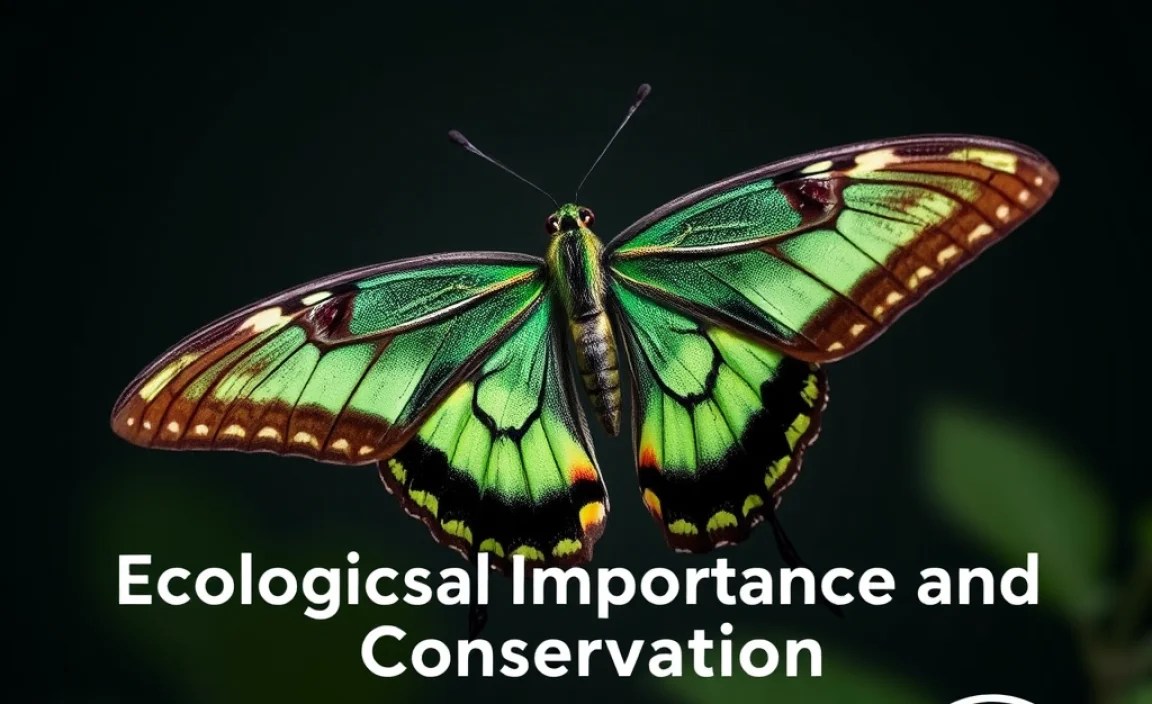
Emerald Swallowtail butterflies play a vital role in their ecosystems. Understanding their ecological importance and the threats they face is crucial for their conservation. As a naturalist, I believe it’s our responsibility to protect these beautiful creatures and their habitats.
Role in the Ecosystem
Emerald Swallowtails contribute to the health and biodiversity of their environments in several ways:
- Pollination: As they feed on nectar, they transfer pollen from flower to flower, aiding in plant reproduction. This is essential for the survival of many plant species and the overall health of ecosystems.
- Food Source: They serve as a food source for birds, reptiles, and other insects. Caterpillars, in particular, are an important part of the food chain.
- Indicator Species: The presence and abundance of Emerald Swallowtails can indicate the health of an ecosystem. A decline in their population may signal environmental problems such as habitat loss or pesticide contamination.
Threats to Emerald Swallowtail Populations
Despite their beauty and ecological importance, Emerald Swallowtail butterflies face several threats:
- Habitat Loss: Deforestation and urbanization are destroying the forests and other habitats where these butterflies live.
- Pesticide Use: Pesticides used in agriculture and gardening can harm or kill butterflies and caterpillars.
- Climate Change: Changes in temperature and rainfall patterns can disrupt butterfly life cycles and alter their habitats.
- Illegal Collection: In some areas, butterflies are collected for trade, which can further deplete their populations.
Conservation Efforts
There are several ways you can contribute to the conservation of Emerald Swallowtail butterflies:
- Create Butterfly-Friendly Gardens: Planting nectar-rich flowers and host plants in your garden provides food and habitat for butterflies.
- Avoid Pesticides: Use organic gardening methods and avoid using pesticides that can harm butterflies and other beneficial insects.
- Support Conservation Organizations: Donate to or volunteer with organizations that work to protect butterfly habitats and promote conservation. The Xerces Society is a great resource for learning more about butterfly conservation.
- Educate Others: Share your knowledge and passion for butterflies with friends, family, and community members. The more people who care about butterflies, the more likely we are to protect them.
- Advocate for Conservation Policies: Support policies that protect butterfly habitats and promote sustainable land use.
The Importance of Sustainable Practices
Adopting sustainable practices in your daily life can also help protect Emerald Swallowtail butterflies and their habitats. This includes:
- Reducing Your Carbon Footprint: By conserving energy, using public transportation, and making other sustainable choices, you can help reduce the impacts of climate change.
- Supporting Sustainable Agriculture: Choose organic and locally grown foods to support farming practices that are less harmful to the environment.
- Conserving Water: Use water wisely in your home and garden to help protect aquatic habitats.
- Reducing Waste: Recycle and compost to reduce the amount of waste that ends up in landfills.
Table of Conservation Actions
| Action | Description | Benefit for Emerald Swallowtails |
|---|---|---|
| Create Butterfly Garden | Plant nectar-rich flowers and host plants | Provides food and habitat |
| Avoid Pesticides | Use organic gardening methods | Protects butterflies and caterpillars |
| Support Organizations | Donate to conservation groups | Funds habitat protection and research |
| Educate Others | Share knowledge about butterflies | Increases awareness and support |
| Sustainable Practices | Reduce carbon footprint, conserve water | Protects overall environment |
Conclusion
Emerald Swallowtail butterflies are more than just beautiful insects; they are vital components of their ecosystems and indicators of environmental health. By understanding their unique characteristics, life cycle, and ecological importance, we can better appreciate and protect these stunning creatures. Whether you’re identifying different species, creating a butterfly-friendly garden, or supporting conservation efforts, every action makes a difference.
As a lifelong butterfly enthusiast, I encourage you to continue exploring the fascinating world of butterflies and to share your passion with others. Together, we can ensure that future generations will have the opportunity to marvel at the beauty of Emerald Swallowtails and the wonders of nature.