
Butterfly Photo Reference Collection: Ultimate Guide

Quick Summary: Building a butterfly photo reference collection is simple! Start by taking your own photos during different seasons and times of day. Include close-ups of wings, bodies, and caterpillars. Organize your images by species, location, and date using folders or specialized software. Use online databases and field guides to help identify and label your photos accurately. This will create a valuable resource for identification, education, and artistic inspiration.
Have you ever struggled to identify a butterfly fluttering in your garden? It’s a common challenge for nature lovers! Creating your own butterfly photo reference collection is a fun and rewarding way to learn more about these beautiful creatures. It will help you identify different species, understand their life cycles, and appreciate their unique beauty. With a few simple steps, you can build a valuable resource for yourself and others. Let’s dive in and discover how!
Why Create a Butterfly Photo Reference Collection?
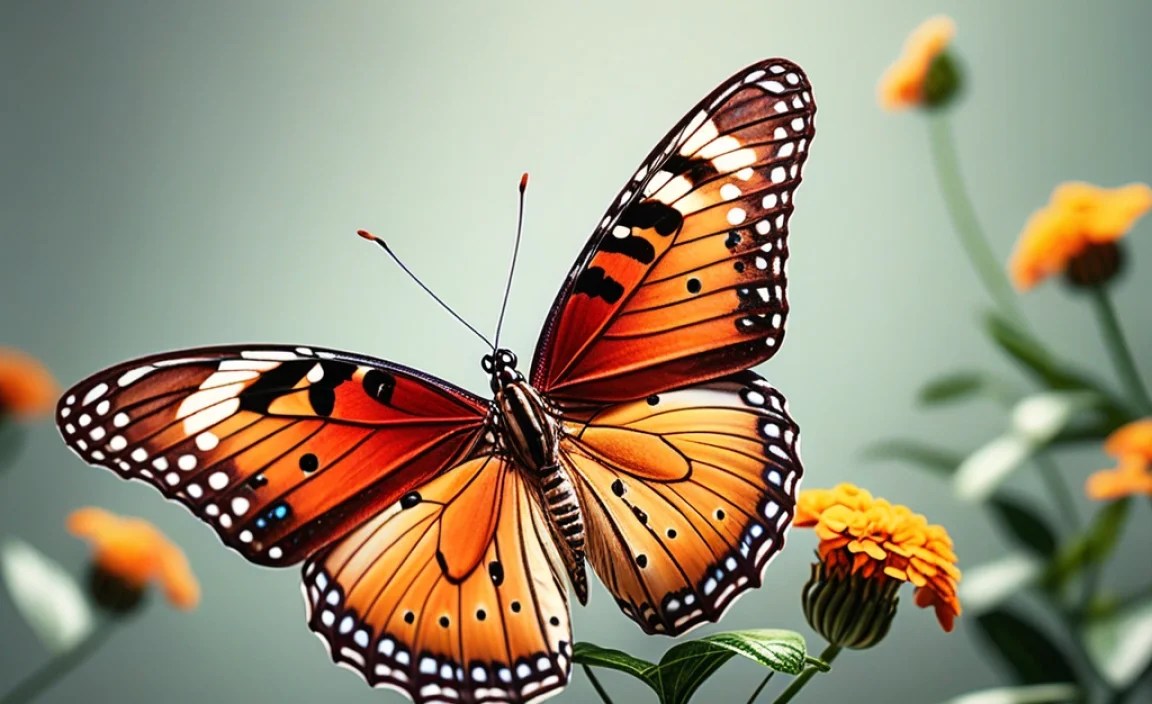
Butterflies are fascinating insects, and having a visual reference collection can be incredibly useful. Here’s why:
- Identification: Quickly identify butterflies you see in your backyard or on your travels.
- Education: Learn about different species, their habitats, and life cycles.
- Conservation: Contribute to citizen science by documenting butterfly sightings in your area.
- Artistic Inspiration: Use your photos as inspiration for paintings, drawings, and other creative projects.
- Personal Enjoyment: Deepen your connection with nature and appreciate the beauty of butterflies.
Step-by-Step Guide to Building Your Collection

Creating a butterfly photo reference collection is easier than you think! Follow these steps to get started:
Step 1: Gathering Your Equipment
You don’t need expensive equipment to start. Here’s what you’ll need:
- Camera: A smartphone camera works great for beginners. If you want higher quality images, consider a digital camera with a macro lens.
- Notebook and Pen: To record details about each sighting, such as date, time, location, and any interesting observations.
- Field Guide: A butterfly field guide specific to your region is essential for identification.
- Storage: A computer or external hard drive to store your photos.
- Photo Editing Software (Optional): Software like Adobe Photoshop or GIMP can help you enhance your photos.
Step 2: Finding Butterflies to Photograph
The best way to find butterflies is to visit places where they are likely to be. Here are some tips:
- Butterfly Gardens: These gardens are specifically designed to attract butterflies with nectar-rich flowers. Many botanical gardens and nature centers have butterfly houses.
- Parks and Meadows: Look for areas with wildflowers and plenty of sunshine.
- Your Own Backyard: Plant butterfly-friendly flowers to attract butterflies to your garden.
- Wooded Areas: Some butterfly species prefer shaded areas, especially near host plants where their caterpillars feed.
Step 3: Capturing the Perfect Shot
Taking good butterfly photos requires patience and a few simple techniques:
- Get Close: Use a macro lens or zoom in to capture details of the butterfly’s wings and body.
- Focus: Make sure the butterfly is in sharp focus, especially the eyes and wing patterns.
- Lighting: Natural light is best. Avoid harsh sunlight, which can create shadows. Overcast days or early morning/late afternoon light are ideal.
- Angle: Take photos from different angles to show various features. A side view is great for wing patterns, while a top view shows the body shape.
- Patience: Butterflies are constantly moving. Be patient and wait for the right moment to capture your shot.
Step 4: Documenting Your Observations
Recording details about each butterfly sighting is crucial for building a valuable reference collection. Note the following:
- Date and Time: When you saw the butterfly.
- Location: Be as specific as possible (e.g., “Central Park, near the pond”). GPS coordinates can be very helpful.
- Habitat: Describe the surrounding environment (e.g., “meadow with wildflowers,” “wooded area near a stream”).
- Behavior: Note what the butterfly was doing (e.g., “feeding on nectar,” “basking in the sun”).
- Plant Associations: If the butterfly was on a plant, identify the plant species if possible.
Step 5: Identifying the Butterfly
Use your field guide and online resources to identify the butterfly species. Look for key characteristics such as:
- Wing Patterns: The colors, shapes, and markings on the wings.
- Size and Shape: The overall size and shape of the butterfly.
- Body Features: The color and shape of the body, antennae, and legs.
- Range: Confirm that the species is known to occur in your region.
Here are some excellent resources for butterfly identification:
- Butterflies and Moths of North America: A comprehensive online database with photos and information on North American butterflies and moths.
- The Xerces Society: A non-profit organization dedicated to invertebrate conservation, with valuable resources on butterfly identification and habitat.
- Local Field Guides: Purchase a field guide specific to your region for accurate identification.
Step 6: Organizing Your Photo Collection
Proper organization is essential for making your photo collection easy to use. Here are some methods:
- Folders: Create folders on your computer for each butterfly species. Within each species folder, you can create subfolders for different dates, locations, or life stages (e.g., “caterpillar,” “pupa,” “adult”).
- File Naming: Use a consistent naming convention for your photo files. For example: “SpeciesName_Location_Date.jpg” (e.g., “Monarch_CentralPark_20240715.jpg”).
- Metadata: Add metadata to your photo files, such as keywords, descriptions, and copyright information. This will make it easier to search and manage your collection.
- Photo Management Software: Consider using photo management software like Adobe Lightroom or Google Photos to organize and edit your photos.
Step 7: Enhancing Your Photos (Optional)
Photo editing software can help you improve the quality of your photos. Here are some common adjustments:
- Cropping: Crop your photos to focus on the butterfly and remove distracting elements.
- Brightness and Contrast: Adjust the brightness and contrast to make the butterfly stand out.
- Color Correction: Correct any color imbalances to make the colors look more natural.
- Sharpening: Sharpen your photos to enhance details.
Step 8: Sharing Your Collection
Once you’ve built your photo reference collection, consider sharing it with others!
- Online Platforms: Share your photos on social media platforms like Instagram, Facebook, and Flickr.
- Citizen Science Projects: Contribute your sightings to citizen science projects like iNaturalist and eButterfly.
- Local Nature Organizations: Share your photos with local nature centers, parks, and conservation groups.
- Educational Presentations: Use your photos in presentations to educate others about butterflies and their importance.
Tips for Success
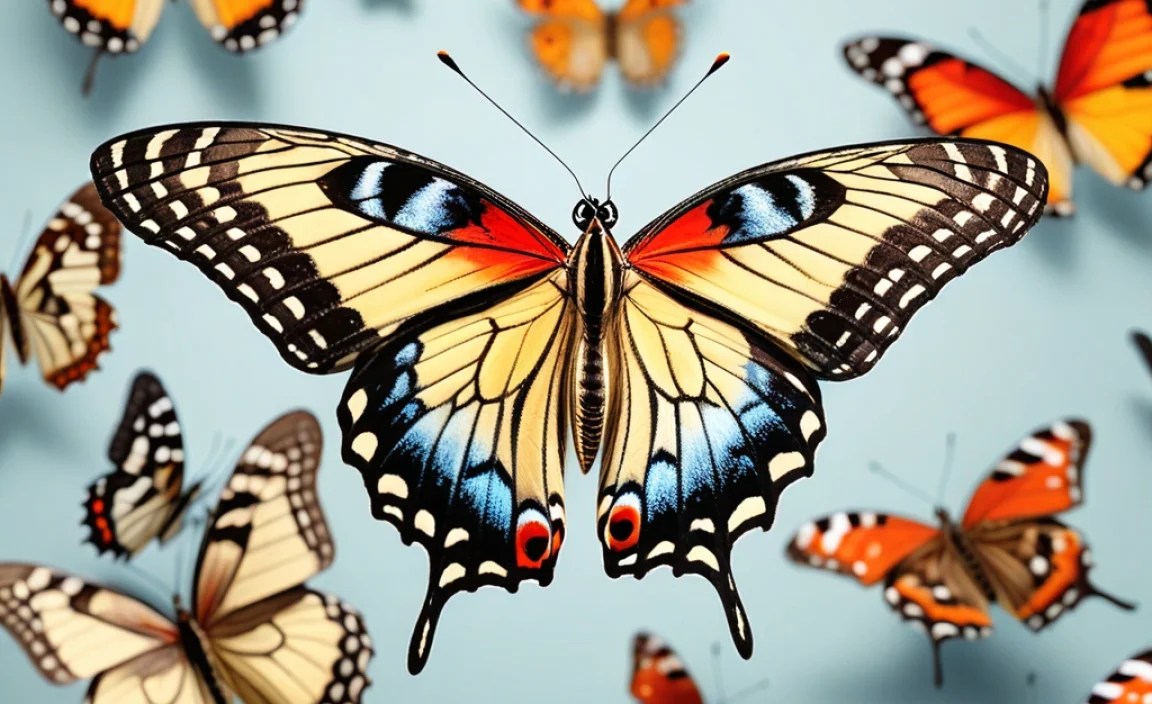
Here are some additional tips to help you create a successful butterfly photo reference collection:
- Be Patient: Butterfly photography requires patience. Spend time observing butterflies and waiting for the right moment to capture your shot.
- Be Respectful: Avoid disturbing butterflies or damaging their habitat. Observe them from a distance and avoid touching them.
- Learn About Butterfly Biology: The more you know about butterfly biology and behavior, the better you’ll be at finding and photographing them.
- Join a Butterfly Club: Connect with other butterfly enthusiasts and learn from their experiences.
- Practice Regularly: The more you practice, the better you’ll become at butterfly photography and identification.
Examples of Butterfly Photo Collection Tables
Here are some example tables that you can use to organize your butterfly photo reference collection. The first one shows a table for butterfly sightings, and the second shows a table for your equipment.
Butterfly Sighting Table
| Date | Time | Location | Species | Habitat | Behavior | Notes | Photo Filename |
|---|---|---|---|---|---|---|---|
| 2024-07-15 | 10:00 AM | Central Park, near the pond | Monarch | Meadow with wildflowers | Feeding on nectar | Observed laying eggs on milkweed | Monarch_CentralPark_20240715.jpg |
| 2024-07-16 | 2:00 PM | Botanical Garden, butterfly house | Swallowtail | Tropical garden | Flying among flowers | Beautiful iridescent wings | Swallowtail_BotanicalGarden_20240716.jpg |
| 2024-07-17 | 11:00 AM | My backyard | Cabbage White | Vegetable garden | Resting on cabbage leaves | Common garden pest | CabbageWhite_Backyard_20240717.jpg |
Equipment Table
| Equipment | Description | Notes |
|---|---|---|
| Smartphone Camera | iPhone 12 | Good for quick shots |
| Digital Camera | Canon EOS Rebel T7 | For higher quality images |
| Macro Lens | Canon EF 100mm f/2.8 | Essential for close-up shots |
| Field Guide | Butterflies of North America | Comprehensive guide for identification |
| Photo Editing Software | Adobe Photoshop | For enhancing photos |
Understanding Butterfly Biology
To enhance your butterfly photo reference collection, it’s useful to understand some basic butterfly biology. Here are a few key concepts:
Life Cycle
Butterflies undergo complete metamorphosis, which means they have four distinct life stages:
- Egg: Butterflies lay their eggs on specific host plants.
- Larva (Caterpillar): The caterpillar feeds on the host plant and grows.
- Pupa (Chrysalis): The caterpillar transforms into a pupa, inside which it undergoes metamorphosis.
- Adult: The adult butterfly emerges from the pupa and reproduces.
Anatomy
Understanding butterfly anatomy can help you identify different species. Key features include:
- Wings: Butterflies have two pairs of wings covered in scales.
- Antennae: Butterflies use their antennae to sense their environment.
- Proboscis: Butterflies use their proboscis to feed on nectar.
- Legs: Butterflies have six legs, but some species use only four for walking.
Behavior
Observing butterfly behavior can provide valuable insights. Common behaviors include:
- Feeding: Butterflies feed on nectar, sap, and other liquids.
- Basking: Butterflies bask in the sun to warm their bodies.
- Mating: Butterflies engage in elaborate mating rituals.
- Migration: Some butterfly species migrate long distances.
Butterfly Conservation
Butterflies are important pollinators and play a vital role in the ecosystem. Unfortunately, many butterfly species are threatened by habitat loss, pesticide use, and climate change. Here are some ways you can help protect butterflies:
- Plant Butterfly-Friendly Flowers: Choose native plants that provide nectar for adult butterflies and host plants for caterpillars.
- Avoid Pesticides: Use organic gardening methods to protect butterflies and other beneficial insects.
- Create a Butterfly Garden: Provide a safe and welcoming habitat for butterflies in your backyard.
- Support Conservation Organizations: Donate to organizations that are working to protect butterflies and their habitats.
- Educate Others: Share your knowledge and passion for butterflies with others.
FAQ
Here are some frequently asked questions about creating a butterfly photo reference collection:
- Q: What is the best camera for butterfly photography?
- A: A smartphone camera is fine for beginners. For higher quality images, use a digital camera with a macro lens.
- Q: How do I attract butterflies to my garden?
- A: Plant butterfly-friendly flowers that provide nectar, such as milkweed, butterfly bush, and zinnias.
- Q: How do I identify a butterfly species?
- A: Use a field guide specific to your region, or online resources like Butterflies and Moths of North America.
- Q: What is the best time of day to photograph butterflies?
- A: Early morning and late afternoon are ideal, as the light is softer and butterflies are more active.
- Q: How do I organize my butterfly photos?
- A: Create folders for each species and use a consistent file naming convention. Add metadata to your photos for easy searching.
- Q: How can I contribute to butterfly conservation?
- A: Plant butterfly-friendly flowers, avoid pesticides, and support conservation organizations.
- Q: What should I do if I find a butterfly caterpillar?
- A: Identify the host plant and ensure the caterpillar has plenty of food. Protect it from predators and avoid moving it unless necessary.
Conclusion
Building a butterfly photo reference collection is a rewarding journey that combines your love for nature with valuable scientific observation. By following these steps, you can create a stunning visual archive, enhance your identification skills, and contribute to butterfly conservation. So grab your camera, step into the sunshine, and start capturing the beauty of these amazing creatures. Every photo you take adds to your understanding and appreciation of the butterfly world, making you a true advocate for their protection and inspiring others to join the cause. Happy photographing!


