
Adonis Blue Butterfly: Spot This Beauty!

The Adonis blue butterfly is a stunning, sky-blue insect found in grasslands across Europe and parts of Asia. To identify it, look for the male’s vibrant blue wings with a thin black border, and the female’s brown wings often dusted with blue near the body. These butterflies rely on horseshoe vetch plants and a symbiotic relationship with ants. Learn how to spot and protect these beautiful creatures!
Have you ever been captivated by a flash of brilliant blue in a meadow? You might have spotted an Adonis blue butterfly! Identifying butterflies can sometimes feel tricky, but don’t worry. This guide will walk you through everything you need to know about these dazzling insects. We’ll explore their unique markings, preferred habitats, and even their fascinating relationship with ants. Get ready to discover the wonder of the Adonis blue!
What is the Adonis Blue Butterfly?

The Adonis blue butterfly (Polyommatus adonis) is a member of the Lycaenidae family, commonly known as gossamer-winged butterflies. These butterflies are known for their vibrant colors and intricate wing patterns.
Distinguishing Features
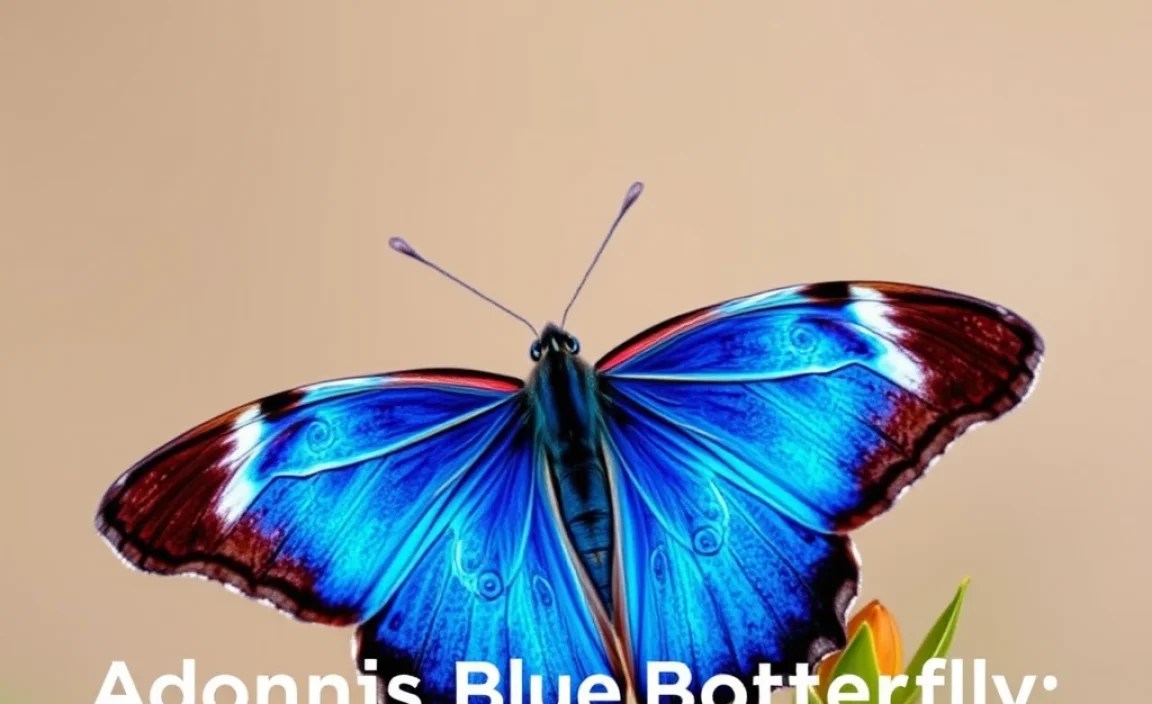
The most striking feature of the Adonis blue is the male’s bright, sky-blue wings. Females are typically brown, but often have a dusting of blue near the base of their wings.
- Males: Brilliant sky-blue wings with a thin black border and white fringe.
- Females: Brown wings, often with a blue dusting near the body, and orange spots along the edge of the hindwings.
- Both: White-spotted underside with a metallic sheen.
Habitat and Distribution
These butterflies thrive in calcareous grasslands, where their primary food source, horseshoe vetch, grows abundantly. They are found across Europe and parts of Asia. According to the UK Butterflies organization, the Adonis Blue thrives on steep, south-facing chalk or limestone grasslands. Warmer temperatures and short turf are essential for the Horseshoe Vetch, which is the sole foodplant of the Adonis Blue larva.
Life Cycle
The Adonis blue butterfly has a fascinating life cycle, undergoing complete metamorphosis.
- Egg: The female lays her eggs on or near horseshoe vetch plants.
- Larva (Caterpillar): The caterpillar emerges and feeds exclusively on horseshoe vetch.
- Pupa (Chrysalis): The caterpillar pupates, forming a chrysalis.
- Adult: The adult butterfly emerges from the chrysalis.
Identifying the Adonis Blue Butterfly: A Step-by-Step Guide
Identifying butterflies can be a rewarding experience. Here’s how to identify the Adonis blue butterfly:
Step 1: Observe the Wing Color
The most obvious characteristic is the wing color. As mentioned earlier, males have bright blue wings, while females are mostly brown.
Step 2: Check for Wing Markings
Examine the wing markings closely. Look for the thin black border on the male’s wings and the orange spots on the female’s hindwings.
Step 3: Note the Size
Adonis blue butterflies are relatively small, with a wingspan of about 3-3.5 cm (1.2-1.4 inches).
Step 4: Examine the Underside
The underside of both males and females is similar, featuring a white-spotted pattern with a metallic sheen. This can be a helpful identifier when the butterfly is resting with its wings closed.
Step 5: Consider the Habitat
If you’re in a calcareous grassland area known to host horseshoe vetch, the chances of seeing an Adonis blue butterfly are higher.
The Adonis Blue and Horseshoe Vetch: A Vital Connection

The Adonis blue butterfly’s survival is closely linked to the presence of horseshoe vetch (Hippocrepis comosa). This plant serves as the sole food source for the caterpillars. Without horseshoe vetch, the Adonis blue cannot complete its life cycle.
Why Horseshoe Vetch is Important
- Food Source: Caterpillars feed exclusively on the leaves of horseshoe vetch.
- Egg-Laying Site: Females lay their eggs on or near these plants.
- Habitat Indicator: The presence of horseshoe vetch indicates suitable habitat for the Adonis blue.
Creating a Horseshoe Vetch-Friendly Habitat
If you want to attract Adonis blue butterflies to your garden or local area, consider planting horseshoe vetch. Here are some tips:
- Choose the Right Location: Horseshoe vetch thrives in sunny, well-drained calcareous soils.
- Planting: Sow seeds in the spring or autumn.
- Maintenance: Keep the area free of competing vegetation and avoid using pesticides.
The Wildlife Trusts is a great resource for finding out what actions you can take locally.
The Symbiotic Relationship with Ants
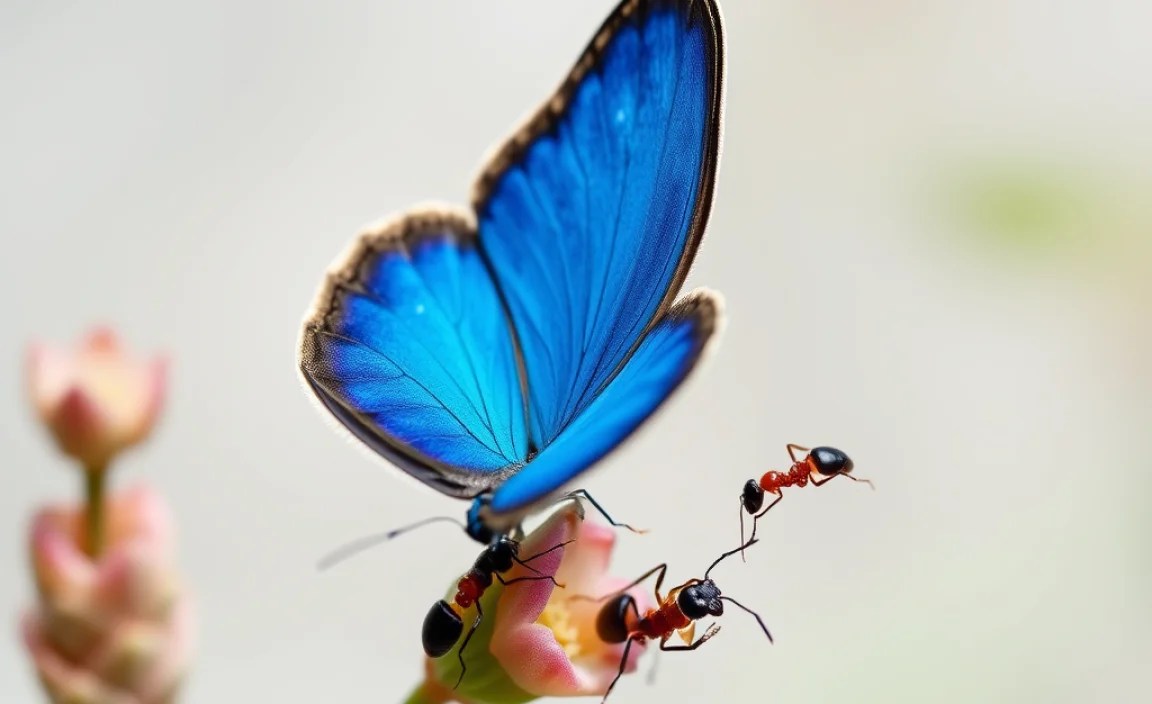
Adonis blue caterpillars have a fascinating relationship with ants. They produce a sugary substance that ants feed on, and in return, the ants protect the caterpillars from predators and parasites. This is an example of mutualism, where both species benefit.
How it Works
- Caterpillar Secretions: The caterpillars have specialized organs that secrete a sweet liquid.
- Ant Protection: Ants are attracted to the sugary substance and will defend the caterpillars from threats.
- Increased Survival: This symbiotic relationship significantly increases the caterpillar’s chances of survival.
Ant Species Involved
Several ant species are known to associate with Adonis blue caterpillars, including:
- Lasius niger (Black garden ant)
- Myrmica species
Conservation Status and Threats
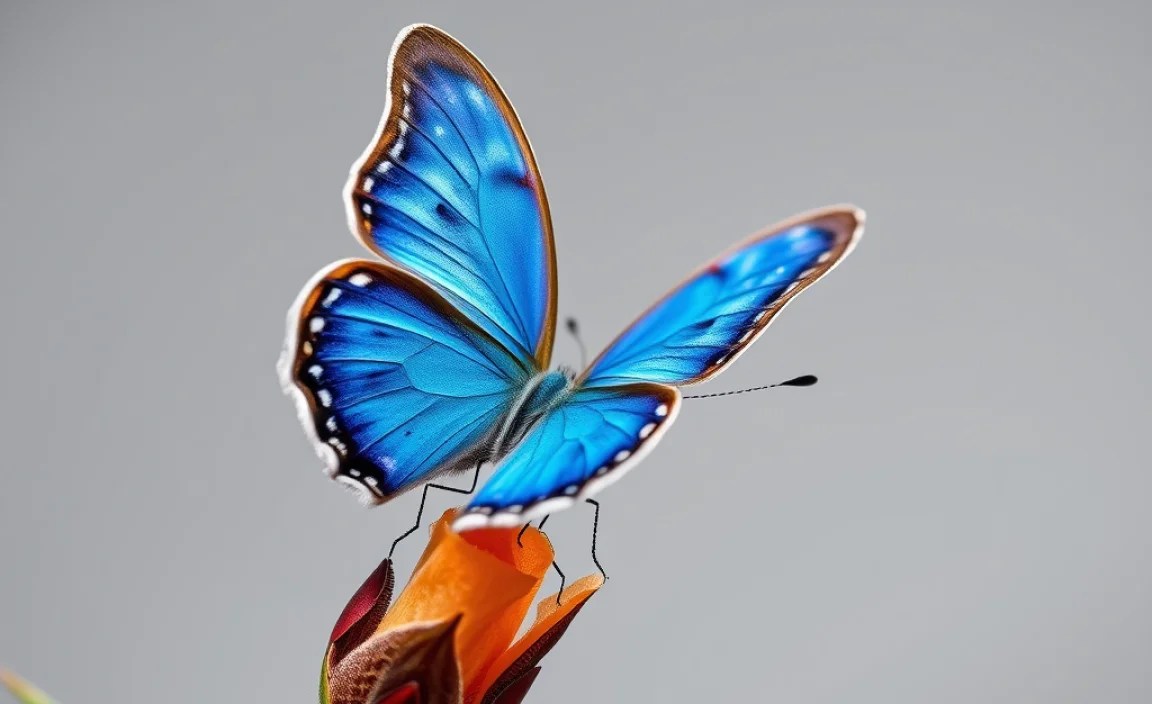
The Adonis blue butterfly faces several threats, including habitat loss, climate change, and agricultural intensification. In some areas, populations have declined significantly.
Habitat Loss
The destruction and fragmentation of calcareous grasslands due to development, agriculture, and changes in land management practices are major threats.
Climate Change
Changes in temperature and rainfall patterns can affect the availability of horseshoe vetch and disrupt the butterfly’s life cycle.
Agricultural Intensification
The use of pesticides and fertilizers can harm butterflies and their food plants. Overgrazing or undergrazing can also degrade grassland habitats.
How to Help the Adonis Blue Butterfly
There are many ways you can help protect the Adonis blue butterfly and its habitat:
Create Butterfly-Friendly Gardens
- Plant Horseshoe Vetch: Provide a food source for the caterpillars.
- Nectar Plants: Plant nectar-rich flowers to feed the adult butterflies.
- Avoid Pesticides: Use organic gardening practices to protect butterflies and other beneficial insects.
Support Conservation Organizations
Donate to or volunteer with organizations that work to protect butterfly habitats, such as Butterfly Conservation or The Wildlife Trusts.
Advocate for Habitat Protection
Support policies and initiatives that protect calcareous grasslands and other important butterfly habitats. The Xerces Society is a great resource for conservation information.
Raise Awareness
Educate others about the importance of butterflies and their habitats. Share your knowledge and passion for these beautiful creatures.
Adonis Blue Butterfly: Fun Facts and Symbolism
Beyond their ecological importance, Adonis blue butterflies also hold cultural and symbolic significance.
Fun Facts
- The Adonis blue butterfly is named after Adonis, a figure in Greek mythology known for his beauty.
- The caterpillars can communicate with ants using vibrations.
- Adult butterflies can be seen flying from May to October, with two generations per year in warmer regions.
Symbolism
Butterflies, in general, are often seen as symbols of transformation, rebirth, and hope. The vibrant blue color of the Adonis blue butterfly can also represent:
- Peace and tranquility
- Inspiration and creativity
- Clarity and focus
Adonis Blue Butterfly: Detailed Table of Information
| Feature | Description |
|---|---|
| Scientific Name | Polyommatus adonis |
| Family | Lycaenidae (Gossamer-winged butterflies) |
| Wingspan | 3-3.5 cm (1.2-1.4 inches) |
| Male Wing Color | Bright sky-blue with a thin black border |
| Female Wing Color | Brown, often with a blue dusting near the body |
| Habitat | Calcareous grasslands |
| Food Plant | Horseshoe vetch (Hippocrepis comosa) |
| Life Cycle | Egg, larva (caterpillar), pupa (chrysalis), adult |
| Flight Period | May to October (two generations in warmer regions) |
| Conservation Status | Vulnerable in some regions due to habitat loss and climate change |
| Symbiotic Relationship | Mutualism with ants (caterpillars provide sugary secretions, ants provide protection) |
Comparing Adonis Blue to Similar Butterflies
It can be tricky telling similar blue butterflies apart. Here’s a table to help you distinguish the Adonis Blue from similar species:
| Butterfly | Male Wing Color | Female Wing Color | Key Features | Habitat |
|---|---|---|---|---|
| Adonis Blue (Polyommatus adonis) | Bright sky-blue | Brown with blue dusting | Thin black border on male wings, orange spots on female hindwings | Calcareous grasslands with horseshoe vetch |
| Common Blue (Polyommatus icarus) | Variable blue, often duller than Adonis Blue | Brown with variable blue dusting and orange spots | More extensive black border on male wings, bolder orange spots on female hindwings | Various grasslands and meadows |
| Chalkhill Blue (Lysandra coridon) | Pale, powdery blue | Brown | White fringe on wings is checkered with black, found on chalk downland | Chalk grasslands |
| Small Blue (Cupido minimus) | Dusky blue | Dusky brown | Smallest blue butterfly, lacks orange spots | Chalk and limestone grasslands with Kidney Vetch |
Frequently Asked Questions
What does the Adonis blue butterfly eat?
The caterpillars of the Adonis blue butterfly feed exclusively on horseshoe vetch (Hippocrepis comosa). Adult butterflies feed on nectar from various flowers.
Where can I find Adonis blue butterflies?
Adonis blue butterflies are typically found in calcareous grasslands across Europe and parts of Asia. Look for areas with abundant horseshoe vetch.
Are Adonis blue butterflies endangered?
While not globally endangered, Adonis blue butterfly populations have declined in some regions due to habitat loss and climate change. They are considered vulnerable in certain areas.
How can I attract Adonis blue butterflies to my garden?
Plant horseshoe vetch to provide a food source for the caterpillars and nectar-rich flowers for the adult butterflies. Avoid using pesticides and create a butterfly-friendly habitat.
What is the lifespan of an Adonis blue butterfly?
The lifespan of an adult Adonis blue butterfly is relatively short, typically lasting only a few weeks.
What is the significance of the blue color in Adonis blue butterflies?
The blue color in male Adonis blue butterflies is due to the structure of their wing scales, which reflect blue light. This vibrant color is thought to play a role in mate attraction.
Do Adonis blue caterpillars really have a relationship with ants?
Yes! Adonis blue caterpillars have a symbiotic relationship with ants. The caterpillars secrete a sugary substance that the ants feed on, and in return, the ants protect the caterpillars from predators and parasites.
Conclusion
The Adonis blue butterfly is a true gem of the natural world. Its stunning blue color, fascinating life cycle, and unique relationship with horseshoe vetch and ants make it a captivating subject of study and admiration. By understanding the threats these butterflies face and taking steps to protect their habitats, we can ensure that future generations will have the opportunity to witness the beauty of the Adonis blue fluttering across our grasslands. Let’s all do our part to support butterfly conservation and create a world where these delicate creatures can thrive. Go out and explore your local meadows – you might just spot one of these beauties!


