
Butterfly Larvae Species: The Ultimate ID Guide

Butterfly larvae, commonly known as caterpillars, come in a dazzling variety of species, each with unique appearances, behaviors, and host plant preferences. Identifying different types involves observing their colors, patterns, spines, and the plants they feed on. Knowing the species helps gardeners and nature lovers understand their local ecosystem and support butterfly populations.
Have you ever been amazed by the colorful caterpillars munching on leaves in your garden? Or maybe you’ve wondered what kind of butterfly those fuzzy, spiky larvae will turn into? Identifying butterfly larvae species can seem tricky, but it’s a rewarding skill for any nature enthusiast. With a few simple observations, you can unlock the secrets of these fascinating creatures and better understand the butterfly life cycle. Let’s explore how to identify different types of butterfly larvae and appreciate the incredible diversity around us. We’ll cover everything from recognizing common species to understanding their unique characteristics. Get ready to become a caterpillar expert!
What Are Butterfly Larvae?
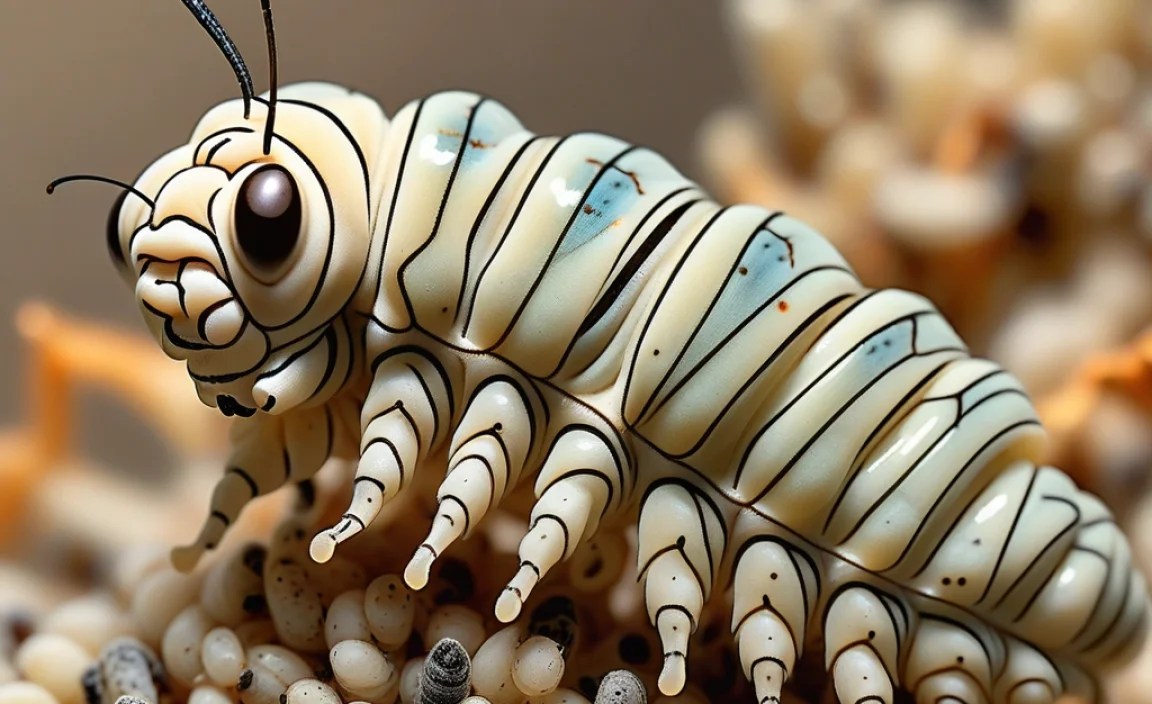
Butterfly larvae, or caterpillars, are the second stage in a butterfly’s life cycle. Emerging from tiny eggs, these larvae are eating machines, growing rapidly as they prepare for their transformation into beautiful butterflies. Each species has unique characteristics that help it survive and thrive.
The Role of Larvae in the Butterfly Life Cycle
Caterpillars have one main job: to eat and grow. They consume vast amounts of plant matter, storing energy for the pupa stage. During this phase, they undergo metamorphosis inside a chrysalis, eventually emerging as adult butterflies. Without healthy larvae, we wouldn’t have the butterflies we love.
Basic Anatomy of a Caterpillar
Understanding a caterpillar’s anatomy can help with identification. Key features include:
- Head: Contains the mouthparts and simple eyes called ocelli.
- Thorax: The section behind the head, with three pairs of true legs.
- Abdomen: The long, segmented body with prolegs (false legs) that help with movement and gripping.
- Spiracles: Small openings along the sides of the body for breathing.
Identifying Butterfly Larvae: A Step-by-Step Guide

Identifying butterfly larvae involves careful observation and a bit of detective work. Here’s how to get started.
Step 1: Observe the Caterpillar’s Appearance
Start by noting the caterpillar’s general appearance. Consider these factors:
- Color: What colors are present? Are there any patterns or stripes?
- Size: How long is the caterpillar? Note the approximate length.
- Shape: Is the body smooth, bumpy, or spiky?
- Markings: Look for spots, stripes, or other distinctive markings.
Step 2: Identify the Host Plant
Caterpillars are often very specific about what they eat. Identifying the host plant can significantly narrow down the possibilities. For example, Monarch caterpillars exclusively feed on milkweed.
- Check the Plant: Look closely at the plant the caterpillar is feeding on.
- Cross-Reference: Use field guides or online resources to match the caterpillar with its preferred host plant.
Step 3: Look for Unique Features
Many caterpillars have unique features that set them apart. Pay attention to:
- Spines or Hairs: Are there spines, bristles, or hairs on the body? Are they arranged in a specific pattern?
- Prolegs: How many prolegs are present? Are they the same color as the body?
- Horns or Tails: Some caterpillars have horn-like projections on their head or tail.
Step 4: Consult Field Guides and Online Resources
Field guides and online resources are invaluable tools for identifying butterfly larvae. Some popular options include:
- Peterson Field Guides: A classic resource for identifying insects and plants.
- Butterflies and Moths of North America (BAMONA): An excellent online database with photos and information.
- Local Extension Offices: Your local agricultural extension office may have resources specific to your region.
Step 5: Compare with Known Species
Once you’ve gathered information about the caterpillar’s appearance, host plant, and unique features, compare it with known species in your area. Look for similar characteristics and note any differences.
Common Butterfly Larvae Species and Their Identification
Let’s take a closer look at some common butterfly larvae species and how to identify them.
Monarch Butterfly (Danaus plexippus)
Monarch caterpillars are among the most recognizable. They are essential for the continuation of this iconic species, which is known for its incredible migration.
- Appearance: Striped with black, white, and yellow bands.
- Host Plant: Milkweed (Asclepias species).
- Unique Features: Black filaments at both ends of the body.
Swallowtail Butterfly (Papilio species)
Swallowtail caterpillars are diverse, with many different species and color variations.
- Appearance: Often green or brown, with patterns that mimic bird droppings when young. Later stages may have bright colors and false eyespots.
- Host Plants: Varies by species, but often includes citrus, dill, parsley, and fennel.
- Unique Features: Some species have osmeteria, a forked, orange-colored scent gland that can be extended from the head when threatened.
Painted Lady Butterfly (Vanessa cardui)
Painted Lady caterpillars are common and widespread, feeding on a variety of host plants.
- Appearance: Dark-colored with spiny hairs and light-colored stripes.
- Host Plants: Thistle, mallow, and various legumes.
- Unique Features: Spines and hairs give them a bristly appearance.
Black Swallowtail Butterfly (Papilio polyxenes)
Black Swallowtail caterpillars are frequently found in gardens, feeding on herbs like parsley and dill.
- Appearance: Young caterpillars resemble bird droppings. Older caterpillars are green with black bands and yellow spots.
- Host Plants: Parsley, dill, fennel, and carrot.
- Unique Features: Orange osmeterium that emits a strong scent when disturbed.
Cabbage White Butterfly (Pieris rapae)
Cabbage White caterpillars are a common garden pest, known for their appetite for cruciferous vegetables.
- Appearance: Green with a faint yellow stripe down the back.
- Host Plants: Cabbage, broccoli, kale, and other cruciferous plants.
- Unique Features: Blend in well with their host plants, making them difficult to spot.
Creating a Butterfly-Friendly Habitat

Attracting and supporting butterfly larvae involves creating a habitat that meets their needs.
Planting Host Plants
The most important step is to plant host plants that caterpillars can feed on. Choose plants that are native to your area for the best results. Here’s a table highlighting host plants for various butterfly larvae:
| Butterfly Species | Host Plant |
|---|---|
| Monarch | Milkweed |
| Black Swallowtail | Parsley, Dill, Fennel |
| Painted Lady | Thistle, Mallow |
| Cabbage White | Cabbage, Broccoli |
| Spicebush Swallowtail | Spicebush, Sassafras |
Avoiding Pesticides
Pesticides can be harmful to butterfly larvae, even those labeled as “organic.” Avoid using pesticides in your garden, or choose alternatives that are less harmful to beneficial insects. According to the Xerces Society, even organic pesticides can negatively impact butterfly populations.
Providing Shelter
Caterpillars need shelter from predators and harsh weather. Plant shrubs and trees to provide cover, and leave leaf litter in your garden to create overwintering habitat.
Providing Water Sources
While caterpillars get most of their moisture from the plants they eat, providing a shallow dish of water with pebbles can be helpful, especially during dry periods.
Photographing Butterfly Larvae
Photographing butterfly larvae can be a fun and rewarding way to document their life cycle. Here are some tips for capturing great photos.
Equipment Needed
- Camera: A DSLR or mirrorless camera with a macro lens is ideal, but a smartphone camera can also work well.
- Lighting: Natural light is best, but avoid direct sunlight, which can create harsh shadows.
- Tripod: A tripod can help stabilize your camera and prevent blurry images.
Tips for Taking Great Photos
- Get Close: Use a macro lens or zoom in to capture the details of the caterpillar’s body.
- Focus Carefully: Make sure your subject is in sharp focus.
- Use a Background: Choose a background that complements the caterpillar’s colors and doesn’t distract from the subject.
- Capture Behavior: Try to capture the caterpillar feeding, moving, or interacting with its environment.
Conservation Efforts for Butterfly Larvae
Many butterfly species are in decline due to habitat loss, pesticide use, and climate change. Supporting butterfly larvae is crucial for conserving these beautiful creatures.
Supporting Local Habitats
Support local conservation organizations and participate in habitat restoration projects. Planting native host plants and nectar sources can make a big difference in your community.
Reducing Pesticide Use
Reduce or eliminate pesticide use in your garden and encourage others to do the same. Choose organic gardening methods and support farmers who use sustainable practices.
Educating Others
Share your knowledge and passion for butterflies with others. Educate your friends, family, and community about the importance of butterfly conservation and how they can help. Consider volunteering at local nature centers or schools to share your enthusiasm.
The Cultural Significance of Butterfly Larvae
While adult butterflies often symbolize transformation and beauty, their larval stage also holds cultural significance in some societies.
Symbolism in Different Cultures
In some cultures, caterpillars are seen as symbols of potential and growth. They represent the idea that even the smallest and seemingly insignificant creatures can transform into something beautiful and extraordinary. This reflects the universal theme of metamorphosis and the promise of new beginnings.
Artistic and Literary Representations
Caterpillars have appeared in various forms of art and literature, often representing the early stages of a journey or the hidden potential within. Their transformation into butterflies is a powerful metaphor for personal growth and change.
Resources for Further Learning
To deepen your understanding of butterfly larvae, here are some additional resources:
- Books: “Caterpillars of Eastern North America” by David L. Wagner, “National Audubon Society Field Guide to Butterflies”
- Websites: Butterflies and Moths of North America (BAMONA), The Xerces Society
- Organizations: North American Butterfly Association (NABA), Local nature centers and botanical gardens
FAQ About Butterfly Larvae
Here are some frequently asked questions about butterfly larvae.
What do butterfly larvae eat?
Butterfly larvae primarily eat the leaves of specific host plants. Each species has its preferred host plant, which provides the necessary nutrients for growth and development.
How long do butterfly larvae stay in the larval stage?
The duration of the larval stage varies depending on the species and environmental conditions, but it typically lasts from a few weeks to a couple of months.
Are butterfly larvae harmful to plants?
While butterfly larvae do eat plant leaves, they rarely cause significant damage to healthy plants. In most cases, the benefits of supporting butterfly populations outweigh any minor damage.
How can I protect butterfly larvae in my garden?
To protect butterfly larvae, avoid using pesticides, plant host plants, and provide shelter. Monitor your plants regularly for caterpillars and remove any pests by hand.
What is the difference between a caterpillar and a worm?
Caterpillars are the larvae of butterflies and moths, while worms are a different type of invertebrate. Caterpillars have true legs and prolegs, while worms lack these features.
Do all caterpillars turn into butterflies?
No, some caterpillars turn into moths. The larvae of butterflies and moths are both called caterpillars, but they belong to different insect groups.
Why are butterfly populations declining?
Butterfly populations are declining due to habitat loss, pesticide use, climate change, and other environmental factors. Supporting butterfly larvae and their habitats is crucial for conserving these important pollinators. The U.S. Fish and Wildlife Service provides resources on endangered butterfly species and conservation efforts.
Conclusion
Identifying butterfly larvae is a fascinating and rewarding endeavor that connects us more deeply with the natural world. By observing their unique appearances, identifying their host plants, and understanding their life cycle, we can appreciate the incredible diversity of these creatures and support their conservation. So, next time you spot a caterpillar in your garden, take a closer look and see if you can identify its species. You might just discover a new favorite butterfly!


