Identifying Butterfly Subfamily Nymphalidae: Easy Guide

Have you ever seen a butterfly with bright colors? Did it flit and flutter around flowers? It might have belonged to a big family. This family is called Nymphalidae. Identifying butterfly subfamily Nymphalidae can be fun. These butterflies are all around us. Let’s learn how to spot them!
Butterflies are amazing insects. They start as caterpillars. Then they change into beautiful winged creatures. Spotting different butterfly families is cool. It helps us understand nature better. So, let’s explore the Nymphalidae family. We can learn what makes them special.
There are so many types of butterflies. Some are big. Some are small. Some are very colorful. Some are plain. Identifying butterfly subfamily Nymphalidae will help you know them. You will learn what makes them unique. Get ready to become a butterfly expert!
Key Takeaways
- Identifying butterfly subfamily Nymphalidae involves checking their reduced front legs.
- Many Nymphalidae butterflies have bright colors and patterns on their wings.
- This large butterfly family includes admirals, emperors, fritillaries, and painted ladies.
- Nymphalidae caterpillars often have spines or hairs for protection.
- You can find Nymphalidae butterflies all over the world in different habitats.
What Are the Key Traits for Identifying Nymphalidae?

Identifying butterfly subfamily Nymphalidae involves looking at some special features. One key trait is their front legs. These butterflies have smaller front legs. They often hold them close to their body. This makes it look like they only have four legs. Most other butterflies use all six legs for walking. Nymphalidae butterflies use their front legs for tasting and feeling. These legs have special sensors. These sensors help them find the best flowers. They can also find the tastiest leaves for their caterpillars. So, check the legs first when you see a butterfly.
- Check for reduced front legs.
- Look at the wing patterns.
- Observe their flight style.
- Note the size of the butterfly.
- Examine the antennae shape.
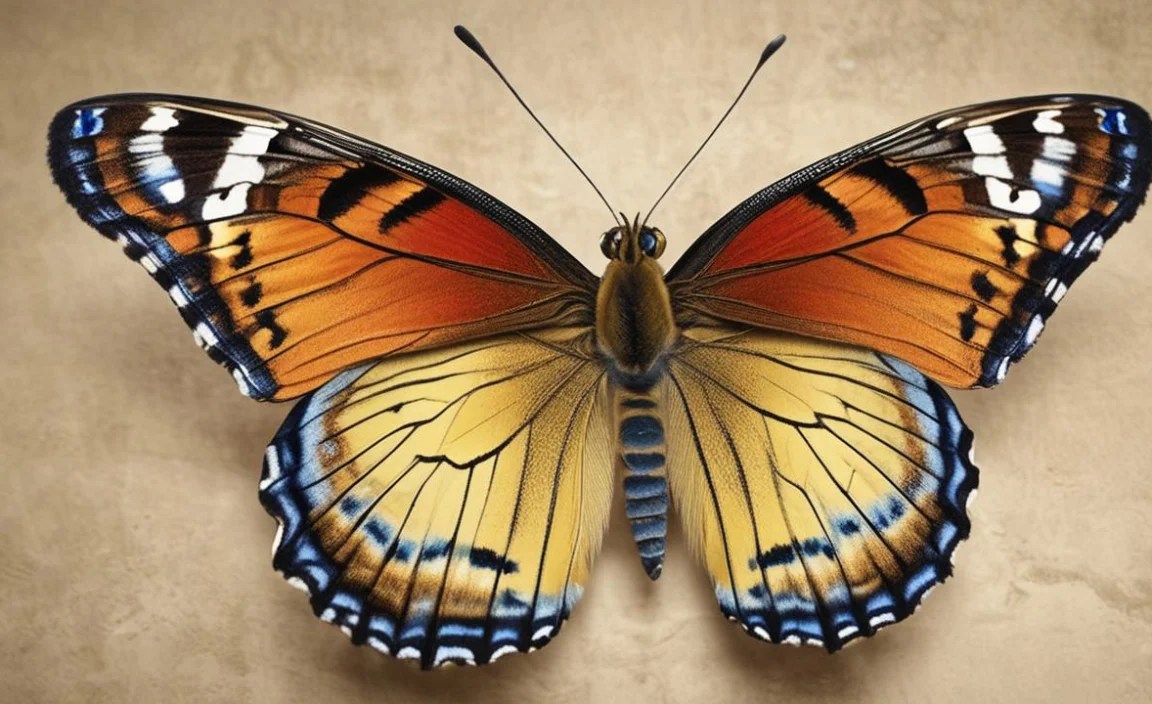
Besides the legs, look at their wings. Many Nymphalidae butterflies have bright colors. They may have patterns like spots or stripes. These colors help them hide or scare away predators. Some Nymphalidae butterflies have eye spots on their wings. These spots look like eyes. They can startle birds and other animals. This gives the butterfly a chance to escape. Also, notice how they fly. Nymphalidae butterflies often have a strong, fluttering flight. This helps them move quickly between flowers. So, remember to look at their legs, wings, and flight style. These clues will help you identify them.
How Do Their Legs Help Them?
Have you ever wondered how butterflies taste? They do not use their mouths like we do. Instead, they use their feet! Nymphalidae butterflies have special sensors on their front legs. These sensors can detect different chemicals. This helps them find nectar-rich flowers. When a butterfly lands on a flower, it can taste it right away. If the flower has good nectar, the butterfly will start to feed. The sensors also help caterpillars. They can find the best leaves to eat. These special legs are very important for their survival. It is like having a super-tasting power in their feet.
Why Are Their Wings So Colorful?
Imagine painting a picture with lots of bright colors. That is kind of what nature did with Nymphalidae wings! Many of these butterflies have vivid patterns. These patterns are not just for show. They help the butterflies in different ways. Some patterns help them blend in with their surroundings. This is called camouflage. Other patterns are bright and bold. These warn predators that the butterfly might be poisonous. The colors can also help butterflies find each other. Male and female butterflies can recognize each other by their wing patterns. So, the colorful wings are very important for their lives.
Can You Tell Their Age by Their Wings?
Think about how a book can get worn out over time. Butterfly wings are kind of like that too. As butterflies get older, their wings can get damaged. They might get torn or faded. Scientists can sometimes tell how old a butterfly is by looking at its wings. A butterfly with perfect wings is probably young. A butterfly with worn-out wings is probably older. However, this is not always accurate. Some butterflies naturally have delicate wings. Others are very tough. So, it is just one clue to consider. Next time you see a butterfly, take a close look at its wings!
Fun Fact or Stat: The Nymphalidae family contains over 6,000 different species of butterflies!
Wing Patterns in Identifying Nymphalidae
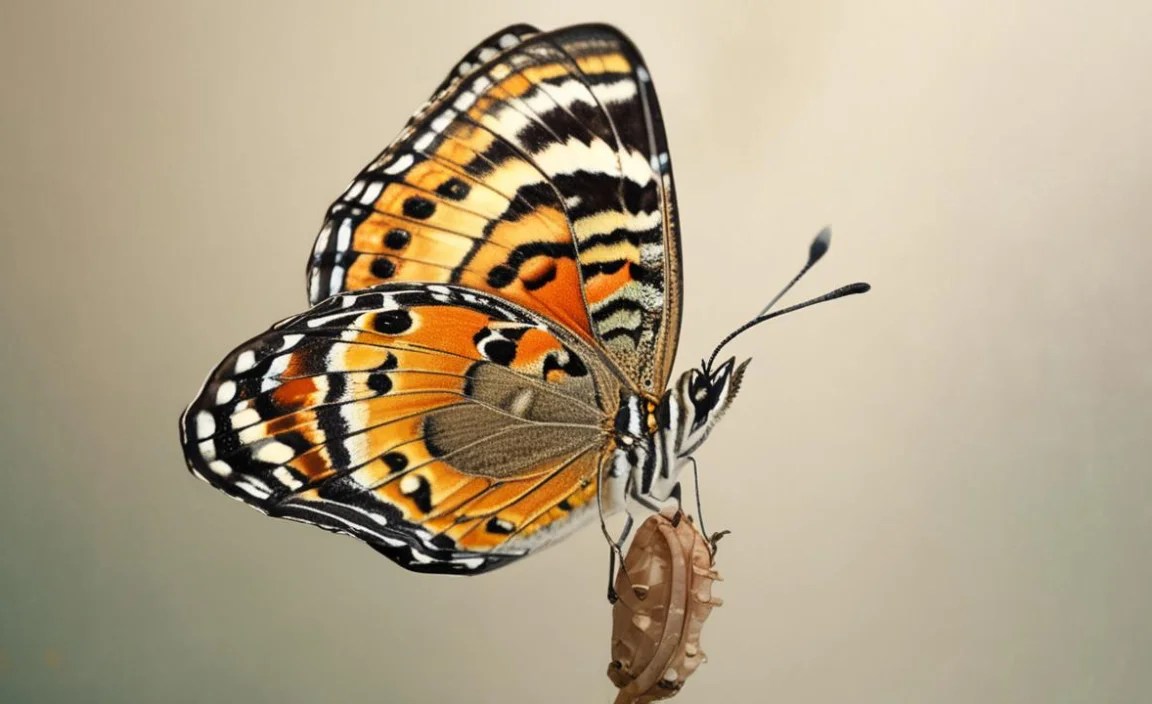
Wing patterns are very important when identifying butterfly subfamily Nymphalidae. These butterflies have a huge range of patterns. Some have spots, some have stripes, and some have intricate designs. The patterns can help them hide from predators. They can also help them attract mates. Some Nymphalidae butterflies have eye spots on their wings. These look like the eyes of a larger animal. When a bird sees these spots, it might get scared. This gives the butterfly a chance to fly away. Other Nymphalidae butterflies have bright, bold colors. These colors warn predators that they are poisonous. These butterflies get the poison from the plants they eat as caterpillars. So, pay close attention to the wing patterns. They can tell you a lot about the butterfly.
- Note the presence of eye spots.
- Observe the color patterns on wings.
- Look for stripes or bands.
- Check for iridescent scales.
- Identify any unique markings.
- Consider the overall wing shape.
The colors and patterns on butterfly wings come from tiny scales. These scales are like tiny shingles on a roof. They overlap each other. Each scale has a specific color. The arrangement of these scales creates the patterns we see. Some scales have special structures. These structures reflect light in different ways. This can create iridescent colors. Iridescent colors change depending on the angle you look at them. This is why some butterfly wings seem to shimmer. So, the next time you see a butterfly, remember the tiny scales. They are responsible for the beautiful patterns.
Do All Nymphalidae Have the Same Patterns?
Imagine if everyone in your class wore the same clothes. It would be hard to tell them apart! The same is true for butterflies. Nymphalidae butterflies have many different patterns. Some look very similar. Others look completely different. This is because they live in different habitats. They also have different ways of protecting themselves. For example, a butterfly that lives in a forest might have brown and green patterns. This helps it blend in with the trees. A butterfly that lives in a meadow might have bright colors. This helps it attract mates. So, the patterns depend on where they live and what they need to survive.
Why Do Some Wings Look Like Leaves?
Have you ever played hide-and-seek in the woods? It is easier to hide if you blend in with the trees. Some Nymphalidae butterflies are masters of camouflage. Their wings look just like leaves. They are brown and green. They even have patterns that look like veins. When these butterflies land on a tree, they disappear. Predators cannot see them. This is a great way to stay safe. These butterflies are called leaf butterflies. They are amazing examples of how nature helps animals survive.
Can Wing Patterns Change Over Time?
Think about how your clothes might fade in the sun. Butterfly wings can also change over time. The colors might fade. The patterns might become less clear. This can happen because of the sun. It can also happen because of damage. But, the basic pattern stays the same. A butterfly that has spots will always have spots. The spots might just be a little lighter. Scientists can study these changes. They can learn about how butterflies are affected by their environment. So, even faded wings can tell us a story.
Fun Fact or Stat: Some Nymphalidae butterflies migrate thousands of miles each year, like the Monarch!
Caterpillar Features and Identifying Nymphalidae
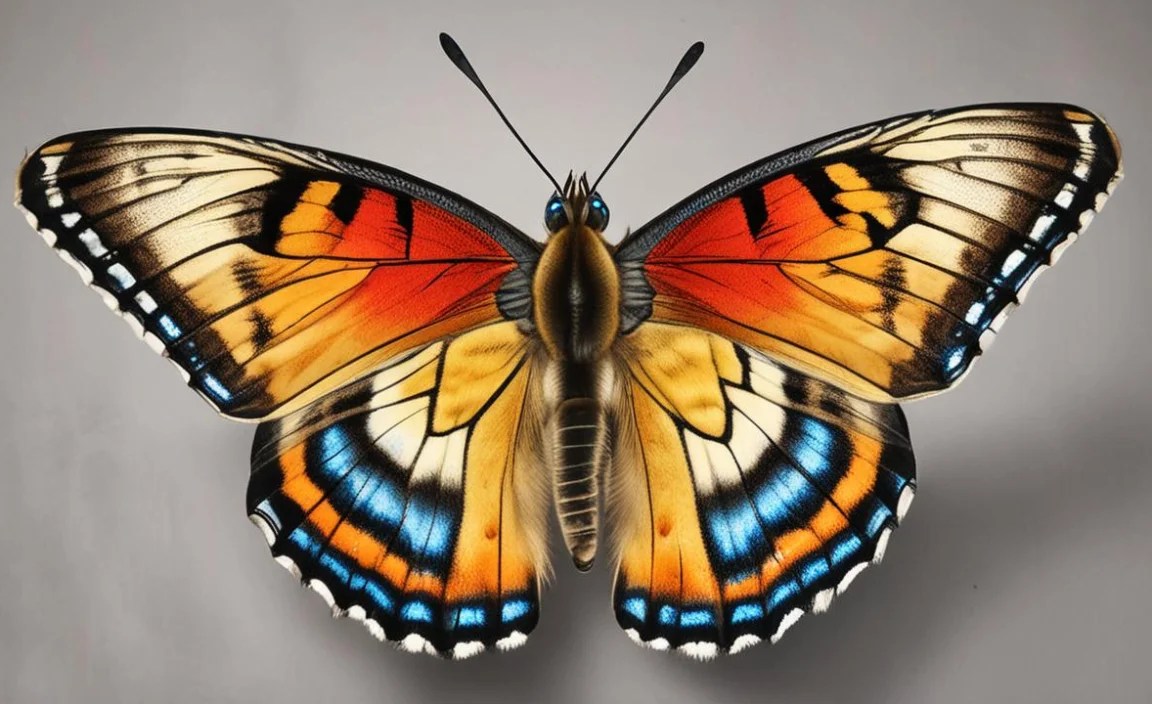
Identifying butterfly subfamily Nymphalidae starts with the caterpillar. These caterpillars have special features. These features help them survive. Many Nymphalidae caterpillars have spines or hairs. These spines and hairs protect them from predators. Birds and other animals do not want to eat spiky or hairy caterpillars. Some Nymphalidae caterpillars have bright colors. These colors warn predators that they are poisonous. The caterpillars get the poison from the plants they eat. Other Nymphalidae caterpillars have camouflage. They blend in with the leaves and stems of plants. This makes it hard for predators to find them. So, look closely at the caterpillar. Its features can tell you if it will become a Nymphalidae butterfly.
- Check for spines or hairs on the body.
- Observe the caterpillar’s color.
- Note any patterns or markings.
- Look at the shape of the head.
- Examine the type of plant it eats.
- Consider the caterpillar’s size.
Caterpillars eat a lot. They need to grow big and strong. Nymphalidae caterpillars eat different kinds of plants. Some eat only one type of plant. Others eat many different plants. The type of plant they eat can affect their color and pattern. For example, a caterpillar that eats green leaves will probably be green. This helps it blend in with the leaves. A caterpillar that eats poisonous plants will probably be brightly colored. This warns predators that it is dangerous. So, pay attention to what the caterpillar is eating. This can give you a clue about what kind of butterfly it will become.
Do All Hairy Caterpillars Become Nymphalidae?
Imagine touching a soft, fuzzy toy. Some caterpillars feel like that! Many Nymphalidae caterpillars have hairs. These hairs can be long or short. They can be soft or prickly. But, not all hairy caterpillars become Nymphalidae butterflies. Many other kinds of caterpillars also have hairs. The hairs help protect them from predators. They can also help them stay warm. So, you cannot tell if a caterpillar is a Nymphalidae just by its hairs. You need to look at other features too. Check the color, the shape, and what it is eating.
Are Spines on Caterpillars Poisonous?
Think about touching a cactus. It has sharp spines that can hurt you! Some Nymphalidae caterpillars have spines too. These spines can be sharp or blunt. They can be colorful or plain. But, not all spines are poisonous. Some spines just protect the caterpillar from being eaten. Other spines are poisonous. They contain chemicals that can irritate the skin. If you touch one of these caterpillars, your skin might get itchy or red. So, it is best not to touch any caterpillar with spines. Just look at it from a distance.
How Do Caterpillars Change into Butterflies?
Imagine building a fort out of blankets. The caterpillar does something similar. It makes a chrysalis. This is a hard shell that protects it. Inside the chrysalis, something amazing happens. The caterpillar changes into a butterfly. This is called metamorphosis. The caterpillar’s body breaks down. Then, it rebuilds itself into a butterfly. This process takes several weeks. When the butterfly is ready, it breaks out of the chrysalis. Its wings are wet and crumpled. It takes a few hours for the wings to dry and expand. Then, the butterfly can fly away.
Fun Fact or Stat: Some Nymphalidae caterpillars can change color to match their surroundings!
Habitat and Distribution of Nymphalidae Butterflies

Identifying butterfly subfamily Nymphalidae also means knowing where they live. These butterflies live all over the world. You can find them in forests, meadows, and gardens. They live in hot places and cold places. Some Nymphalidae butterflies live in the mountains. Others live near the ocean. They need plants to eat and places to lay their eggs. Some Nymphalidae butterflies migrate. This means they travel long distances to find food or better weather. The Monarch butterfly is a famous example. It travels thousands of miles each year. So, keep an eye out for Nymphalidae butterflies wherever you go.
| Habitat | Example Butterfly | Location |
|---|---|---|
| Forests | White Admiral | North America, Europe |
| Meadows | Meadow Fritillary | North America |
| Gardens | Painted Lady | Worldwide |
| Mountains | Apollo Butterfly | Europe, Asia |
| Tropical Rainforests | Morpho Butterfly | South America |
- They live in various habitats.
- They are found worldwide.
- Some species migrate long distances.
- They need specific host plants.
- They adapt to different climates.
The habitat of a butterfly is very important. It needs to have the right plants for the caterpillar to eat. It also needs to have nectar sources for the adult butterfly. Some Nymphalidae butterflies are very picky. They only live in places with one specific plant. Others are more flexible. They can live in many different places. Climate change is affecting butterfly habitats. As the weather changes, some habitats are becoming unsuitable. This can cause butterfly populations to decline. So, it is important to protect butterfly habitats. This will help these beautiful creatures survive.
Do All Nymphalidae Live in Warm Places?
Imagine wearing a thick coat in the summer. You would be too hot! Some butterflies do not like warm weather either. While many Nymphalidae butterflies live in warm places, some live in cold places. They have adapted to survive in these harsh environments. They might have darker colors to absorb more heat. They might also have thicker scales on their wings. These adaptations help them stay warm in cold climates. So, you can find Nymphalidae butterflies even in chilly areas.
Why Do Butterflies Migrate?
Think about birds flying south for the winter. Butterflies do something similar. They migrate to find better conditions. They might migrate to find food. They might migrate to find a place to lay their eggs. The Monarch butterfly is a famous example. It migrates thousands of miles each year. It flies from Canada and the United States to Mexico. There, it spends the winter in warm forests. In the spring, it flies back north. This is an amazing journey.
How Can We Help Protect Butterfly Habitats?
Imagine if someone destroyed your home. You would have nowhere to live! Butterflies need our help to protect their habitats. We can plant native plants in our gardens. These plants provide food for caterpillars and nectar for butterflies. We can also avoid using pesticides. Pesticides can harm butterflies and other insects. We can support organizations that protect butterfly habitats. By working together, we can help these beautiful creatures thrive. Every small action can make a difference.
Fun Fact or Stat: Some Nymphalidae butterflies can be found at altitudes of over 13,000 feet in the Himalayas!
Behavioral Traits for Identifying Nymphalidae
Identifying butterfly subfamily Nymphalidae involves watching how they act. These butterflies have unique behaviors. Some like to bask in the sun. They spread their wings to warm up. Others prefer to stay in the shade. They are more active in the cool of the morning or evening. Many Nymphalidae butterflies are territorial. They will defend their area from other butterflies. They might chase away intruders. Some Nymphalidae butterflies are attracted to rotting fruit. They feed on the sugary juice. Others prefer flowers. They drink nectar from the blossoms. So, observe their behavior. It can help you identify them.
- Observe their basking behavior.
- Note their territorial displays.
- Look at their feeding habits.
- Watch their flight patterns.
- Consider their response to predators.
Butterflies use different strategies to avoid predators. Some rely on camouflage. They blend in with their surroundings. Others use bright colors to warn predators. Some butterflies mimic other species. They look like a butterfly that is poisonous. This fools predators into leaving them alone. Nymphalidae butterflies also have a strong flight. They can fly quickly and erratically. This makes it hard for predators to catch them. So, watch how they behave when they are threatened. It can tell you a lot about their survival strategies.
Why Do Butterflies Bask in the Sun?
Think about how you feel on a cold day. You want to warm up! Butterflies are the same way. They are cold-blooded. This means their body temperature depends on the environment. When they are cold, they cannot fly very well. So, they bask in the sun to warm up. They spread their wings wide. This allows them to absorb more sunlight. Once they are warm enough, they can fly and find food.
How Do Butterflies Defend Their Territory?
Imagine someone taking your favorite toy. You would want to get it back! Butterflies feel the same way about their territory. They might defend their area from other butterflies. They might chase away intruders. They might even fight with other butterflies. They do this to protect their food source. They want to make sure they have enough nectar to eat. They also want to protect their mates. So, they are willing to fight for their territory.
Why Are Some Butterflies Attracted to Rotting Fruit?
Think about eating a sweet treat. It gives you energy! Butterflies need energy too. They get it from nectar and other sugary substances. Some butterflies are attracted to rotting fruit because it contains sugar. The fruit ferments and produces alcohol. This attracts the butterflies. They drink the juice and get a boost of energy. This is especially important for butterflies that are migrating. They need all the energy they can get.
Fun Fact or Stat: Some Nymphalidae butterflies can taste with their feet, helping them find the best food sources!
Conservation Status and Threats to Nymphalidae
Identifying butterfly subfamily Nymphalidae helps us protect them. Many Nymphalidae butterflies are in trouble. Their populations are declining. This is because of habitat loss. People are cutting down forests and building houses. This destroys the butterflies’ homes. Climate change is also a threat. As the weather changes, some butterflies cannot survive. Pollution is another problem. Pesticides and other chemicals can harm butterflies. So, it is important to protect these beautiful creatures. We can plant native plants. We can avoid using pesticides. We can support conservation organizations. Together, we can make a difference.
- Habitat loss is a major threat.
- Climate change impacts their survival.
- Pollution harms butterfly populations.
- Conservation efforts are crucial.
- Citizen science helps track numbers.
Scientists are studying Nymphalidae butterflies. They want to understand why their populations are declining. They are tracking butterfly numbers. They are studying their habitats. They are also looking at the effects of climate change. This research is important for conservation. It helps us understand what we need to do to protect these butterflies. You can help too. You can participate in citizen science projects. You can report butterfly sightings. You can educate others about the importance of conservation.
What Is Habitat Loss?
Imagine if your school was torn down. You would have nowhere to learn! Habitat loss is like that for butterflies. It means that their homes are being destroyed. This can happen when forests are cut down. It can also happen when wetlands are drained. When butterflies lose their habitat, they cannot survive. They need a place to live, food to eat, and a place to lay their eggs. Without these things, they will die.
How Does Climate Change Affect Butterflies?
Think about how you feel on a very hot day. You might feel tired and uncomfortable. Butterflies are the same way. They are sensitive to changes in temperature. Climate change is causing temperatures to rise. This can make it hard for butterflies to survive. They might not be able to find food. They might not be able to reproduce. Climate change is also causing more extreme weather events. These events can destroy butterfly habitats.
What Can We Do to Help Butterflies?
Imagine if everyone in your class did one small thing to help the environment. It would make a big difference! We can all do things to help butterflies. We can plant native plants in our gardens. These plants provide food for caterpillars and nectar for butterflies. We can avoid using pesticides. Pesticides can harm butterflies and other insects. We can support organizations that protect butterfly habitats. By working together, we can help these beautiful creatures thrive.
Fun Fact or Stat: Some Nymphalidae species are listed as endangered due to habitat destruction and climate change!
Examples of Popular Nymphalidae Butterflies
Identifying butterfly subfamily Nymphalidae is easier when you know some examples. The Monarch butterfly is a famous example. It is known for its long migration. The Painted Lady is another common butterfly. It can be found all over the world. The Red Admiral is a beautiful butterfly with red stripes. The Viceroy butterfly looks like the Monarch. This helps it avoid predators. The Question Mark butterfly has a silver mark on its wing. So, learn about these butterflies. It will help you identify others in the Nymphalidae family.
- Monarch butterfly is famous.
- Painted Lady is widespread.
- Red Admiral has red stripes.
- Viceroy mimics the Monarch.
- Question Mark has a silver mark.
Each of these butterflies has its own unique story. The Monarch migrates thousands of miles. The Painted Lady travels all over the world. The Red Admiral is a common visitor to gardens. The Viceroy protects itself by looking like the Monarch. The Question Mark gets its name from the shape of its wing marking. Learning about these butterflies can inspire you. It can also help you appreciate the diversity of nature. So, keep exploring and discovering new butterflies.
What Makes the Monarch Butterfly Special?
Think about taking a long trip. The Monarch butterfly takes a very long trip every year. It migrates from Canada and the United States to Mexico. This is a journey of thousands of miles. The Monarch is the only butterfly that migrates such a long distance. It is an amazing feat of nature. Scientists are still studying how the Monarch finds its way. They believe it uses the sun and the Earth’s magnetic field.
Why Does the Viceroy Look Like the Monarch?
Imagine wearing a costume to a party. The Viceroy butterfly wears a costume too! It looks like the Monarch butterfly. This is called mimicry. The Monarch butterfly is poisonous. Birds do not like to eat it. The Viceroy is not poisonous. But, because it looks like the Monarch, birds avoid eating it too. This helps the Viceroy stay safe. It is a clever trick.
Where Can You Find a Painted Lady Butterfly?
Think about traveling all over the world. The Painted Lady butterfly does! It is one of the most widespread butterflies in the world. You can find it on every continent except Antarctica. It is a very adaptable butterfly. It can live in many different habitats. It is a common visitor to gardens. So, keep an eye out for it wherever you go.
Fun Fact or Stat: The Monarch butterfly’s migration is one of the most spectacular natural events on Earth!
Summary
Identifying butterfly subfamily Nymphalidae involves looking at their key traits. These include their reduced front legs and colorful wing patterns. The caterpillars often have spines or hairs. These butterflies live in various habitats worldwide. They exhibit unique behaviors like basking and territoriality. Conservation efforts are crucial to protect them. By learning about these butterflies, we can appreciate their beauty. We can also help protect them for future generations. Key examples include the Monarch, Painted Lady, and Red Admiral. Each has unique characteristics and roles in their ecosystems.
Conclusion
Learning about butterflies is fun and important. Identifying butterfly subfamily Nymphalidae helps us understand nature. Look for their reduced front legs and bright wings. Observe their caterpillars and habitats. Support conservation efforts to protect them. Every little bit helps these amazing creatures.
Frequently Asked Questions
Question No 1: What is the most important thing to look for when identifying Nymphalidae butterflies?
Answer: The most important thing to look for is their reduced front legs. Unlike most butterflies that use all six legs for walking, Nymphalidae butterflies have smaller front legs. They often hold these legs close to their body, making it appear as though they only have four legs. These reduced legs have special sensors that help them taste and feel, aiding in finding nectar-rich flowers and suitable leaves for their caterpillars. So, always check the legs first when identifying butterfly subfamily Nymphalidae.
Question No 2: Are all Nymphalidae butterflies brightly colored?
Answer: No, not all Nymphalidae butterflies are brightly colored, but many of them are. While some species boast vibrant and eye-catching patterns to attract mates or warn predators, others have more subdued colors that allow them to blend into their surroundings. For example, some Nymphalidae butterflies that live in forests have brown and green patterns that help them camouflage with the trees. The colors and patterns can vary greatly depending on the species and its habitat. Therefore, color is just one factor to consider when identifying butterfly subfamily Nymphalidae.
Question No 3: What do Nymphalidae caterpillars eat?
Answer: Nymphalidae caterpillars eat a variety of plants, and their diet can depend on the specific species. Some caterpillars are very picky and only eat one type of plant, while others are more flexible and can eat many different plants. The type of plant they eat can also affect their color and pattern. For example, a caterpillar that eats green leaves will likely be green to help it blend in with its surroundings. This is why it is helpful to observe the plants around the area you found the caterpillar in order to aid in identifying butterfly subfamily Nymphalidae.
Question No 4: Where can I find Nymphalidae butterflies?
Answer: You can find Nymphalidae butterflies all over the world. They live in various habitats, including forests, meadows, gardens, and even mountains. Some species are more common in certain regions than others, but overall, they are a widespread family of butterflies. Some Nymphalidae butterflies also migrate long distances to find food or better weather, so you might even see them in unexpected places. By looking for them in varied locations, you can gain more experience in identifying butterfly subfamily Nymphalidae.
Question No 5: How can I help protect Nymphalidae butterflies?
Answer: There are many things you can do to help protect Nymphalidae butterflies. One of the most important is to plant native plants in your garden. These plants provide food for caterpillars and nectar for butterflies. You can also avoid using pesticides, as these can harm butterflies and other insects. Additionally, you can support organizations that work to protect butterfly habitats and educate others about the importance of conservation. Every small action can make a big difference in identifying butterfly subfamily Nymphalidae populations.
Question No 6: Are Nymphalidae butterflies poisonous?
Answer: While not all Nymphalidae butterflies are poisonous, some species are. These butterflies obtain toxins from the plants they eat as caterpillars. The toxins make them unpalatable or even harmful to predators. Often, these poisonous butterflies have bright colors to warn predators of their toxicity. Other Nymphalidae butterflies mimic the appearance of poisonous species to avoid being eaten, even though they are not poisonous themselves. Therefore, when identifying butterfly subfamily Nymphalidae, it is essential to be cautious and not handle them, as some may be harmful.